Ask most people what a “trip” looks like right now, and they will probably describe something involving a passport, a long flight, and a bucket-list city. Reality tells a different story. The data coming out of 2026 points toward something quieter but far more widespread: a shift toward travel that is closer to home, timed more carefully, and planned with a level of intention that simply did not exist a few years back.
This is not a single flashy fad tied to one destination or gadget. It is a pattern showing up across dozens of surveys, booking platforms, and industry reports, all pointing the same direction. Here is what that trend actually looks like, piece by piece, and why it is likely to define how Americans travel through 2027 and beyond.
Shoulder season is becoming the new peak season
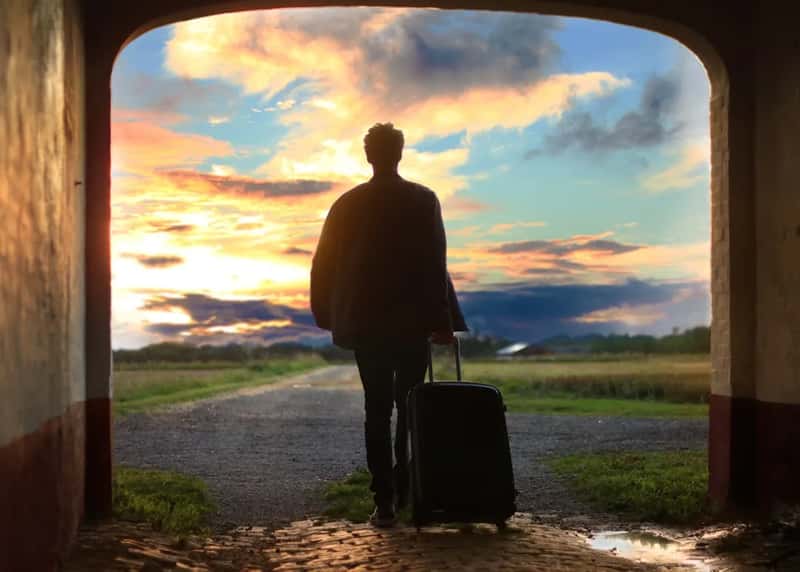
July and August used to be untouchable for summer vacations. That is changing, and climate is a big part of the reason why. Among luxury travel advisors surveyed for Virtuoso’s 2026 Luxe Report, 45% say their clients are adjusting plans due to climate change, and of those advisors, 76% report increased interest in shoulder-season or off-peak travel, while 75% say clients prefer destinations with moderate weather.
This is not just a luxury phenomenon either. Even Europe’s high season is starting to bend, with 2026 set to see growth in international visitors to Europe during the cooler months in winter and spring that are typically seen as the shoulder seasons. Travelers are trading a guaranteed sunny week for lower prices, thinner crowds, and a calendar that actually fits their schedule.
Secondary cities are stealing the spotlight from the usual hotspots

Paris, London, and Rome are not going anywhere, but they are no longer the automatic default. Industry experts quoted by WTOP point to secondary and tertiary cities of travel, not the major hotspots, with cities such as Prague and Budapest gaining popularity, as well as destinations like Malta and the Indian Himalayas.
One travel analyst summed it up bluntly, noting that the era of rushing to Paris, London, or Rome for the fifth time is quietly fading. For Americans specifically, that mindset is translating into more curiosity about places that were previously afterthoughts on a European itinerary, and a willingness to skip the obvious stop in favor of something with fewer lines and lower prices.
Travel budgets keep climbing even as affordability worries grow

Here is where things get a little contradictory, and honestly, that tension is part of the trend itself. On one hand, the average maximum annual leisure travel budget has reached a new record high of $6,556. On the other, Deloitte’s 2026 survey found that only 45% of respondents are planning vacations with stays in paid lodging, the lowest in the last six years.
So people are not universally spending more. Rather, the ones who are still traveling are spending more deliberately, often cutting corners elsewhere to protect the trip itself. That pattern, spending big on travel while trimming other parts of the budget, shows up again and again in this year’s research and looks set to continue.
Milestone and multigenerational trips are reshaping the calendar
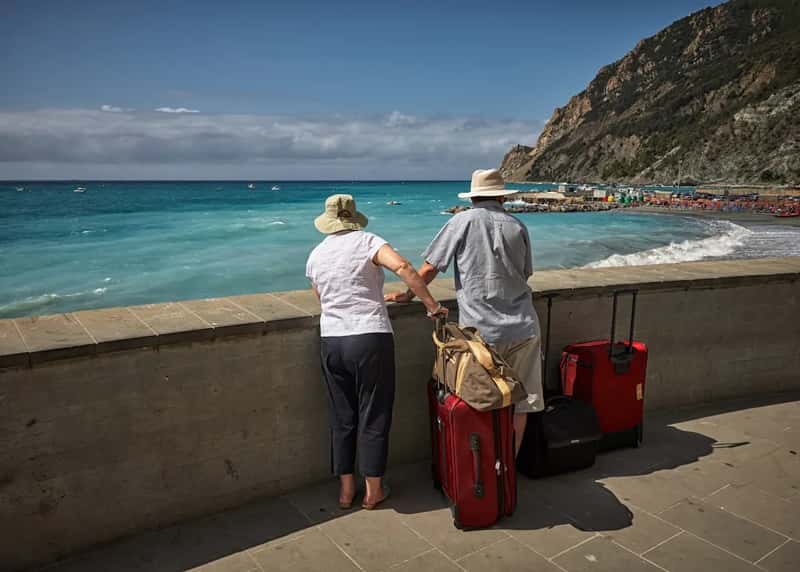
A wedding, a graduation, or a big birthday used to be a single-day event. Increasingly, it is becoming a multi-day trip built around that occasion. American Express found that two-thirds of global respondents, 66%, plan to take a trip to celebrate a milestone for other people in 2026.
And once travelers commit to that trip, they tend to stretch it. More than seven in ten global respondents, 72%, plan to extend their stay by at least three to four days. Birthdays, weddings, graduations, and anniversaries are no longer just calendar entries; they are becoming the reason the whole vacation exists in the first place.
Artificial intelligence is quietly rewriting how trips get planned
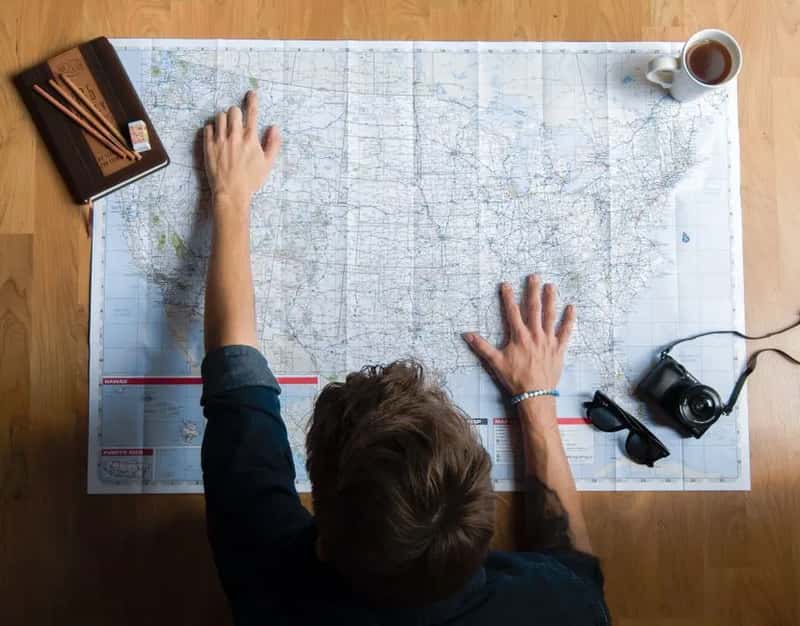
AI planning tools have moved from novelty to normal in a short span of time. Deloitte’s research found that 43% of high-income millennials say they use generative AI in their trip planning, a group that also happens to travel more often and spend more per trip than most other segments.
The appeal is fairly practical. Travel analysts note that people are leaning on AI tools to plan smarter and faster, from building day-by-day itineraries to surfacing lesser-known destinations and price alerts. It is worth a note of caution here too, since AI recommendations are not always reliable and travelers are still wise to double-check anything booked based on a chatbot suggestion.
Major events are turning into built-in travel itineraries

2026 has given Americans a long list of reasons to build a trip around a specific date. Search interest for World Cup host cities has spiked accordingly, with searches up significantly for Kansas City (+700%), Philadelphia (+210%), Monterrey, Mexico (+210%), and Atlanta (+200%), among other host destinations.
America’s 250th anniversary is playing a similar role. Celebrations across the nation peaking in July are driving a surge in road trips this summer, according to Hilton’s 2026 Trends Report. Add in concerts, championships, and cultural festivals, and it becomes clear that a growing share of American travel is now scheduled around an event rather than a destination.
Road trips and multi-stop journeys are having a moment

Fuel costs and flight prices have pushed a lot of people back toward their own car. Experian’s research found that 43% of those polled plan to take a domestic road trip this season, largely because of rising fuel costs.
There is also a nostalgic angle at play. Social interest in one of America’s most famous highways has surged, with social mentions of Route 66 up 302% as the highway approaches its 100th anniversary. Combine that with the rise of multi-stop trips, where travelers book more than one hotel in a single visit to pair events with side trips, and the classic American road trip looks like it is due for a genuine resurgence rather than a brief throwback moment.
Nature-first getaways are pulling Americans outdoors

Beaches, mountains, and national parks are absorbing a lot of this renewed domestic interest. Expedia’s research found that searches for California and Florida beaches are up 50%, while other outdoor attractions such as lakes, mountains and national parks are trending 65% higher than last year.
This fits neatly with the broader theme running through nearly every one of these trends: a preference for spaces that feel less crowded, less expensive, and more restorative than a packed city itinerary. Whether it is a lakeside cabin or a stretch of coastline, nature is doing a lot of the heavy lifting in shaping where Americans choose to unwind.
The Bottom Line
None of these individual pieces, staying closer to home, chasing shoulder season deals, leaning on AI, building trips around events, is dramatic enough on its own to count as a defining trend. Together, though, they describe a traveler who is more careful, more intentional, and a lot less predictable than the one who booked flights on impulse a few years ago.
By 2027, that mix of caution and creativity looks less like a temporary adjustment and more like the new default. The destinations may keep shifting from year to year, but the underlying instinct, spend wisely, time it well, and make the trip mean something, appears to be here to stay.