Here is a version of yourself, years from now, sitting somewhere familiar and wondering why you never booked that flight. It is one of the quietest but most universal regrets people carry: the trip that was always “next year,” the country that was always “eventually,” the adventure that somehow never made it past the wish list. Travel delay is not just a logistical habit. It is a pattern with real emotional and practical consequences – and the data from recent years makes it harder than ever to justify putting off the journeys that matter most to you.
The Illusion of the “Perfect Time” to Travel

Most people who delay travel are not lazy or uninterested. They are waiting for conditions to align perfectly – better finances, fewer work responsibilities, a more stable world. The problem is that this perfect moment rarely arrives on schedule. While 92% of Americans are taking a trip in 2026, 1 in 5 say they will be traveling less due to the economy, and 58% would like to travel more but cannot due to cost. The intention is there, but circumstance keeps pushing the dream further down the calendar.
What makes the “perfect time” illusion so persistent is that it feels reasonable in the moment. Finances do fluctuate. Life does get busy. The number of those who said they were “not sure” about their summer vacation plans increased from 18% in 2024 to 23% in 2025, with recent economic fears causing more travelers to take a wait-and-see approach. Waiting feels responsible, but for dream trips especially, indefinite waiting is often just a quiet form of cancellation.
Financial Hesitation: The Number One Excuse
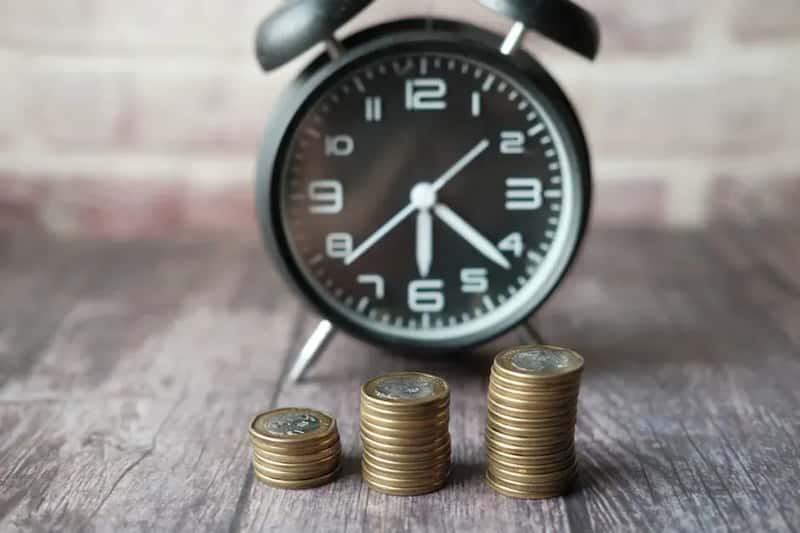
Money is the most commonly cited reason people delay their dream trips, and it is not entirely unfair as an excuse. Costs are genuinely rising across almost every travel category. Around 1 in 3 people expect to spend less on travel in 2026 than in the previous year, with those cutting back citing increased costs of living (47%), the overall state of the economy (44%), hotel prices (38%), and even tariffs (30%). These pressures are real, and they do require planning.
However, waiting for a financial “green light” is more complicated than it sounds. About half of Americans say the memories they make when vacationing are priceless, yet economic pressures are reshaping how they approach travel, with many embracing cost-saving strategies to stay under budget. This tension between valuing experiences and delaying them because of cost is central to the “waited too long” mistake. A smaller number of Americans are willing to create travel savings funds and postpone their trips until next year – only about 15%.
Work Culture and Time Poverty Are Keeping People Home

Beyond money, there is a cultural barrier that rarely gets discussed honestly: the difficulty of actually taking time away from work. In recent surveys, the numbers have shifted in a revealing direction. More Americans cited the hassle of traveling (rising from 11% in 2024 to 16% in 2026) and difficulty finding time off from work (rising from 10% to 16%), the latter perhaps reflecting corporate America’s continued push to bring remote workers back to the office. These are not trivial obstacles.
The rise of return-to-office mandates and increasing job insecurity has made many workers feel that requesting extended time off carries professional risk. American travelers are reportedly delaying or scaling back their vacations in an uncertain economic climate. The hospitality industry says it has become harder to fill rooms as U.S. tariffs have fueled concerns about unemployment and rising prices, with one major hotel group CFO noting that “the uncertainty in the environment is creating cautionary behaviors from guests.” The hesitation is not imaginary – but neither is the cost of spending years without meaningful travel.
The Generational Divide: Who Is Actually Going
One of the most striking patterns emerging from recent travel data is a generational shift in who is actually booking and departing. Younger generations are increasingly refusing to delay the experiences they want. For the first time, Generation Z and millennials are expected to make up half of the traveling public, and these younger generations plan to take more trips than older generations. That is a notable milestone that signals a philosophical shift in how people approach life experiences.
Older generations, by contrast, are more likely to delay and save – sometimes until the window narrows. Gen Z is around twice as likely to say they will be traveling more in 2026 than other generations, at 23% compared to just 13% among other age groups. Leading reasons cited among those not expecting to travel include high cost (51%) and decreased discretionary funds due to inflation (34%), though as health-related fears diminish, nontravelers are reconsidering their plans with 45% saying they intend to resume domestic travel in the following year. Intending to resume is not the same as actually going.
Bucket Lists Are Growing, But Completion Rates Are Not

Nearly everyone has a mental or written list of places they want to visit before they die. The gap between maintaining that list and actually working through it is where regret is born. A survey by Club Wyndham of 2,000 U.S. travelers found that about 43% stuck to their travel plans in 2024, while 23% took even more trips – many of them actively checking places off their bucket lists. That means a significant portion of travelers still fell short of their own stated intentions.
The Real Cost of Waiting: Time, Health, and Opportunity
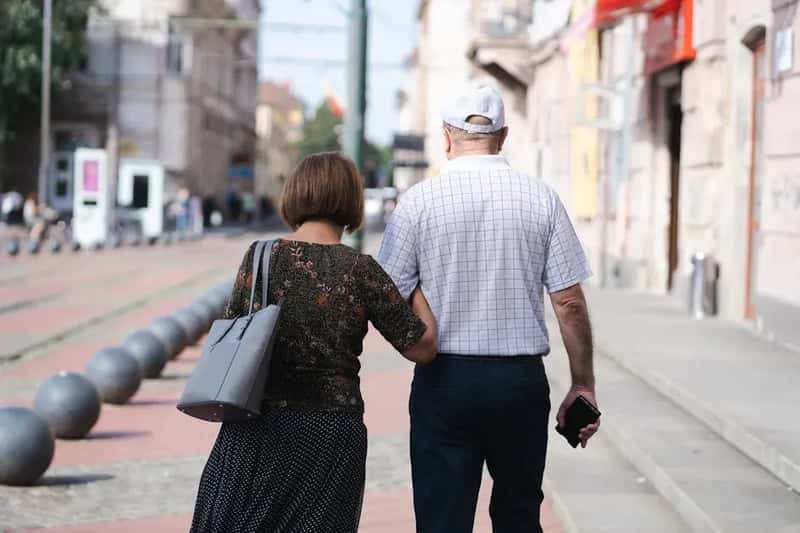
The most overlooked dimension of travel delay is not financial – it is physical and temporal. Destinations change. Health changes. The energy required for certain adventures does not remain constant across decades. Survey data indicates people are further along in the planning process for international travel than in the past, with older Americans twice as likely to have plans in place for an international adventure as they are for a domestic trip. This urgency among older travelers reflects a growing awareness that windows close.
Despite cutting back on vacation spending, many Americans believe travel is important no matter how expensive, with close to half saying the memories they make while traveling are priceless, and a quarter preferring to see travel as an investment in themselves rather than focusing on how much it costs. That perspective, once internalized, reframes the entire debate. One in 5 Americans say they prioritize travel regardless of what is going on in the economy, while a quarter prefer to see travel as an investment in themselves. Those who adopt this mindset early rarely find themselves in the position of the person who waited too long – and knows it.