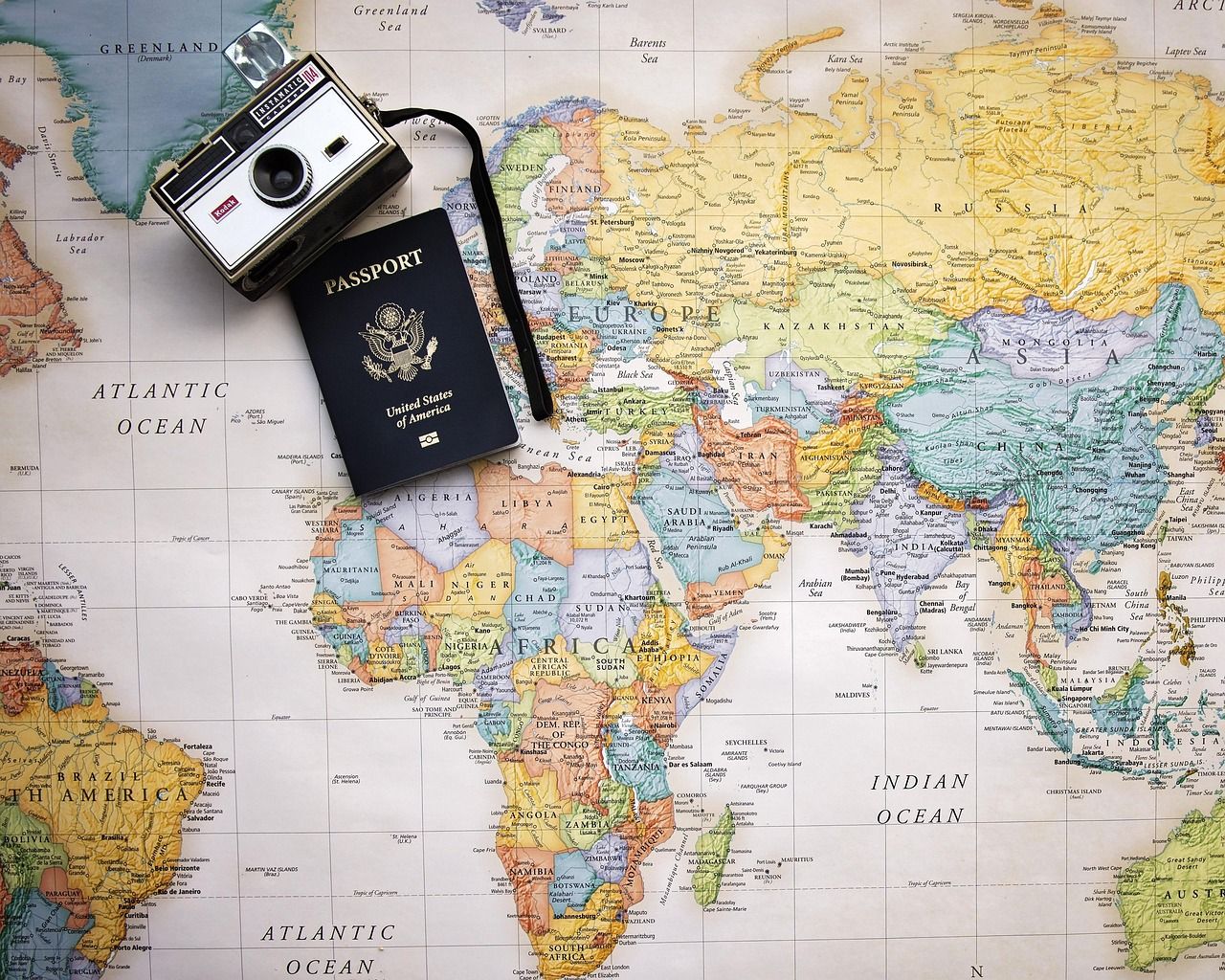
Global tourism has settled into a rhythm that looks a lot like the years before the pandemic, only with a twist. Instead of the usual suspects hogging all the headlines, a fresh batch of countries and regions are posting the kind of growth numbers that make industry analysts sit up and take notice. According to UN Tourism’s latest World Tourism Barometer, international tourist arrivals grew by 4% in 2025, with an estimated 1.52 billion international tourists recorded globally, almost 60 million more than in 2024[1].
What makes this moment interesting isn’t the overall average, though. It’s the outliers. Some destinations are growing two, three, even ten times faster than the global norm, driven by everything from new museums and mega-events to visa reforms and a growing appetite for places that still feel undiscovered. Here’s a closer look at the destinations leading that charge into 2026.
Iceland: Europe’s Standout Performer

While most of Europe posted solid but modest gains, one small North Atlantic nation pulled clearly ahead of the pack. Iceland is the fastest-growing tourist destination in Europe[2], according to UN Tourism’s most recent barometer data. That’s a notable distinction in a continent that, as the world’s largest destination region, already handles the lion’s share of global visitor traffic.
Iceland’s appeal has always leaned on dramatic landscapes and a sense of remoteness that’s hard to replicate elsewhere. What’s changed more recently is how that reputation has translated into actual visitor numbers, with the country’s growth rate outpacing much larger and more established European markets. It’s a reminder that scale isn’t everything in tourism; sometimes a small country with a distinctive identity can out-grow entire regions.
Japan: Riding a Wave That Won’t Quit
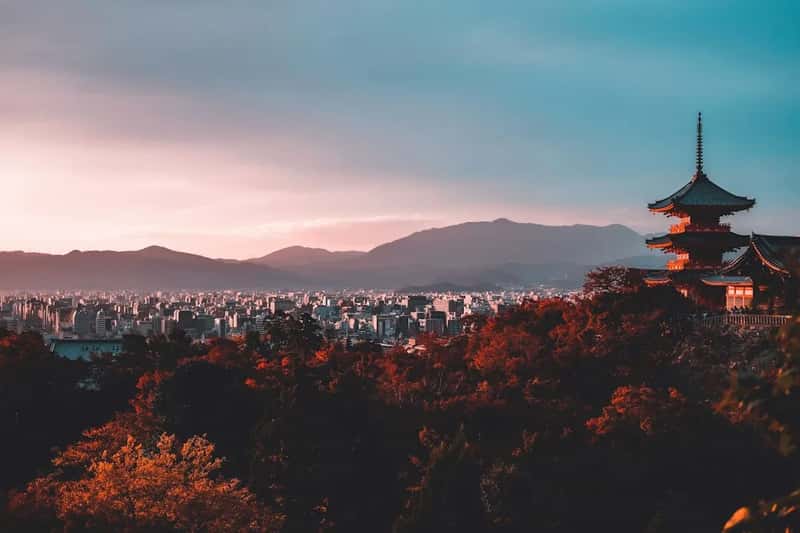
Japan has spent the past few years becoming something of a cultural obsession for travelers worldwide, and the numbers back up the vibe. Japan has double-digit growth in international arrivals, up 17 per cent in the months through November last year compared with 2024[2]. That kind of sustained momentum, year after year, is rare for a country that was already firmly established on the global travel map before this surge even began.
Separate booking data reinforces the trend. Japan saw nearly a 10% surge in its travel market, marking one of the year’s strongest rebounds and establishing itself as a top destination.[3] Trip.com’s research goes further, noting that Japan is set to dominate as a top destination of choice next year, consistently ranked in the top three outbound destinations booked by travellers worldwide[4]. A weak yen, efficient transit, and an endless stream of social media content have all played their part in keeping Japan at the center of the conversation.
Brazil: Culture, Concerts, and Carnival Fever

Brazil’s tourism numbers tell a story of a country that has figured out how to turn cultural moments into sustained visitor growth. Brazil is up 37 per cent for the full year[2], one of the steepest increases recorded anywhere in the world for 2025. That’s not a fluke tied to a single event either, it reflects a broader pattern of the country leaning into its strengths.
Part of the explanation lies in a calendar packed with draws. Brazil has become a popular destination thanks to its festivals and concerts, with Carnival in February drawing in crowds year after year, while 2025 also saw Rio de Janeiro serve as UNESCO’s World Book Capital and Lady Gaga’s free concert on Copacabana beach drew in an international crowd.[2] It’s a case study in how cultural programming, not just natural beauty, can move the needle on tourism statistics.
Egypt: A Museum Decades in the Making

Egypt has long been a bucket-list destination, but 2025 gave travelers a genuinely new reason to book a trip. Egypt is up 20 per cent[2] in international arrivals, a jump that lines up neatly with one of the most anticipated cultural openings in recent memory.
The timing wasn’t accidental. The soft opening of the Grand Egyptian Museum in October 2024, followed by its grand opening in November 2025, likely saw the country shoot up tourists’ must-visit lists for the year.[2] Beyond the museum itself, wider regional data shows Egypt fits into a larger pattern of double-digit growth across parts of North Africa. Hospitality industry reporting on the region notes that several destinations show double-digit growth in international arrivals, among which Brazil, Egypt, Morocco, and Seychelles[5] all stood out in 2025.
Saudi Arabia: Tourism as a National Transformation
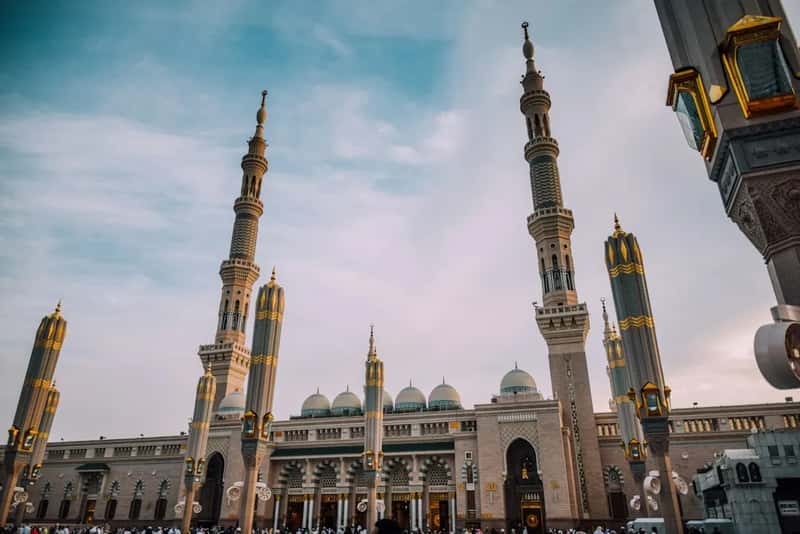
Few countries have thrown as much weight behind tourism growth as Saudi Arabia. The results, so far, are hard to argue with. Saudi Arabia welcomed an estimated 122 million visitors in 2025, a 5 percent annual increase[6], according to preliminary official data released by the Ministry of Tourism. That figure includes both domestic and international travelers, and it puts the kingdom well on its way toward a much bigger target.
The scale of the ambition is striking. The milestone marks a significant step toward Vision 2030’s target of 150 million annual visitors.[6] Looking further back, the longer-term trend is even more dramatic: international arrivals increased 67% between 2019 and 2025, placing Saudi Arabia among the strongest growth performers compared with pre-pandemic levels.[7] New destinations like AlUla and the Red Sea coast, paired with visa reforms and heavy infrastructure investment, are reshaping what a trip to Saudi Arabia can look like.
Uzbekistan: The Silk Road’s Quiet Comeback
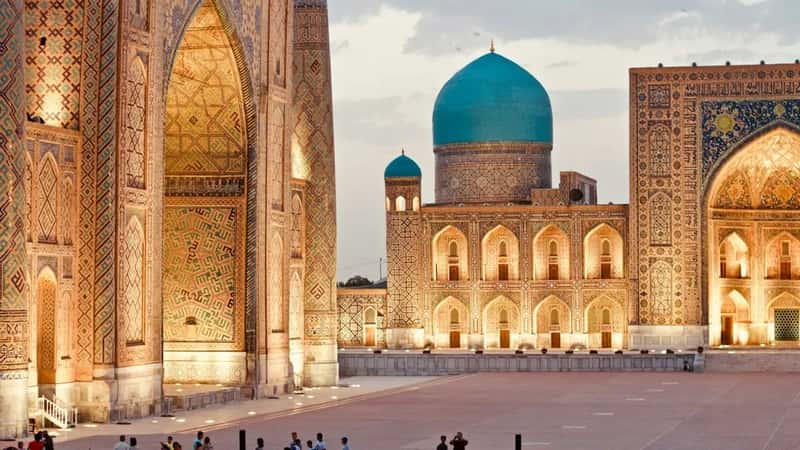
Central Asia doesn’t always get top billing in global travel conversations, but Uzbekistan is changing that. Uzbekistan ranked among the seven fastest-growing destinations worldwide for inbound tourism between January and September 2025[8], according to UN Tourism’s analytical data. That’s a meaningful achievement for a country competing against far more established names.
The recovery has been dramatic in scale. International tourist arrivals increased by 73 per cent compared to 2019 levels, highlighting the country’s rapid recovery and sustained momentum in the post-pandemic tourism landscape.[8] Much of this stems from deliberate state planning, with officials pointing to rapid growth rooted in long-term state planning[8] as the driving force behind Samarkand and Bukhara’s rising profile among international travelers seeking Silk Road history without the crowds of more traditional heritage sites.
Vietnam’s Sapa: Asia’s Off-Radar Sensation
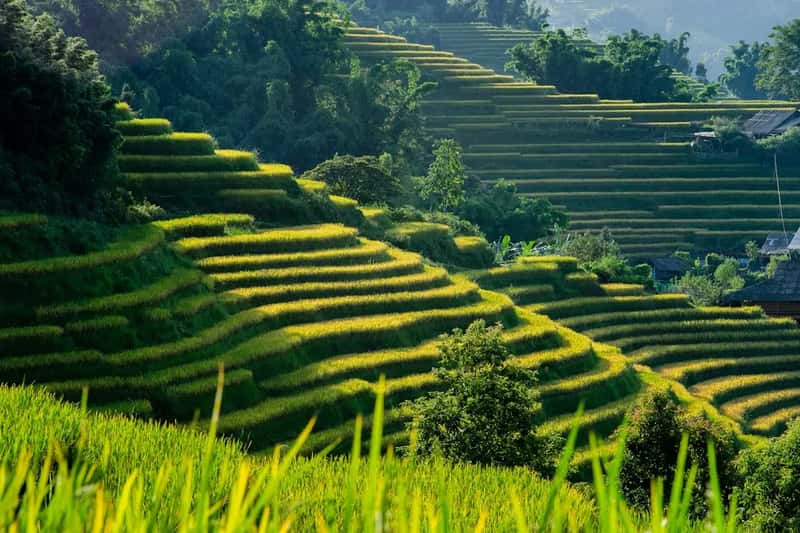
Sometimes the fastest-growing destination isn’t a country at all, it’s a single town that suddenly captures the collective imagination. That’s exactly what happened with Sapa, a misty mountain town in northern Vietnam. According to travel platform data, Vietnam’s misty mountain town of Sapa has emerged as the fastest-growing destination for attracting international travellers in Asia, signalling a clear appetite for places that feel a little more off-radar and a lot more rewarding.[9]
Sapa isn’t an isolated case either. It’s part of a broader shift across Asia where travelers are actively seeking alternatives to overcrowded capitals. Ko Phangan and Ko Tao in Thailand have recently joined the list, alongside Japan’s Nagano, Nara, Shizuoka, Kagoshima and Aomori.[9] An Agoda regional director summed up the trend by noting that lesser-known destinations are rapidly emerging as preferred choices for travellers seeking authenticity and immersive cultural experiences[9].
New Caledonia and the Pacific’s Reef Renaissance
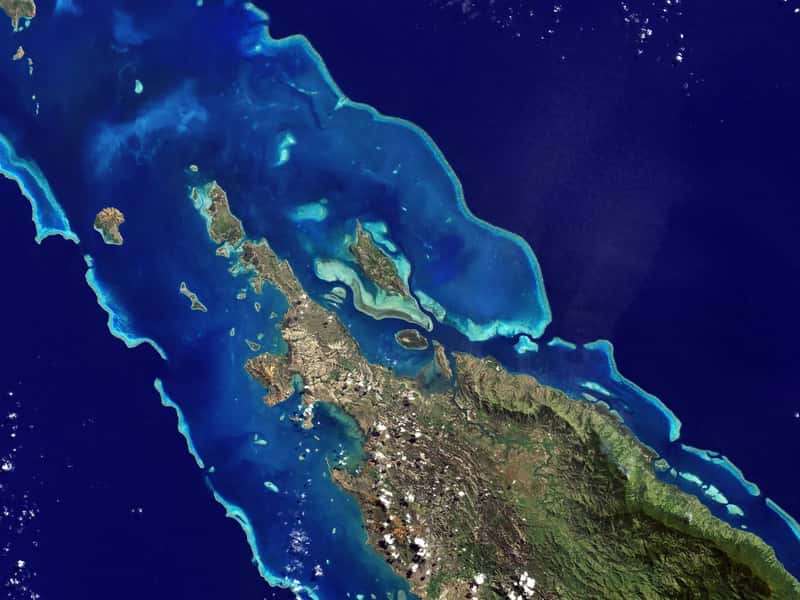
Far out in the Pacific, a French territory known for its lagoon has quietly become one of the biggest growth stories in global tourism. International arrivals surged 45% in the first quarter of 2026, placing this French Pacific territory just one step behind Paraguay on the global growth chart.[10] That’s an extraordinary rate of expansion for a destination that, until recently, flew well under most travelers’ radar.
The natural draw is easy to understand once you look at what’s on offer. A lagoon so enormous and so impossibly blue that six separate sections of it have earned UNESCO World Heritage status[10] anchors the appeal, alongside a reef system where the barrier reef stretching around the islands runs for roughly 1,600 kilometers, making it one of the longest in the world.[10] Divers and snorkelers are increasingly discovering that the crowds simply haven’t caught up yet with the scenery.
Paraguay: The Unexpected Number One
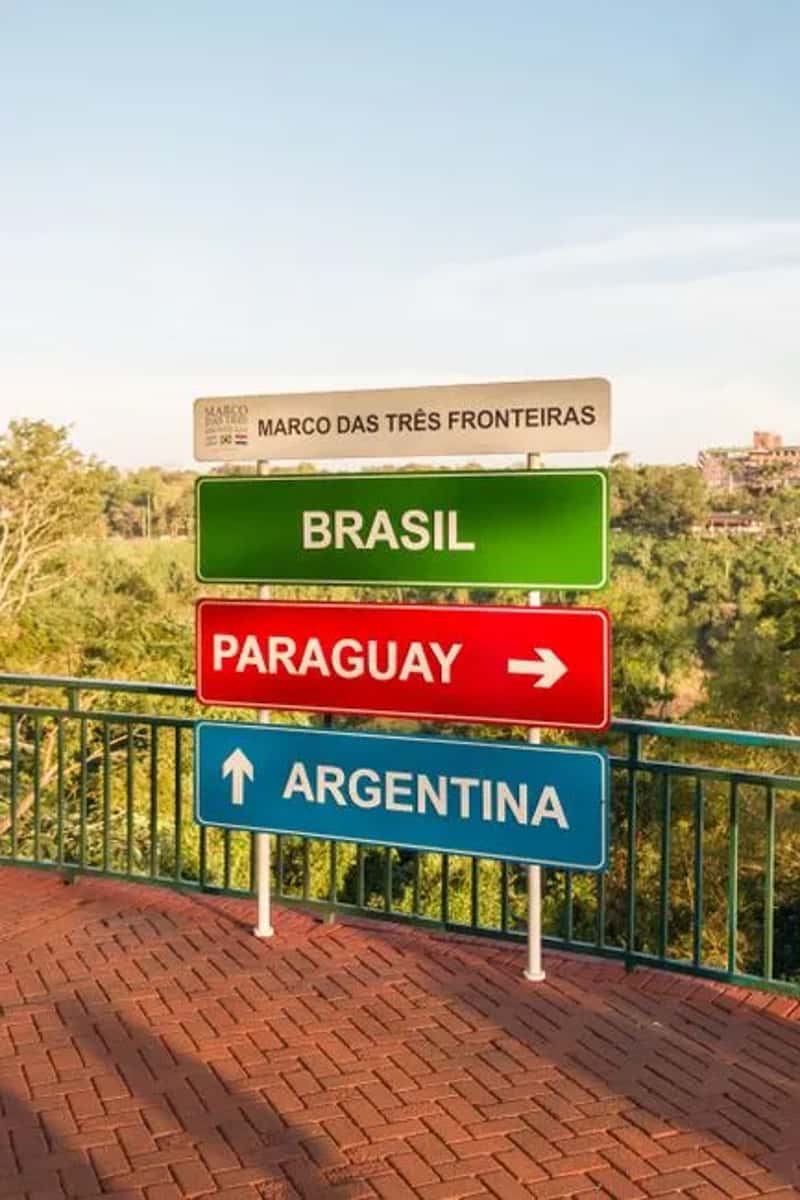
If there’s one destination that best captures the surprising nature of this whole trend, it’s Paraguay. Landlocked, historically overlooked by international travelers, and rarely mentioned in the same breath as its flashier South American neighbors, it has nonetheless emerged as the single fastest-growing destination tracked anywhere in the world. International arrivals jumped a jaw-dropping 46% in the first quarter of 2026 compared to the same time in 2025, making it the single strongest performer highlighted by UN Tourism.[10]
Nobody predicted this rise, and that’s arguably part of the appeal for the travelers now discovering it. As one recent industry roundup put it, Paraguay is the kind of place that rewards travelers who love discovering something before everyone else does[10]. Whether that momentum holds through the rest of 2026 remains to be seen, but for now, it stands as the clearest example of how quickly a destination’s fortunes can change in the modern travel landscape.
What This All Means for Travelers
Taken together, these nine destinations paint a picture of an industry in flux. Growth is no longer concentrated purely in the traditional heavyweights like France or Spain, even though those countries still lead in raw visitor numbers. Instead, the fastest movement is happening at the edges, in places that combine authentic cultural experiences, strategic government investment, or simply the kind of untouched natural beauty that’s becoming harder to find elsewhere.
For travelers willing to look beyond the usual shortlist, this shift is good news. It means more variety, generally lower costs before the crowds arrive, and the chance to experience a destination in that narrow window before it becomes a household name. The trend lines suggest this won’t slow down anytime soon, so the smart move might be booking that flight to Asunción, Sapa, or Samarkand before everyone else figures out what you already know.