There’s a certain kind of trivia that sounds made up until you check it twice. The idea that an entire sovereign nation, complete with its own government, postal service, and head of state, has fewer residents than a typical American high school falls into that category. Yet it’s true, and the country in question sits right in the middle of Rome, surrounded on all sides by Italy.
This isn’t a story about a remote island or a disputed micronation nobody recognizes. It’s about a place with full diplomatic standing, its own laws, and a population you could seat in a single section of bleachers at a mid-sized sports arena.
A nation smaller than most office parks
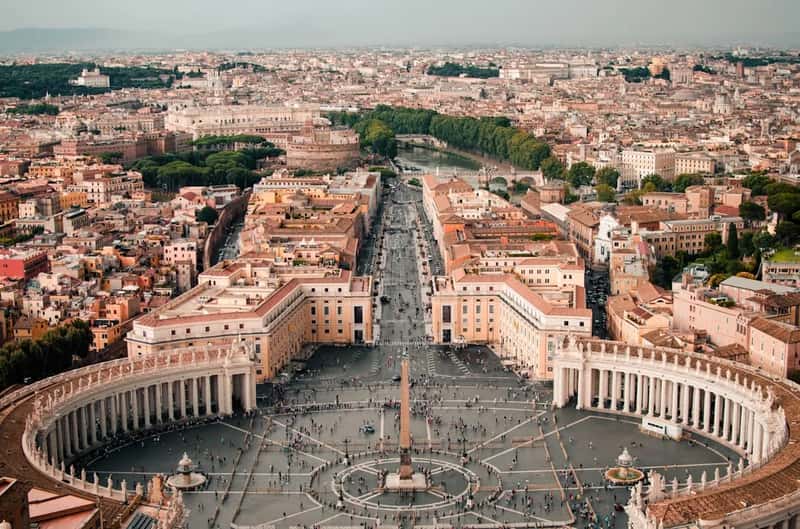
Vatican City covers roughly 0.44 square kilometers, making it the smallest country in the world at only 0.44 square kilometers[1]. That’s smaller than most golf courses and considerably smaller than the average shopping mall parking lot in the United States.
The comparison that tends to stick with people is the stadium one. Michigan Stadium, one of the largest stadiums in the world, covers an area of about 80 acres[2], which puts the entire country’s footprint into perspective when you consider the Vatican itself spans just over a hundred acres in total, including gardens, museums, and St. Peter’s Square.
So how many people actually live there
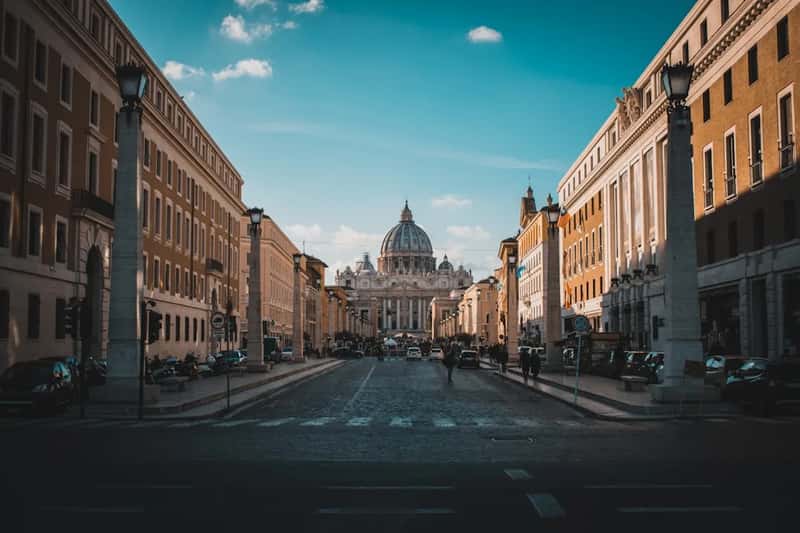
Population figures for Vatican City bounce around depending on the source and the year, which is itself part of the story. Recent estimates for 2026 range from as low as about 506 residents to figures closer to 880 or even 939, depending on whether the count includes only citizens physically present, diplomats abroad, or seasonal staff.
One widely cited figure puts Vatican City’s total population at 506, ranking as the 237th most populous nation in the world[3] as of 2026. Whichever number you land on, the takeaway is the same: this is a country with a population smaller than most apartment buildings in a major city.
Fitting everyone into a single stadium

Take the lower estimate of around 500 people and picture where that would land you at a real sporting venue. A single upper deck section at most NFL or Premier League stadiums holds more people than that. Even a modest minor league baseball park, seating a few thousand, could absorb the entire population of Vatican City with room to spare for the concession lines.
Push the number up toward the higher estimates near 900, and the comparison barely changes. You’re still talking about a population that fits comfortably into one grandstand, not even close to filling out a full stadium bowl. It’s a neat way to grasp just how small this country really is, because most people have stood inside a stadium and have a physical sense of what a few hundred or a thousand seats look like.
Why the population count keeps shifting
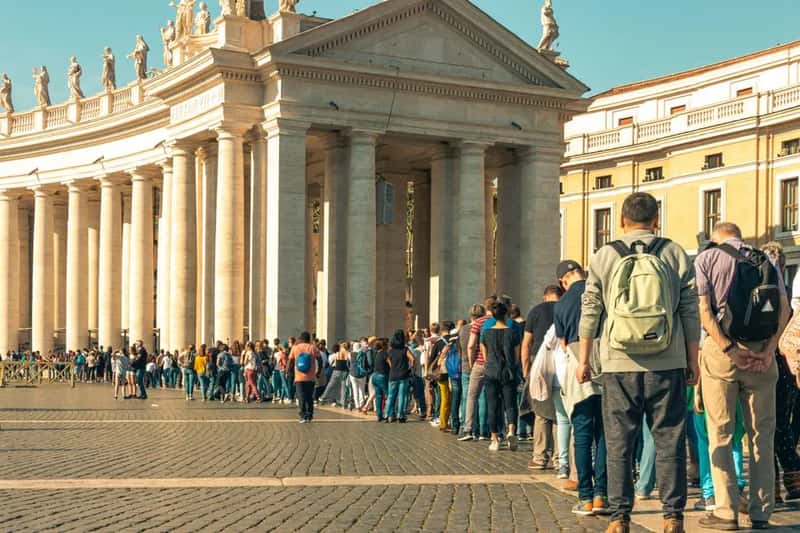
Anyone trying to pin down an exact figure for Vatican City runs into a problem quickly: different agencies count different things. Some tallies include only people who hold Vatican citizenship and live within the walls. Others fold in cardinals residing in Rome, diplomatic staff posted overseas, or temporary religious personnel.
According to one detailed breakdown, 372 Vatican citizens live abroad, primarily diplomats of the Holy See and cardinals in Rome[4]. That single detail explains a lot of the discrepancy between sources, since a country can technically have citizens who never set foot inside its borders for months or years at a time.
Citizenship works differently here
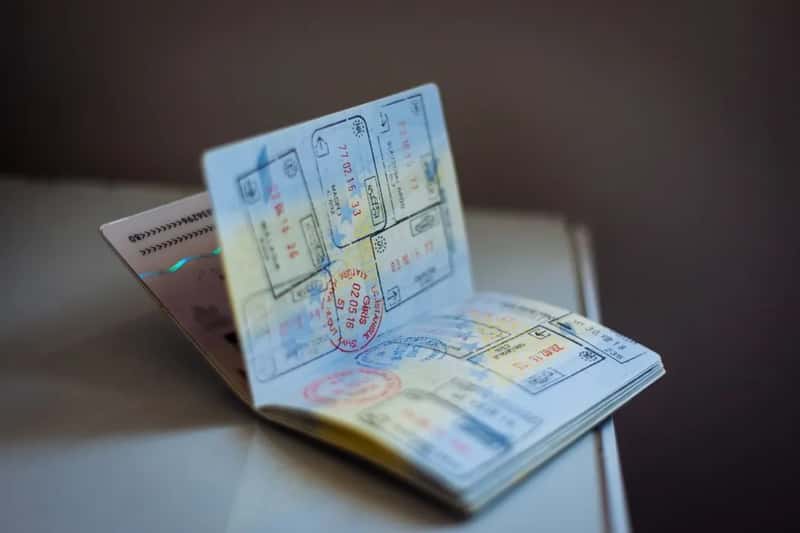
Vatican citizenship isn’t inherited by birth the way it is in most countries. It’s granted based on office or function, meaning it typically applies to clergy, diplomats, and certain lay employees for as long as they hold a specific role. Lose the job, and in many cases you lose the citizenship too.
This creates a population that’s almost entirely transient in legal terms, even if the same faces stay put for decades. A cardinal appointed to a Vatican dicastery gains residency rights tied to that appointment, and the same logic applies across the Swiss Guard, the diplomatic corps, and administrative staff.
The Swiss Guard and the people who actually staff the place

The Pontifical Swiss Guard remains one of the most recognizable parts of daily life inside Vatican walls, and its members make up a meaningful chunk of the resident population. A population snapshot from mid-2023 recorded the guard’s presence alongside cardinals, diplomats, and support staff living within the city state’s boundaries.
Beyond the guard, the resident population includes clergy attached to the Roman Curia, groundskeepers, museum staff, and administrative workers who keep the place running day to day. It’s a workforce built almost entirely around supporting the Holy See’s religious and diplomatic functions, rather than anything resembling a normal civilian economy.
A country built for millions of visitors, not residents
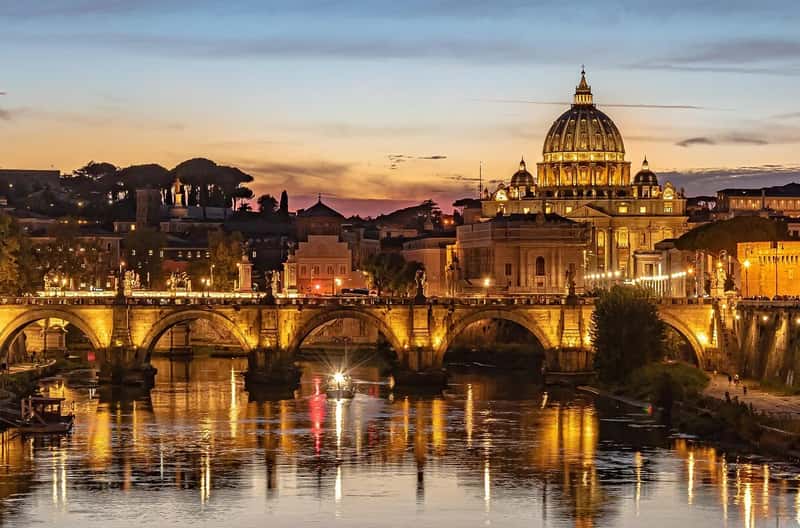
Here’s the contrast that makes Vatican City strange among nations: its resident population is minuscule, but its visitor numbers are enormous. An estimated 6.8 million tourists visit annually[4], a figure that dwarfs the resident count by a factor of thousands.
Walk through St. Peter’s Square on any given day and you’ll see more people passing through in an afternoon than technically live in the country year round. The Vatican Museums alone draw crowds that would need to be measured in stadium terms too, just on a completely different scale than the resident population.
How it stacks up against other tiny nations
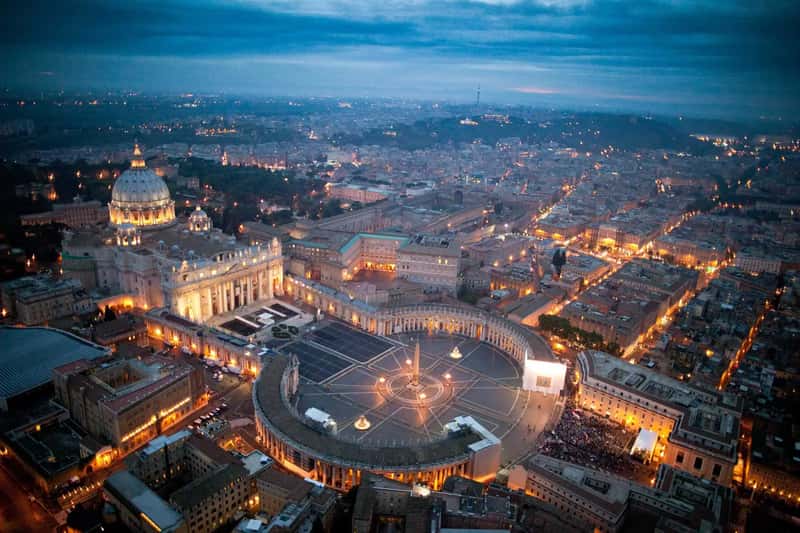
Vatican City isn’t alone in the ultra-small category, though it stands apart as the extreme case. Vatican City is the smallest country however, that is internationally recognised[1], which separates it from unrecognized micronations like Sealand that sometimes get lumped into the same conversation.
Monaco, often mentioned in the same breath, operates on a completely different scale of population despite also being tiny in area. Monaco is the second smallest country in the world and the smallest member of the United Nations, and it is the world’s most densely populated country with approximately 18,750 inhabitants per square kilometer[1]. In other words, Monaco is small in land but packed with people, while the Vatican is small in both land and population, which is what makes its case so unusual.
A government without a typical citizenry
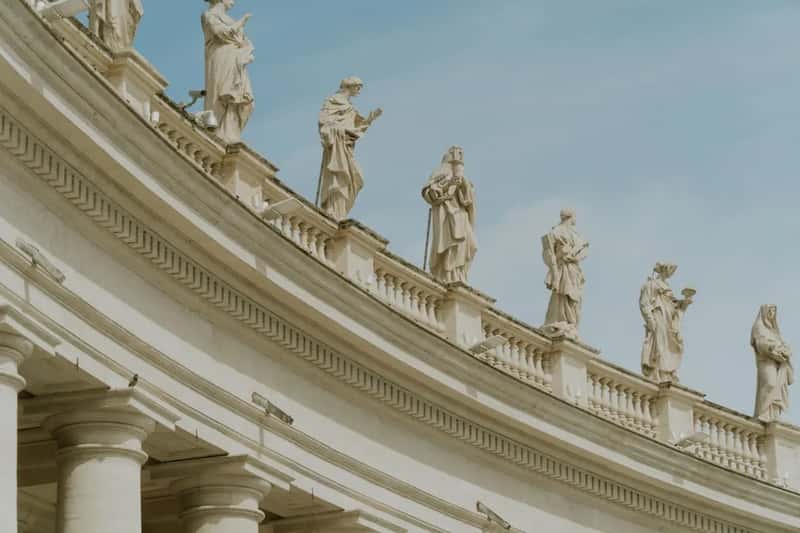
Running a country with a population this small creates governance quirks that don’t exist anywhere else. There’s no need for a sprawling civil service, no local elections in any conventional sense, and no census bureau tracking birth rates the way most nations do.
The pope functions as head of state, and most administrative authority flows through the Roman Curia and the Governorate of Vatican City State. It’s less a government serving a broad citizenry and more a specialized administrative body managing a religious headquarters that happens to also be a sovereign nation under international law.
An aging population with no real birth rate
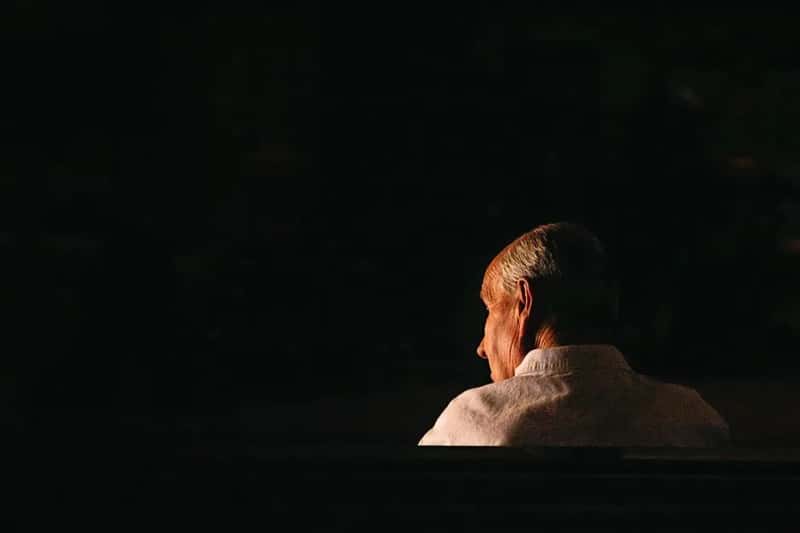
Demographically, Vatican City looks unlike any other country on earth. The median age sits far above the global average, with one recent estimate placing it at 57.2 years, compared to the global average of 31 years[3].
That makes sense once you consider who actually lives there. This is a population made up largely of clergy, career diplomats, and guards, not families raising children, so the usual demographic patterns of birth rates and generational turnover simply don’t apply here the way they would in an ordinary nation.
Final thoughts
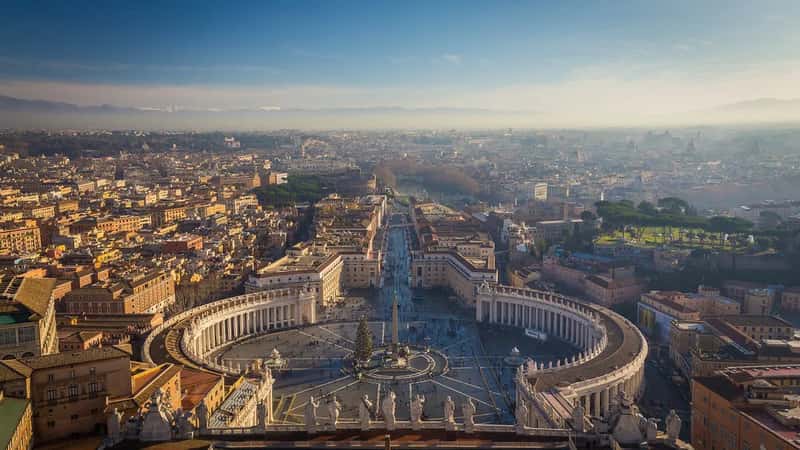
Numbers about Vatican City will keep shifting slightly depending on who’s counting and what they’re counting for. What stays constant is the underlying reality: a fully sovereign state, recognized by governments worldwide, with a resident population smaller than the seating capacity of a modest local stadium.
It’s a scale so far removed from how most people think about nationhood that it almost breaks the usual framework. Somewhere within those 44 hectares, a few hundred people carry out the daily business of running a country, while millions more pass through as visitors without ever counting toward the population total at all.