Not every destination rolls out the welcome mat the same way. For decades, the American passport was treated almost like a golden ticket, something that opened doors, sparked friendly conversations, and earned you a warm smile from locals. That image is shifting – and in some places, shifting fast.
According to a Global Rescue Snap Survey of more than 1,400 current and former members conducted in early 2025, the majority of the world’s most experienced travelers expect U.S. tourists will be less welcome and perceived more negatively while traveling internationally, due to recent international policy proposals introduced by the U.S. That’s a stunning conclusion. Seven out of ten surveyed said Americans will be perceived more negatively and feel less welcome abroad.
The reasons behind this shift are complex: political tensions, cultural friction, trade wars, and even decades-old diplomatic baggage. Some of these destinations are outright legally complicated for American travelers. Others are just… cold. Let’s find out which countries are making Americans feel the chill right now.
1. France – The Undisputed Champion of the Chilly Reception
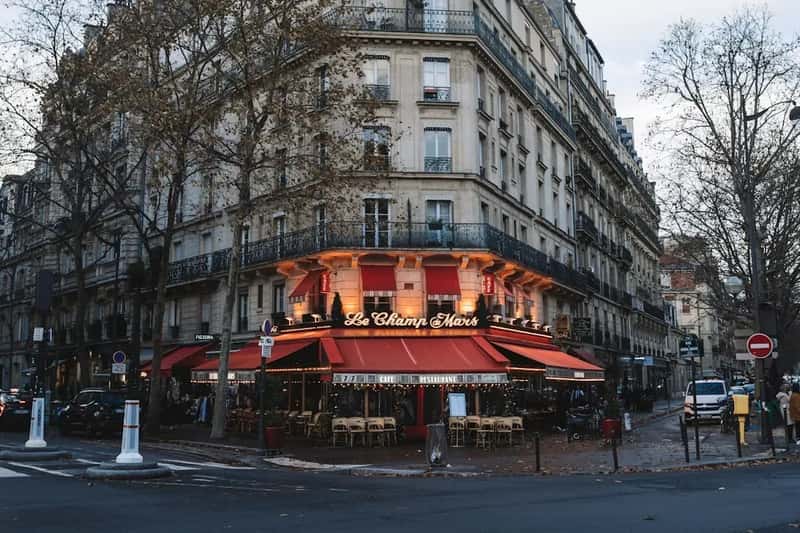
France tops the self-reported unwelcoming list, with 15% of French respondents in a 2025 survey identifying their own country as the least hospitable to American visitors. That number might sound modest, but no other European country comes close to that level of blunt national self-assessment. U.S. favorability in France plunged 33 points by early 2025, linked directly to trade disputes and politics.
Parisians, worn down by decades of mass tourism, tend to read American friendliness as intrusive rather than warm. There’s a particular cultural script in Paris – quiet, reserved, precise – that clashes hard with the louder, more expressive American social style. French luxury hotels reported an “unprecedented” drop in American bookings, and exclusive establishments in Paris quietly implemented new reservation policies, while American visitors describe being seated in less desirable restaurant sections or facing longer waits for service.
2. Germany – A Tourism Freefall Like No Other
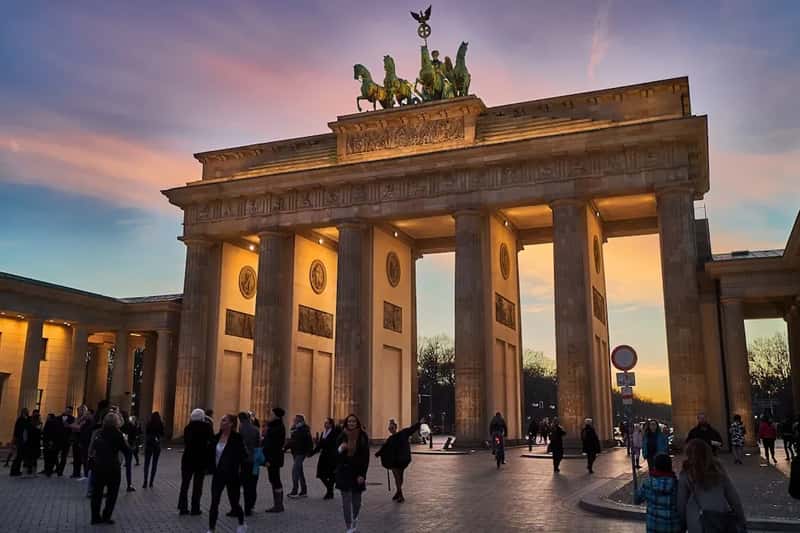
Germany’s relationship with the United States has always carried historical weight, and for decades, that translated into admiration and strong tourist ties. Now the data tells a very different story. Honestly, the numbers here are the kind you have to read twice. Statistics from 2025 show Germany ranking number one with a steep 61% drop in interest in visiting America, followed by Canada with a staggering 40% drop since the previous year.
German tourist visits to the United States declined around 20 to 30% in 2025 amid economic pressures, and roughly 45 to 55% of Germans hold an unfavorable view of the U.S. That anti-American sentiment is spilling over in both directions. NATO disputes and trade tensions have fueled anti-American feeling among locals, and German travel agencies now warn U.S. visitors about potential public hostility, especially in eastern regions.
3. Canada – The Neighbor That Slammed the Door
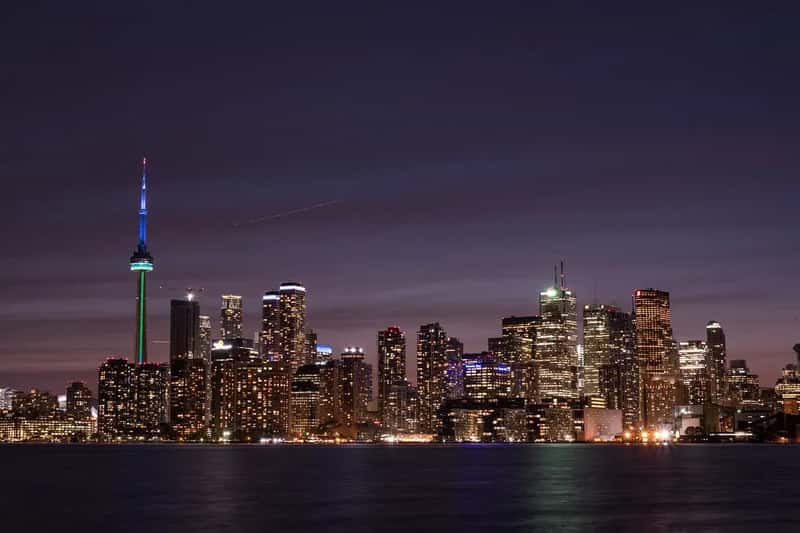
Here is the one that truly catches people off guard. Canada. Your friendly, hockey-loving, maple-syrup-making next-door neighbor. The country that once ranked as America’s single largest source of international visitors. More Canadians visit the U.S. than visitors from any other country, according to the National Travel and Tourism Office, and Canadians made up roughly 28% of total international visitor arrivals in 2024.
Travel bookings from Canada to the United States for the April through September 2025 period decreased by more than 70% compared to the previous year. That collapse has had real economic consequences. Since the onset of the boycott in early 2025, Canada’s decision to restrict travel to the U.S. has led to an economic loss of over $4.5 billion for the U.S. economy, and the downturn has been felt most strongly in sectors like national parks, where Canadian bookings plummeted by a staggering 93%. The relationship damage here cuts deep, and it’s personal, not just political.
4. Norway – Quiet Resentment, Loud Statistics
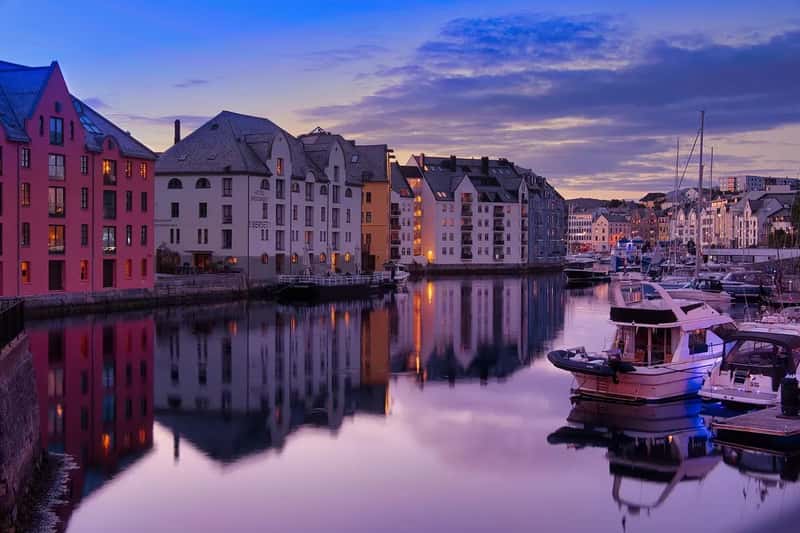
Norway isn’t the kind of country that throws protests or makes dramatic headlines. It’s reserved, civil, measured. Which is precisely why the data here feels so significant. Scandinavian countries stood out most in surveys about the political impact on tourism: Norway topped the list at 44% of respondents saying the 2024 U.S. presidential election impacted how they view American travelers, followed by Estonia at 35%, Sweden at 31%, Denmark at 30%, and Finland at 29%.
Norway scores 8% on the self-reported unwelcoming scale, and broadly across Scandinavia, roughly 50 to 60% of people view the United States unfavorably, depending on the country. Think of it this way: if even the most diplomatically polite nation in Europe is registering this level of discomfort, something meaningful has shifted. Scandinavian countries value quiet, orderly public behavior and personal space, and American tourists who bring typical U.S. social norms can feel jarringly out of place.
5. Spain – Overtourism Protests and a Growing Edge

Spain’s story is a little different from the others. The tension here isn’t purely political. It’s something more raw and visceral: locals who are completely exhausted by mass tourism. The country welcomed a near-record number of visitors in recent years, and the backlash has been fierce. Across 2024 and 2025, protests against overtourism drew international attention, especially in Barcelona and parts of the Balearics.
Spain lists among top unwelcoming spots at 6.9% in surveys, amid 2024 to 2025 protests against mass tourism. Americans get lumped in for loud dinners and beach hogging, despite 94 million visitors yearly, and Barcelona banners have screamed “Tourists go home.” Americans aren’t being singled out per se, but they are being swept up in a much larger wave of local frustration. Locals blame rising rents on outsiders, and data shows tourism doubles the population strain in certain areas.
6. The Netherlands – Bluntness With a Side of Policy
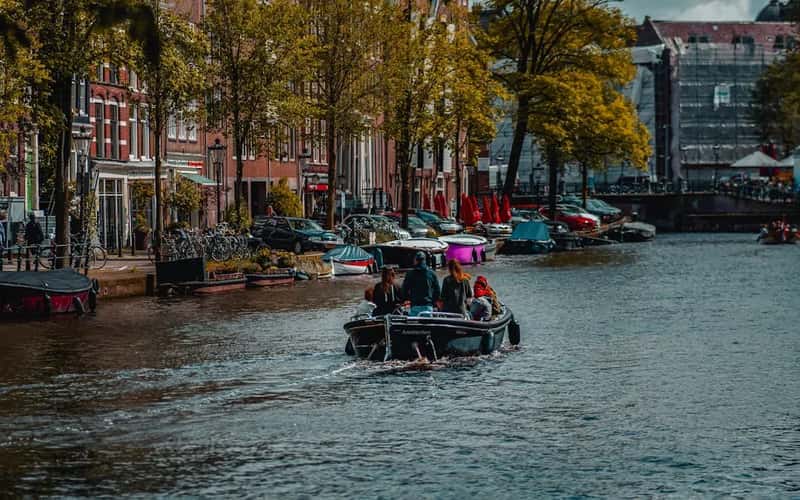
The Dutch speak excellent English. Nearly everyone does. Which means there’s no language barrier softening the edges of their frustration. The Netherlands stands out particularly because Dutch people generally speak excellent English, language barriers can’t explain the negative sentiment, and Dutch respondents cite American loudness, entitlement, and lack of awareness about local customs.
Nearly 40% of Dutch respondents said they hold a negative view of American tourists. That is a remarkably high number. Amsterdam went even further by taking direct action: the city launched an official “Stay Away” campaign in 2023, targeting visitors likely to misbehave, and intercepted actual tourist search queries like “pub crawl Amsterdam,” replacing results with city-issued warning videos showing tourists getting arrested and rushed to hospitals. That’s not subtle. That’s a city weaponizing Google against your vacation plans.
7. Denmark – Greenland in the Room
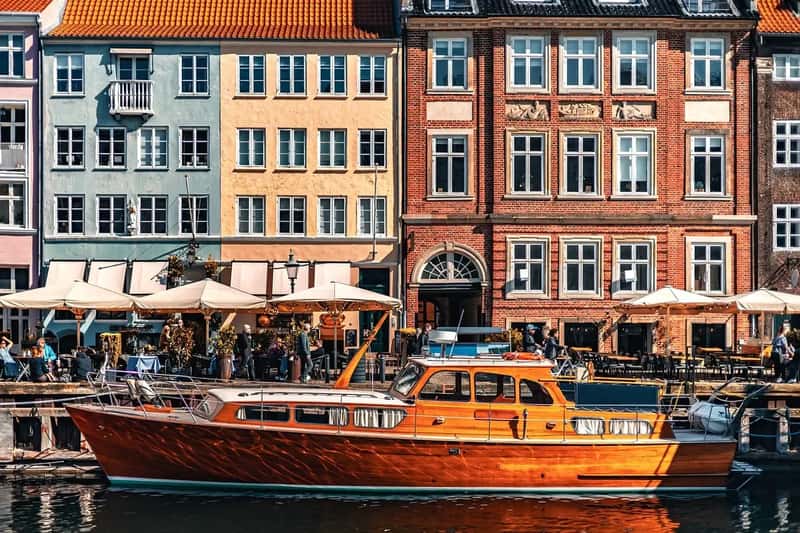
Denmark is a complicated case right now, and the complication has a name: Greenland. U.S. President Donald Trump’s ongoing threats to annex Greenland, a semiautonomous territory under the Kingdom of Denmark, have sparked an ongoing political and diplomatic firestorm, and unsurprisingly, some Americans have expressed fears of backlash while traveling abroad, especially to Greenland and Denmark.
According to recent data from YouGov, European favorability of the USA across seven major European countries has experienced a notable drop since Trump took office again, falling between 6 and 28 percentage points. The report states that opinion toward the U.S. is lowest in Denmark. That said, it’s important to note the nuance here. Polling in 2025 shows sharp declines in Danish favorability toward the United States, with YouGov reporting roughly 74% of Danes viewing the U.S. unfavorably in March 2025. The tourism board has tried to reassure visitors, with VisitDenmark data showing that travel to Denmark from the U.S. actually increased by 8.3% in 2025 compared to 2024. Still, the undercurrent of political tension is real and impossible to ignore at dinner conversations.
8. Portugal – The Annoyance Capital of Europe
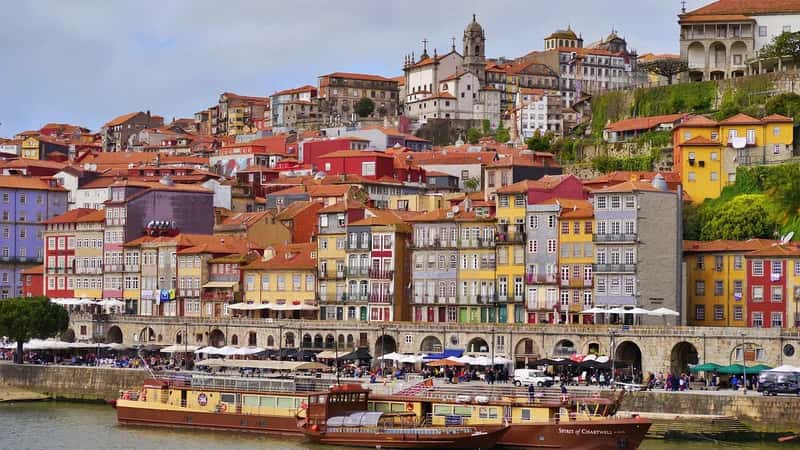
Portugal keeps turning up in European surveys in a very specific category: annoyance. Portugal tops annoyance charts at 18.8%, with Europeans citing noise from U.S. groups. Locals in Lisbon and the Algarve vent about ignored customs and English demands, and overtourism has fueled graffiti against visitors.
Portugal consistently ranks high for tourist annoyance despite being relatively welcoming overall. The issue seems to be behavioral rather than political. Locals report frustration with loud voices, lack of cultural awareness, and expectations that everyone should speak English. I think the Portugal situation is best described as a family argument: there’s warmth underneath, but you’ve got to earn it. 64% of locals still see friendliness in Americans overall, but trade tensions are amplifying the gripes as we head further into 2026.
9. Iran – A Legal, Logistical, and Political Labyrinth
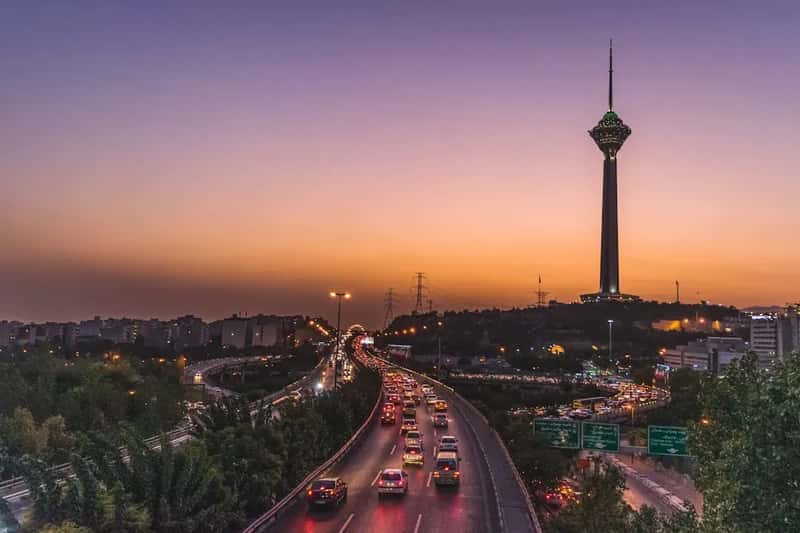
Iran sits in a category entirely its own. This isn’t about attitude or cultural friction. This is about hard legal restrictions, serious security risks, and one of the most fraught diplomatic relationships in modern history. The U.S. State Department issues a Level 4 “Do Not Travel” warning for Iran, citing risks of terrorism, civil unrest, kidnapping, arbitrary arrest of U.S. citizens, and wrongful detention.
The U.S. Department of State has determined that U.S. nationals are at serious risk of wrongful detention by the Government of Iran, with Iranian authorities continuing to unjustly detain U.S. nationals without warning or evidence of a crime, including dual U.S.-Iranian nationals, students, journalists, business travelers, academics, and people with U.S. military or government experience, often on charges of espionage or posing a threat to national security. For Americans who still wish to travel there, Americans need to apply for a visa in advance and cannot obtain a visa upon arrival, with the process involving submitting an application through a licensed travel agency forwarded to the Iranian Ministry of Foreign Affairs, taking up to 30 working days. Once inside, due to sanctions, American credit and debit cards do not work in Iran, and travelers need to bring sufficient cash for the duration of their stay.
The Bigger Picture

What’s happening here is bigger than any single country or political moment. The World Travel and Tourism Council projected that the United States will lose $12.5 billion in international visitor spending in 2025, making it the only country out of 184 economies analyzed that will see a decline that year. That’s a staggering figure. The relationship between a nation’s reputation and how its travelers are received abroad has never been more direct.
Political tensions, policy shifts, and changing global perceptions have created an environment where American passports don’t open doors quite like they used to. The good news, if there is any, is that most locals around the world still distinguish between a government and its people. International travel veterans advise that locals may have strong opinions about international policies, but they often distinguish between a country’s government and its citizens.
Travel has always been the best antidote to misunderstanding. The question is whether Americans are willing to show up with a little more curiosity, humility, and cultural awareness than the headlines might suggest they do. What would it take for that global welcome mat to be rolled back out?