There’s something magical about hitting the open road. Windows down, music playing, landscapes unfolding like scenes from a movie. Road trips have this way of making you feel alive, don’t they? They let you explore at your own pace, stop wherever curiosity strikes, and experience places in ways that trains and planes simply can’t match. Still, not every country offers the same kind of driving experience. Some places are built for epic journeys, while others come with challenges that might make you wish you’d stuck to public transport instead.
DiscoverCars.com analyzed over 250,000 tourist reviews from 2023 to 2024 to identify the world’s top scenic driving locations. Meanwhile, I think it’s worth considering both the stunning routes and the ones best avoided. Let’s dive in.
Norway: Where Fjords Meet the Open Road
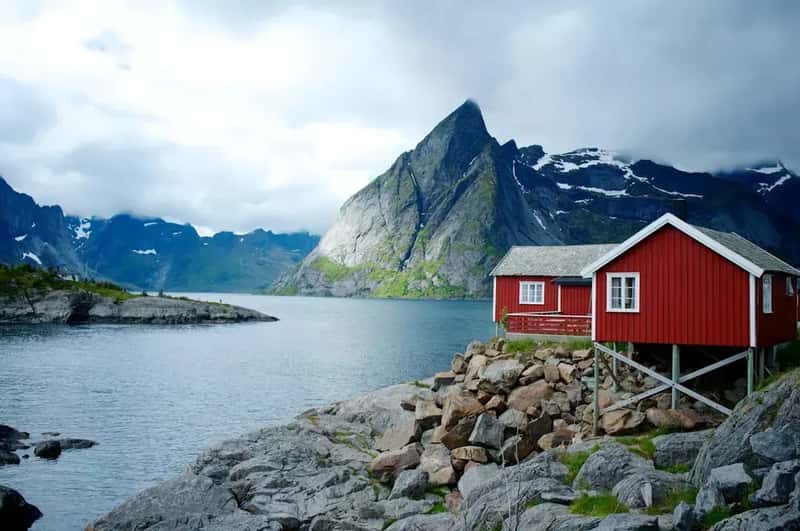
Norway boasts 18 designated national scenic routes, and honestly, each one feels like driving through a postcard. The Atlantic Road, which was featured in the James Bond film No Time to Die, connects the village of Kårvåg on Averøy Island with Bud on the mainland via eight low-lying bridges. The northern routes showcase majestic fjords with deep inlets flanked by towering mountains and steep cliffs. Northern Norway ranks as one of the most beautiful places travelers have visited, offering wild camping opportunities where you can witness the northern lights in remote locations. The roads are well-maintained, making navigation straightforward even through dramatic terrain.
Iceland: A Volcanic Wonderland on Wheels
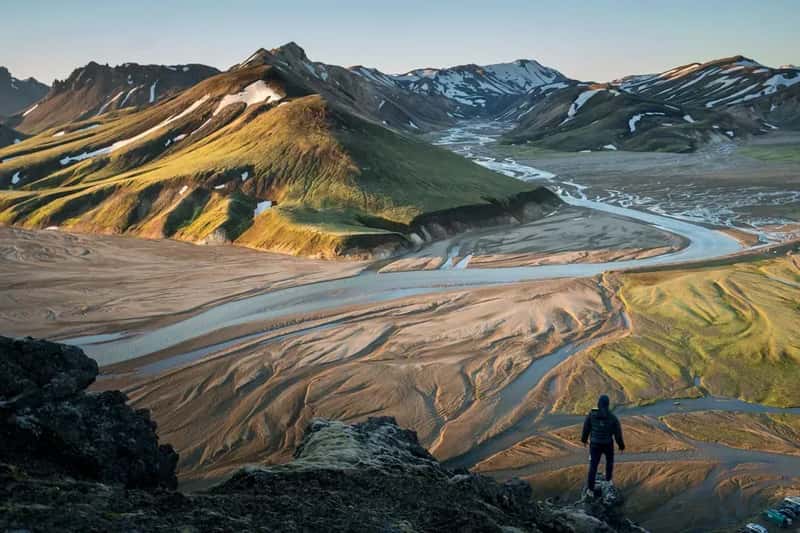
Iceland’s Ring Road, also known as Route 1, is the country’s main highway that circles the entire island at 1,300 kilometers, taking you through otherworldly landscapes from glacial lagoons and black-sand beaches to dramatic waterfalls and fjords. Iceland sits on the mid-Atlantic ridge where Earth’s crust is thin, creating a volcanic wonderland with black lava fields, sulphurous vents, and colourful mountains rising above crystal-blue lakes. Winter driving requires caution due to icy conditions, though summer offers nearly endless daylight for exploration.
New Zealand: Epic Scenery at Every Turn
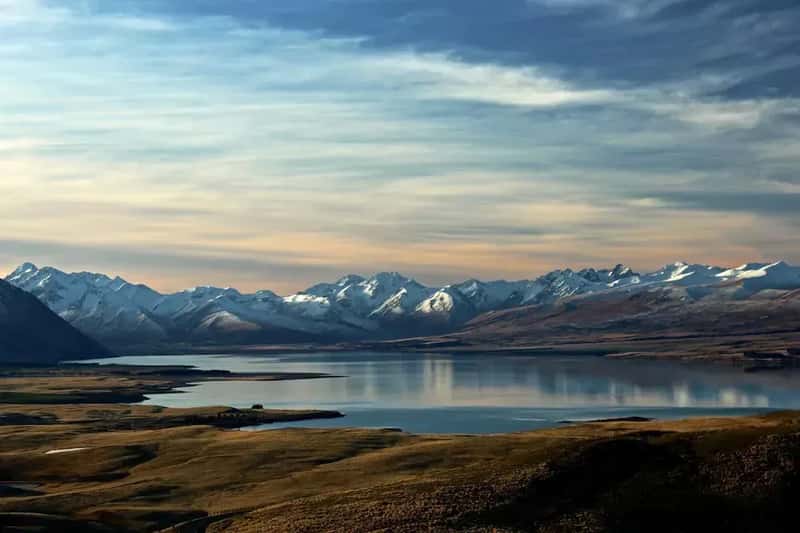
Milford Sound was described by Rudyard Kipling as the “eighth wonder of the world”, serving as just one highlight of New Zealand’s spectacular driving routes. The drive from Queenstown along State Highway 6 (the Southern Scenic Highway) and State Highway 94 takes just over four hours, offering waterfalls and alpine lakes framed by mountains. New Zealand received about 3.3 million international visitor arrivals in 2024, up 12 percent from the year before. The country’s well-maintained roads make it accessible for drivers of all experience levels, though the roads are often mountainous, winding and narrow due to the spectacular landscape, and they have deteriorated by over 9 percent in the past five years.
Slovenia: Europe’s Hidden Alpine Gem
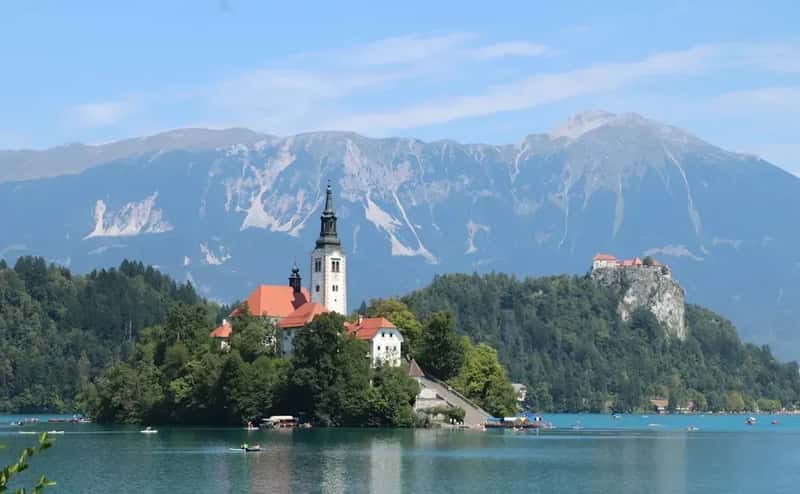
Out of all countries visited in 2023, Slovenia might have been the most impressive, according to travel photographers. The Julian Alps and Lake Bled are easily some of the most beautiful scenery anywhere in Europe. Driving the backroads in northwestern Slovenia is full of twists and turns with beautiful vistas and hidden gems alike. Slovenia recorded 68 road deaths or 32 per one million people in 2024, with police strictly enforcing traffic laws and high penalties for those who break them. The small country packs incredible diversity into a compact area, making it perfect for a week-long driving adventure through mountains, lakes, and charming medieval towns.
Switzerland and Austria: Alpine Perfection
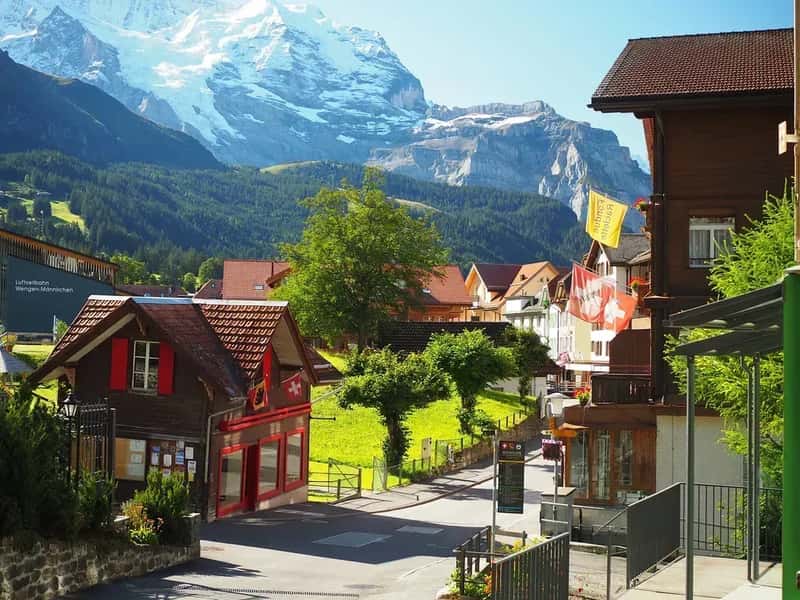
Swiss roads are only 0.4 points behind Dutch roads in quality rankings, and Switzerland has spectacular alpine drives such as the Furka Pass kept in good quality. The Austrian Alps provide one of the most scenic road trip views, with tunnels that open to epic landscapes. Roads in the European Union tend to be well maintained, and that goes for Austria and Switzerland, with very well developed roads that are easy to drive. Germany’s Alpine road stretches for 280 miles across the Alps from Lake Constance to Lake Königsee near Salzburg, Austria. The region offers crystal-clear lakes, hiking opportunities, and world-famous attractions like Neuschwanstein Castle. Tolls can be expensive, especially in Switzerland, though the road quality justifies the cost.
Scotland: Highlands and Coastal Magic
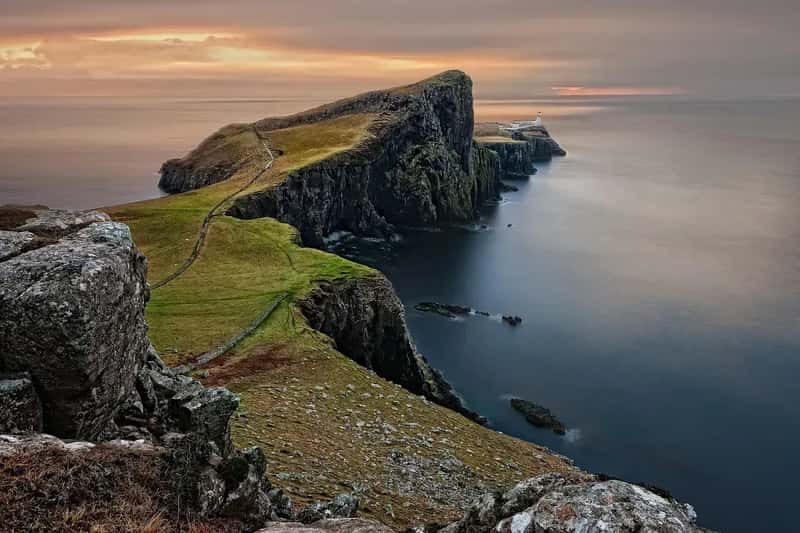
Scotland offers some of Europe’s most dramatic coastal and highland driving experiences. The North Coast 500 route has gained massive popularity in recent years, circling the northern Highlands through rugged coastlines, ancient castles, and whisky distilleries. Single-track roads with passing places add character to the journey, requiring patience and courtesy between drivers. The Isle of Skye provides otherworldly landscapes with fairy pools, dramatic cliffs, and medieval fortresses. Weather can be unpredictable, shifting from sunshine to rain within minutes, adding an element of adventure to every journey. The infrastructure is solid, though fuel stations become sparse in remote areas, requiring advance planning.
Croatia: Adriatic Coastal Beauty
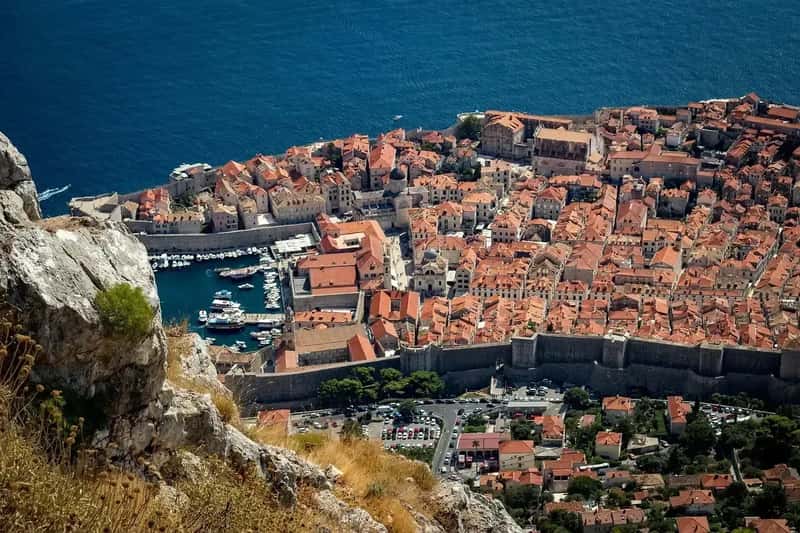
Croatia is one of the countries that most surprised travelers with its coastal beauty and well-maintained highways. The Dalmatian Coast highway hugs the Adriatic Sea, connecting historic cities like Dubrovnik, Split, and Zadar with crystal-clear waters and medieval architecture. Croatia’s main toll road is one of the smoothest highways encountered in all of Europe or North America. Island-hopping via car ferries adds another dimension to Croatian road trips, allowing exploration of places like Hvar and Korčula. Summer brings heavy tourist traffic, particularly around Dubrovnik, though shoulder seasons offer quieter roads with equally pleasant weather.
Skip This: Bulgaria (Highest EU Road Fatalities)
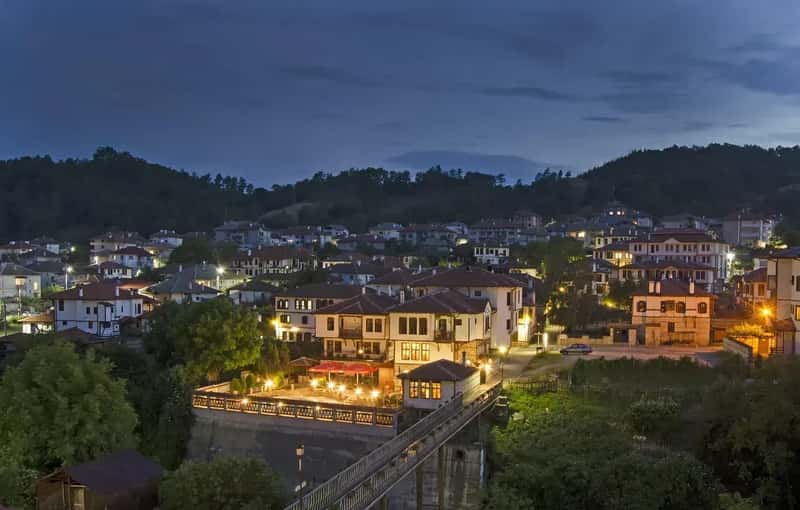
European Commission road safety statistics consistently rank Bulgaria as one of the most dangerous countries for driving within the EU. Bulgaria has emerged as Europe’s deadliest country for road deaths, with 81.6 deaths per million residents. The majority of road traffic deaths occur on rural roads, accounting for 52 percent of fatalities, while vulnerable road users like cyclists represent 10 percent of all fatalities. The higher motorway speed limit of 140 kilometers per hour exceeds the EU maximum of 130 kilometers per hour, contributing to dangerous conditions. Recent 2024 statistics confirm Bulgaria’s continued dangerous status, with the country suffering 79 percent more road deaths than the continental average. Poor lighting on rural roads at night and inconsistent enforcement of traffic laws make this a destination where public transport or guided tours are safer options.
Skip This: Thailand (Highest Global Road Death Rate)

Thailand holds the distinction of having the highest rate for road-related deaths globally, with 36.2 deaths per 100,000 population. Motorcycles account for more than 70 percent of all deadly road accidents, with Chiang Mai recording the highest number of accidents, followed by Bangkok. The country experiences about 31 fatalities per thousand kilometers of road, with 52 percent of vehicles being two-wheelers contributing significantly to the high fatality rate. Traffic laws are often loosely enforced, and driving standards vary dramatically between regions. While Thailand offers stunning landscapes from northern mountains to southern beaches, the risks associated with driving there outweigh the benefits for most travelers. Organized tours, trains, and domestic flights provide safer alternatives for exploring this beautiful country.
Did you expect Bulgaria and Thailand to top the list of places to avoid? It’s a reminder that the most beautiful destinations aren’t always the safest to navigate behind the wheel. What’s your dream road trip destination?