Ask most travelers to guess the world’s busiest airport, and they’ll probably say something in Asia or the Middle East, maybe Dubai or Tokyo. They’d be wrong. The title belongs to a sprawling complex just south of downtown Atlanta, Georgia, a place that has quietly dominated global aviation for nearly three decades running.
Hartsfield-Jackson Atlanta International Airport isn’t just busy. It’s in a league of its own, and the latest data confirms the gap between Atlanta and everyone else remains substantial. Understanding why this particular airport keeps winning says a lot about how modern air travel actually works.
Atlanta Retains Its Crown in 2025
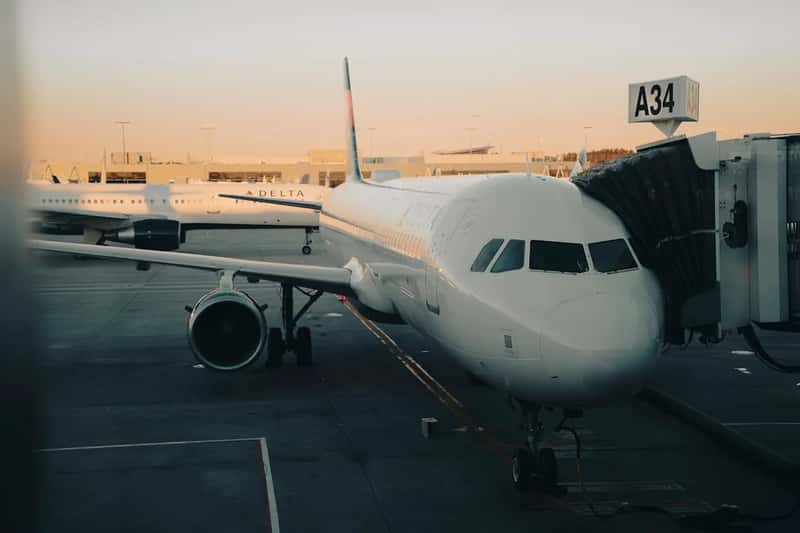
According to newly released figures from Airports Council International, Hartsfield-Jackson Atlanta remains 1st with 106.3 million passengers. That’s a staggering number when you consider it, and it puts Atlanta well ahead of the pack. Hartsfield-Jackson Atlanta International Airport handled 106.3 million passengers, making it the only airport in the world to cross the 100 million mark.
Delta Air Lines Built an Empire Here
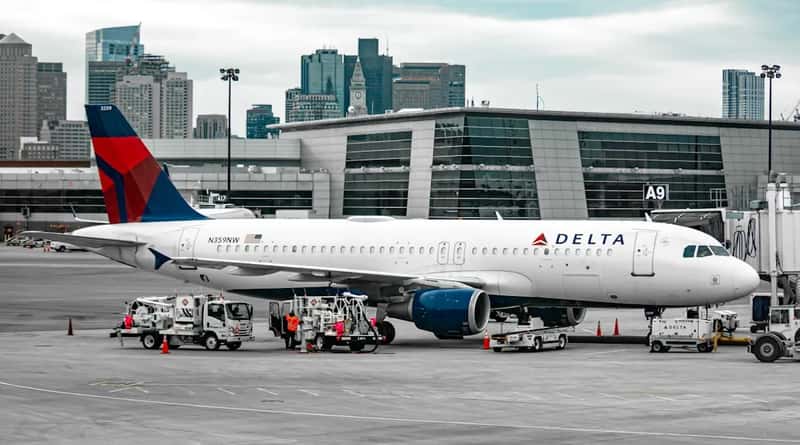
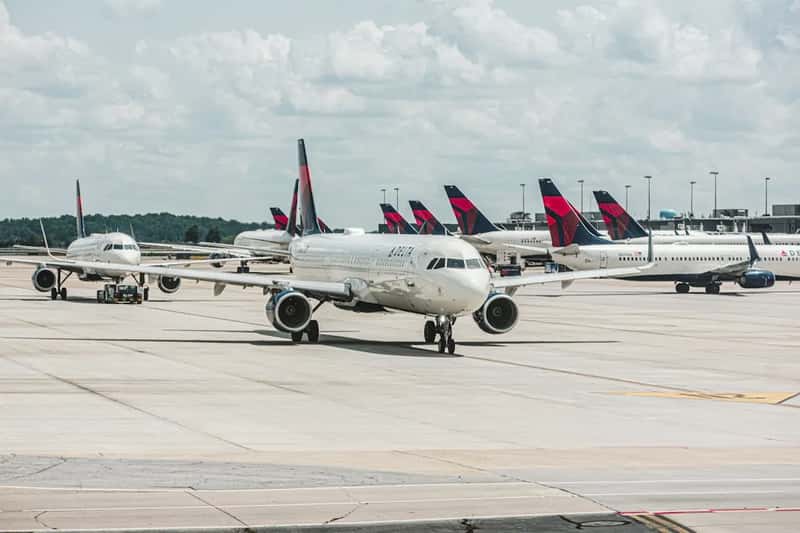
You can’t talk about Atlanta’s dominance without talking about Delta. Named after two former mayors, Hartsfield-Jackson serves as the main hub and headquarters for Delta Air Lines, the world’s top airline by both revenue and brand value. This isn’t a coincidence or a side detail. It’s the entire engine behind the airport’s traffic numbers.
The scale of Delta’s operation there is genuinely hard to overstate. Delta Air Lines remains the dominant carrier, operating roughly 75.13% of passenger volume in 2025. Frontier Airlines is a distant second at 4.90%. Southwest Airlines, Endeavor Air (operating for Delta), and Spirit Airlines round out the top five with 4.68%, 3.96% and 2.26% market share respectively. Few airports anywhere have a single carrier with that level of control over daily operations.
A Connecting Hub, Not a Final Destination

Part of Atlanta’s secret is that a huge portion of its passengers aren’t actually going to Atlanta. They’re just passing through on their way somewhere else. This connecting-hub model, where planes funnel through a central point rather than flying direct routes everywhere, is exactly what airlines like Delta rely on to maximize efficiency and profit.
The sheer volume of daily departures reflects that hub function perfectly. Smaller airlines like Frontier and Southwest also maintain operating bases at the airport. Consequently, more than 1,000 flights depart from Hartsfield-Jackson each day. With that kind of frequency, connections through Atlanta are almost always convenient, which keeps travelers and airlines coming back.
Location, Location, Location
Geography matters enormously in aviation, and Atlanta happens to sit in about as useful a spot as you could design. It’s within a two-hour flight of roughly 80 percent of the U.S. population, making it a natural midpoint for connecting flights between the Northeast, the Midwest, Florida, and Texas. That kind of central positioning is nearly impossible to replicate on the coasts.
This advantage compounds over time because airlines build their networks around efficiency, and efficiency favors airports that minimize detours. Once Delta established its hub structure decades ago, the geographic logic became self-reinforcing. Every new route added to Atlanta’s network made the airport more valuable as a connection point, which then attracted even more routes.
Domestic Muscle Over International Glamour
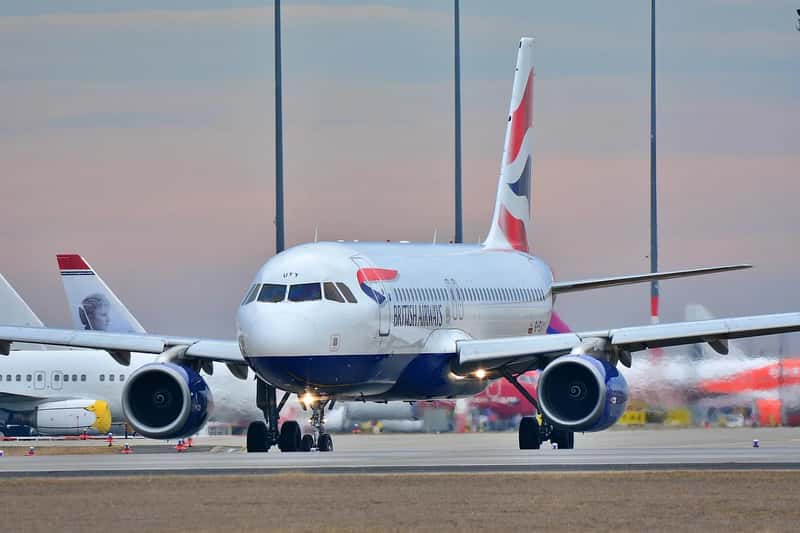
Unlike Dubai or London Heathrow, which thrive on long-haul international connections, Atlanta’s strength is overwhelmingly domestic. Domestic passengers (2025): 91.44 million (86% of total) International passengers (2025): 14.86 million (14% of total), up 1.57% year‑over‑year. That domestic weighting is a defining feature of the airport’s identity.
This pattern isn’t unique to Atlanta among American hubs either. Four airports in the top 10 are in the United States, reflecting continued market strength. They all have significant domestic passenger shares (80–95% domestic traffic). The sheer size of the U.S. domestic travel market gives American hub airports a built-in advantage that’s hard for international-focused hubs to match on raw passenger counts.
Runways, Efficiency, and a Slight Wrinkle
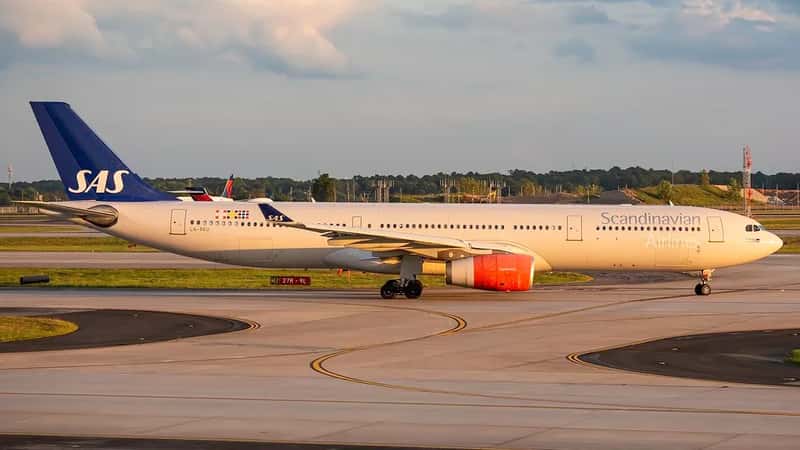
Atlanta’s operational scale extends well beyond passenger counts. The airport recorded a total of 805,268 aircraft operations (takeoffs and landings) in 2025, reflecting a strong level of activity. ATL recorded 805,268 aircraft operations in 2025, up from 796,224 in 2024. With five parallel runways, the airport is engineered specifically to handle this kind of relentless traffic flow.
Interestingly, Atlanta actually lost its long-held lead in one specific category this year. Although Atlanta is still the world’s busiest airport by passenger volume, it lost a long-held lead in aircraft movements. Chicago O’Hare took first place with over 857,000 takeoffs and landings during 2025, overtaking Atlanta with a 10.5% increase in movements. Atlanta recorded just over 807,000 aircraft movements, while Dallas/Fort Worth remained third. Even so, Atlanta simply packs more passengers onto each flight and each gate turn than its rivals, which keeps it on top where it counts most.
The Rest of the Global Top Ten
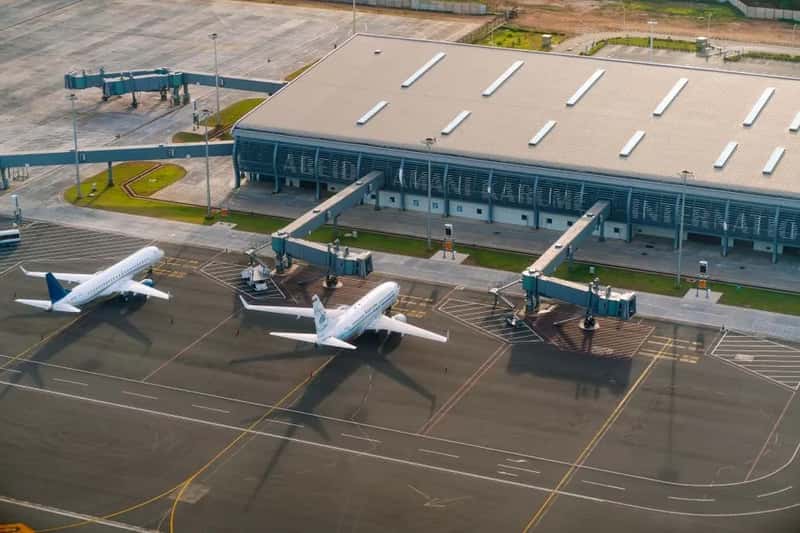
Atlanta’s lead over the field is significant but not enormous when you look at the numbers directly behind it. Dubai remains 2nd with 95.2 million passengers. Tokyo Haneda rises to 3rd with 91.7 million passengers. Rounding out the list, Dallas Fort Worth (No. 4) and Shanghai Pudong (No. 5) round out the top five.
An Economic Powerhouse for Georgia
The airport’s importance goes far beyond flight schedules and passenger tallies. It functions as one of the largest employment engines in the entire state. Hartsfield–Jackson employs about 55,300 people through airlines, ground transportation, concessions, security, the federal government, the City of Atlanta, and airport tenants; it is the largest employment center in Georgia. With a payroll of $2.4 billion, the airport has a direct and indirect economic impact of $3.2 billion on the local and regional economy and an annual regional economic impact of more than $19.8 billion.
State and city leaders have leaned into this identity, treating the airport as a point of civic pride rather than just infrastructure. Georgia Governor Brian P. Kemp said, “As home to the busiest airport in the world, Hartsfield-Jackson reinforces Georgia’s place as a global leader for investment, tourism, and trade. This recognition reflects the dedication of the airport workforce and the strong public-private partnership that keep our state connected to the world.” That kind of political and corporate investment has helped Atlanta maintain its edge over rivals that might otherwise catch up.
Uncertainty Looms for 2026
Even with Atlanta’s title secure for 2025, the broader aviation landscape looks shakier heading into the current year. 2026 has introduced more uncertainty for air travel. While traffic at the world’s airports was strong, a variety of factors at play last year, including geopolitics and a fragile global economy, are big unknowns in how air traffic will stack up in 2026. Rising fuel costs and shifting travel patterns could reshape rankings in ways that are hard to predict right now.
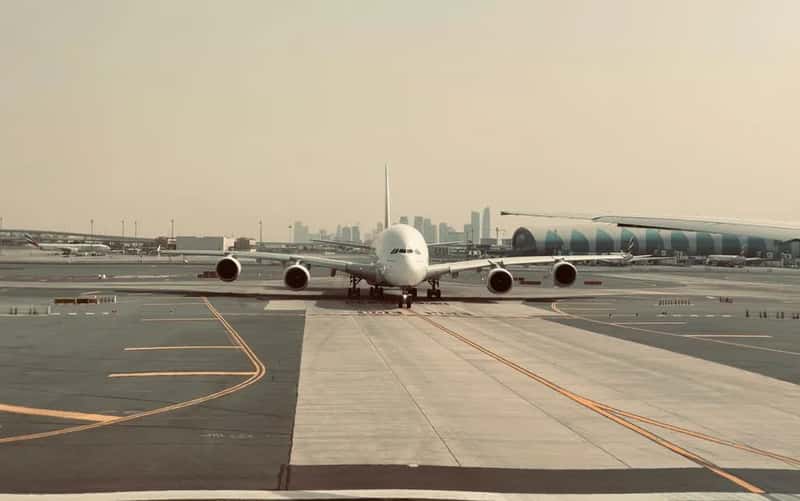
Dubai in particular has faced real turbulence this year that Atlanta hasn’t had to contend with. Dubai Airport, which holds the No. 1 ranking in a separate top 10 for international passengers, has suffered from major operational disruptions in 2026 since the start of the Middle East war, alongside other airports. But the war in the Middle East has caused significant disruptions this year. Atlanta’s largely domestic passenger base has, for now, insulated it from some of the geopolitical shocks rattling other global hubs.
A Century of Momentum Behind the Numbers

Looking back further, the airport actually reached a historic milestone even before its recent streak became well known. In 2015, Hartsfield–Jackson became the first airport in the world to serve 100 million passengers in a year. That achievement, paired with its continued growth since, shows an airport that hasn’t just held onto its title but has actively expanded the gap between itself and the competition over time.
So the next time someone guesses Dubai or Tokyo when asked about the world’s busiest airport, you’ll know the real answer sits quietly in the Georgia suburbs. Atlanta’s crown isn’t flashy, and it isn’t built on luxury lounges or record-breaking international routes. It’s built on relentless efficiency, a dominant hometown airline, and a location that puts most of America within easy reach. That combination has kept Hartsfield-Jackson at number one for nearly thirty years, and there’s no obvious sign of it slipping anytime soon.