
Tokyo – Among the dense residential zones and commuter routes of the capital’s western suburbs lies the Zushi-Onoji Historical and Environmental Conservation Area, a pocket of traditional countryside that continues to support endangered species and longstanding land practices. The site stands out because it maintains satoyama, the managed rural landscapes that have evolved through centuries of human activity in Japan. These areas once formed the backbone of many communities, blending farmland, woodlands, and water systems in ways that encouraged a wide range of plants and animals to thrive. **The Satoyama Landscape and Its Ecological Role** Satoyama landscapes developed over generations as residents cleared fields, maintained irrigation channels, and harvested timber and fuel in measured cycles. The resulting mosaic of habitats proved especially welcoming to species that adapted to periodic human intervention rather than untouched wilderness. Many of Japan’s native plants and animals still depend on these conditions. The Zushi-Onoji area continues to provide breeding sites and foraging grounds for several endangered species, offering a living example of how traditional management can sustain biodiversity even inside a major metropolis. Urban expansion and changing agricultural practices have reduced satoyama coverage across Japan since the middle of the twentieth century. In response, national and local authorities have directed resources toward protecting remaining examples, recognizing their value both for wildlife and for the transmission of practical ecological knowledge. **How Local Collaboration Shaped the Conservation Area** Early efforts to designate the Zushi-Onoji site encountered resistance from residents concerned about restrictions on land use. Over time, dialogue between community members and municipal officials produced a shared approach that balanced protection with continued traditional activities. Volunteers now participate in habitat maintenance, guided walks, and educational programs that pass satoyama techniques to younger generations. This ongoing involvement has helped the area retain its character while adapting to present-day pressures from surrounding development. The arrangement illustrates how conservation measures gain durability when they incorporate input from those who live and work on the land. Without such cooperation, top-down rules have often produced limited results in similar settings elsewhere in Japan and beyond. **Visiting the Zushi-Onoji Area** Travelers interested in Tokyo’s lesser-known natural heritage can reach the conservation area by public transport from central districts, then explore on foot along established paths. The setting offers a quiet contrast to the city’s high-rise districts and busy stations. Interpretive signs and occasional volunteer-led sessions explain the history of satoyama management and the species that depend on it. Visitors are encouraged to observe quietly and stay on marked routes to avoid disturbing sensitive habitats. Practical planning includes checking seasonal access and any temporary closures related to maintenance work. The site remains open year-round, though spring and autumn bring particularly noticeable displays of wildflowers and migrating birds. **What the Preservation Effort Means for the Future** Continued success at Zushi-Onoji depends on sustained cooperation between residents, local government, and visitors who respect the area’s rules. The model shows that even in one of the world’s largest cities, space can be kept for traditional landscapes that support both biodiversity and cultural continuity.
Tokyo's Hidden Satoyama: A Centuries-Old Rural Landscape Preserved in the Western Suburbs

Matthias Binder
August 23, 2026 · 3 min read

🔥 Would you like to save this?
We’ll email this post to you, so you can come back to it later.
Matthias Binder
Matthias a curious globetrotter who collects moments from night markets, coastlines, and tiny mountain villages. Plans trips around local food, scenic trains, and the best views at golden hour.
View Profile & ArticlesMore from Matthias Binder

Funding Shortfall Puts Laos Search for the Asian Unicorn at Risk
1 min read

Phoenix, Arizona Gets Lufthansa Munich Route Starting August 2027
1 min read
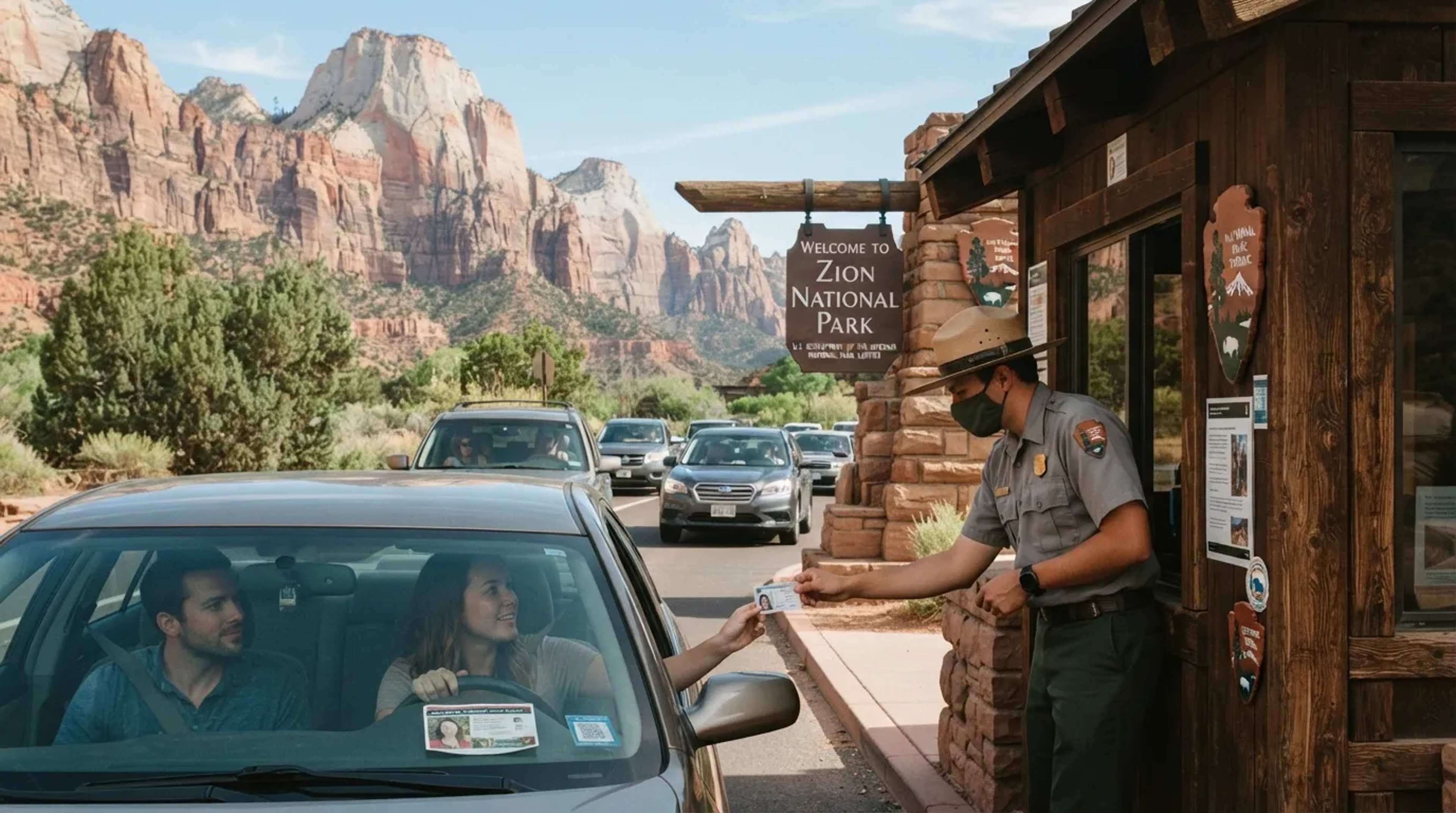
15 Charges at an American Park Gate That Travellers Over 70 Never Have to Pay
1 min read

17 Decisions Cabin Crew Make During a Long Delay That Passengers Never See Being Made
1 min read