Access to clean drinking water is one of the clearest divides between the world’s richest and poorest nations. Despite gains since 2015, one in four people globally – or 2.1 billion people – still lack access to safely managed drinking water, including 106 million who drink directly from untreated surface sources. At the same time, a handful of countries have built water systems so advanced that their tap water rivals bottled water in purity. The gap between these two realities is staggering, and it shapes public health, economic development, and daily life in ways that are hard to overstate.
1. Switzerland – Where the Alps Do the Filtering

Switzerland consistently ranks at the absolute top when it comes to tap water quality. According to the Environmental Performance Index (EPI) 2024, Switzerland scored a perfect 100 out of 100 in the categories of water quality and sanitation. The country’s water comes directly from underground springs and pristine alpine lakes, filtered naturally through layers of rock and sand. Roughly 80% of Swiss tap water requires zero chemical treatment before reaching your glass, as reported by the Swiss Federal Office for the Environment in their 2023 water quality report.
Switzerland tops comparison lists with its pristine, crystal-clear tap water. Thanks to the country’s rigorous purification processes and natural spring sources, Swiss tap water is often compared to bottled water in terms of purity. The combination of geography and governance is what sets Switzerland apart: alpine terrain acts as a natural purification system, and strict environmental laws ensure that no industrial activity is allowed to compromise the watershed. Turning on a tap anywhere in the country and drinking freely is not a privilege here – it’s simply a fact of daily life.
2. Iceland – Glacial Purity Straight From the Tap
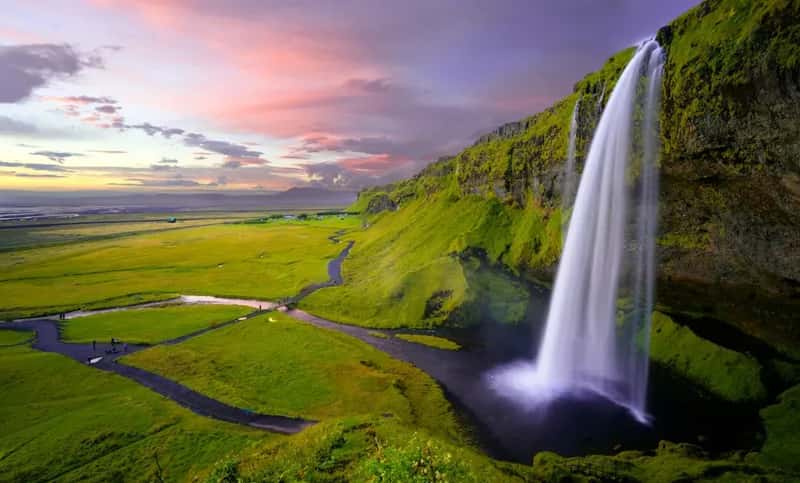
With a score of 98.5 on the 2024 Environmental Performance Index (EPI), Iceland ranks 10th globally for drinking water safety, just behind countries like Finland, Norway, and Switzerland. Most of Iceland’s drinking water – about 95% – comes from underground aquifers, natural reservoirs of water stored in permeable rock. These aquifers are constantly refilled by rainfall and glacial melt that filters through layers of volcanic rock.
Water utilities must submit regular water quality reports to the Environment Agency of Iceland, with 2024 records showing a 99.8% compliance rate with EU drinking water standards. The 2024 research from the Icelandic Glaciological Society found that glacial meltwater in Iceland contains some of the lowest concentrations of dissolved solids and contaminants in the world. Iceland’s low population density also plays a role – with just over 395,000 people in an area slightly smaller than the state of Kentucky, Iceland has one of the lowest population densities in Europe, meaning less human activity that could contaminate water sources.
3. Finland – A Perfect Score in Water and Sanitation
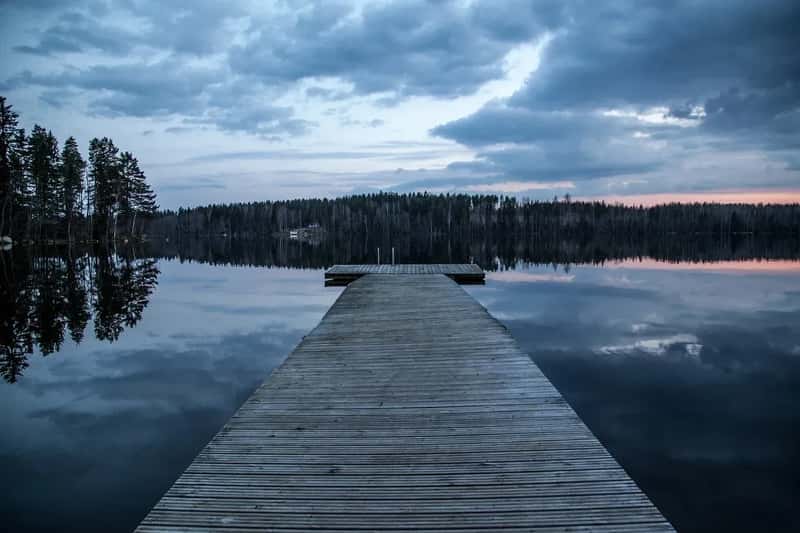
Finland takes fourth place on the 2024 Environmental Performance Index with an EPI score of 73.8, thanks to its long-standing commitment to environmental quality. The country earns a perfect 100.0 in both Sanitation and Drinking Water and Heavy Metals, showing top-tier performance in public health and pollution control. Finland boasts some of the cleanest tap water in the world, sourced from natural lakes and rivers.
Northern European countries dominate the EPI thanks to a combination of pristine water sources and strict regulations governing water sanitation practices. Finland’s water infrastructure is backed by a deeply ingrained national environmental ethic. Finland also performs strongly in ecosystem vitality, thanks to well-managed forests, protected natural areas, and clean air. With a deep cultural connection to nature and consistently forward-thinking policies, Finland sets an example of how sustainability can be seamlessly woven into everyday life.
4. Nigeria – Millions Without Safe Water in Africa’s Largest Nation
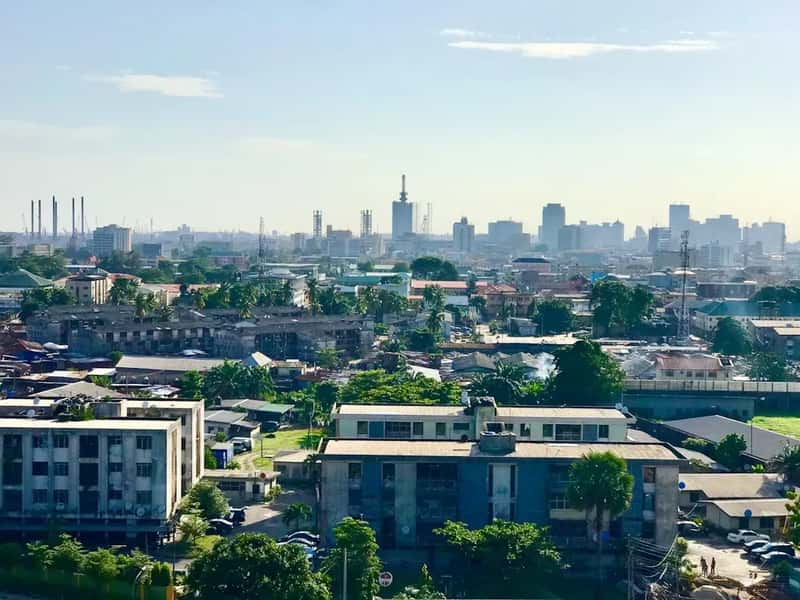
Over 400 million people in Africa and 110 million in Nigeria lack access to the basic right to safe drinkable water. Nigeria is located in Western Africa and ranks as a country where people are deeply deprived of accessing safe drinking water. In 2022, only 29% of the population had access to safe drinking water. The country’s rapid urban growth has far outpaced the development of water infrastructure, leaving tens of millions of city dwellers in informal settlements entirely without piped, clean water.
Countries like Nigeria suffer from water contamination due to poor infrastructure. Bacteria and parasites enter the water system and potentially cause gastrointestinal diseases. Tourists and locals alike are advised to drink bottled water or use purification methods. The African Region reported over 95,000 cases of cholera and more than 2,300 deaths between November 2022 and January 2023, with cases witnessed in countries including Nigeria, Ethiopia, Kenya, and several others. The crisis is not merely a matter of water scarcity – it is deeply tied to governance, infrastructure investment, and economic inequality.
5. Ethiopia – A Nation of 120 Million Facing a Water Emergency
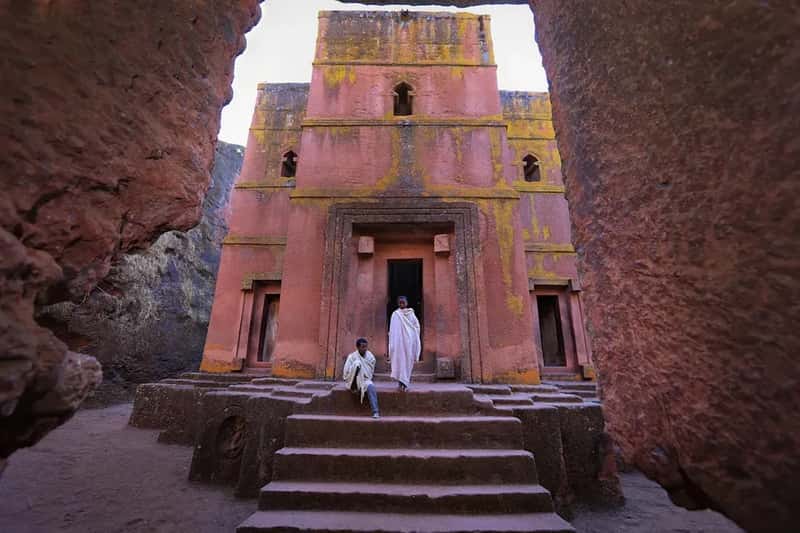
Ethiopia, which has a population of 120 million, is experiencing a serious water crisis, with over 64 million lacking basic access to clean water. Only 13.2% of the total population in Ethiopia could access safely managed drinking water in 2022, making safe drinking water access one of the lowest in the country. That figure is especially alarming given the country’s size and the pace at which its population is growing.
In Ethiopia, only 28% of the population with access to basic drinking water services was reported to have access to safely managed services, indicating that most of the improved drinking water sources in the region could be contaminated. The region is experiencing droughts and floods that threaten the quality and quantity of water. With cholera being endemic in the region, any extreme weather – whether droughts or floods – leads to outbreaks of cholera and other waterborne epidemics. For rural Ethiopians especially, the daily act of collecting water is a health risk, not a routine task.
6. Chad – Where Only a Fraction of the Population Has Safe Water
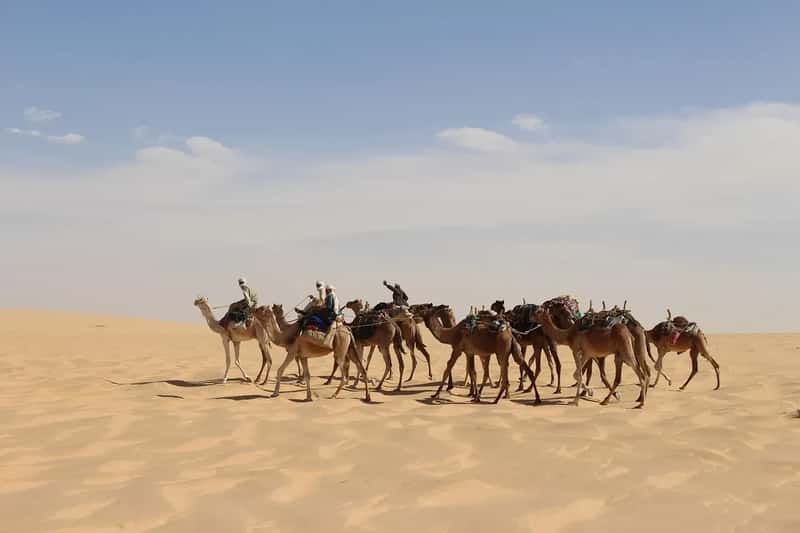
In the Central African Republic and Chad, only six percent of the population has access to safely managed drinking water, making them the countries in the world where the lowest share of the population has access to clean drinking water. Chad, a landlocked country, is experiencing acute food and water insecurity because of recurring droughts and refugee migrations. Roughly 54% of children do not have access to basic water services, and just one in ten has access to sanitary facilities. Approximately 44% of the population lacks access to safe drinking water, including hundreds of thousands of refugees in vulnerable host communities.
The number of people without access to water is actually growing in Sub-Saharan Africa. It is the only region of the world where this is happening. About 387 million people lived without access to basic drinking water services in Sub-Saharan Africa in 2020, up from 350 million in 2000. The WHO’s 2024 Global Water Quality Report revealed that roughly 2 billion people worldwide still consume water contaminated with feces, contributing to more than 485,000 diarrheal deaths each year. The story of Chad’s water crisis is, in many ways, the story of the wider global water emergency – one driven by climate, conflict, poverty, and a near-total absence of the infrastructure that wealthy nations take for granted.