Retirement math looks different depending on where you draw the map. For a growing number of Americans, the choice isn’t between retiring early or late, it’s between retiring on a fixed income at home or stretching that same income much further somewhere else. A monthly budget that barely covers rent in a mid-size U.S. city can, in the right country, cover housing, food, healthcare, and a genuinely comfortable daily routine.
None of the destinations below require a windfall or a six-figure nest egg. They require research, patience with paperwork, and a willingness to live a little differently than you might have imagined thirty years ago. Here’s where $900 a month still buys a real life.
1. Vietnam

Vietnam consistently ranks near the very bottom of global cost indexes, which for a retiree on a tight budget is exactly the point. Numbeo’s 2026 regional table for the Americas lists the United States at about 68.8, while comparable low-cost countries cluster far lower, mostly in the 20s and low 30s[1], and Vietnam sits among the cheapest of that group. A single retiree can expect to cover rent, meals, and transportation for roughly eight hundred dollars a month in most secondary cities, according to recent cost breakdowns.
Da Nang and Hoi An have become quiet favorites among retirees who want beaches without European price tags. Street food markets, motorbike taxis, and modest apartments outside the tourist core keep daily costs low without feeling like a sacrifice. Hanoi, Vietnam, is home to as many as 100,000 expats, and it has low rent, fresh local food and affordable healthcare[2], which gives newcomers an existing support network rather than a completely blank slate.
2. Nepal

Nepal rarely appears on glossy retirement brochures, yet it belongs in any honest conversation about ultra-low-cost living. Recent cost breakdowns for 2026 place Nepal’s cheapest livable budgets between $600 and $1,500 a month[3], with a single retiree comfortably managing on the lower end of that range. Kathmandu and the Pokhara valley offer modest apartments, inexpensive local produce, and a slower pace of life that many retirees describe as a relief rather than a hardship.
The trade-offs are real. Healthcare infrastructure is limited outside the capital, and English fluency, while present in tourist areas, isn’t universal. For retirees who value mountain scenery, low crowds, and a dramatically reduced cost of living over polished infrastructure, Nepal offers something few other countries can match at this price point.
3. Cambodia

Cambodia has quietly built a reputation among long-term expats as one of the easiest places to stretch a small pension. Cambodia runs roughly $750 to $1,100 a month for a couple[4], which typically puts a single retiree’s costs comfortably under nine hundred dollars once housing and food are accounted for. Phnom Penh and the coastal town of Kampot both offer that mix of affordability and convenience that keeps retirees returning year after year.
Visa access is another draw. Cambodia offers a retirement visa with no minimum income requirement[4], which removes one of the biggest bureaucratic hurdles retirees face elsewhere. Healthcare tends to run on a private, cash-pay basis, so travel insurance or a dedicated health fund is worth budgeting for separately from daily living costs.
4. Bolivia

Bolivia doesn’t get the attention that Mexico or Costa Rica receive, but its cost of living is hard to beat anywhere in South America. Bolivia’s cost of living starts from roughly $700 a month[5], and even accounting for rent and modest extras, a single retiree can typically stay under nine hundred dollars in cities like Cochabamba or Sucre. The altitude and colonial architecture give daily life a distinct character that feels far removed from typical retiree hubs.
The visa route is refreshingly simple. Bolivia offers a rentista visa requiring roughly $580 a month in verified income, with healthcare split between the public SUS system and private clinics[4]. Spanish fluency helps considerably here, since English is not widely spoken outside a handful of expat circles.
5. Malaysia

Malaysia occupies an unusual spot on most retirement rankings: it’s often the cheapest option on the list, yet rarely the flashiest headline. Malaysia is the cheapest country to retire on many comparison lists, at roughly $818 a month[6], and that figure typically includes rent, groceries, and basic healthcare in cities like Penang or Kuala Lumpur. Widespread English proficiency makes daily errands and medical visits far less stressful than in many other budget destinations.
Healthcare quality is a genuine strength here, not just an afterthought. Private hospitals in Penang and Kuala Lumpur are known for treating international patients at a fraction of U.S. prices, and the country’s long-running retirement visa program, though it has tightened its deposit requirements in recent years, still remains accessible to retirees who plan ahead. For retirees who want tropical weather and modern infrastructure without a European price tag, Malaysia is hard to overlook.
6. Ecuador
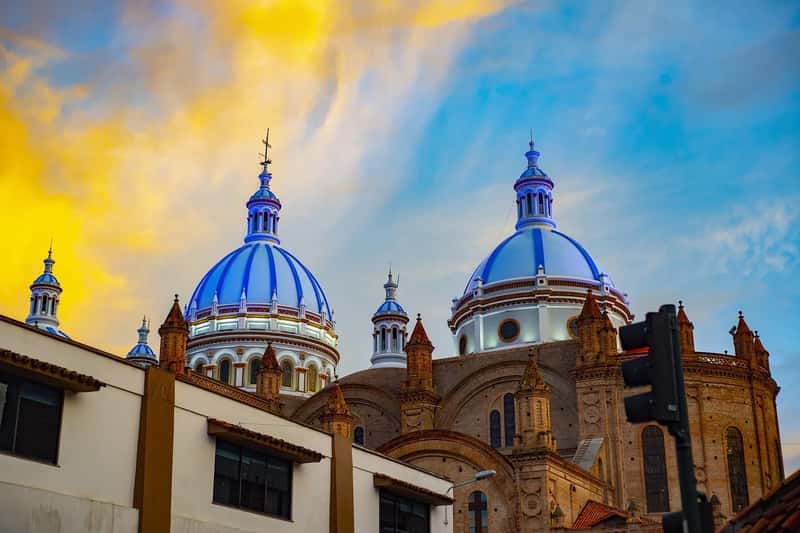
Ecuador has built a decades-long reputation as one of the most retiree-friendly countries in South America, and its lower end of affordability sits right around the nine-hundred-dollar mark. Ecuador’s cost of living starts from roughly $800 a month[5], with cities like Cuenca offering the mild, spring-like climate that keeps heating and cooling costs off the budget entirely. Mild, spring-like weather year-round means no need for heating or AC, and private healthcare remains highly affordable with world-class hospitals in major cities[7].
The country’s Jubilado retiree visa has historically been one of the more accessible options in the region, though income requirements have shifted over time and should be verified directly with Ecuadorian consular services before making plans. Tax incentives for retirees, including discounts on flights and utilities, add up over a year and help keep the nine-hundred-dollar figure realistic rather than aspirational. For retirees drawn to Andean scenery, colonial architecture, and a slower rhythm of life, Ecuador remains one of the most dependable choices on this list.
Nine hundred dollars a month will never buy a beachfront villa or a five-star hospital network everywhere you go. It will, in each of these six countries, buy a roof, regular meals, basic medical care, and enough left over for the occasional small luxury. The details of visas, healthcare access, and exchange rates shift from year to year, so anyone seriously considering the move should treat these figures as a starting point for deeper research rather than a final word.