You think they’re checking whether the bed looks neat. They’re not. By the time a housekeeping supervisor has taken two steps inside, they’ve already read the room’s whole story: who stayed, how they lived, and what needs fixing before anyone else sees it.
Some of what they catch is gross, some is oddly touching, and a few details are serious enough that staff are trained to report them. And the one thing supervisors say they notice most has nothing to do with dirt. Keep going, because it’s waiting at the very end.
#16 – The Faint Yellow Outline on Pillows That Gives Everything Away
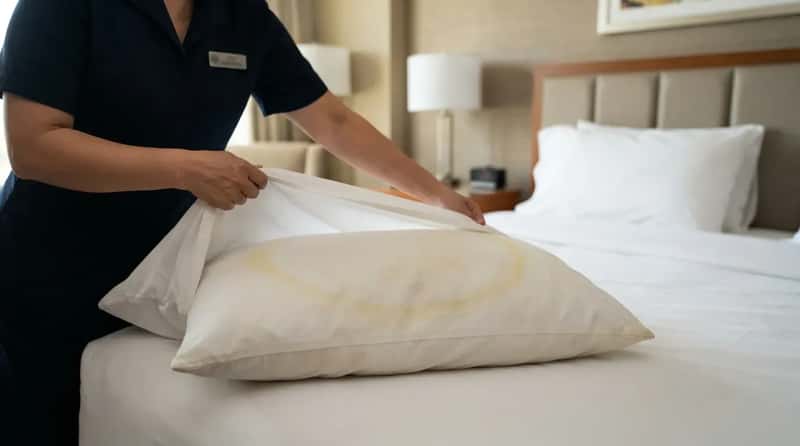
Supervisors say pillows get checked before the sheets do. A pillow without a protector can show discoloration that no amount of fluffing will hide. Sweat, hair products, and makeup soak in over time, and the stain settles right where a head rests.
That’s why many properties layer a protector under the pillowcase and replace pillows on a schedule. Plenty of supervisors will tell you a worn-out pillow says more about a hotel than the lobby ever could. The next spot is even smaller, and it’s the one that makes them stop cold.
#15 – Dark Specks in the Mattress Seams That Make Supervisors Stop Cold
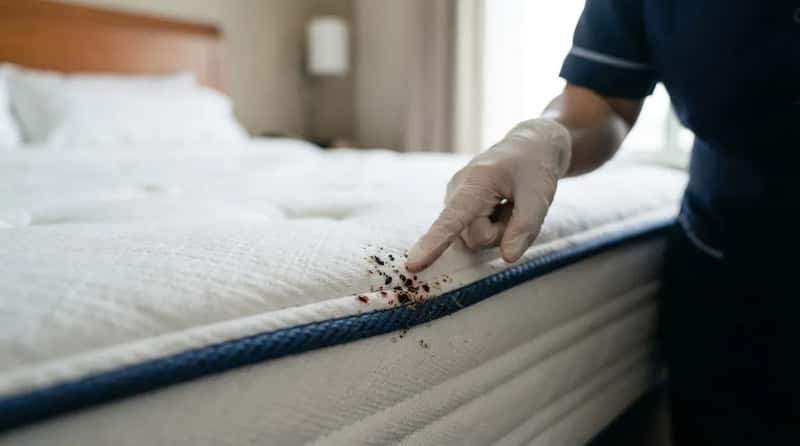
Bed bug checks are routine, not rare. Supervisors look along the piping and seams of the mattress, the box spring, and the headboard for anything that looks off. Adult bed bugs are about the size of an apple seed, and the U.S. Environmental Protection Agency lists rusty or reddish stains, dark spots, and shed skins as signs of an infestation.
If a supervisor spots anything suspicious, the room usually gets pulled from sale until it’s inspected. The guest in the next room never hears a word about it. But some warnings arrive before a supervisor even steps inside.
#14 – The Smell That Hits the Moment the Door Opens
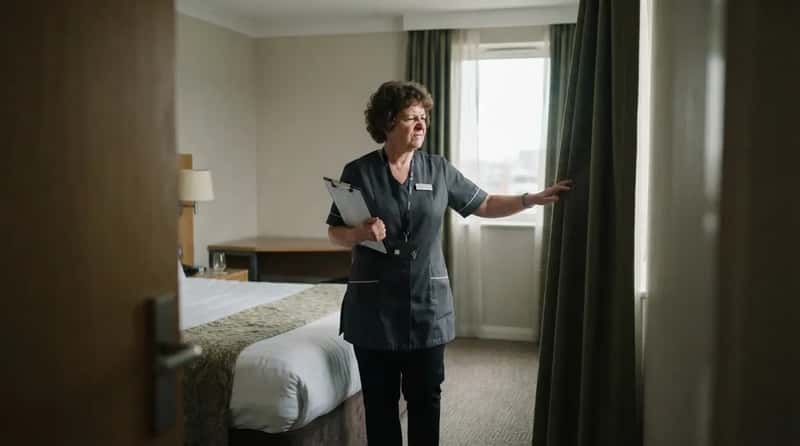
The nose gets to the room before the eyes do. Supervisors say smoke, vape residue, and cannabis are the odors they flag fastest. Many hotels charge cleaning fees in the hundreds of dollars for smoking in a non-smoking room, because smoke clings to curtains, carpet, and upholstery long after the window has been cracked open.
Air freshener doesn’t fool anyone in this business. A supervisor will lift the bedspread and press the curtains to confirm what the nose already told them. But there’s another odor on the list, and its cause is hidden.
#13 – The Musty Air and Foggy Windows That Point to a Hidden Moisture Problem
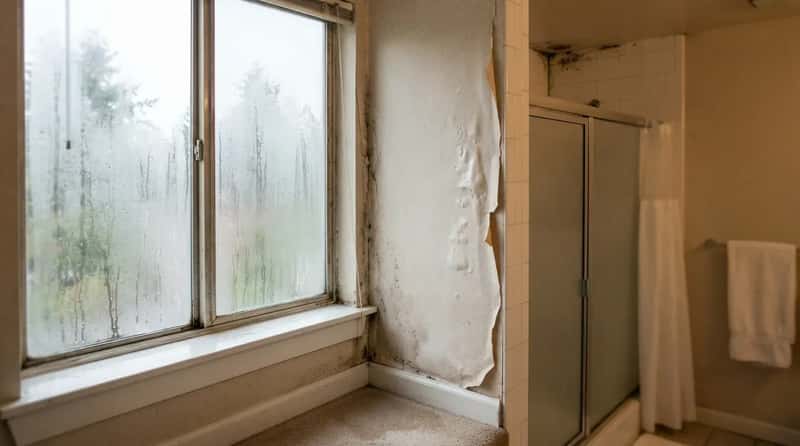
A damp, earthy smell tells supervisors something is wrong behind the walls or under the carpet. They scan for condensation on windows, peeling wallpaper corners, and dark spots near the bathroom ceiling. The EPA advises keeping indoor humidity below 60 percent to hold back mold growth.
A room with a musty smell often earns a maintenance ticket instead of a quick wipe-down. Supervisors say a room left with the AC blasting and the door sealed can make the problem worse. Next comes the item everyone touches and almost nobody scrubs.
#12 – The TV Remote and Light Switches Everyone Forgets Are Filthy
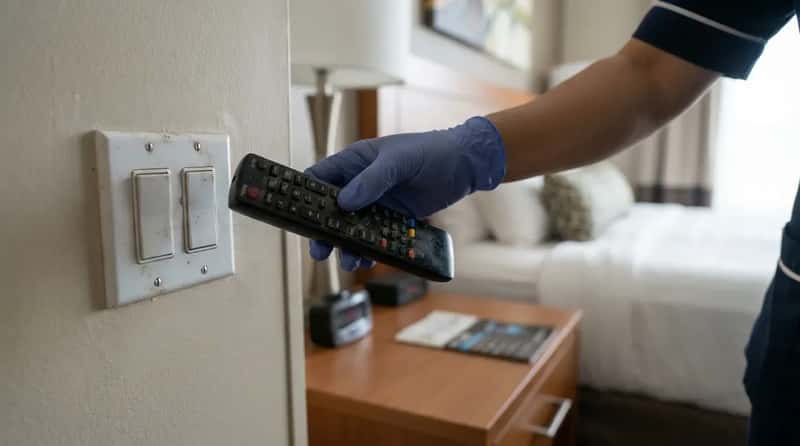
Supervisors keep a mental list of high-touch spots, and the remote tops it. Light switches, door handles, phones, and thermostats follow close behind. Swab tests reported over the years have repeatedly flagged the TV remote as one of the dirtiest items in a hotel room.
Good supervisors check these items by hand, not by eye. A remote can look perfect and still feel sticky, and that tiny tackiness is exactly what they’re listening for with their fingertips. Then there’s the bathroom, where the real pass-or-fail test happens.
#11 – The Hair in the Shower Drain That Fails a Room Instantly
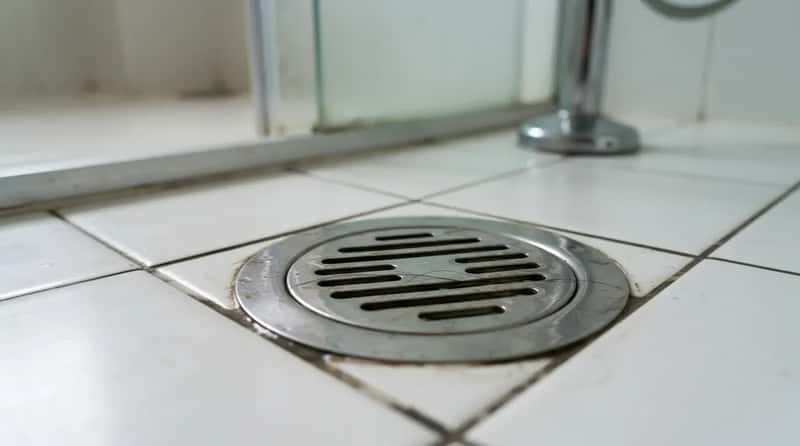
Bathrooms are where a room passes or fails. Supervisors check the shower drain, the grout lines, the base of the toilet, and the underside of the sink. A single stray hair can send an attendant back to redo the entire bathroom.
At a Glance
- Shower drain: the first stop, and the most common reason for a redo
- Grout lines: where discoloration and buildup like to hide
- Toilet base: a spot attendants often rush past
- Under the sink: checked by hand for grime and drips
It sounds harsh, but it’s a quality check, not nitpicking. Supervisors say they also look at mirrors and chrome fixtures from an angle, because streaks and water spots show up best from the side. Still, the strangest finds of all aren’t in the bathroom. They’re the things guests leave behind.
#10 – The Forgotten Items Guests Leave Behind (and the Ones They Never Come Back For)
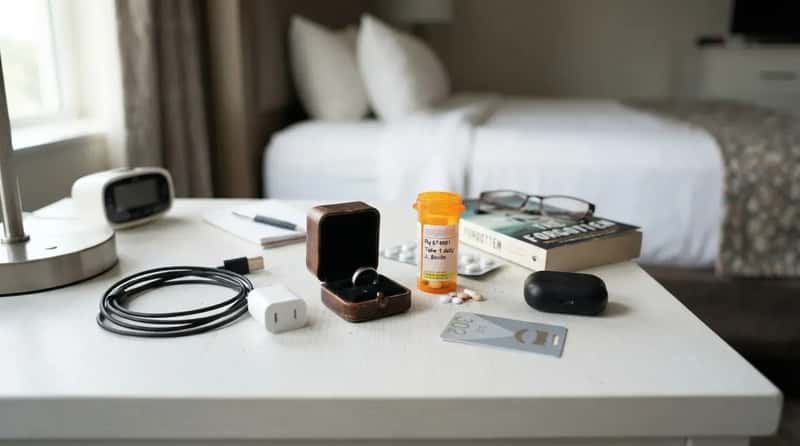
Supervisors see what guests leave: chargers, jewelry, medications, and sometimes things far more personal. Hotels typically log found items and hold them for a period set by their own policy. A forgotten phone charger is the classic, but wedding rings and prescription bottles are the finds that make staff rush to the phone.
Many hotels will ship an item for a fee, though not every property holds things for long. Housekeepers also notice a different kind of evidence on the linens.
#9 – The Towel Stains That Show Who Used Them for the Wrong Thing
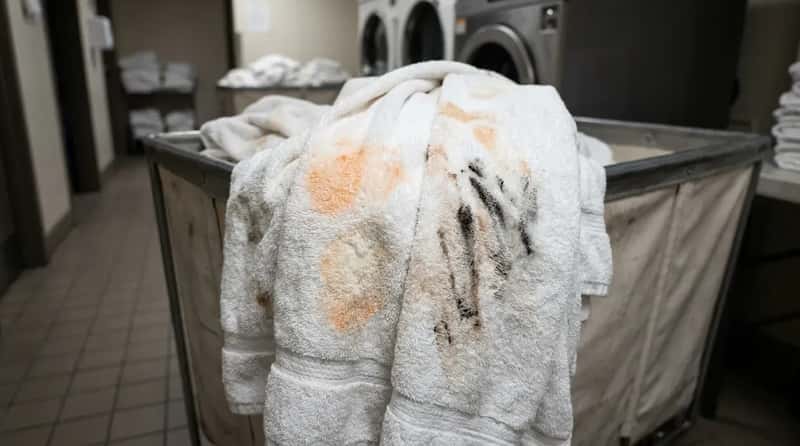
Orange or bleached patches on a white towel are a supervisor’s quiet clue. Acne products containing benzoyl peroxide can bleach fabric, and a single face wash can leave a permanent spot. Black smudges usually mean makeup, and shoe polish tells its own story.
Stained towels typically get pulled from rotation and demoted to rags. Across hundreds of rooms, that adds up fast. The wastebasket holds a more serious risk.
#8 – The Trash Bin Check That Staff Take Very Seriously
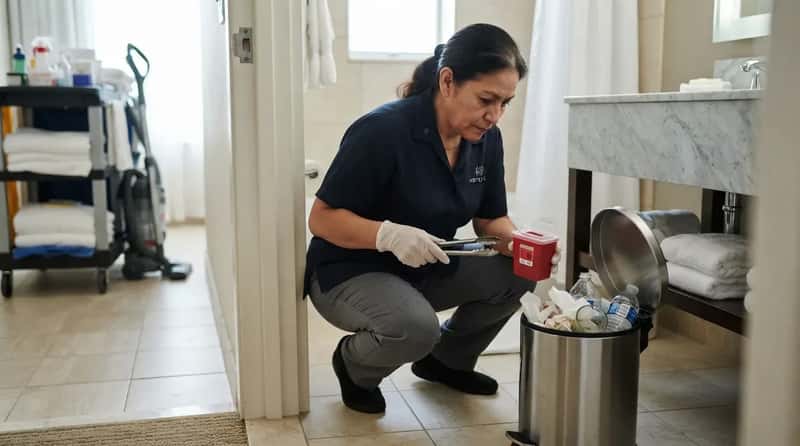
Housekeepers are trained to look before they reach. Loose needles, broken glass, and other sharps are a real hazard in a trash bin. The Occupational Safety and Health Administration’s bloodborne pathogens standard says contaminated sharps shouldn’t be picked up by hand, so staff are supposed to use tools like tongs or a brush and dustpan.
Worth Knowing
- Staff look into a bin before they put a hand anywhere near it
- Tongs, or a brush and dustpan, replace bare hands for anything sharp
- Many carts carry gloves and a sharps container for exactly this reason
- Anything hazardous is reported and handled through a set procedure
That’s why a sealed trash bag is a small kindness guests rarely think about. The next problem grows quietly while nobody’s looking.
#7 – The Tiny Drip Under the Sink That Becomes a Giant Repair Bill
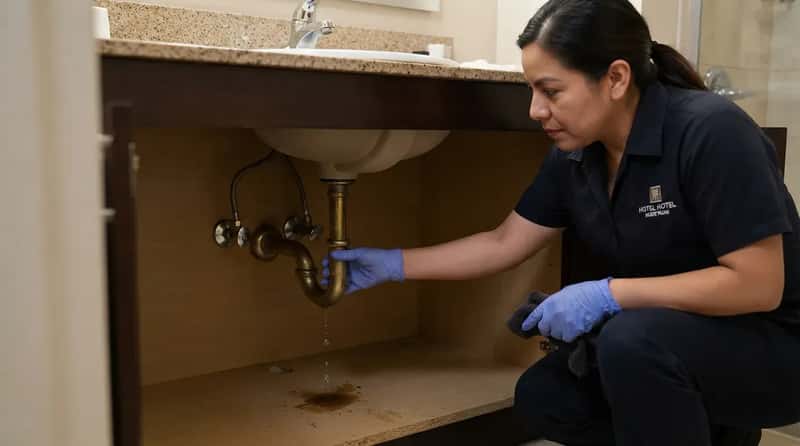
Supervisors run their hands under the sink. They check the base of the toilet for soft flooring and look at ceiling tiles for brown rings. A slow leak can go unnoticed for days before it ruins a floor or the room below.
These catches are why supervisors work so closely with maintenance. A running toilet is the easiest example, and housekeeping often reports it first. Now for the part of the room where guests assume nobody’s counting.
#6 – The Minibar and Robe Count That Guests Think Nobody Checks
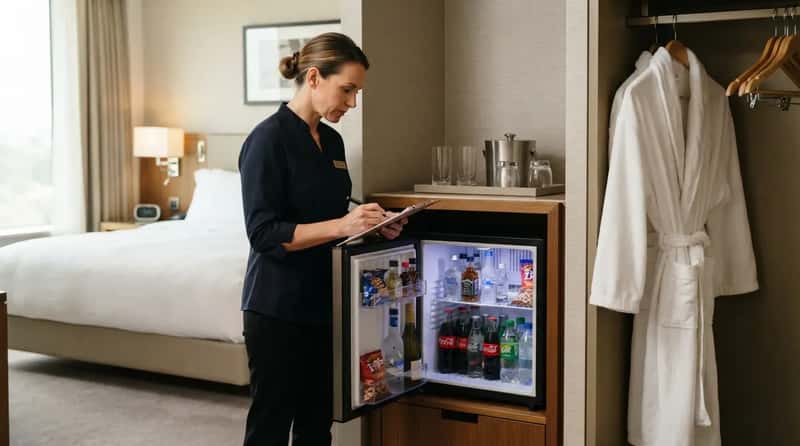
Supervisors do check. Minibar items, glasses, robes, hangers, and even the ice bucket lid are part of a standard list. A missing robe often shows up on a guest’s bill, and many hotels spell that out in the fine print.
Many properties now use sensors in minibars, but housekeeping still verifies stock. Some hotels have dropped minibars altogether because they’re costly to maintain. Supervisors tend to remember the honest guest who mentions a broken glass at checkout. Damage that’s harder to explain is next.
#5 – The Scuffs, Burns, and Wall Marks That Get Photographed Before the Next Guest Arrives
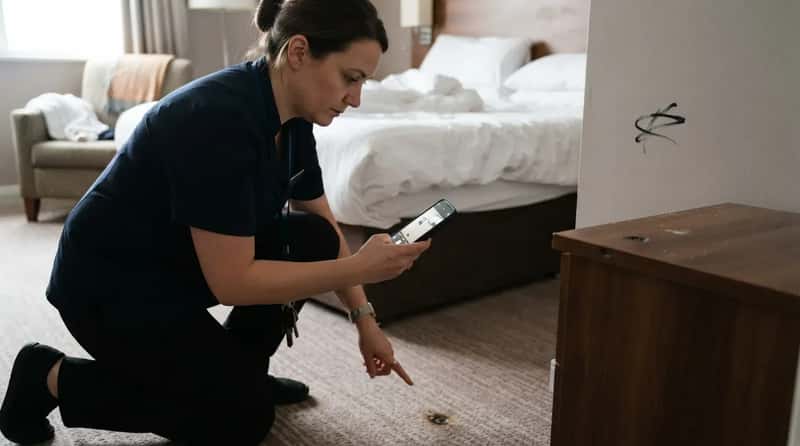
Furniture gets moved, and supervisors notice. Cigarette burns on the carpet, gouges in a nightstand, and marker on a wall all get documented. Photos taken at the time of cleaning are often the evidence a hotel relies on if there’s a damage dispute.
Most damage is small and accidental, and good hotels treat it that way. Supervisors say the thing that really stings is when it’s hidden rather than reported. Now for the one that starts arguments in every comment section.
#4 – The Cash on the Pillow Debate That Divides Housekeepers and Guests
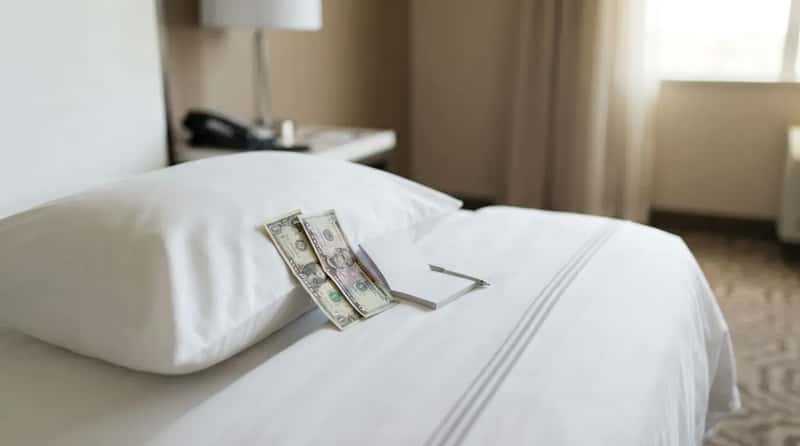
Tipping is one of the strangest things supervisors see. The American Hotel & Lodging Association’s “Check Out 4 Housekeepers” campaign suggests leaving $1 to $5 per night. It also says to leave it daily, because different staff may clean on different days.
Fast Facts
- Suggested range: $1 to $5 per night, per the AHLA campaign
- Timing: leave it each day, not in one lump sum at checkout
- Why daily: the person who cleans on Tuesday may not be the one who cleans on Thursday
- Clarity: a note marked for housekeeping keeps loose cash from looking forgotten
Some argue tipping shouldn’t be necessary at all and that hotels should pay enough to make it irrelevant. Others say it’s the one thing that reaches the person actually doing the work. Plenty of travelers still don’t realize it’s expected. Either way, the next entry is far more serious than money.
#3 – The Quiet Warning Signs That Staff Are Trained to Report
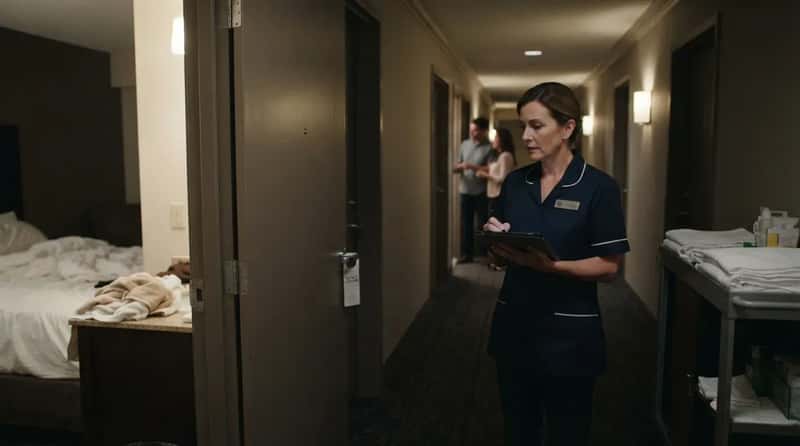
Housekeepers spend more time inside rooms than almost any other hotel staff, so they see things others don’t. Many hotel brands now train employees to spot signs of human trafficking. The National Human Trafficking Hotline, at 1-888-373-7888, is the number staff are often trained to pass along.
Signs training materials commonly point to include a guest refusing housekeeping for days while many visitors come and go. The goal is to report concerns, not to guess. A growing number of states and cities also require hotels to train their staff. The next entry is quieter, and it’s the one supervisors say stays with them.
#2 – The Welfare Concern Behind a Do Not Disturb Sign That Never Comes Down
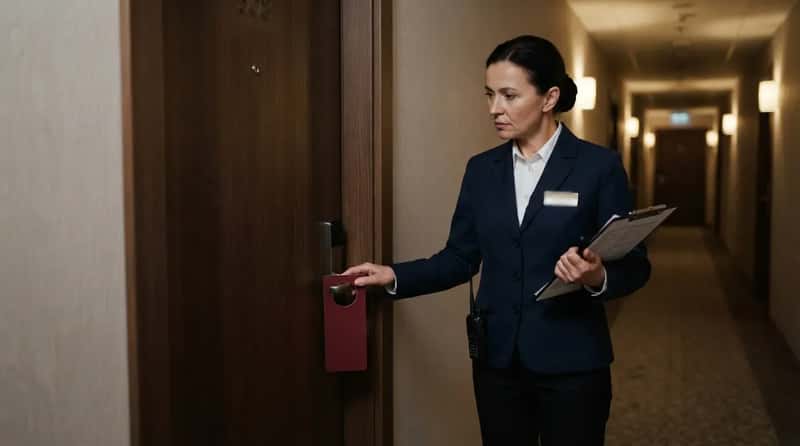
A hanging sign can mean a guest wants privacy. It can also mean something else entirely. Many hotels have policies to check on a guest after a sign has been up for a set number of days. The rules vary by property.
Why It Stands Out
- It’s about a person’s safety, not the state of the room
- The clue is time: a sign that stays up far longer than usual
- The response is calm: knock, announce, then escalate to a manager
- Most checks end with a sleepy guest, and staff are fine with that
The reason is simple: a medical emergency or a guest in distress can go unnoticed behind a closed door. Most of the time it’s just someone who slept in. But supervisors say they’d rather knock a hundred times than miss the one that matters.
#1 – The Small Acts of Kindness That Supervisors Remember Years Later
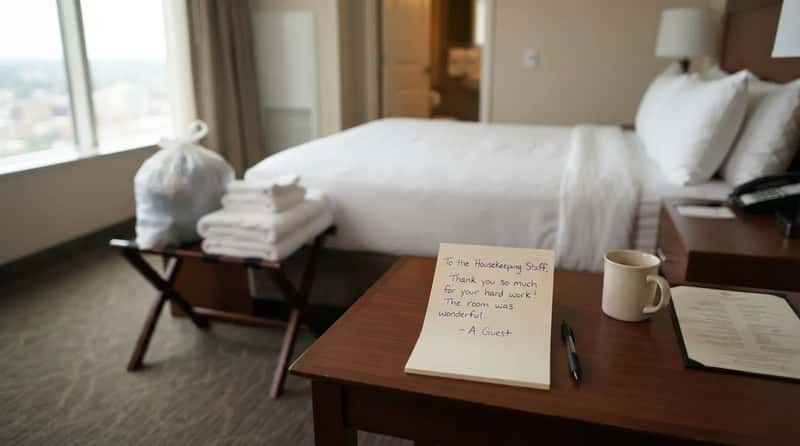
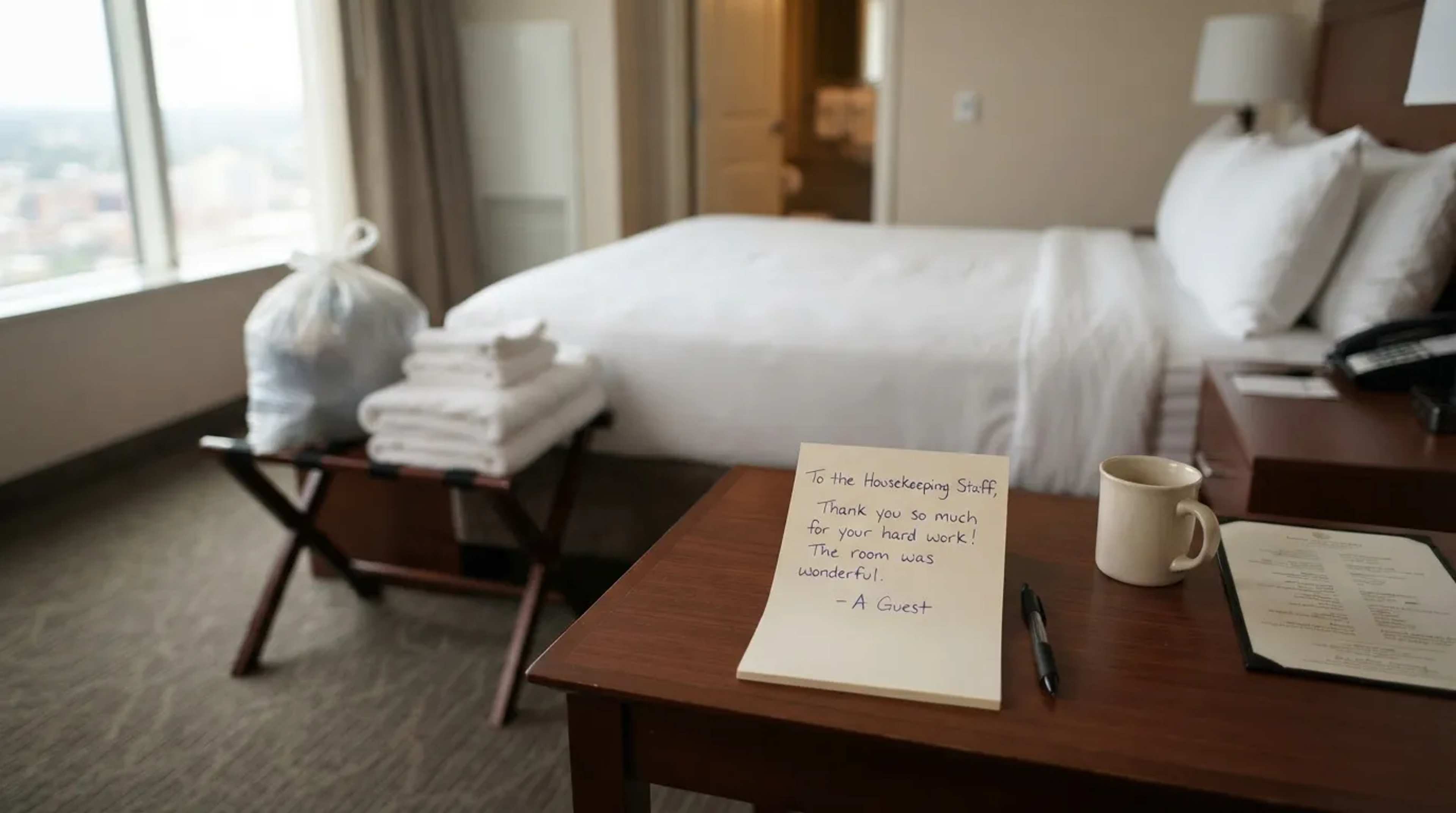
The thing a supervisor notices most isn’t a flaw. It’s a neat stack of used towels, a trash bag tied up by the door, or a handwritten thank-you. Housekeepers often say a short note is the detail that makes a long shift feel worth it. Those little gestures tell staff someone saw them.
Supervisors say these are the rooms they talk about in the break room. It costs a guest nothing, and it’s the one detail every housekeeper remembers.
Every room tells a story, and supervisors read it in seconds. They catch the smells, the stains, the slow leaks, and the signs that someone might need help.
The biggest detail of all is usually the smallest: proof that the person before them was treated like a person. That’s the line they remember long after the sheets are changed.