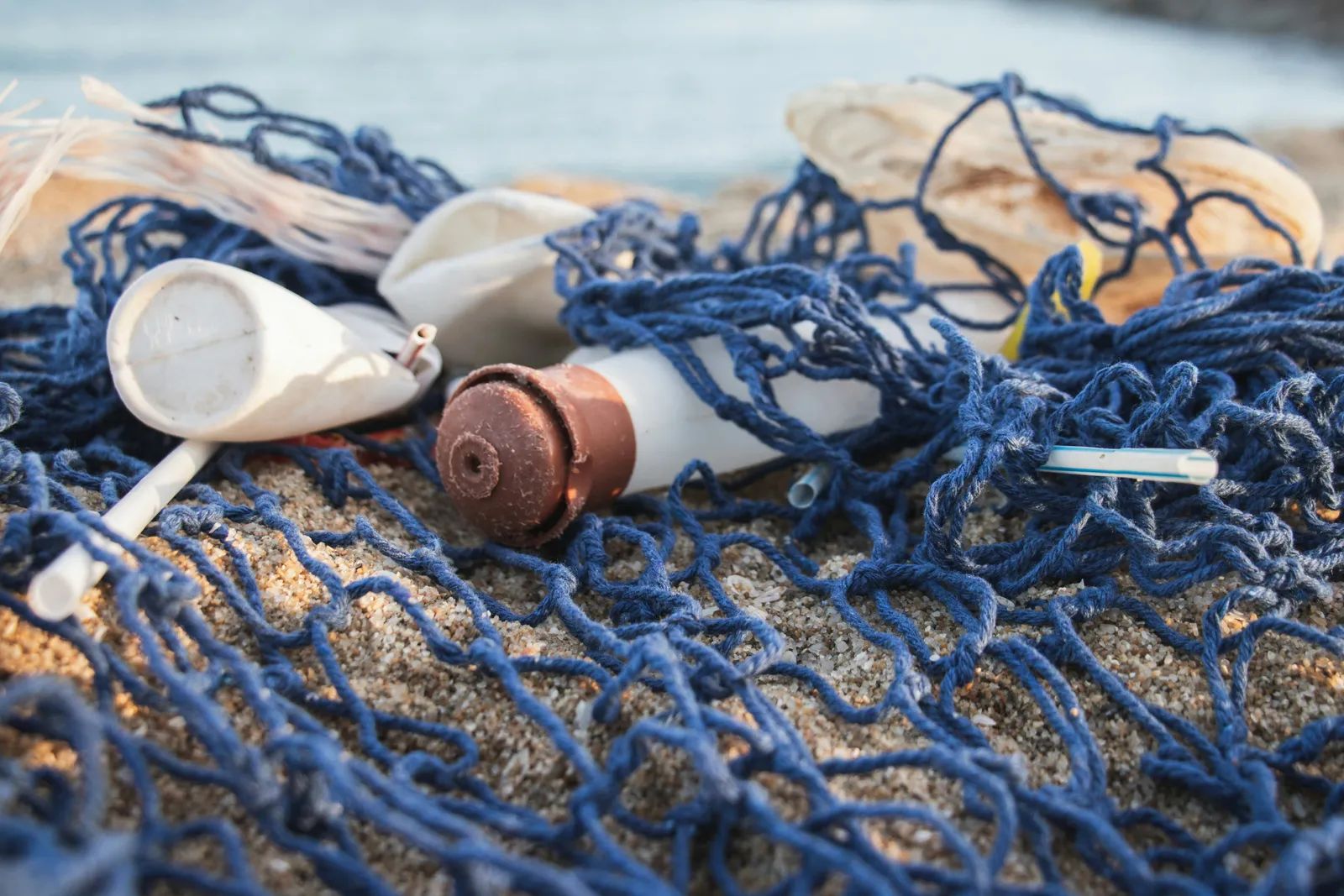
Port Loko, Sierra Leone – On a rainy Saturday morning at Mahera Beach, fishers sheltered in a wooden structure and waited for the weather to clear. Plastic litter lay across the sand around them, and for some of the men, it has become a problem that reaches into their nets. The situation was documented in a report by Mongabay ([1]), which focused on the daily strain that waste places on local fishing families.
A net that fills with waste
Sheriff Kamara, a 57-year-old fisher, remembers a time when his net held little besides fish. That has changed. He told Mongabay that plastic now turns up weekly, and sometimes every day, which he described as a serious shift in his working life.
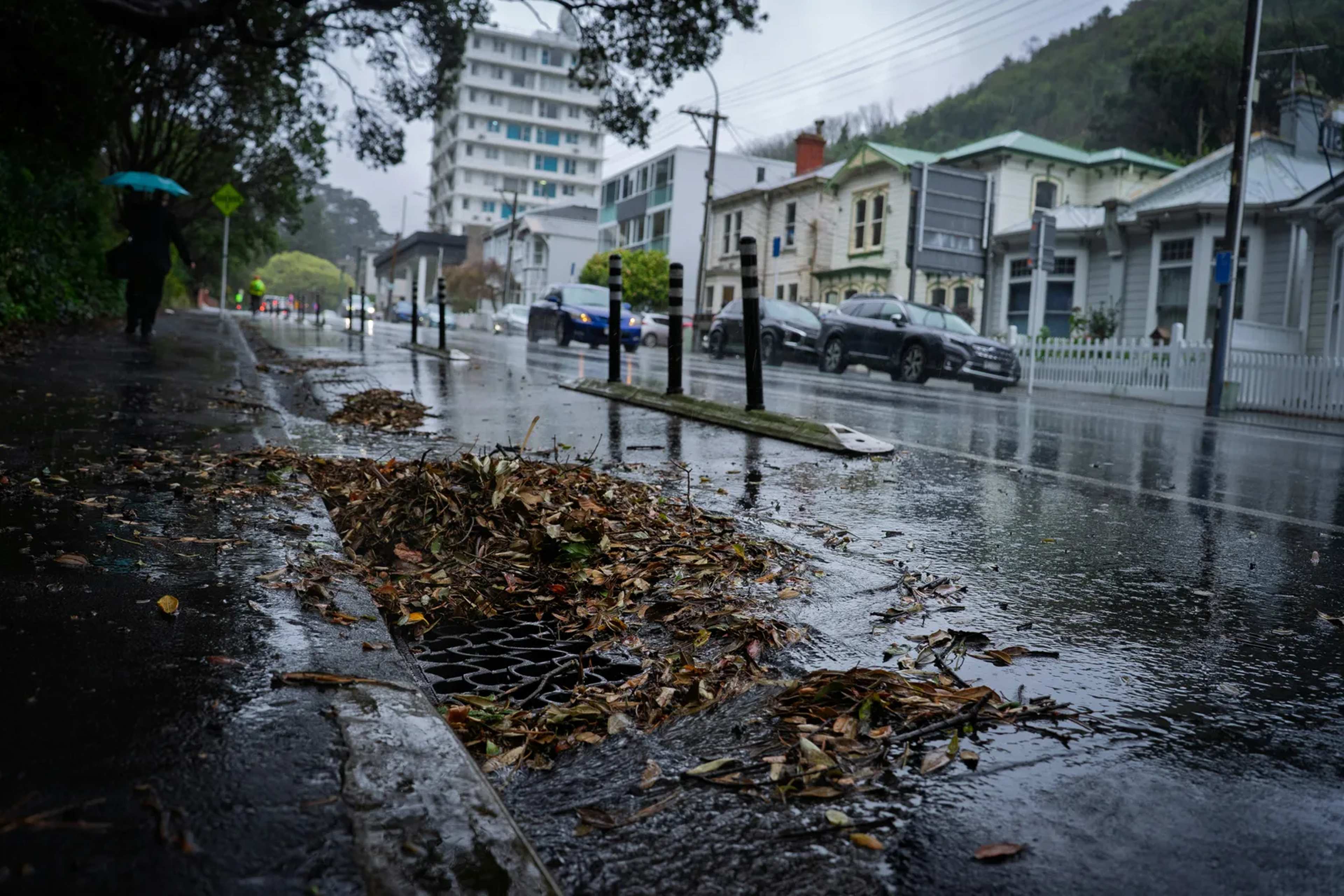
Much of the debris appears to arrive after heavy rain. Single-use items wash toward the shore and become tangled in nets set close to land. The beach itself offers a clear view of what is coming ashore, with items including:
- Plastic bottles and water sachets
- Plastic bags and food wrappers
- Old footwear and pieces of foam
Hours lost to untangling the catch
Clearing the waste is slow work. Kamara said that removing the plastic, with help from his apprentice, takes a great deal of time, and he finds some form of plastic in his net almost every week. Each hour spent picking litter from the mesh is an hour not spent at sea or selling a catch.
For a small-scale fisher, the cost does not show up in a national statistic. It shows up in fewer hours on the water, in the effort needed to get a catch to market, and in the steady pressure on a livelihood that depends on clean fishing grounds.
What fishers on Mahera Beach are dealing with
Waste is not an occasional nuisance here. It arrives with regularity, it is worst after rain, and it adds manual labor to every trip. For fishers, plastic pollution is a day-to-day cost to their work.
A 10-year strategy on paper
The government responded to fishing communities in 2025 by launching a fisheries and marine resources strategy. The plan sets a 10-year framework covering sustainable fisheries management, the protection of marine ecosystems and improved livelihoods for people who depend on the sea. It also calls for sustainable use of marine resources and stronger protection for the fisheries sector.
Related Stories From Travelbinger

The reporting does not say how the strategy would address waste that washes onto beaches like Mahera. That gap matters to fishers who see the effects directly. A framework can set goals for ecosystems and livelihoods, but the practical question for people like Kamara is whether those goals will reach the shoreline where their nets come up heavy with plastic.
What the shoreline shows
At Mahera, the trouble is easy to see. Bottles, sachets and wrappers gather at the water’s edge, and fishers pull them from the same nets that once carried fish. Kamara’s account makes clear that the burden falls on people whose income depends on what comes out of the sea, and the beach is where that burden is most visible.