There’s a certain confidence that seasoned hotel guests carry without even trying. It shows up in how they hand over their key card, how they tip, how they talk to the person at the front desk. None of it is loud or showy. It’s the small stuff that gives people away, and most of it has nothing to do with money or wardrobe.
Luxury hotels are quiet places where staff notice everything, even when they pretend not to. The good news is that none of these habits are hard to fix once you know they’re happening.
1. Announcing your loyalty status the moment you check in

Walking up to the desk and immediately mentioning your elite tier, your points balance, or how many nights you’ve stayed at the brand this year is one of the fastest tells that someone is new to this level of travel. Seasoned guests let their profile speak for itself. The system already flags status on arrival, so front desk staff know exactly who they’re dealing with before you say a word.
Leading with the announcement can come across as trying to prove something rather than simply being a guest. It also tends to set an oddly transactional tone right from the start of the stay. A calmer approach, just handing over an ID and confirmation number, tends to get noticed for the right reasons instead.
2. Tipping the wrong amount, or not tipping quietly

Tipping culture at luxury properties has its own quiet rhythm, and getting it wrong is one of the clearest signals of inexperience. Housekeeping recommendations generally start at five dollars per night, with higher amounts for suites or late checkouts, and luxury hotels commonly see ten to twenty dollars per night.[1] Bell staff and valets have their own norms too, and bell staff are typically tipped one to five dollars per bag while valets receive two to five dollars when the car is dropped off and returned[1].
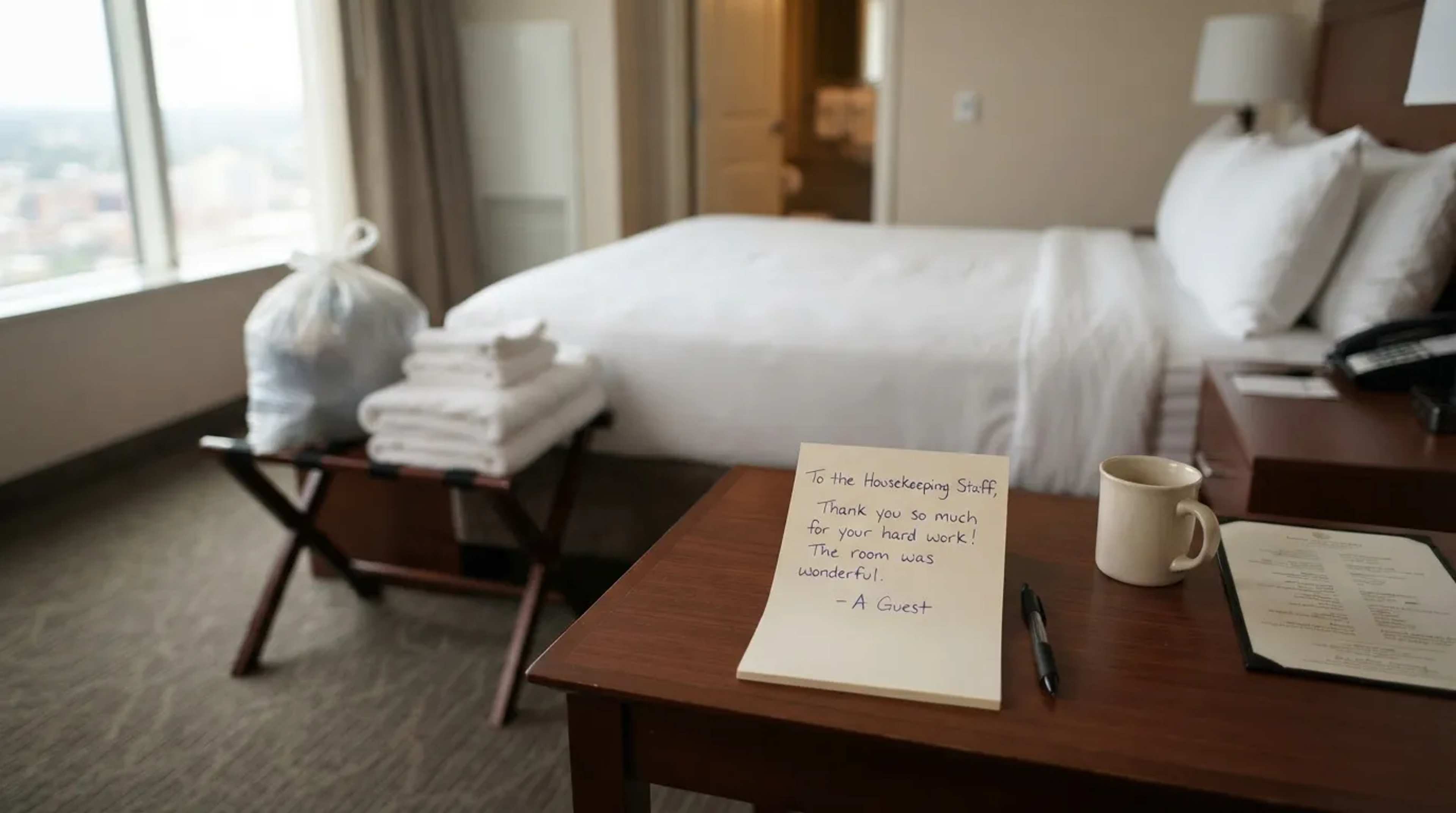
The bigger giveaway isn’t the amount, though. It’s how the tip is delivered. When you tip, do it quietly, and housekeeping often appreciates an envelope or a short note.[2] Handing over cash with a flourish or announcing the amount out loud reads as performative rather than gracious, and staff tend to remember guests who keep gratuity understated.
3. Treating the concierge like a search engine
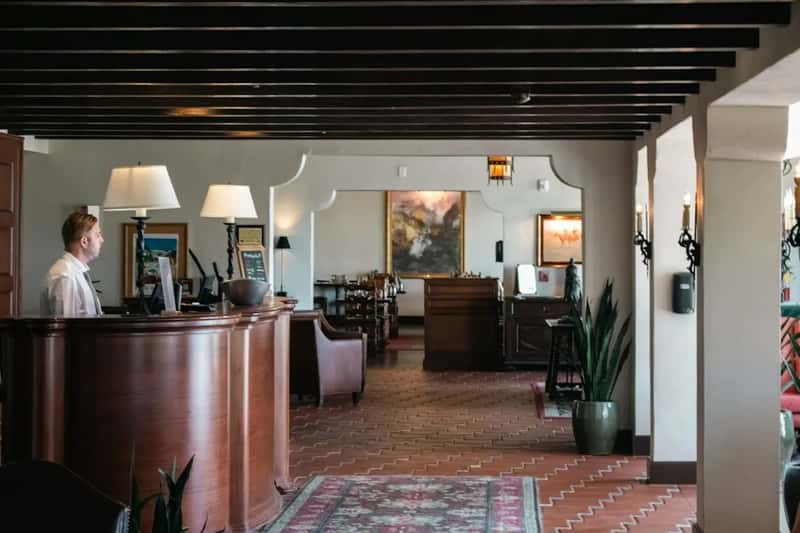
Walking up to the concierge desk with a vague request like “somewhere good for dinner” is a rookie move, and it usually gets a rookie result back. Concierge teams can create remarkable moments when guests give helpful directions, since a vague request leaves too much room for interpretation while mentioning cuisine, atmosphere, timing, and travel distance gives them something to actually work with.[2] Experienced travelers treat the concierge as a specialist, not a general-purpose chatbot.
Timing matters just as much as clarity. Waiting until the evening you want a reservation is a classic mistake, since a request for an eight o’clock table should be made well before eight o’clock, ideally hours ahead or even the day before, because concierges do not summon tables from thin air[3]. Giving them lead time is what actually unlocks the good tables and hard-to-get tickets people associate with luxury stays.
4. Assuming hotel items are souvenirs

The plush robe, the pillow, the little bathroom set, all of it can feel like it’s begging to be packed. But there’s a real line between what’s meant to be taken and what isn’t. Mini toiletries, stationery, and postcards are fair game and meant to go home with guests, while bathrobes, towels, pillows, and mattresses are not okay to take[4], no matter how tempting the thread count feels at checkout.
This one might sound obvious, but it happens often enough that hotels build it into staff training. Guests who assume anything in the room is included in the nightly rate tend to get flagged, sometimes with an unexpected charge showing up on the final bill. Sticking to the small, clearly disposable items is the safer and more polite instinct.
5. Being loud in shared spaces

Volume is one of those things people underestimate in a luxury setting. Hallways, elevators, and lobby lounges are shared stages, and loud conversations or phone calls in hallways, especially late at night or early in the morning, are a quick way to stand out for the wrong reasons[5]. It doesn’t take much, just a phone call taken at full volume outside a neighbor’s door is enough to leave an impression.
There’s also a subtler version of this mistake, which is assuming that paying for a room means the space is entirely private. Many travelers assume paying for a room means they can treat the space however they want, but hotel etiquette is a two way street, and blasting music or making excessive demands isn’t just impolite, it’s disruptive.[5] Lowering the volume, literally and figuratively, is one of the easiest ways to blend in rather than stick out.
6. Ignoring the housekeeping relationship entirely
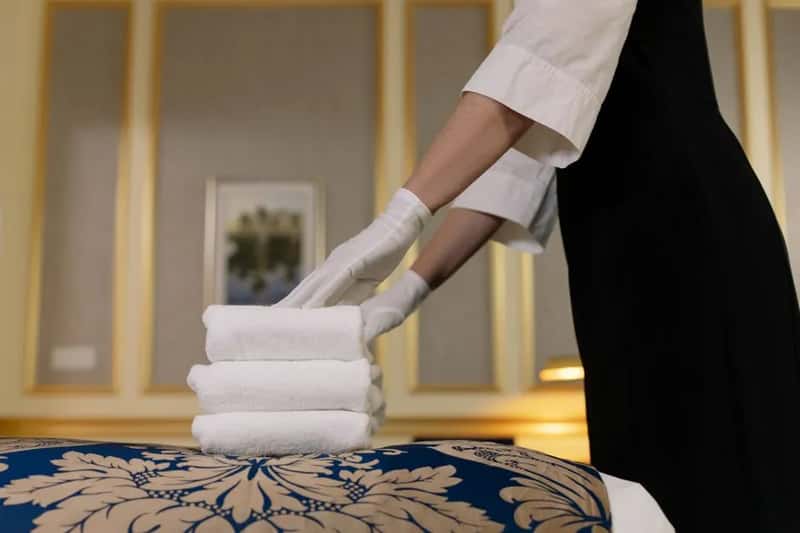
Housekeeping staff are often the most overlooked part of a hotel stay, and treating them as invisible is a habit that seasoned guests grow out of quickly. They often go unnoticed but do a huge amount of work[5], and how a guest leaves a room says more about them than almost anything else during the stay. Leaving the room relatively tidy at checkout doesn’t mean cleaning it, but respectful guests make staff notice.[5]
Skipping a daily tip or leaving the room in complete disarray are both small choices that add up to a bigger impression. Guests who consistently acknowledge this part of the team, even with a short note or a few dollars left visibly each morning, tend to get the kind of quiet attentiveness that makes a stay feel effortless. It’s a small habit, but it’s one of the clearest markers of someone who’s done this before.
None of these habits are really about wealth or status. They’re about attention, the kind that comes from having stayed in enough hotels to notice what actually matters versus what just feels like it should. Skip the performance, keep the tipping quiet, give the concierge something real to work with, and the rest tends to follow on its own.