In some destinations, the “Welcome, tourists!” era is coming to an end. Drawing on local opinion surveys and public sentiment, this report uncovers the top 7 countries where tourists are no longer really wanted, from overtouristed beach hotspots to historic cities buckling under crowds, noise, and rising costs. In places like Spain and Greece, frustration over mass tourism is boiling over into protests, angry signs, and policies designed to push visitor numbers down.
If you don’t want to feel like an unwanted guest on your next trip, understanding where locals are fed up – and why is more important than ever. This breakdown looks at how overtourism, bad behavior, housing crises, and environmental strain are changing attitudes toward visitors, and what that means for respectful travelers deciding where to go next.
Spain – A Nation Fed Up with Mass Tourism
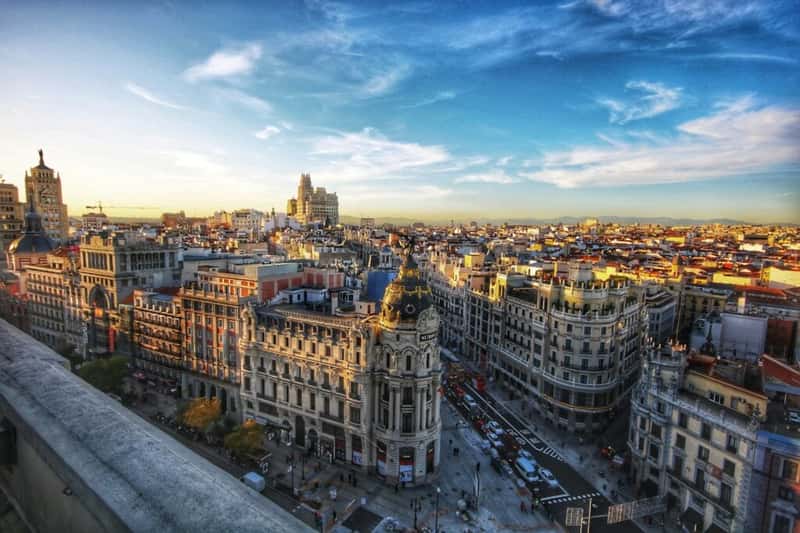
A YouGov survey across seven European countries has revealed significant concerns about overtourism, with Spain emerging as the most strongly affected. One-third of Spaniards believe their local area has too many international visitors, rising to nearly half in Catalonia, where Barcelona’s 1.6 million residents host approximately 32 million tourists annually. Spain also showed the highest level of negative sentiment toward foreign tourists, with 28% expressing unfavourable views.
Greece – Ancient Heritage Under Siege
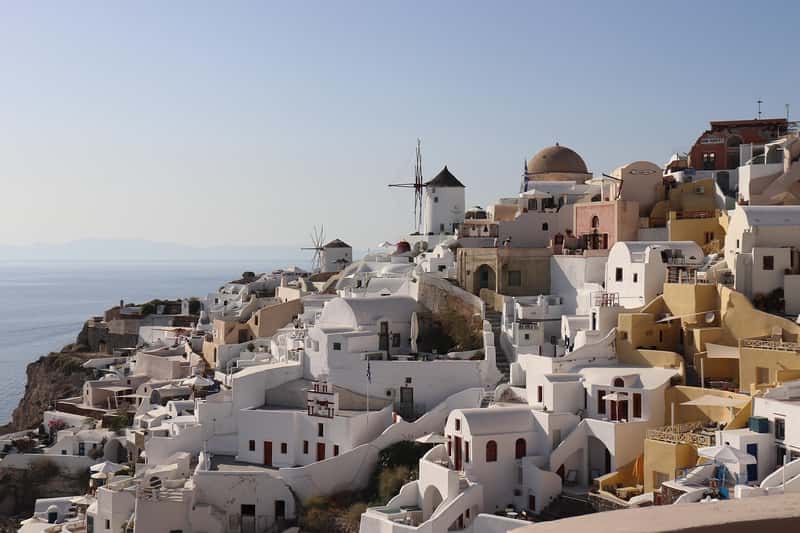
In Greece, residents in Athens and Paros have protested against overtourism, accusing tourists of displacing locals and diluting the city’s character on islands like Santorini and Mykonos.
Finally, Santorini, the jewel of the Cyclades, attracted over 2 million visitors in 2024. Residents have staged protests to “send cruise ships home”, while the Greek government has introduced €20-per-cruise-passenger fees, cruise docking limits, and sustainable tourism plans.
Indonesia – Bali’s Paradise Lost
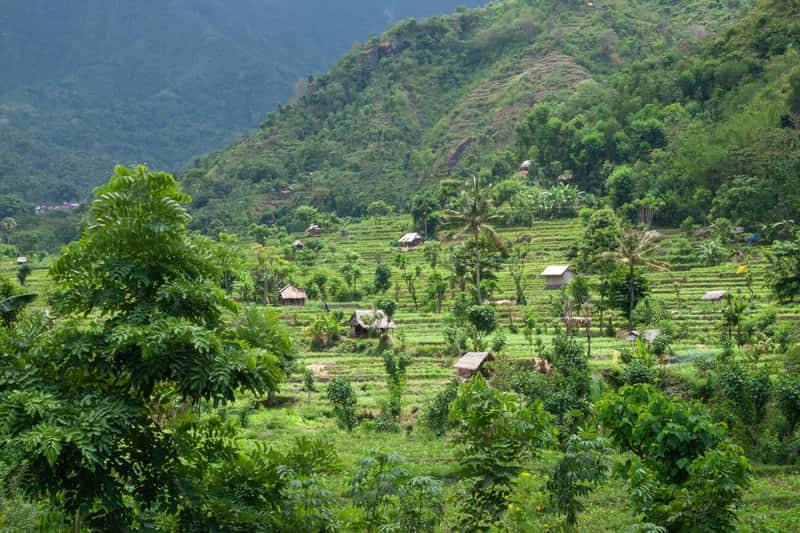
On Bali, the once-idyllic island saw approximately 6 million international visitors in 2024, sparking heavy backlash. Locals and grassroots activists are protesting the disappearance of sacred paddy fields, illegal construction of resorts, and untreated plastic pollution on beaches. The government has responded with a $10 visitor levy, expanded eco-tourism initiatives, and bans on single-use plastics and tourist motorbike rentals.
Netherlands – Amsterdam’s Aggressive Anti-Tourism Campaign
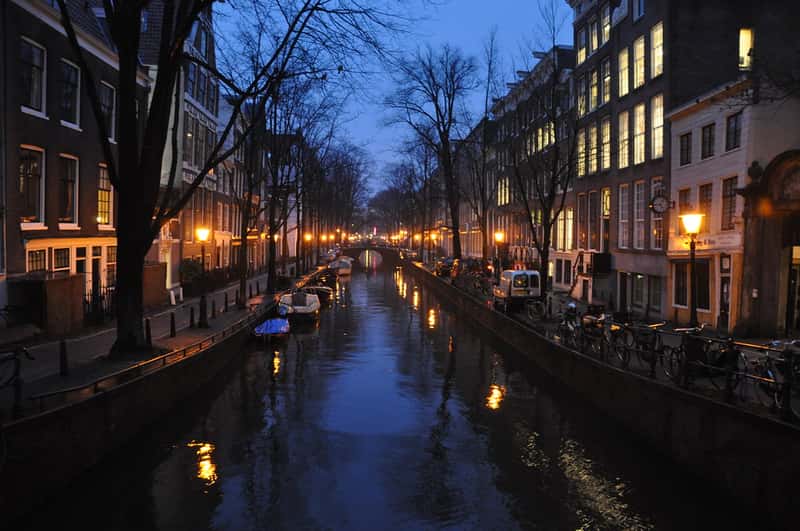
Perhaps the most brash recent example: Amsterdam’s so-called “stay away” online campaign, which it launched in spring 2023 and aimed directly at “wild,” hard-partying British males coming to the city in search of sex and drugs.
The Dutch are traditionally known for their directness, and in 2023, tourism officials in Amsterdam weren’t shy about taking aim at one particular demographic – young British males – as “nuisance tourists” who are not welcome
Italy – Venice’s Desperate Measures
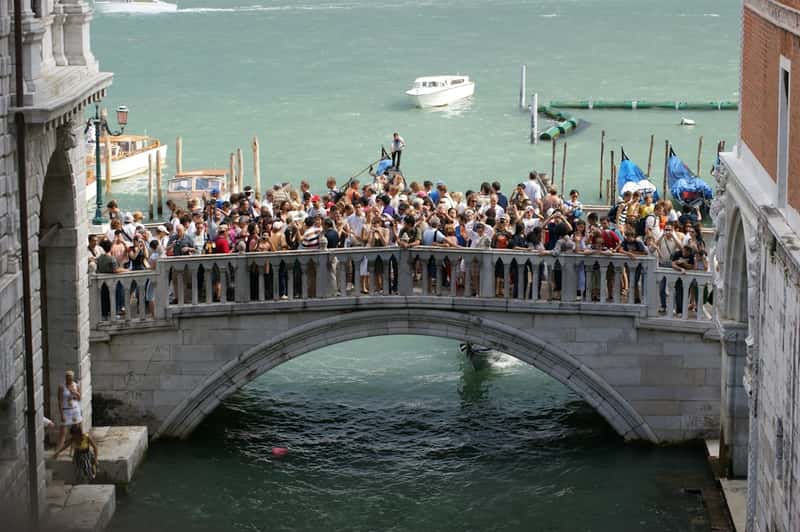
Similarly, around 250,000 people live in Venice, yet the Italian city accommodates 20 million tourists per year. In 2024, Venice introduced a €5 fee for visitors who would like to access the city centre between 8:30 am and 4 pm during peak travel season. The main reason behind it was to reduce the congestion in the city, especially due to day-trippers who are exempt from the overnight tourist tax.
Japan – Mount Fuji Behind Barriers

In May 2024, a temporary barrier was erected to block the view of a popular Mount Fuji photo spot, near a convenience store in the town of Fujikawaguchiko in Japan’s Yamanashi prefecture. 2024, May: Japan – A popular view of Mt Fuji was blocked to prevent tourists from taking selfies and inconveniencing locals.
As international tourism to Japan grows, approximately 73% of overnight stays are concentrated in just five prefectures: Tokyo, Osaka, Kyoto, Hokkaido, and Fukuoka, highlighting a significant geographic imbalance. According to a survey examining congestion in residential and workplace areas, 59.7% of respondents reported that living in traditional neighborhoods has become unbearable for locals dealing with constant crowds seeking the perfect Instagram shot.
Portugal – The Hidden Gem No More

Portugal, which also has struggled with overtourism challenges, saw a 26% increase in arrivals in 2024, and its popularity shows no signs of waning, as the country continues to rank high on lists of best countries to visit. We were completely shocked to travel in Portugal and Spain this fall, and can completely understand why residents are complaining. Even off-season or shoulder season is busy.
What was once Europe’s affordable alternative has priced out its own citizens. Housing costs have skyrocketed as international buyers and Airbnb operators snap up properties, leaving locals unable to afford rent in neighborhoods their families have called home for generations.
Turkey – Tensions Rising in Tourist Hotspots
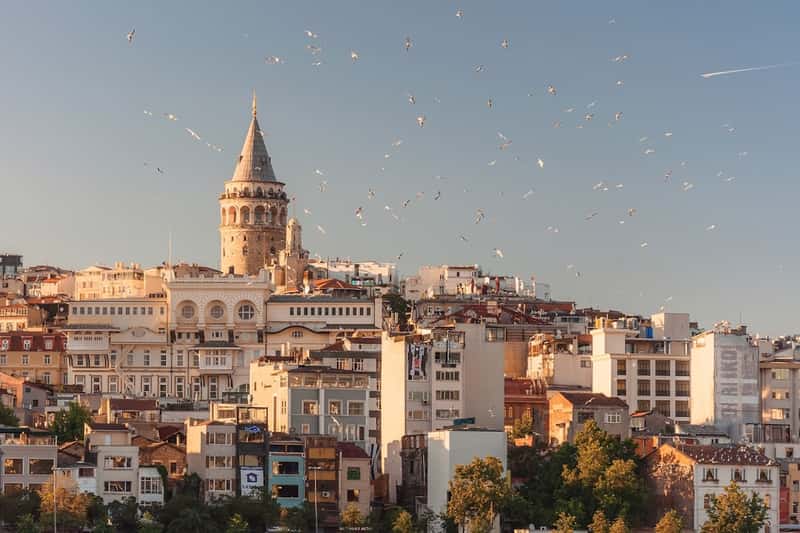
In 2024, Türkiye and Finland landed at the bottom of the Expat Insider rankings, placing 52nd and 51st, respectively. Türkiye struggles most with work-related issues, ranking last in the Working Abroad Index – 40% of expats rate their career opportunities negatively, and 64% are unhappy with the economy.
While Turkey hasn’t seen the explosive protests of Barcelona or Venice yet, local frustrations are building. Popular coastal towns are experiencing the same pattern of housing shortages and cultural erosion that has sparked massive protests elsewhere in Europe.
The Economics Behind the Backlash

The impact of short-term holiday rentals, often blamed for driving up rents and reducing local housing availability, was particularly pronounced in Spain. Over a third of respondents viewed the sector as harmful, and nearly half held a negative opinion of it. The mathematics of displacement are simple: every apartment converted to Airbnb means one less home for a local family.