
Rome is one of those cities where the gap between the postcard and the practical reality can catch people off guard. The monuments are ancient, but the rules around them keep changing, and the crowds don’t leave much room for improvising.
Guides spend a lot of their day explaining the same handful of surprises at meeting points and ticket gates. The six points below cover what has changed or tightened in recent years, and each one is backed by published information.
The Trevi Fountain Now Has a Fee

Since early February 2026, a €2 ticket is required to enter the basin of the Trevi Fountain, the part closest to the monument[1]. It applies every day from 9 a.m. to 10 p.m. for tourists and non-residents[1]. Visitors can still look at the fountain without paying, though only from a distance[2].
Some visitors qualify for free entry. Admission is free for residents of Rome and its metropolitan area with ID, for children under 5, and for people with disabilities and their caregivers.[1] The city’s own figures show why it acted: the fountain draws about 30,000 visitors a day, with peak days reaching 70,000[3]. If you buy on the spot, the entrance takes card payments only[1], so carry a card.
Colosseum Tickets Are Tied to Your Name

This is the surprise that trips up a lot of last minute planners. All Colosseum tickets are issued in the holder’s name, and identification must be shown at the entrance.[4] The system isn’t new, since operators and customers have had to give ticket holders’ names at the time of purchase since June 2022[5].
The rules on changes have tightened as well. Since May 2026, the name on a ticket can be changed only once, and only by midnight Rome time on the seventh day before the visit.[6] Group travelers should also know that if someone is delayed, unwell or unable to attend, that person’s ticket is lost[5]. Booking under the name of whoever will actually walk through the gate saves a lot of grief.
The Vatican Dress Code Is Enforced at the Door

The basic rule is short: shoulders and knees must be covered at all Holy See sites, including the Vatican Museums, the Sistine Chapel, the Vatican Gardens and St. Peter’s Basilica[7]. Hats aren’t allowed either. Staff don’t treat this as a suggestion, because clothing is checked at the entrances, and visitors with uncovered shoulders or knees may be refused entry until they cover up[8].
Summer catches people out most. The rule is enforced the same way in 35°C heat as in winter.[9] A light scarf or thin layer in your bag solves it, and for men, St. Peter’s Basilica is stricter, with guards turning men away in any shorts[7]. St. Peter’s Square is different, because it is open air and public, so the dress code isn’t enforced there[10].
Sitting on the Spanish Steps Can Cost You
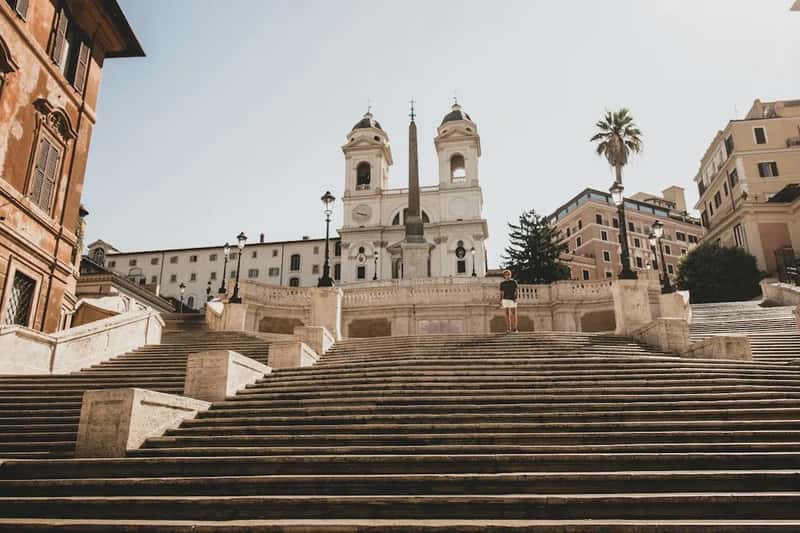
The Spanish Steps look like the ideal spot for a gelato break, which is exactly why the city stepped in. Since 2019, people have been forbidden to sit on them.[11] The fine is €250 for using the steps as a resting spot, rising to €400 if you cause damage or stains.[12]
The reasoning is about wear and litter. The city was worried about the rubbish left behind by people eating lunch or snacks there.[13] The steps were also restored in 2016, after a €1.5 million restoration[14], and the rules extend beyond sitting. Wheels from strollers, scooters or suitcases can chip the marble and slowly damage the monument.[14]
Your Colosseum Ticket Covers More Than the Colosseum
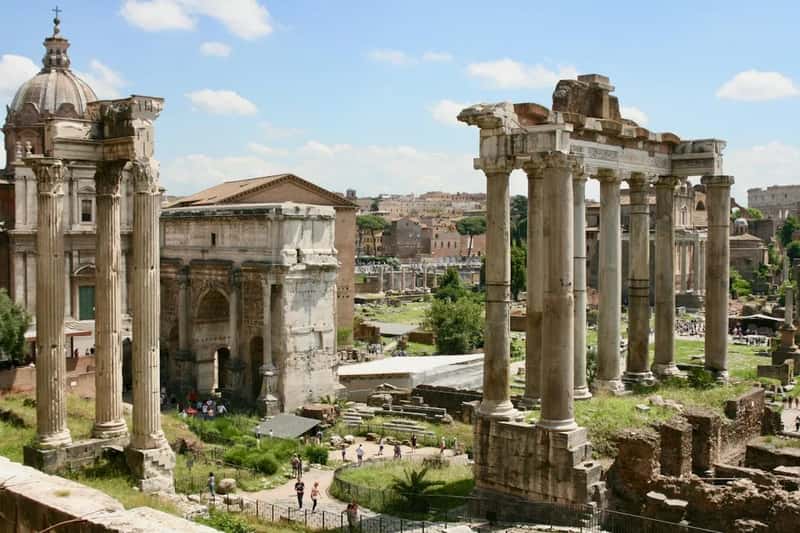
Many visitors treat the Colosseum as a one hour stop and skip the rest. That leaves a lot unused, because standard Colosseum tickets include entry to the Roman Forum, Palatine Hill and Imperial Fora[4]. No separate ticket is required for those sites.[4] Upper areas have also become part of the picture, since the upper tiers reopened to the public in May 2024 after a long restoration[15].
Prepare for the practical side, especially in summer. There is minimal shade on the spectator levels and no air conditioning anywhere on site.[4] The ground is rough too, so supportive footwear is a sensible choice on the ancient, uneven terrain[16]. One booking site also suggests leaving at least 30 minutes for the metal detector lines[16].
Book Early, and Only Through the Official Channel

Turning up and buying a Colosseum ticket on the day rarely works anymore. The official booking site is ticketing.colosseo.it[4], and tickets are released 30 days before your visit date[4]. Slots open gradually through the day, matching the time you want.[4]
High demand means patience on the site itself. The site may place you in a virtual waiting queue during busy periods.[4] Be wary of unofficial offers as well. For the Attic, closures are published on the official site, and anything offered online for a closed window is a scam[6].