Every seasoned traveler has that one moment of quiet regret while standing in a hotel room, staring at a suitcase full of things they never touched. It usually happens around day three of a trip, right when the novelty of packing wears off and practicality takes over. The truth is, most packing mistakes are not dramatic or obvious. They are small, sneaky choices that seem smart in the moment but end up costing space, comfort, or peace of mind.
This list looks at nine of the most common packing regrets travelers quietly admit to, often only after the trip is over. Some are about overpacking, others about underestimating what they would actually need. Either way, recognizing these patterns can save future trips from the same slow-building frustration.
1. Packing “just in case” outfits that never leave the suitcase
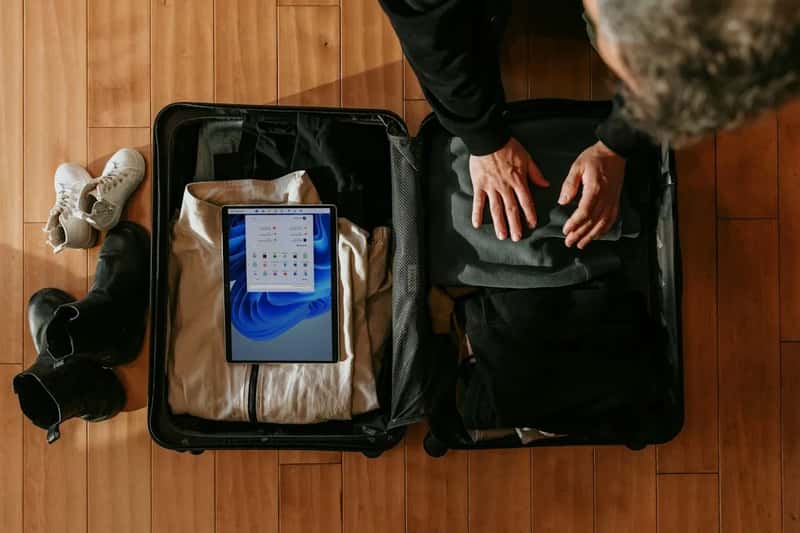
Many travelers pack an extra outfit or two for situations that almost never happen, like a fancy dinner that does not materialize or a themed event they were not actually invited to. These clothes sit folded at the bottom of the bag for the entire trip, taking up space that could have been used for something useful. By the end of the trip, they come home exactly as clean and untouched as they left.
The regret usually surfaces during the return flight, when the traveler realizes they carried extra weight for nothing. This habit is especially common among people packing for unpredictable climates or vague social plans. A more grounded approach is to plan actual daily activities first, then pack clothes that match those specific plans instead of hypothetical ones.
2. Overloading on shoes for every possible scenario

Shoes are heavy, bulky, and one of the biggest culprits behind overweight luggage fees. Travelers often bring a pair for walking, a pair for the beach, a pair for evenings out, and a backup pair in case something goes wrong with the first three. In reality, most trips only require two versatile pairs that can handle multiple situations.
The regret here is almost always physical, not just mental, since shoes eat up suitcase space fast and add noticeable weight. Airlines have gotten stricter about baggage limits in recent years, and shoes are frequently the first thing travelers wish they had left behind. A simple fix is choosing footwear that works for walking, light activity, and a slightly dressed-up look all at once.
3. Bringing full-size toiletries instead of travel containers

Full-size shampoo bottles, lotions, and skincare products feel comforting to pack, but they take up disproportionate space and weight for products that will only be partially used. Many travelers end up leaving half-full bottles behind in hotel rooms, which is both wasteful and a quiet source of regret. This is especially true for short trips where a tiny travel bottle would have done the same job.
TSA and most international carriers still enforce limits on liquid volumes in carry-on luggage, which makes oversized toiletries an even bigger hassle at security checkpoints. Refillable silicone travel bottles have become increasingly popular precisely because they solve this problem without sacrificing product quality. Travelers who make the switch often say they wish they had done it years earlier.
4. Packing too many electronics and chargers

Between phones, tablets, cameras, e-readers, and smartwatches, modern travelers often pack a tangled mess of chargers and cables that rarely all get used. It is common to bring a laptop for a beach vacation only to realize there was never a real need to work while traveling. The extra weight and the anxiety of keeping track of so many devices is a recurring travel complaint.
Charging cables in particular tend to multiply out of habit rather than necessity, with travelers packing backups for backups. A single multi-port charging block and one universal cable can often replace an entire pouch of redundant equipment. This is one of the easiest packing regrets to fix once travelers actually audit what they use daily versus what they pack out of habit.
5. Choosing a suitcase that is too big for the trip
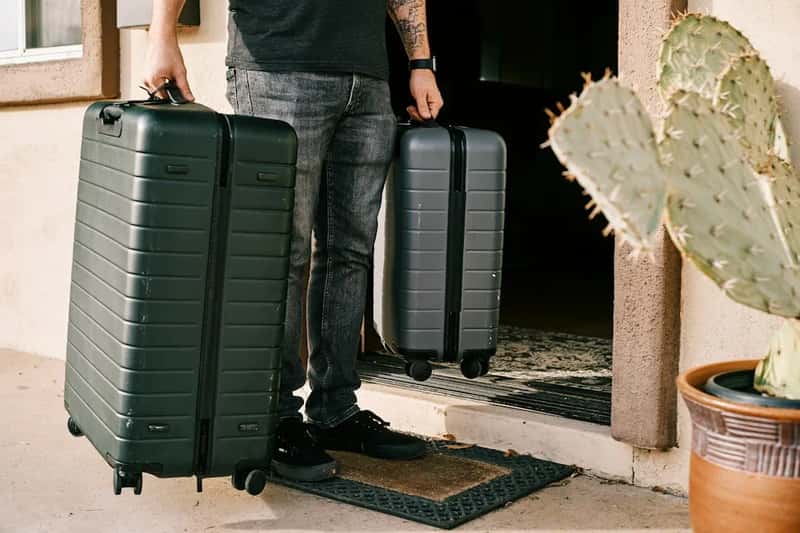
There is a well-known travel tendency where the size of the suitcase somehow determines how much gets packed, rather than the other way around. A larger suitcase invites more items, even when the trip length does not justify it. Many travelers admit they would have packed lighter and smarter if they had simply chosen a smaller bag from the start.
This regret becomes especially clear when navigating cobblestone streets, train station stairs, or crowded airport terminals with an oversized bag in tow. Airlines have also increased scrutiny on carry-on sizes throughout 2025 and 2026, making oversized luggage a bigger liability than before. Matching suitcase size to trip length, rather than to available closet space, tends to produce far more practical results.
6. Skipping a portable charger and regretting it mid-trip

While overpacking electronics is common, underpacking power solutions is just as frequent a mistake. Many travelers assume their phone battery will last through a full day of navigation, photos, and translation apps, only to find themselves stranded with a dead phone in an unfamiliar city. This is one of the few packing regrets that shows up almost immediately rather than at the end of the trip.
A compact portable charger takes up very little space but solves a problem that can otherwise derail an entire day of sightseeing. Travelers who skip this item often end up buying an overpriced one abroad, which usually costs more than if they had packed their own beforehand. It has become one of the most frequently recommended items in modern travel packing guides for exactly this reason.
7. Packing heavy books instead of digital alternatives

Physical books are comforting, but they are also dense and heavy in a way that adds up quickly across a multi-week trip. Travelers who pack two or three novels for a long flight often find themselves lugging around unread pages for the rest of the journey. This regret is amplified when luggage weight limits come into play at the airport.
E-readers and phone-based reading apps have made this packing choice largely unnecessary for most travelers, yet the habit of bringing physical books persists out of nostalgia or reading preference. For short trips, one paperback might be fine, but longer journeys tend to make the weight and bulk feel unjustified. Many travelers who make the switch to digital reading say they never look back once they experience the space savings.
8. Not packing a change of clothes in carry-on luggage
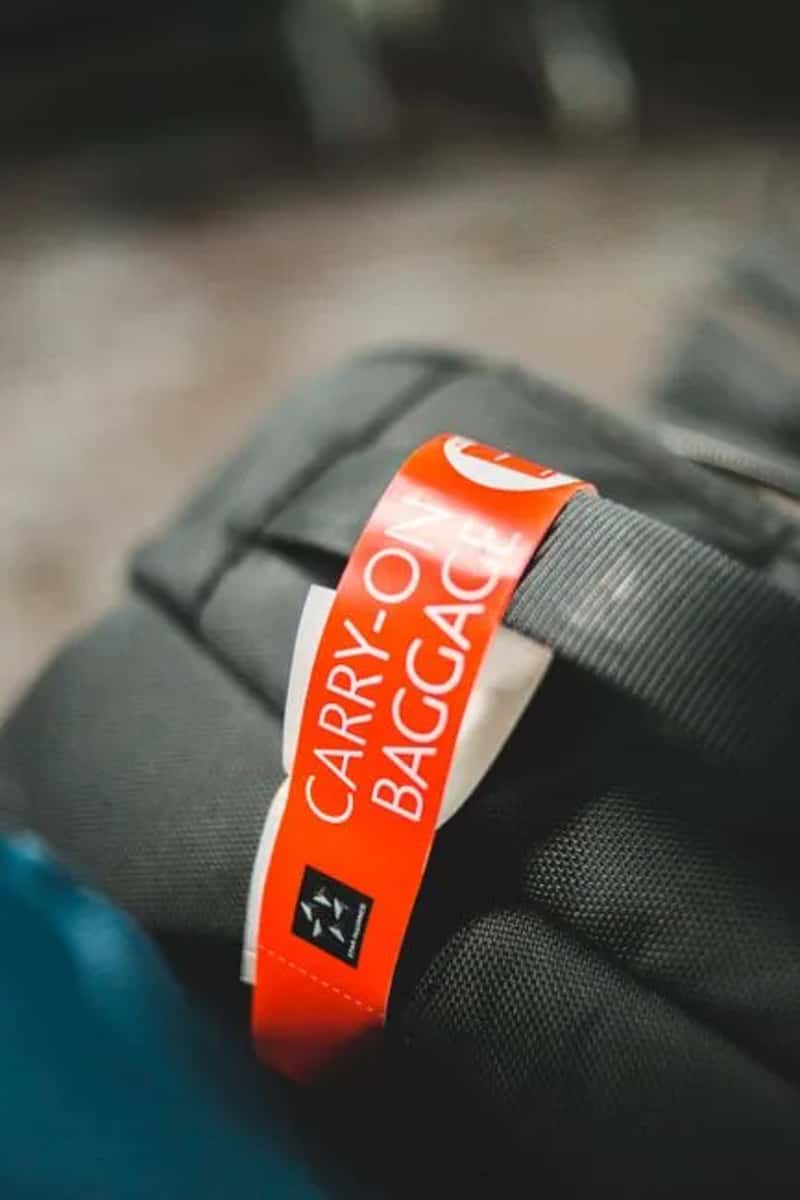
Checked luggage occasionally gets delayed, misrouted, or lost entirely, and airlines cannot always guarantee same-day resolution. Travelers who pack their entire wardrobe into checked bags sometimes find themselves stuck in the same outfit for a day or two while waiting for luggage to catch up. This is a regret that tends to hit hardest during international connections with tight layovers.
Keeping at least one change of clothes, along with basic toiletries, in a carry-on bag is a simple safeguard against this scenario. It does not require much extra space, but it can mean the difference between a minor inconvenience and a genuinely stressful start to a trip. Frequent flyers who have experienced lost luggage firsthand almost universally adopt this habit afterward.