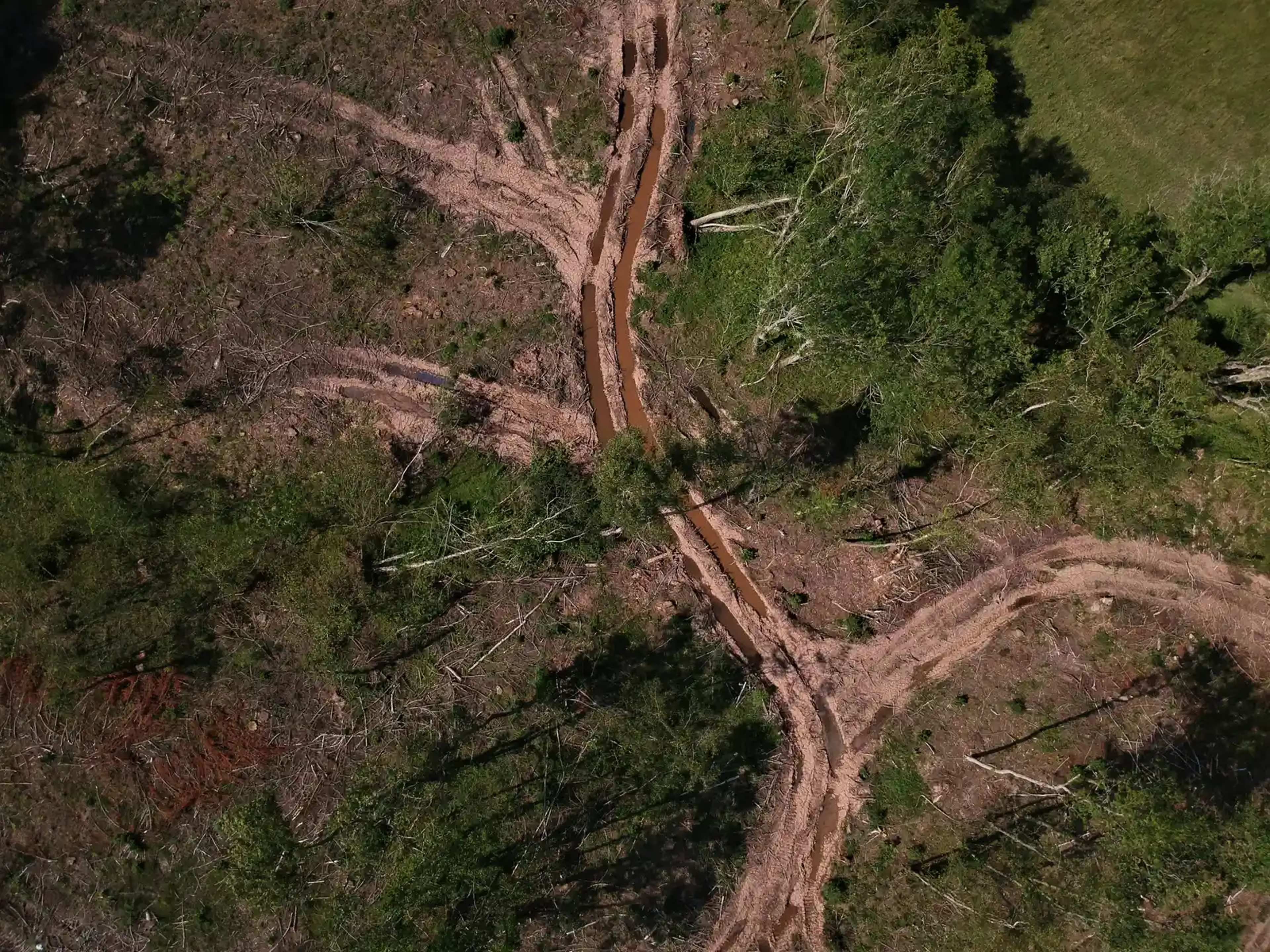
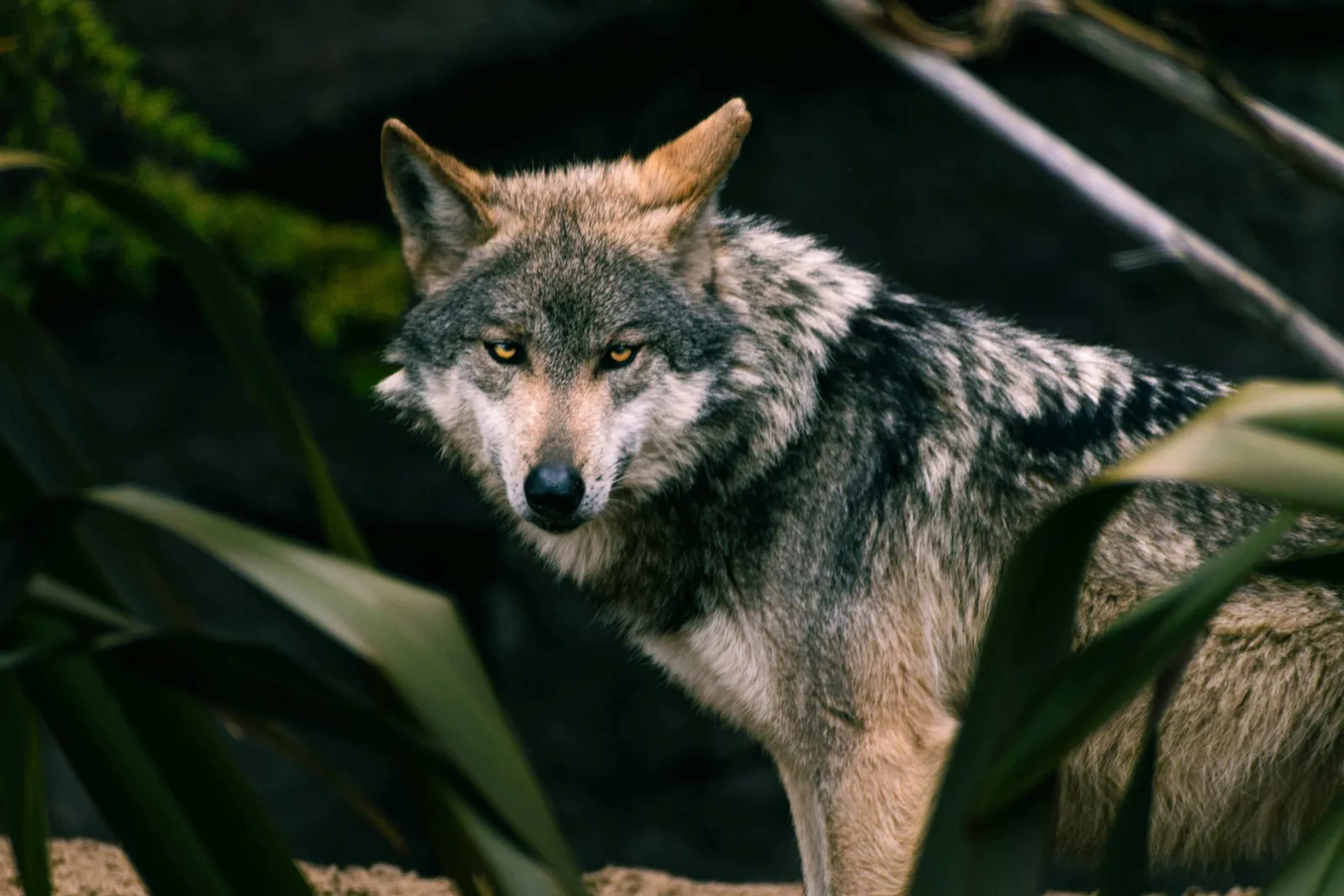
Trump administration repeals rule that allowed bison to graze on public lands – Image for illustrative purposes only (Image credits: Unsplash)
The vast public lands managed by the Bureau of Land Management stretch across much of the American West. Recent federal action has removed a key mechanism that once placed conservation on equal footing with commercial activities such as grazing, mining, and energy development. The change directly affects 245 million acres, an area equal to roughly one-tenth of the entire United States.
Background on the 2024 Rule and Its Repeal
The 2024 Public Lands Rule had directed the Bureau of Land Management to treat conservation as a legitimate use when issuing leases. That approach allowed restoration and mitigation projects to compete with traditional extractive industries. The Department of the Interior later stated that the rule created mechanisms that threatened to restrict productive uses of public land.
Rescinding the rule returns the agency to earlier practices that favor established commercial activities. The decision applies nationwide to lands already open to multiple uses. Officials described the move as necessary to align leasing decisions with longstanding federal grazing statutes.
Immediate Effects on Bison in Montana
In one early application of the new approach, the Interior Department revoked a grazing permit for roughly 950 American bison on 63,000 acres in Montana. The animals had grazed there since 2022 under the previous framework. The permit was withdrawn on May 8, days before the broader rule repeal took effect.
Interior Secretary Doug Burgman explained that federal grazing law limits leases to animals kept primarily for meat, milk, or other products. Evidence indicated the Montana herd served conservation goals instead. The revocation illustrates how the policy shift can affect specific wildlife projects that previously qualified for access.
Implications for Travelers and Outdoor Recreation
Public lands managed by the Bureau of Land Management attract millions of visitors each year for hiking, camping, wildlife viewing, and other activities. The removal of conservation leasing options may gradually alter the balance of uses on those acres. Areas once considered for habitat restoration could see expanded commercial activity instead.
Travelers who value intact landscapes and visible wildlife may notice changes over time. Bison herds that once benefited from federal grazing access now face stricter limits when their purpose is framed as conservation rather than production. The policy does not close lands to recreation, yet it narrows the tools available to maintain ecological conditions that support visitor experiences.
Stakeholders including state wildlife agencies, conservation organizations, and local communities that rely on tourism will monitor how the Bureau of Land Management applies the revised priorities in coming lease decisions. The 245 million acres remain open to the public, but the underlying management emphasis has shifted.
Historical Context and Long-Term Outlook
Before widespread settlement, tens of millions of bison shaped the ecology of the Great Plains. The Department of the Interior has previously recognized their role as ecosystem engineers that promote diverse plant communities and healthy grasslands. The recent permit revocation in Montana highlights the tension between that ecological function and current leasing criteria.
Future lease applications will be evaluated under the restored framework that prioritizes traditional economic uses. Observers expect continued debate over how conservation values can still be accommodated within existing statutes. The scale of the affected acreage ensures that any adjustments will influence both commercial operators and recreational users for years to come.
What matters now
- The 2024 Public Lands Rule has been rescinded, removing conservation as an equal priority for BLM leases.
- A Montana bison grazing permit was revoked in early May under the updated interpretation of federal law.
- 245 million acres remain open to multiple uses, though the balance among those uses has changed.
- Travelers and outdoor enthusiasts may see gradual shifts in landscape management and wildlife access over time.