The Transportation Security Administration has pulled the plug on one of its most controversial recent initiatives, the Gold+ private screening program, just months after unveiling it with considerable fanfare. Yet travelers shouldn’t assume this means airport security is staying in federal hands. If anything, the agency is doubling down on privatization, just through a different vehicle that has existed for more than two decades.
The announcement came as part of a broader agency overhaul called the Horizon 25 Strategy, timed to coincide with TSA’s upcoming 25th anniversary. The shift raises interesting questions about what went wrong with Gold+, why the agency still believes private screening is the future, and what it all means for the roughly 47,000 federal officers who staff checkpoints across the country.
What TSA Gold+ Was Supposed to Do
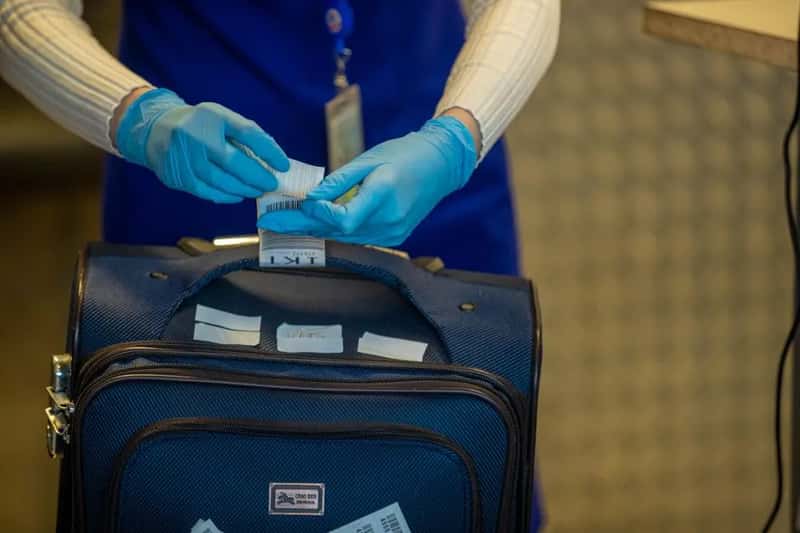
Gold+ launched earlier this year as a new public-private model that let airports hand over checkpoint operations, staffing, and even some screening technology to private contractors while TSA retained regulatory oversight. Under TSA Gold+, airports could opt in to a model in which private contractors managed more of the checkpoint operation, including staffing and some screening technology, while TSA said the structure kept federal security standards in place even as airports shifted more day-to-day screening work to private operators.[1] The program built on the older Screening Partnership Program but gave contractors a far bigger role.
Officials pitched it as a way to boost resilience and give airports more flexibility. “Industry partners can manage equipment and introduce innovations, while travelers enjoy a smooth, predictable, and bespoke experience,” the TSA said as it unveiled TSA Gold+.[2] The plan was notable, too, for who championed it. President Donald Trump was an outspoken advocate for the TSA Gold+ program when it was announced in July.[3]
Tampa’s Reversal Signaled Trouble

The first cracks in Gold+ appeared when the airports that had signed on started having second thoughts. Two airports opted into the Transportation Security Administration’s new “Gold+” privatization model over the summer, becoming the first to do so, with TSA employees at those locations told they would be offered jobs with a to-be-determined private screening contractor.[4] Des Moines and Tampa International were the two pioneers, with a third airport in South Carolina also exploring the move.
Then, just days before TSA’s broader announcement, Tampa walked away. Tampa International Airport announced it would continue checkpoint screening operations with its existing TSA officers, with airport authorities saying they made the decision after learning more about the Gold+ program.[5] The airport later explained that opting in had allowed officials “to learn about program details and provisions, including security, workforce, technology, financial, and legal considerations, before moving forward.”[5] It was a striking about-face for what had been the largest and most prominent of the three pilot airports.
Why the TSA Pulled the Plug
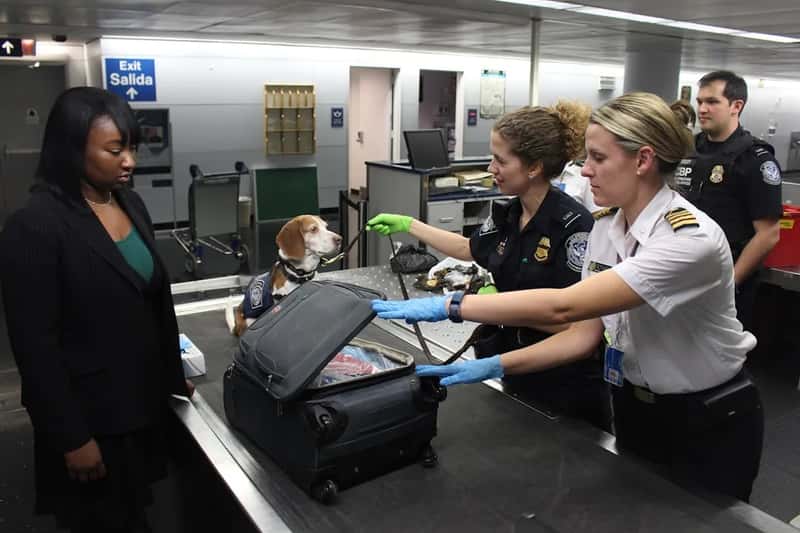
Federal officials didn’t frame the decision as a retreat from privatization, but rather as a redirection toward a model with a longer track record. The switch away from Gold+ raised more questions about the Trump administration’s push to privatize airport screening operations, especially since the administration had also proposed requiring smaller airports to use private contractors.[5] Analysts framed it plainly: TSA planned to expand its existing Screening Partnership Program instead, as the “Gold+” program had failed to gain much traction.[5]
TSA’s own language made clear that the goal hadn’t changed, only the mechanism. An evolved Screening Partnership Program will replace TSA Gold+ to better harness the role of the private sector in delivering a safer, more secure, and more efficient aviation system.[6] In practical terms, that means the agency is shifting from a brand-new, largely untested framework back to one it already knows how to run.
The Screening Partnership Program Isn’t New
Unlike Gold+, the Screening Partnership Program has a long history dating back to the earliest days of TSA itself. Congress established the TSA under the Aviation and Transportation Security Act following the September 11 attacks, and that law federalized the screening workforce but included a deliberate safety valve permitting airports, with TSA approval, to use private contractors instead of federal screeners.[7] At the conclusion of a pilot program in 2004, TSA created the Screening Partnership Program, and since then, all commercial airports have been eligible to apply.[8]
Today around 20 airports participate, and the arrangement is far from obscure among aviation insiders. At 20 airports in the United States, security screening is handled not by the Transportation Security Administration but by private companies, with facilities like San Francisco International, Kansas City International, and Orlando Sanford participating in the Screening Partnership Program.[9] Notably, the program gained fresh attention during a partial government shutdown, when private companies at those airports avoided the large-scale staffing absences some TSA-run airports struggled with, prompting one aviation expert to note these airports were “completely oblivious to the government shutdown.”[9]
Horizon 25: Cummins’s Broader Vision
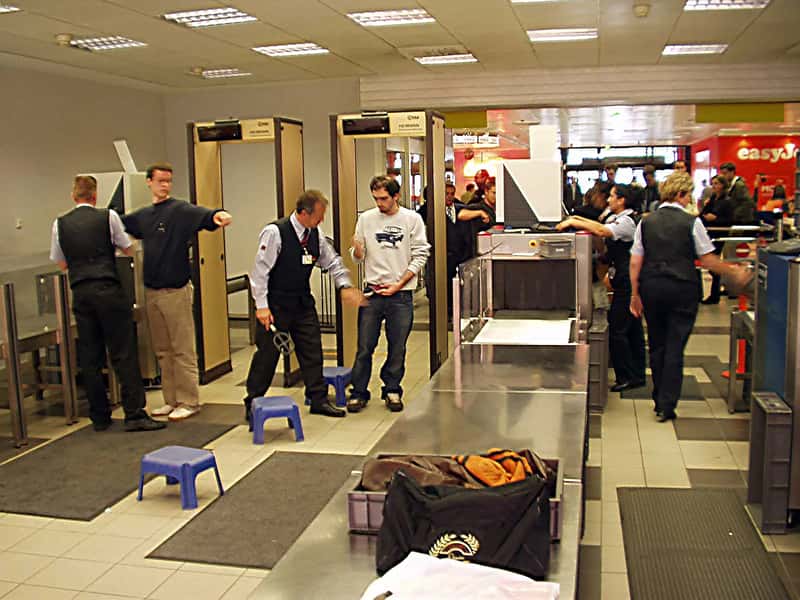
The Gold+ reversal was just one piece of a much larger strategic rollout led by TSA’s new administrator. TSA announced the Horizon 25 Strategy as the agency approaches its 25th anniversary, with Administrator David P. Cummins defining three primary goals meant to modernize checkpoints, elevate the traveler experience, and harden multi-modal transportation security.[6] Cummins brings a somewhat unusual background to the job. The administrator has experience in the private sector, and was the director of operations management for the 2002 Winter Olympics in Salt Lake City, Utah.[10]
Beyond the screening partnership overhaul, the strategy touches on several other fronts. These initiatives include enhancing TSA PreCheck, improving the passenger experience, streamlining the acquisition of new technology, and expanding TSA’s capabilities to counter the threat of unmanned aircraft systems.[6] Cummins summarized his philosophy simply, saying “TSA does not have to choose between a secure checkpoint, an efficient checkpoint, and an elevated passenger experience,” adding that “through Horizon 25, TSA can, and will, deliver all three at once.”[6]
Union Reaction and Worker Concerns
Labor representatives, unsurprisingly, welcomed the end of Gold+ while remaining wary of what comes next. The union representing TSA officers had criticized the initiative from the start. “Ensuring the safety and security of the flying public is too important to contract out to the lowest bidder, and the Tampa Airport’s decision to reject TSA Gold+ is a clear vote of confidence in the federal employees who currently perform this critical work,”[3] said Everett Kelley, president of the American Federation of Government Employees.
Kelley’s group represents a substantial workforce with a direct stake in the outcome. That garnered praise from Everett Kelley, the president of the American Federation of Government Employees, a union representing 47,000 TSA officers.[10] Still, Kelley made clear he saw the fight as far from over, urging other airports to follow Tampa’s lead. “TSA Gold+ is a major departure from our country’s current aviation screening security system, which has kept the flying public safe for nearly 25 years and should be applauded instead of abandoned,” Kelley said, adding, “Tampa airport officials made the right call, and I hope other airports thinking of privatizing their security functions will follow suit and stay with TSA.”[11]
What This Means for Travelers

For the average flier, the shakeup at the policy level probably won’t translate into visible changes at the checkpoint anytime soon. Experts who’ve studied the Screening Partnership Program note that the passenger experience tends to stay largely consistent regardless of who’s running the checkpoint. TSA PreCheck enrollment, screening rules, and identification requirements are unaffected by whether an airport uses federal or contracted screeners, since those standards are set at the federal level rather than by individual airport operators.
That said, the shift does matter for airports weighing their options going forward. Rather than a single new pathway to privatization, airports now have one well-established route through the evolved Screening Partnership Program instead of two competing programs. For travelers passing through the roughly 20 airports already in the SPP system, like San Francisco International and Kansas City International, nothing changes. For airports still deciding whether to outsource screening, the decision-making process now runs through a program with two decades of operating history rather than a brand-new framework introduced only months earlier.
The Road Ahead for Airport Privatization

Despite scrapping Gold+, the direction of travel at TSA remains unmistakably toward more private-sector involvement, not less. The agency has been explicit that expanding the Screening Partnership Program is meant to increase, not shrink, the private sector’s footprint at checkpoints nationwide. The cancellation of the Gold+ rollout to Tampa, Charleston, and Des Moines appears to be a major win for federal employees on the surface, but the SPP system already effectively institutes many of the same policies envisioned under Gold+, with the agency now looking to make it mandatory rather than voluntary at some airports.[3]
Budget proposals from the administration reinforce that trajectory. Earlier plans called for requiring smaller airports to outsource screening entirely, a push that predates Gold+ and appears likely to continue under the evolved SPP framework. Whether that ambition survives contact with Congress, airport authorities, and organized labor is still an open question, but the underlying policy goal, shifting more of America’s aviation security apparatus into private hands, hasn’t wavered even as the specific vehicle for achieving it has changed twice within a single year.
A Program Cancelled, Not a Policy Reversed
What happened with Gold+ is best understood as a tactical retreat rather than a strategic one. TSA leadership recognized that a brand-new, unproven privatization model was struggling to gain traction with the very airports it needed to win over, so it pivoted back to a framework with a quarter-century track record instead of abandoning the underlying goal.
For an agency marking its 25th anniversary this year, the episode is a reminder that privatization debates at America’s airports are nothing new, and they aren’t going away anytime soon. Travelers, airport authorities, and TSA’s own workforce will likely be navigating this same tension between federal and private screening models for years to come, regardless of which program name happens to be on the letterhead.