
On paper, this should be a good moment for airlines. Planes are still filling up, and carriers have said travel demand held up well through the first half of 2026. Yet schedules are shrinking, and several major U.S. carriers have said more cuts are coming before the year ends.
The explanation isn’t one single problem. Fuel costs, a major airline failure, thin profit margins on certain routes and a stubborn aircraft supply squeeze are all pushing in the same direction. Here’s how those pieces fit together.
Demand Is Still Solid, Which Is What Makes This Odd
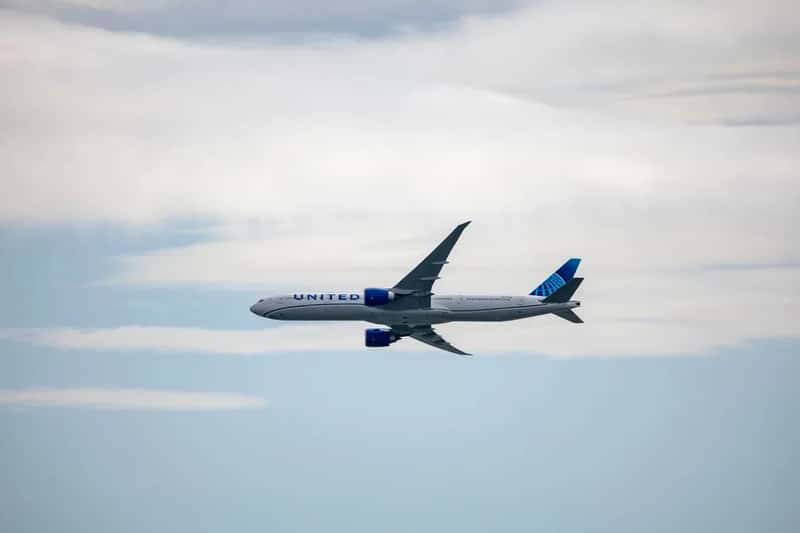
Oliver Wyman’s review of first-quarter results found that global airlines capitalized on strong demand, resulting in improved unit revenues and higher margins[1]. In the index it tracks, worldwide capacity expanded by 3.7% while revenue rose 11.4%[1]. In other words, the quarter looked healthy before the fuel shock fully landed.
That’s why the cuts feel counterintuitive. Airlines aren’t pulling back because planes are empty. They’re pulling back because, on some flights, the money coming in no longer covers the cost of flying them, even when seats sell.
A Jet Fuel Shock Changed the Math
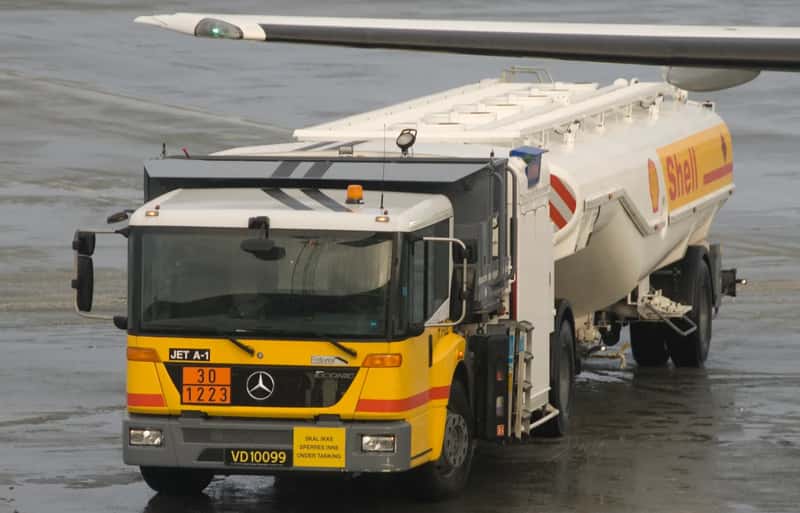
Fuel is the main driver. Oliver Wyman noted that the conflict in the Middle East and the blockade of the Strait of Hormuz hit airlines hard, with fuel prices peaking with an 80% jump in April[1]. It also noted that IATA puts the average jet fuel price at $152 per barrel in 2026, an almost 70% year-over-year increase[1].
The pain hasn’t faded by autumn. One report put jet fuel at $4.51 a gallon for the week ending September 18[2], and said that was nearly 80% above year-ago levels. Fuel is among an airline’s biggest costs, so a jump like that can turn a marginally profitable flight into a money loser very quickly.
What American, United and Southwest Are Saying
The messaging has been fairly direct. CNN reported that executives from United, American and Southwest said at an investors conference that they expect to eliminate cheaper, less profitable flights in the final months of the year[3]. Southwest CFO Tom Doxey put it plainly: “If fuel is higher-for-longer, I think that’s a natural response… that you trim some of that capacity off.”[3]
United has already acted in part. According to a report citing Airways, United CFO Michael Leskinen confirmed the airline has trimmed unprofitable segments from its December schedule[2]. The word “if” in Doxey’s comment matters, though. These are conditional moves tied to where fuel prices go, not permanent retreats.
Which Flights Are Actually Getting Cut
These aren’t broad groundings. Earlier this year, one aviation analysis of United’s roughly 5% reduction noted that United is not grounding planes across the board; it is targeting flights that become unprofitable when fuel is this expensive[4]. The same piece described cuts concentrated in off-peak flying such as midweek, Saturday and overnight departures, plus some international routes that were suspended.
That pattern tends to repeat across the industry. Airlines protect peak-day, high-yield flights and shave the weakest frequencies, which is why travelers often notice fewer departure times rather than a vanished route. The cheapest seats usually sit on those off-peak flights, so even a modest trim can remove a disproportionate share of low fares.
Spirit’s Shutdown Removed a Big Chunk of Seats
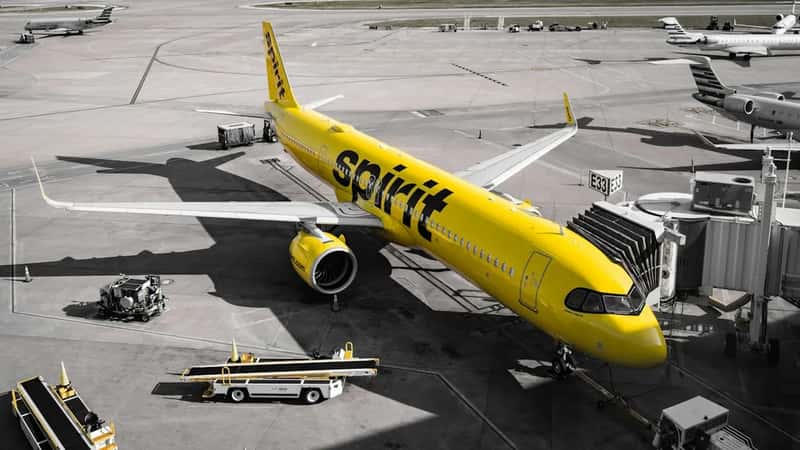
Not all of the capacity loss is a deliberate choice. Spirit Airlines began an orderly wind-down of its operations on May 2, 2026[5], after talks over a federal rescue failed. CNN reported that Spirit ranked as the eighth-largest U.S. airline in 2025 by the number of seats offered[6].
Spirit was already in trouble. CNN noted the company was in serious financial trouble well before the Iran war sent jet fuel prices surging[6], though Oliver Wyman also listed its exit as a factor reducing U.S. capacity. Local effects are visible too: Las Vegas airport reported August passenger traffic down 9.2% from a year earlier, and the report tied part of that to Spirit’s departure.
Airlines Went Into the Spike Mostly Unprotected
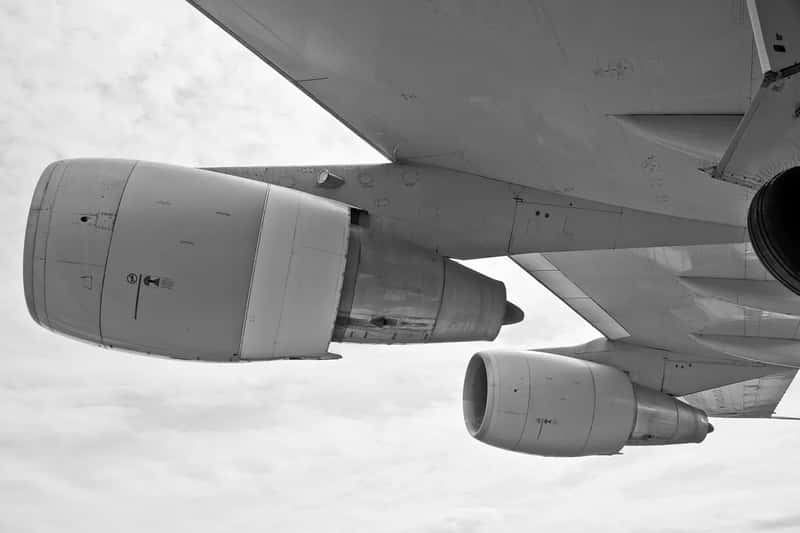
A big reason the fuel jump hurts so much is that few carriers were insulated from it. An April 2026 American Airlines securities filing explained that relatively low fuel prices for a long period had caused most major airlines to abandon hedging of jet fuel[7]. It added that even airlines that continued to hedge had not protected themselves from such an unprecedented jump[7].
The same filing noted that the industry had already begun announcing fare hikes, capacity cuts and fuel surcharges. Put simply, airlines had fewer financial shock absorbers than in earlier fuel spikes. That leaves schedule changes and higher prices as the main levers.
Planes Are Hard to Get, So Growth Was Already Limited
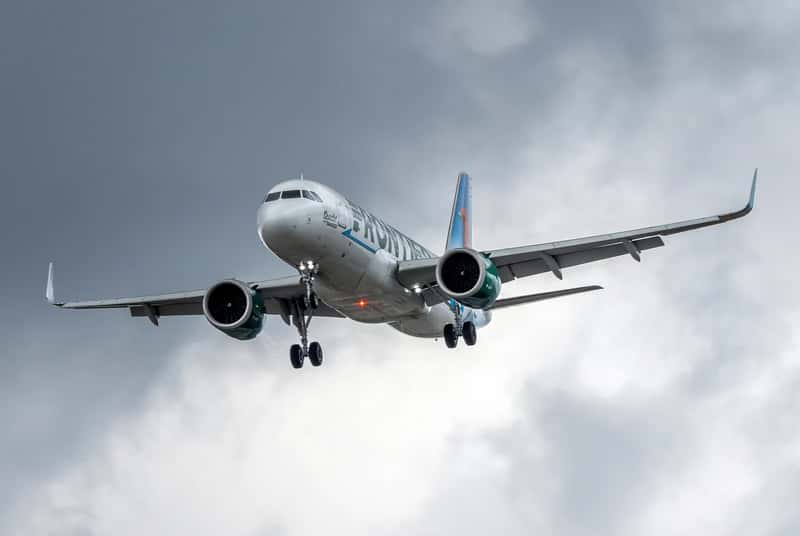
Even carriers that wanted to grow have faced a tight aircraft market. Airbus CEO Guillaume Faury said significant Pratt & Whitney engine shortages were continuing to stall deliveries of A320neo and A321neo aircraft[8]. Those engines power some 40% of the global A320-family fleet[8], and Airbus set a 2026 delivery target of 870 aircraft, below what some analysts expected.
Frontier’s second-quarter 2026 filing, as summarized by one analysis, says the carrier continues to experience Airbus delivery delays[9]. With new aircraft arriving slowly, airlines have little room to expand, so each existing plane has to earn its keep. A plane flying an unprofitable route is a plane that could fly a better one, which strengthens the logic for trimming.
What This Means for Fares and Travelers

Fewer seats chasing the same number of passengers usually means higher prices. One industry report said domestic fares rose 26.5% in June and 25.5% in July[2]. CNN also warned that Spirit’s exit may result in higher fares across the entire U.S. airline industry[6].
There’s a possible catch for airlines. The American Airlines filing cautioned that a long conflict will likely result in an overall decrease in demand as fares go up[7], so strong demand isn’t guaranteed to last. For travelers, the practical advice is to book holiday trips early and stay flexible on dates, since the cheapest off-peak flights are the likeliest to vanish.
The Bottom Line
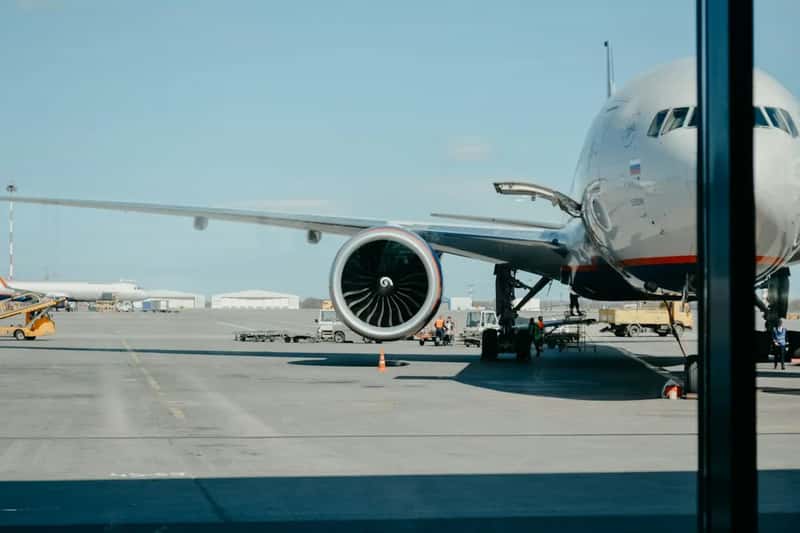
Airlines are cutting flights not because people stopped flying, but because the economics of certain flights broke when fuel soared, Spirit disappeared and new aircraft stayed scarce. Executives have framed the moves as targeted trimming of the least profitable flying, and they’ve tied further cuts to how long fuel stays expensive.
If fuel eases, some of this capacity could return. If it doesn’t, expect thinner schedules and pricier tickets, a reminder that a full plane doesn’t always mean a profitable one.