Vietnam rose quickly to become the world’s second-largest coffee producer. The country now accounts for nearly 40 percent of global Robusta exports, with the vast majority of output coming from the Central Highlands. That expansion reshaped the region’s landscape over thirty years.
Production Scale and Forest Cover Changes
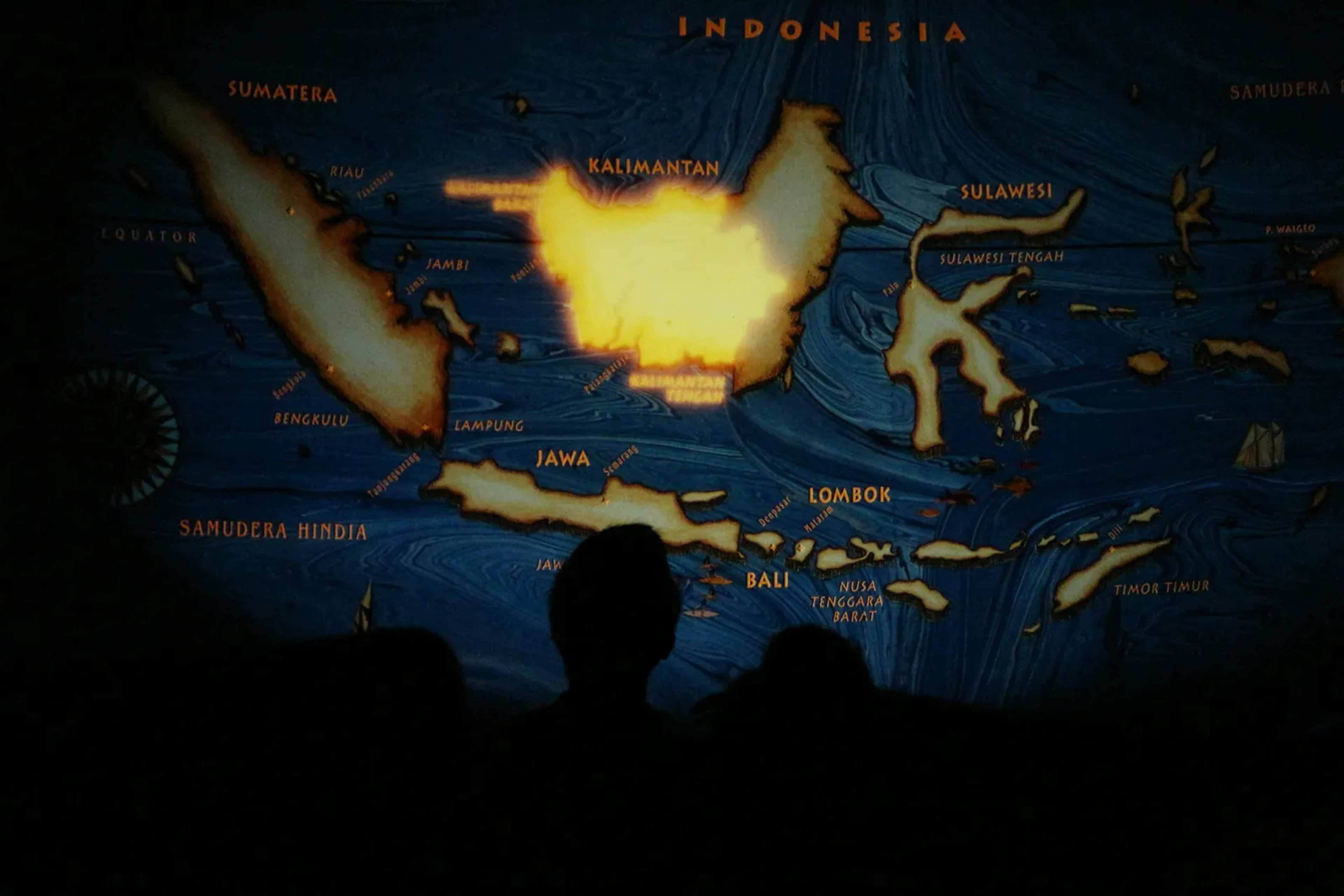
The Central Highlands generate 95 percent of Vietnam’s coffee. Satellite analysis and government records show tropical forest cover there fell from 42.8 percent in 1990 to 19 percent by 2020. The steepest decline occurred between 1995 and 2010, after which losses slowed and remained low through the early 2020s. Remaining forest patches now sit mainly on steeper slopes and higher elevations. Many of these areas fall inside protected zones. The pattern left a more fragmented landscape across the coffee-growing belt.
Policy and Financing Drivers
Government programs and international development support encouraged rapid planting of coffee trees. Officials viewed the crop as a route to rural income and export earnings. Farmers responded by clearing land where conditions allowed. The approach produced steady output gains for decades. It also concentrated production in one region that proved highly suitable for Robusta varieties. Over time the same policies left less room for natural forest recovery.
Ecological Effects on Soil, Water, and Habitats
Loss of forest cover altered water cycles and reduced soil stability in many districts. Erosion increased on cleared slopes, while moisture retention declined in exposed areas. Carbon storage capacity dropped as mature trees disappeared. Farmers faced a growing need for fertilizer to sustain yields on depleted soils. This created a cycle of higher input costs. Habitat fragmentation also changed conditions for local wildlife and pest populations. The Coffee Watch investigation documented these shifts through combined satellite imagery and official statistics. The nonprofit described the outcome as a “nutrient treadmill” that raised long-term production expenses.
Climate Pressures and Outlook
Rising temperatures and more variable rainfall now add stress to existing coffee areas. The report estimates that half of Vietnam’s Robusta belt could become unsuitable for the crop under continued climate trends. Growers may need to shift to new varieties or different elevations. Some producers have begun exploring shade systems or agroforestry practices. These steps aim to restore some of the protective functions once provided by natural forest cover. Success will depend on coordinated support from both local authorities and international buyers.
Key points
- Central Highlands forest cover dropped sharply from 1990 to 2020.
- Policy incentives accelerated coffee planting across the region.
- Soil, water, and habitat impacts continue to affect farming costs.
- Climate change threatens future suitability of current growing zones.
The story of Vietnam’s coffee sector shows how export success and landscape change can unfold together. Decisions made decades ago still shape both yields and environmental conditions today.