Ask any remote worker what actually keeps them up at night before a big move, and cost of living usually loses out to one unglamorous detail: the connection. A gorgeous apartment with a view means nothing if a client call drops every ten minutes. Over the past few months, we talked with remote workers scattered across coworking spaces, nomad Facebook groups, and forums, comparing notes on where the wifi has genuinely held up under pressure.
The answers were messier than expected. Everyone had a city they swore by, and a few had cities they swore at. One destination, though, kept showing up in conversation after conversation, and not always for the reason people assumed going in.
How nomads actually judge “fast” wifi

Most remote workers do not care about theoretical top speeds. What matters day to day is whether a video call survives without freezing, and whether an upload finishes before a meeting starts. Industry guidance generally lands on 25 to 50 Mbps as a realistic working minimum for calls and cloud based work, with heavier tasks like large file transfers or video editing pushing that closer to 25 to 50 Mbps as the realistic minimum for video calls and cloud based work, with 100 Mbps and above the target for large file transfers or video editing.
Reliability tends to matter more than raw numbers. A separate guide for US based nomads puts it simply, recommending nomads aim for at least 25 Mbps download and 5 Mbps upload, with 50 or more Mbps being safer for large files or streaming. Latency and upload speed, not just download, decide whether a call actually feels smooth on the other end.
Lisbon, Portugal, the polished favorite

Lisbon shows up on nearly every nomad shortlist, and the infrastructure backs up the reputation. One long running digital nomad guide describes what visitors find on arrival as high-quality internet, plenty of people speaking English and a good number of co-working spaces, calling the city’s connectivity excellent high-speed broadband and strong digital nomad infrastructure.
The city also makes staying easy on paper. Portugal offers a new Digital Nomad Visa (D7) for remote workers earning roughly €2,800 a month, which explains why so many nomads treat Lisbon as a default base rather than a novelty stop. It rarely wins outright in speed comparisons, but it almost never disappoints either.
Chiang Mai, Thailand, the old guard that still delivers

Chiang Mai has been on nomad lists since before the term was common, and its wifi reputation has aged well. Local infrastructure runs on established fiber networks, and CAT Telecom and TRUE fibre are widely available, with most coworking spaces running 100 to 500 Mbps connections.
Travel guides echo the same point from a different angle, describing the city’s internet availability simply as fast, reliable WiFi, abundant coworking spaces. The tradeoff nomads mention most is seasonal air quality during burning season, not connectivity, which says a lot about how far the city’s networks have come.
Ho Chi Minh City, Vietnam, fast fiber at scale
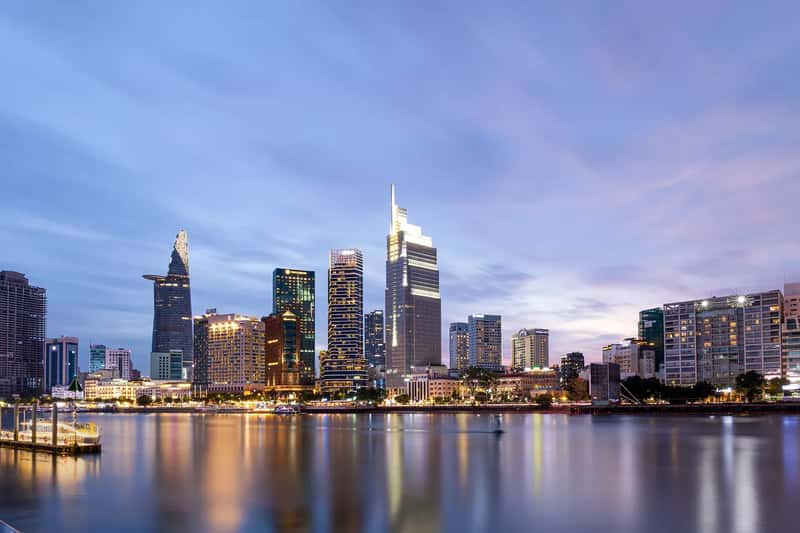
Vietnam’s biggest city rarely gets the same social media attention as Bali or Lisbon, but the numbers are hard to argue with. One 2026 guide notes that internet quality in Ho Chi Minh City has improved dramatically, with most co-working spaces offering 100 to 300 Mbps fibre and fast, inexpensive mobile data on Viettel and Vietnamobile.
Coworking options have kept pace with that infrastructure. Premium spaces like Dreamplex and CirCO now compete on price and reliability, and a Vietnam focused coworking guide points out that Ho Chi Minh City has the most options, with Dreamplex leading the premium segment and CirCO covering the creative crowd. For nomads who want city energy without sacrificing bandwidth, it is a quiet powerhouse.
Tbilisi, Georgia, the quiet contender
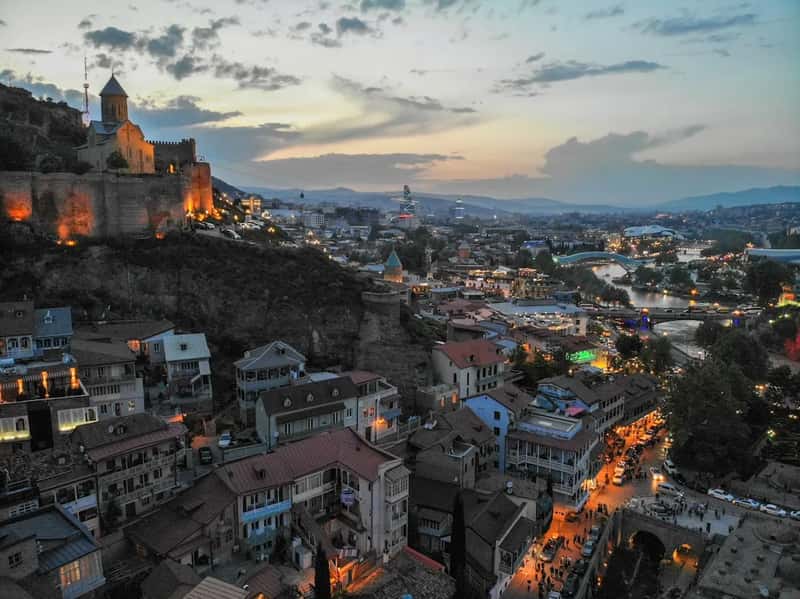
Georgia’s capital shows up on more “underrated” lists every year, and the wifi is a real part of that pitch. One recent roundup calls Tbilisi one of the best-kept secrets among the top digital nomad countries in 2026, thanks partly to the Remotely From Georgia programme offering up to a year for remote workers.
That legal ease pairs with genuinely usable internet. A separate destination guide lists Tbilisi’s connectivity as reliable and fast internet, growing digital nomad appeal, and its visa route requires only remote workers earning at least $2,000 a month. It is not the flashiest option, but it is one of the easiest to actually commit to.
Mexico City, Mexico, the time zone advantage
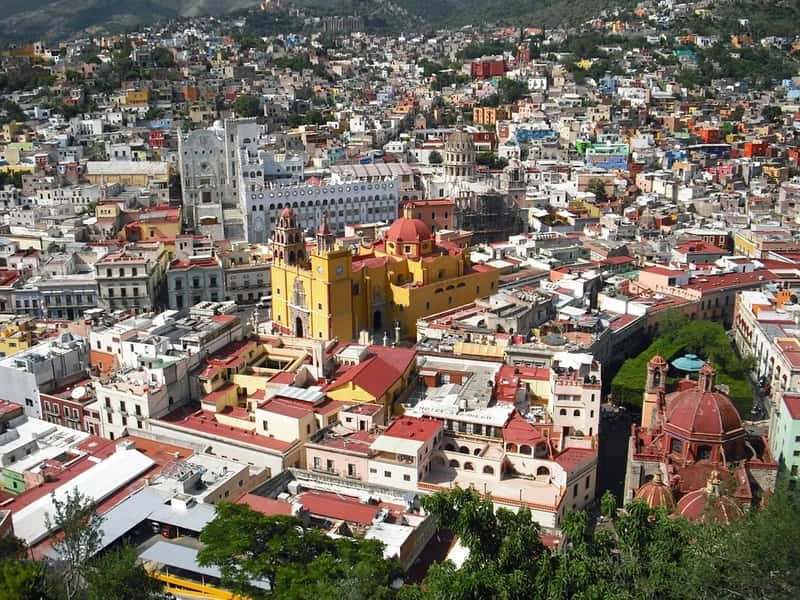
For nomads working with US clients, Mexico City solves a problem no speed test can fix: overlapping business hours. The infrastructure holds up its end too, with major nomad hubs offering stable connections, plus a time zone advantage that is a major plus for remote workers working with US clients.
One travel guide summarizes the city’s appeal bluntly, calling Mexico City the urban command center for North America based nomads who need proximity without sacrificing city amenities. It rarely tops pure speed rankings, but for a huge segment of remote workers, it is the most practical choice on this list.
Medellín, Colombia, eternal spring and steady signal

Medellín has spent the last several years shedding its old reputation and building a new one around livability, and the internet has quietly kept pace. One digital nomad guide describes the city’s connectivity plainly, noting it offers stable and fast internet, with good coverage across the city.
Another guide credits the city’s rise partly to that same reliability, pointing out that Medellín offers reliable fast internet and a growing nomad community. Combine that with a climate that barely changes month to month, and it is easy to see why so many nomads treat Medellín as a long stay rather than a stopover.
Budapest, Hungary, Europe’s value pick
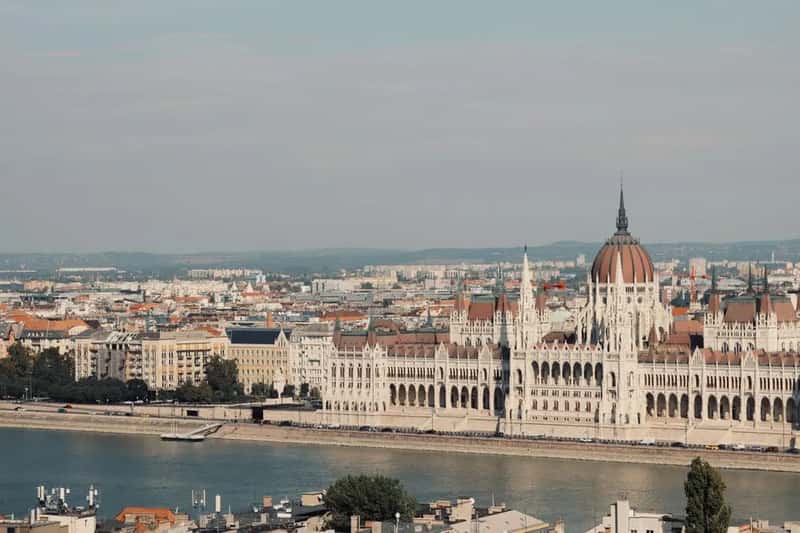
Budapest rarely wins the flashiest awards, but it consistently lands on value focused rankings. One 2026 stats roundup lists it directly among the destinations offering the best combination of price and infrastructure, noting best value cities for affordability without compromising quality of life include Budapest, Kuala Lumpur, Ljubljana, Santiago and Panama City.
Hungary has also made staying simple. A recent city ranking notes that Hungary’s White Card, its digital nomad visa, puts Budapest firmly on the map, giving remote workers a legal, affordable base with connectivity that rarely gets complaints. It is the kind of city that wins on consistency rather than headlines.
Da Nang, Vietnam, and the city that actually won
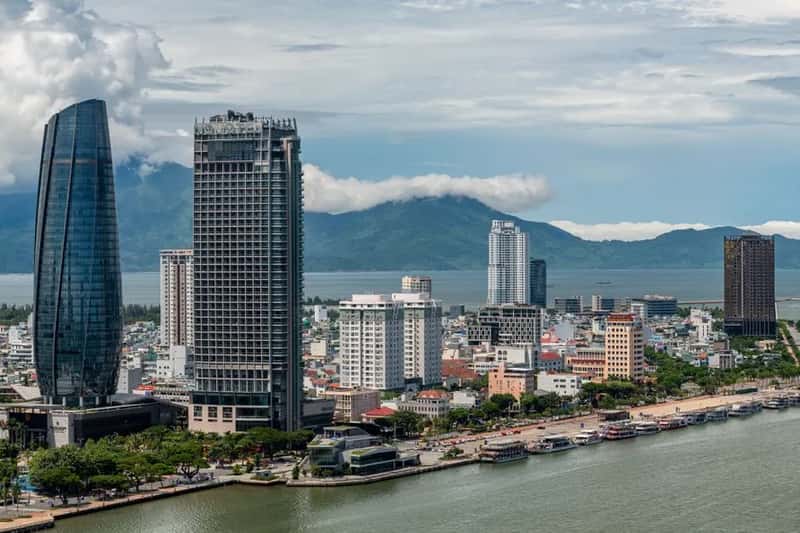
This is where the informal polling kept landing, and it surprised more than a few of the people we spoke with. Independent speed testing backs up the enthusiasm: as of May 2026, average Wi-Fi speeds in Da Nang measured 132 Mbps download and 68 Mbps upload, comparing favorably to many major cities around the world. Coworking spaces push well past that baseline, with cafes and dedicated workspaces around the city routinely running 50 to 100 Mbps as the standard at coworking spaces and serious cafes.
The picture is not perfectly uniform, and it is worth saying so plainly. One deep dive into the city’s infrastructure points out a genuinely confusing data point, noting that community reported average internet speed on one platform sits at just 9 Mbps, a figure that likely reflects older cafe wifi or aging apartment connections rather than the real infrastructure available. The same source clarifies that Vietnamese ISPs like FPT actually offer residential fiber at 280 to 310 Mbps for around $7 a month, which lines up with what most working nomads report experiencing. Forbes has taken notice too, having named Da Nang one of the world’s top 8 digital nomad cities for 2026, one of only two picks in Asia alongside Chiang Mai. It is not a perfect city, and the wifi conversation depends a lot on which neighborhood and which provider someone lands with, but enough nomads have had consistently good experiences that it edged out more famous names in our informal rounds.
What separates good wifi from great wifi

Looking across every city in this piece, a pattern emerges that has less to do with geography than with infrastructure choices. Fiber heavy markets in Southeast Asia and Eastern Europe often outperform bigger, wealthier cities simply because their networks were built more recently and with less legacy cable infrastructure to work around. The general guidance holds steady everywhere: for genuinely demanding remote work, 25 to 50 Mbps is the realistic minimum for video calls and cloud based work, while large file transfers or video editing call for 100 Mbps or more.
What nomads kept coming back to in conversation was not headline speed but consistency, the sense that a connection would hold through a full workday without needing a backup hotspot. That is really what “winning” means in this context. It is less about which city posts the fastest single speed test, and more about which one lets people stop thinking about their wifi at all.
The takeaway

Fast wifi has quietly become one of the deciding factors in where digital nomads choose to land, sometimes outranking cost of living or even climate. The cities that keep winning informal polls like this one tend to share the same traits: modern fiber infrastructure, dense coworking ecosystems, and enough day to day reliability that remote workers stop noticing the connection entirely. That last point, oddly, might be the highest compliment any city’s internet can earn.