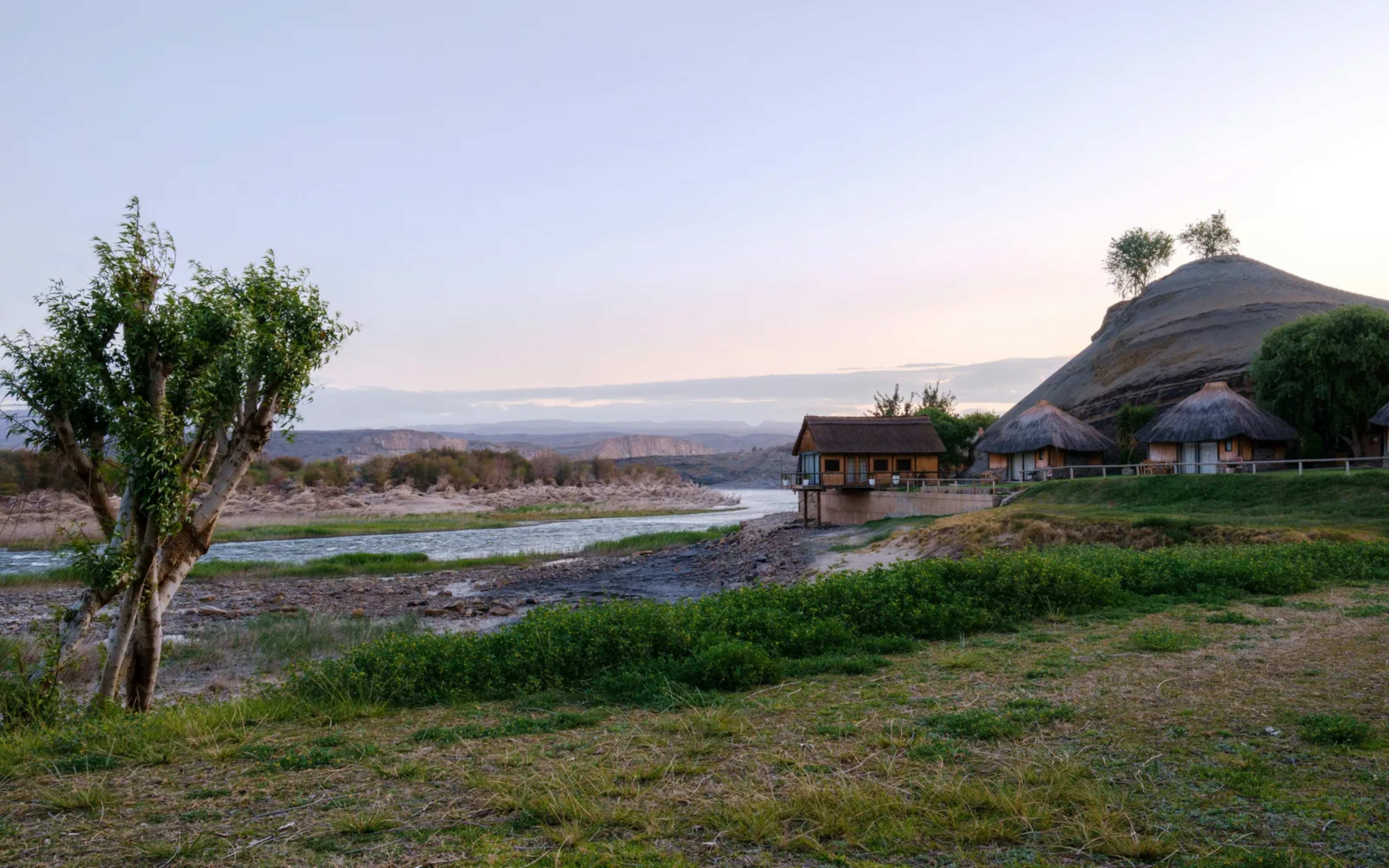
Two years ago we were living in a cramped apartment, juggling long commutes and a mortgage that felt like it would never shrink. Today we live in a stone house in a village of fewer than a thousand people somewhere in Italy’s inland hills, and almost nothing about our daily routine looks the same. This is the story of what actually happens when you trade a busy, expensive life for a much smaller one, and what we wish someone had told us before we packed the boxes.
Why We Traded City Life for a Hilltop Village
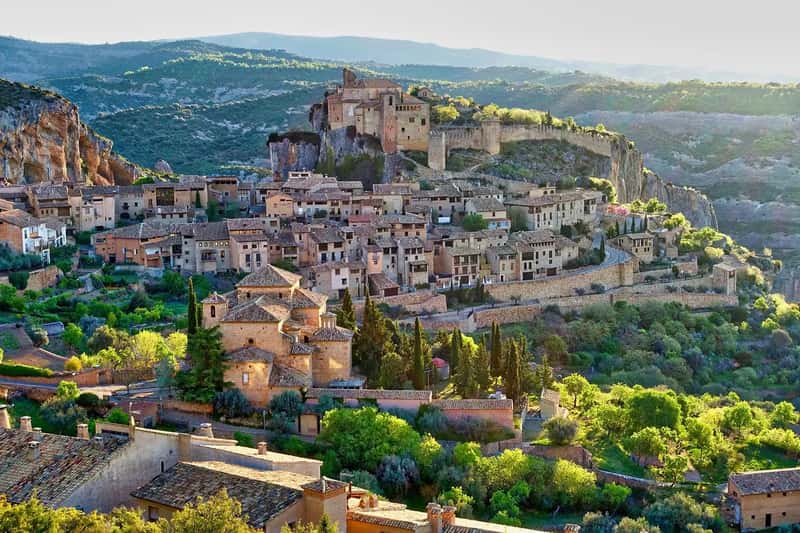
We didn’t wake up one day and decide to move to rural Italy on a whim. It was more of a slow realization that we were spending most of our income just to keep up with a lifestyle that didn’t actually make us happier. The noise, the traffic, the sense that everything was designed to keep us busy rather than content, all of it started to feel like a trap rather than a life.
What pushed us over the edge was simple math. Rent kept climbing while our free time kept shrinking, and we realized we could either keep chasing a bigger salary to afford a life we didn’t enjoy, or find somewhere that let us live well on less. Italy’s smaller towns kept coming up in our research, partly because of the well-publicized schemes designed to lure new residents into places that had been losing people for decades.
Chasing Italy’s Famous One-Euro Dream
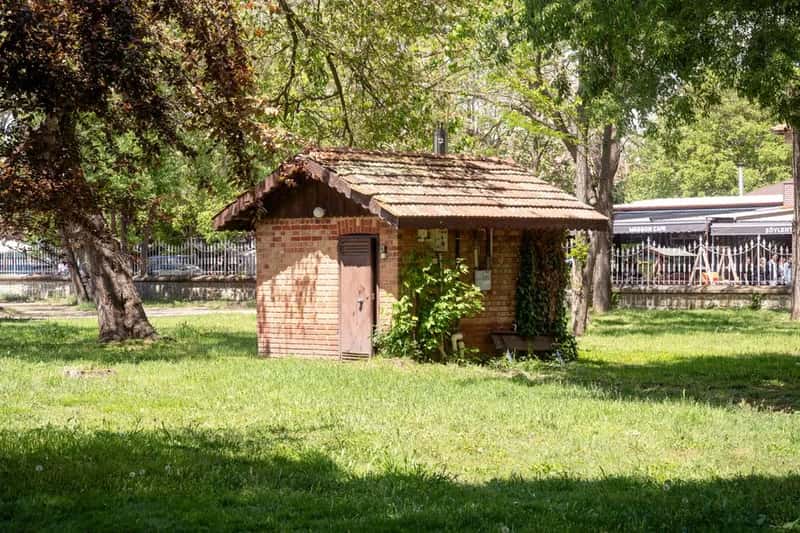
Like a lot of people who consider this kind of move, we first heard about Italy through the now-famous one-euro house stories. Buying a property for a symbolic price and bringing it back to life is an idea that has existed in Italy for more than 15 years, with the initiative beginning in Salemi, Sicily, in 2008 before gradually spreading across the country. It sounded almost too good to be true, and in some ways it is, but the underlying reason it exists is very real.
Depopulation, especially in inland and mountain areas, has pushed many local councils to get creative in attracting new residents. These aren’t marketing gimmicks dreamed up to sell newspapers. According to CNN Travel, Italy’s one-euro home schemes have generated thousands of inquiries from over 60 countries, which shows the demand for this lifestyle shows no signs of slowing down. We were just two more names on a very long list of curious outsiders.
The Fine Print Behind the Symbolic Price Tag
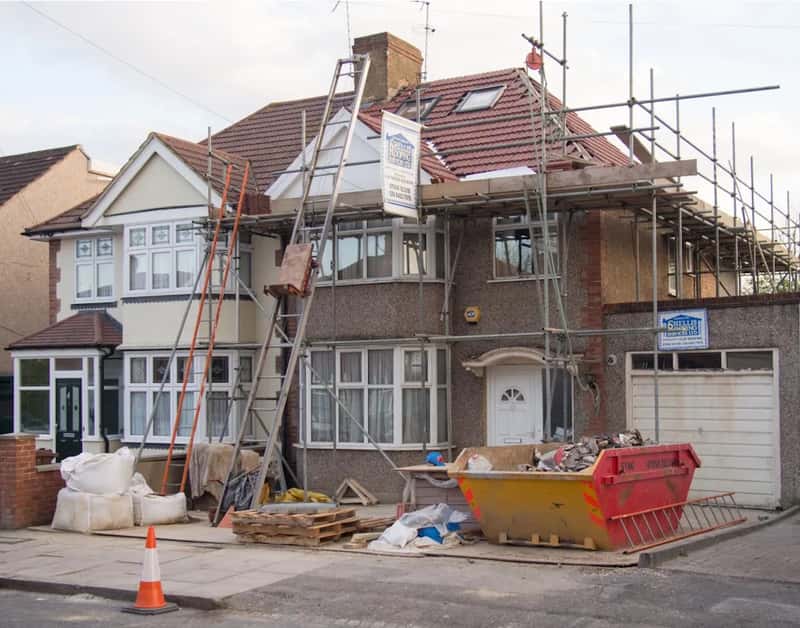
The one-euro number grabs headlines, but it isn’t really the point. The basic idea is that properties are offered for one euro on the condition that buyers commit to renovating them within a set time, often backed by a guarantee or security deposit. That renovation commitment is the real cost, and it can run into tens of thousands of euros depending on the property’s condition and the town’s specific rules.
Some villages have already completed their first rounds of the scheme, others reopen it periodically, and a few newer towns are still testing pilot projects of their own. We spent months comparing towns before settling on ours, because the deadlines, deposit requirements, and eligibility rules genuinely differ from one municipality to the next. Skipping that research is probably the single biggest mistake we see other newcomers make.
Understanding Why These Villages Emptied Out in the First Place
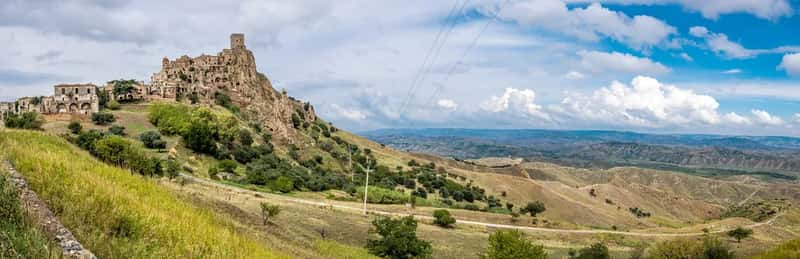
It helps to understand why so many of these places needed new residents at all. In Italy, more than 13.5 million people live in so-called internal areas, places more than 20 minutes from essential services like secondary schools, hospitals, and train stations, and these territories cover 60 percent of the national land but have been losing people for decades. Our own village fits that description almost perfectly.
The demographic pressure behind this isn’t going away soon. By 2024, Italy’s total fertility rate had fallen to about 1.18, well below the European Union average of 1.38 and one of the lowest rates in the world. Today, roughly a thousand Italian settlements meet the definition of a ghost town, and that number rises to around six thousand once abandoned hamlets and old mountain pastures are counted. Living inside those statistics changes how you see your own new neighbors, most of whom are older and have watched their children move away for work.
Making It Legal: Visas, Paperwork and a Lot of Patience

Moving somewhere beautiful means nothing if you can’t legally stay there, so bureaucracy became our second job for a while. Since we still work remotely for clients outside Italy, we looked closely at the country’s dedicated remote work option. The Italy Digital Nomad Visa was launched in April 2024 to allow highly skilled remote workers to conduct their business in the country, and importantly, nomads must work for a company based outside Italy.
The income and coverage requirements are specific and unforgiving. Applicants must earn at least €28,000 per year, hold a university degree or professional qualification, and have at least six months of remote work experience. Required documents include proof of accommodation in Italy, health insurance covering at least €30,000, and a valid work contract or business agreement. Once you’re actually in the country, everyday life quickly reminds you that paperwork never really stops, since you’ll need to obtain a codice fiscale, or Italian tax code, which becomes necessary for many aspects of daily life.
The New Rhythm of Small-Village Days
The pace of life is the change people ask us about most, and it’s the hardest to describe without sounding like a cliché. Shops close for hours in the afternoon, the piazza fills up around sunset, and everyone genuinely does know everyone else’s business within about a week of you arriving. There’s no anonymity here, which took some getting used to after years of being just another face in a crowded city.
What surprised us most is how much mental space opens up when you’re not constantly rushing somewhere. We plan our week around the local market days and the weather rather than a calendar full of meetings. It sounds small, but after years of city living, having actual unstructured time to think, cook, or just sit outside felt almost radical.
What Our Budget Actually Looks Like Now

Renovation costs ate into the savings we thought would last us years, and that’s a reality a lot of one-euro home stories gloss over. Italy has around 8.5 million unused homes according to a late-2025 report from the country’s National Federation of Building Ownership, which works out to roughly one in four houses sitting empty. Bringing even one of those back to life takes real money, real time, and a lot of patience with local contractors.
That said, plenty of towns are sweetening the deal to compensate. One Tuscan council, for example, announced it would cover half of the first two years’ rent for new tenants, on top of an existing scheme offering up to €20,000 toward the cost of buying a vacant property plus up to €6,000 in incentives toward energy bills and other services. Our own monthly costs for groceries, utilities, and general living now run a fraction of what we paid in the city, even accounting for the ongoing renovation bills.
The Trade-Offs Nobody Warns You About
It isn’t all sunsets and fresh pasta. The same distance from services that makes these villages affordable also makes them inconvenient, and specialist medical care or a decent pharmacy selection can mean a real drive. Fewer services tend to mean fewer residents, which triggers further emigration and further cuts, and when the local school closes, that’s when a village truly starts to feel like it’s dying. We’ve watched that slow erosion happen in real time in nearby towns even smaller than ours.
Loneliness is a real risk too, especially before you learn the language well enough to have a proper conversation at the bar. We underestimated how much effort it takes to build a genuine social life from scratch in a place where most residents are older and have known each other for sixty years. It gets easier, but nobody should assume it happens automatically just because the scenery is stunning.
What Actually Changed for Us
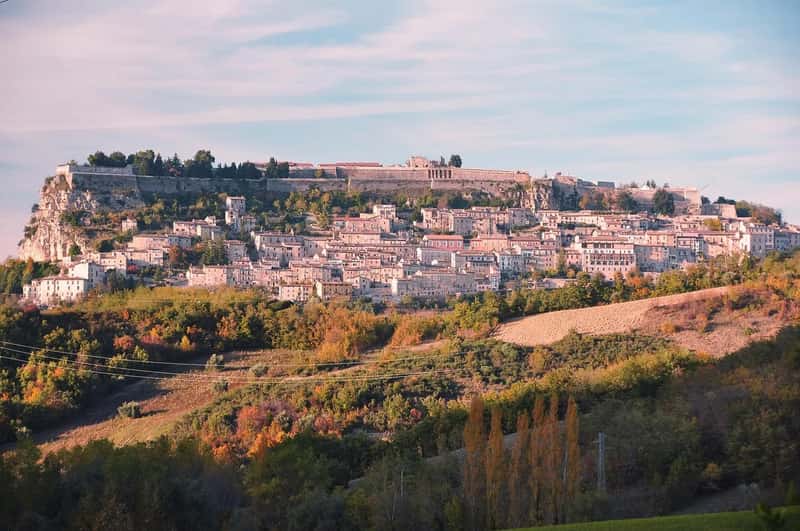
Looking back, the biggest shift wasn’t financial, even though our expenses dropped considerably. It was learning to measure a good day by how it felt rather than how much we accomplished. Slower mornings, closer relationships with a handful of neighbors, and a genuine connection to the land around us replaced the constant background noise of city ambition.
We’re not pretending this move fixes everything, and we still miss certain conveniences we took for granted before. Still, if you’re weighing whether a smaller, quieter life in an Italian village is worth the paperwork and the renovation headaches, our honest answer is that it depends entirely on what you’re running toward, not just what you’re running from. For us, it turned out to be exactly the trade we needed.