Two years into retirement in Panama, the palm trees still look the same and the humidity still catches you off guard on a Tuesday afternoon. What’s changed is the list of things we wish someone had told us before we packed up a house of thirty years and shipped it south. Some of those lessons cost us money. Others just cost us time we didn’t need to lose.
This isn’t a warning against Panama. It’s still one of the more sensible places for a retiree to land, and the numbers back that up. But there’s a real gap between the glossy retirement-index headlines and the day-to-day mechanics of actually living here, and that gap is where most of our regrets live.
We should have rented for a year before buying anything
We bought a house within four months of our first scouting trip, convinced we knew exactly what kind of life we wanted. We didn’t. What looked charming in the dry season turned out to be a different animal once the rains settled in for months at a stretch.
Real estate professionals who work with expats consistently flag this same pattern. Retirees who buy instead of rent should look beyond the purchase price, since building fees, maintenance, insurance, furnishing costs, and legal due diligence can materially change the total cost of ownership. A low listing price rarely tells the whole story, and we learned that the hard way with a maintenance fee schedule we hadn’t read closely enough.
We treated Panama like one place instead of several very different ones
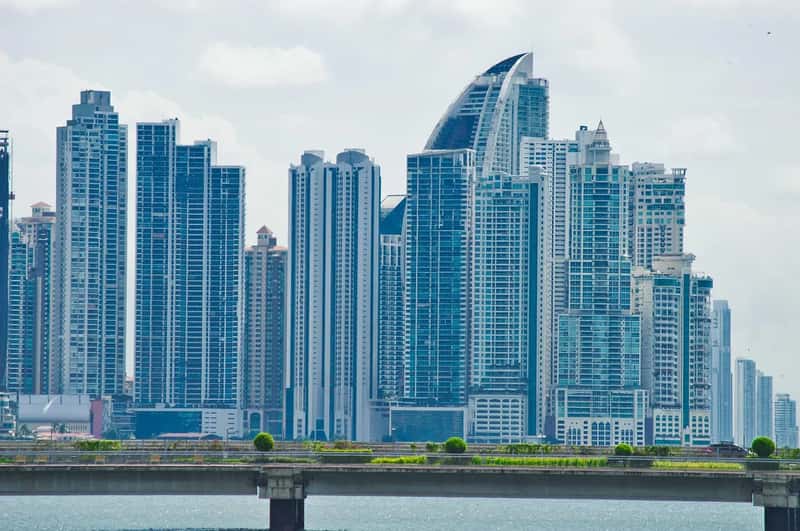
Before we arrived, “Panama” was a single mental image: dollar economy, warm weather, friendly discounts. It’s actually a country of distinct micro-climates and micro-lifestyles, and picking the wrong one means picking the wrong retirement.
Local guides who work with retirees see this confusion constantly. The biggest mistake is treating Panama as a single experience, since Panama City is very different from Boquete, Volcán is different from Coronado, and coastal, mountain, and city living each come with their own pace, costs, weather, and social scene. We settled in the highlands because we liked the cooler air, but we didn’t fully grasp how isolated that choice would feel until our third rainy season.
We underestimated how long banking actually takes
We assumed a U.S. dollar economy meant U.S.-style banking speed. It doesn’t. Panama uses the dollar, which removes currency risk entirely, but opening an account here still moves at its own unhurried pace.
Opening a bank account in Panama as a foreign resident can be a fairly easy process, though it can take a little time because things move a bit slower there. Banks also ask for more paperwork than we expected, and strict documentation requirements typically include a valid passport, proof of legal residency, proof of address, and sometimes a reference letter from a Panamanian citizen or a utility bill in the applicant’s name. We should have started that process the week we arrived, not months later.
We waited too long to take Spanish seriously
English gets you further in Panama than in most of Latin America, especially in expat pockets like Boquete or Coronado. That convenience became a crutch, and it slowed us down at the exact moments we needed to move fast, like dealing with a utility dispute or a pharmacy substitution.
The pattern is well documented among retirees who skip language study early on. Retiring in Panama without fluency in Spanish can create difficulties with tasks such as shopping, banking, and interacting with government offices, and while managing in English is possible, retirees who learn Spanish tend to fare better. We finally started lessons in our second year. We should have started before we even booked the moving truck.
We overestimated what the pensionado discounts would cover

The retiree discount program sounded like it would knock our budget down significantly, and on paper, it does. In practice, the savings show up in specific categories, not across the board.
The benefits are real but targeted. These benefits include 50% off entertainment like movies and sporting events, 30% off bus, boat, and train fares, 25% off both domestic and some international airline tickets, and 20% off medication. We had budgeted as if those percentages applied to groceries and rent too, and quickly had to recalibrate our monthly numbers once reality set in.
We didn’t plan properly for U.S. tax obligations
Moving abroad doesn’t mean stepping outside the reach of the IRS, and we treated that fact too casually at first. Panama itself is generous on this front, but the United States is not.
Panama doesn’t tax overseas retirement income, which lets savings go further. That said, American citizens remain on the hook back home. You still owe US federal tax on worldwide income, and there is no US-Panama tax treaty to soften that. We should have sat down with a cross-border tax advisor before the move, not after our first confusing filing season as residents abroad.
We didn’t budget for how much electricity swings by region and habit
We came from a climate where air conditioning was a given, and we assumed our utility bill would land somewhere predictable. It didn’t, and the variance surprised us.
Electricity turns out to be the most unpredictable line item for many retirees. Electricity is the budget category that varies most depending on personal lifestyle choices, because heavy air conditioning use can push monthly bills from fifty dollars to over two hundred dollars, a swing of up to one hundred fifty dollars based solely on cooling preferences. Choosing the highlands helped us dodge the worst of it, since the higher mountain elevation allows for cooler temperatures and helps reduce utility bills, as air conditioning is not necessary. Still, we wish we’d asked more specific questions about power costs before signing a lease near the coast during our first scouting trip.
We trusted the “cheap Panama” numbers a little too much
Online articles love to cite headline figures that make Panama sound impossibly affordable, and some of them are technically accurate for a very specific lifestyle. We built an early budget around those numbers and found our actual spending sitting noticeably higher.
The range is wide, and that’s the honest picture. One retiree in Panama City can live comfortably on $750 per month, while another in the same city spends nearly $2,000 per person, a difference that comes down to individual spending habits. For a more realistic couple’s budget, a couple in Boquete might rent a two-bedroom for roughly $900 to $1,300, spend $600 to $800 on groceries, hire occasional help, run a car, and land somewhere between $2,800 and $3,500 a month. We now plan around the higher end of these ranges, not the headline figure.
We should have mapped out healthcare before we needed it, not during an emergency
Healthcare research felt like a lower priority when we were healthy and focused on visas and moving logistics. Then came an unplanned hospital visit in our first year, and we scrambled to figure out which facilities, insurance plans, and specialists actually applied to our situation.
Panama’s medical infrastructure is genuinely solid in the right places. Panama ranks 62nd worldwide for healthcare in the 2025 CEOWORLD Health Care Index, and many doctors speak English and were trained in the U.S., with facilities such as Hospital Punta Pacifica considered among the best in Central America. Even so, many retirees choose international health insurance for faster appointments, private hospitals, and more comprehensive coverage while living abroad. We now carry that coverage, but we wish we’d compared plans before we needed one urgently.
We took too long to build a local network beyond other expats
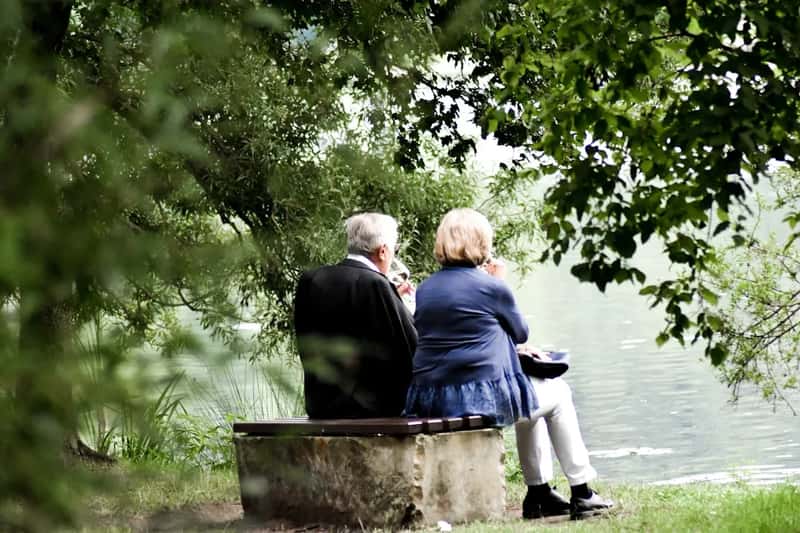
It’s easy to stay inside an English-speaking bubble in places like Boquete, where the retiree community is large and welcoming. We leaned on that comfort for longer than we should have, and it slowed our integration into the wider community around us.
The expat presence itself is substantial and well established. Boquete’s strong expat community makes it one of the best places in Panama to retire, with around 20% of the population coming from overseas, one of the biggest expat communities in the country. That’s a genuine asset, but relying on it exclusively meant we missed out on relationships and local knowledge that only come from stepping outside the familiar circle. Six months in, we started attending community events outside the usual expat calendar, and that single change did more for our sense of belonging than anything else we tried.
Final thoughts
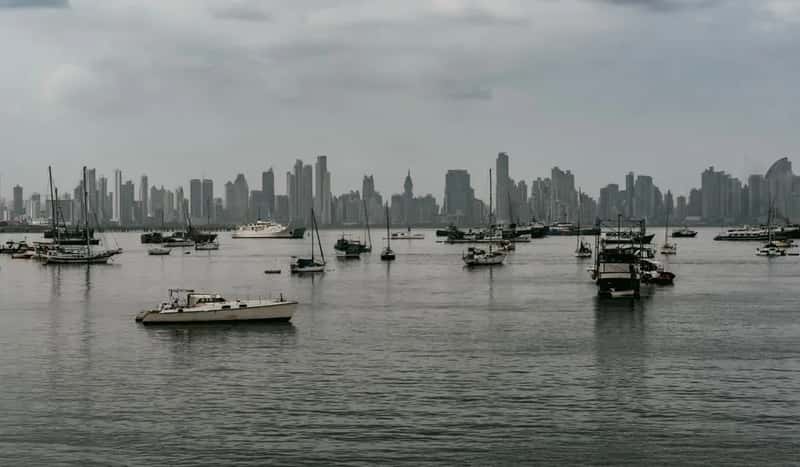
None of these lessons would have stopped us from making the move. If anything, they would have made the first year smoother and considerably less expensive. Panama still delivers on the fundamentals that drew us here: a dollar economy, a workable retiree visa, and a genuinely different pace of life.
What we’d tell anyone considering the same move is simple. Slow down before the big decisions, ask sharper questions about the specific town rather than the country as a whole, and build in more financial cushion than the cheerful blog posts suggest. The rest tends to sort itself out once you’re actually living it, not just planning for it.