Three years ago, moving abroad for retirement sounded simple enough. Pick a country, sort the paperwork, pack the essentials, and let the good weather do the rest. Portugal kept coming up in every conversation about affordable, sunny places to grow older well, so that’s where we landed.
What nobody mentioned in the glossy retirement blogs was how much would change between the planning stage and actually living there day to day. Tax rules shifted, visa timelines stretched, and the cost of living crept upward in ways we hadn’t budgeted for. Looking back now, there’s a list of things we’d handle very differently if we were starting the process today.
We rushed the D7 visa process instead of planning around the backlog
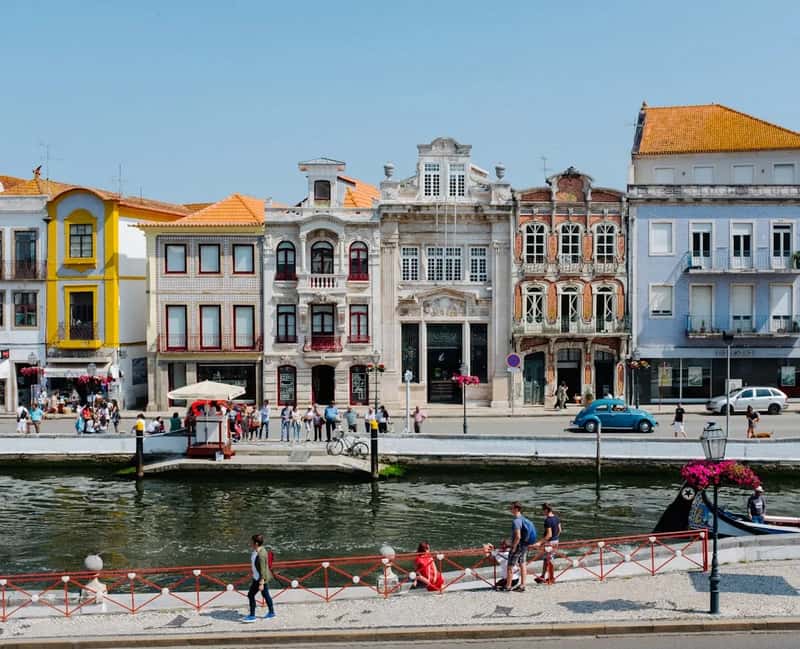
We assumed the visa would be the easy part, since Portugal’s D7 route is built for exactly our situation: retirees with steady passive income and no interest in local employment. The income threshold itself wasn’t the hard part. As of 2026, the D7 Visa income minimum is approximately €920 per month, or €11,040 per year, for a single applicant.
What caught us off guard was the wait. For many applicants in 2025 and 2026, the issuance of the residency card has taken more than four months, largely due to a massive backlog at AIMA. If we’d known that going in, we would have started the process a full year ahead of our planned move date instead of six months out, and we would have avoided some anxious weeks living in limbo on tourist status.
We banked on tax perks that don’t exist anymore

Part of the original appeal was Portugal’s famous Non-Habitual Resident tax break, the one every expat forum used to mention. We didn’t realize how quickly the rules had shifted. On January 1st, 2025, the NHR officially ended and was replaced by the IFICI Portugal tax regime, also referred to as NHR 2.0.
The new version isn’t built for people like us. IFICI is aimed at researchers, tech professionals, startup founders, and academics, not passive income or pensions. If you’re moving on a pension the way we did, don’t assume any special tax deal is waiting for you. Talk to a Portuguese tax advisor before you move, not after, so you know exactly what rate you’re working with.
We bought property before renting long enough to know the area

We fell for a whitewashed cottage on our second scouting trip and signed papers within a month. It felt romantic at the time. In hindsight, it was reckless, because six months later we realized the nearest decent pharmacy was a twenty-minute drive and the town went dead quiet outside tourist season.
Renting first is advice we now repeat to anyone who’ll listen. Visiting before you commit is strongly recommended, since a few weeks in different regions will tell you more than months of online research. We’d add to that: rent for at least six months to a year before buying anything. The property market has also gotten less forgiving of mistakes, since housing prices in Portugal have doubled in a decade compared to family incomes, according to the OECD in April 2026, so a poor purchase decision now costs more to unwind.
We underestimated private healthcare costs

Portugal’s public healthcare system has a solid reputation, and it deserves it. But we didn’t grasp how much we’d end up relying on private care once we actually lived there full time. The public healthcare system is often overburdened and understaffed, causing long waiting times, so those who can afford health insurance often prefer to use private healthcare.
We now budget more realistically for it. Retirees managing the same balance between systems have found that a combination of insurance, private visits, and medications running €200 to €300 per month is sufficient for typical retiree needs. We wish we’d built that number into our monthly budget from the start instead of treating private coverage as an occasional splurge.
We chose the Algarve for postcards, not daily life

The Algarve sold us on beaches and golf courses during a summer visit, and we didn’t think hard enough about what winter there actually feels like. Many towns quiet down dramatically once the tourists leave, and some of the conveniences we’d taken for granted in summer simply weren’t there in January.
We should have weighed our choice against quieter alternatives with lower costs and steadier year round life. Braga and Coimbra offer significantly lower housing costs, thirty to forty percent less than Lisbon, while providing excellent universities, healthcare, and cultural amenities. A region that feels magical on vacation doesn’t always suit a permanent routine, and we didn’t test that distinction thoroughly enough before committing.
We didn’t take Portuguese seriously enough
We told ourselves that English is widely spoken in the bigger cities, which is true enough at cafes and tourist spots. It’s a different story at the tax office, the local health center, or the town hall, where forms and staff conversations are almost entirely in Portuguese. Muddling through with hand gestures and translation apps got old fast.
We now wish we’d started lessons before the move rather than after. It also matters for the long game: citizenship applications require A2-level Portuguese language proficiency and a clean criminal record. Even short of citizenship, basic conversational Portuguese would have saved us dozens of frustrating errands during our first year.
We didn’t plan for how much the cost of living has climbed

Portugal’s reputation as a budget destination is a few years out of date now, at least in the popular areas. We planned our finances around older cost figures we’d read online, and reality landed somewhere higher. Lisbon rents have risen sharply in recent years, and the city is no longer the bargain it once was.
Even outside the capital, the numbers add up faster than expected. A single person can expect to spend between €1,200 and €1,900 per month in Portugal, including rent, with costs leaning toward the higher end in major cities like Lisbon or Porto. We’d build in a bigger cushion now, especially for the first year while you’re still figuring out where the local deals actually are.
We opened our bank account and got our NIF too late
The NIF, Portugal’s tax identification number, sounds like a minor administrative detail until you realize almost nothing else can happen without it. You need it to rent an apartment, sign up for utilities, or open a bank account, and we didn’t sort ours out until we’d already landed and lost weeks to it.
Getting these basics squared away before arrival, through a fiscal representative if needed, would have saved us an enormous amount of friction. Before any of the tax or residency steps line up, you need two administrative basics: a NIF and a Portuguese bank account. We treated it as paperwork to handle after settling in, when it should have been the very first task on the list.
We didn’t research the new citizenship timeline before we committed
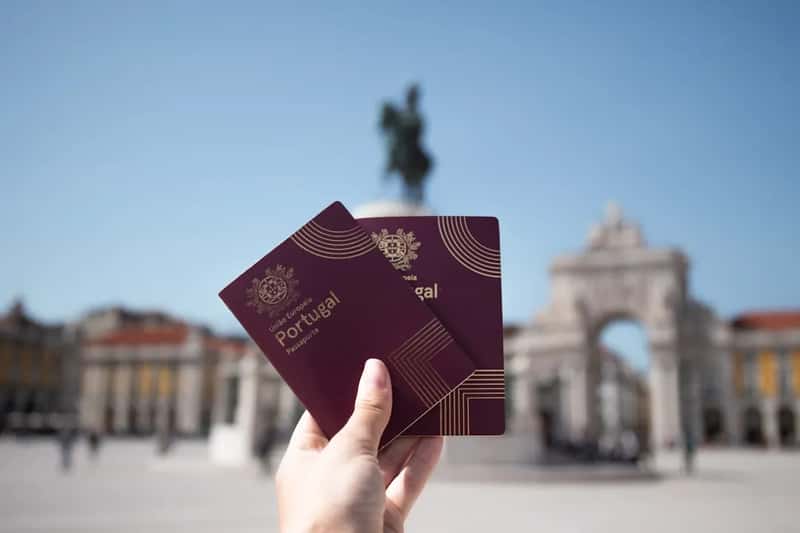
Part of our long term plan involved eventually applying for Portuguese citizenship, and we assumed the five year residency rule we’d read about would still apply when we got there. It didn’t hold up. After the implementation of Lei Orgânica n.º 1/2026, in force from May 19, 2026, most non-EU, non-CPLP nationals must complete ten years of legal residency before applying for citizenship.
Permanent residency is still reachable on the original timeline, which softens the blow somewhat. Permanent residency remains available after five years even under the new rules. Still, if citizenship itself was your endgame, it’s worth confirming the current requirements directly rather than relying on older articles, since the law changed mid transition for a lot of people already partway through the process.