Like so many people who packed up their lives and pointed a moving truck toward the Atlantic coast, the weather is what got us here. Three hundred days of sunshine a year sounds like a fairy tale when you’re coming from somewhere gray and damp for half the calendar. But somewhere between unpacking boxes in a Lisbon apartment and figuring out how to order coffee properly, we realized the sunshine wasn’t actually the thing keeping us here.
What kept us wasn’t the forecast. It was everything underneath it, the slower rhythm, the sense of safety, the healthcare that didn’t bankrupt us, and a culture that seems to genuinely value being present over being productive. This is the story of what actually made Portugal feel like home, told through the things we didn’t expect to matter as much as they do.
The Slower Rhythm Nobody Warns You About Until You’re In It
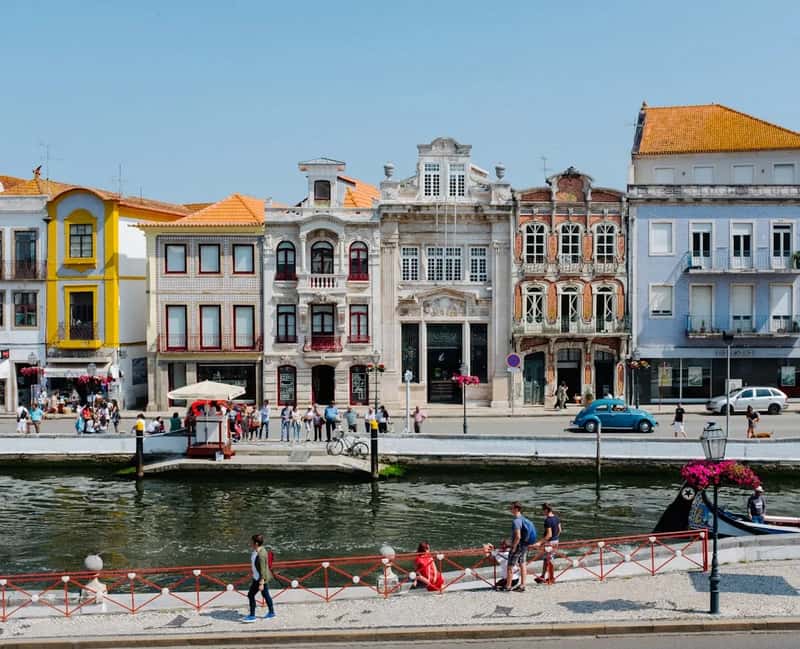
There’s a phrase that keeps coming up in every conversation about Portuguese life, and it’s usually delivered with a mix of admiration and mild frustration: slower pace of life. The Portuguese lifestyle is deeply rooted in tradition and this slower pace of living, with people enjoying long meals, social gatherings, and a strong sense of community. At first, it felt inefficient. Now it feels like the point.
This isn’t just a vibe expats invent to justify their move. According to the OECD Better Life report, 94% of Portuguese do not work long hours in paid work. That statistic showed up in our own life pretty quickly. Meetings that would have been rushed emails back home turned into actual conversations over coffee. Living in Portugal is about adjusting to a lifestyle where personal connections, routine pleasures, and a slower rhythm dominate over ambition or urgency, and expats who embrace this often thrive, while those who expect efficiency and fast-paced living may struggle. We were in the first camp, eventually.
Healthcare That Doesn’t Feel Like a Financial Trap
Coming from a system where a single ER visit could wreck a budget, Portugal’s healthcare setup felt almost suspiciously reasonable. Once you receive your physical residence permit from AIMA, you gain access to the Serviço Nacional de Saúde, Portugal’s public healthcare system, and registration requires your residence card and a local health center appointment to receive your SNS user number. It’s not instant, and it’s not always fast, but it exists, and it’s genuinely comprehensive.
Most expats we know, including us, still keep private insurance on top of the public system, mostly to skip waiting lists. Even with public access, many expats maintain private insurance to bypass wait times for specialists and access private hospital networks like CUF or Lusíadas. The price for that peace of mind is nothing like what we used to pay. Private health insurance, popular among expats, might range from thirty-five to eighty-five euros or more per person monthly, climbing with age and coverage. Healthcare in Portugal is some of the best in the world, ranked number twelve by the World Health Organization.
Feeling Genuinely Safe, Not Just Statistically Safe
Safety is one of those things you don’t fully register until you’ve lived without constantly thinking about it. We walk home late without a second thought now, something that wasn’t always true where we lived before. It turns out that’s not just a feeling we invented to feel better about the move. Portugal has once again proven its place among the world’s most peaceful countries, securing the seventh spot in the 2025 Global Peace Index, a ranking compiled by the Institute for Economics and Peace that assesses 163 countries using 23 indicators spanning safety, conflict, and militarisation.
What’s notable is that this isn’t a fluke year. The country previously reached as high as second place in 2017 and has remained a benchmark for peaceful living since first breaking into the top ten in 2015. Violent crime remains at an all-time low and continues to decline, with petty theft and domestic violence being the main criminal occurrences. That consistency matters more than a single good ranking. It tells you this is a structural feature of the country, not a lucky snapshot.
The Cost of Living Still Tilts in Our Favor, With Caveats
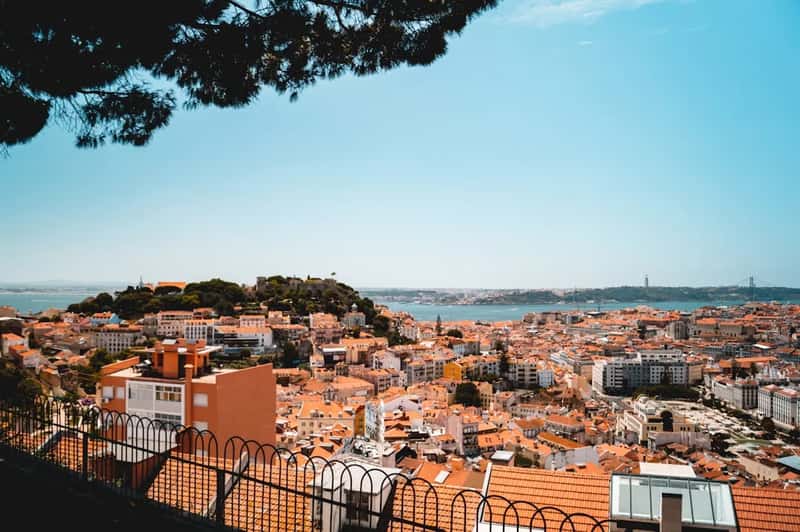
We’d be lying if we said Portugal is the bargain destination it was ten years ago. Rents especially have climbed, and anyone who tells you otherwise hasn’t checked a Lisbon listing recently. A single expat needs roughly two thousand to twenty-five hundred euros a month to live comfortably in Lisbon in 2026, with rent for a one-bedroom in the city centre running twelve hundred to eighteen hundred euros. That’s a far cry from the stories people told a decade ago.
Still, outside the capital, the math changes considerably. Portugal offers the lowest cost of living in Western Europe, where a couple can live nicely on twenty-five hundred to three thousand dollars a month outside of the major cities. Cost of living in Portugal is, on average, about thirty percent lower than in the United States, making it one of the most affordable destinations in Western Europe for expats, digital nomads, and retirees. We ended up somewhere between those extremes, comfortable but not lavish, which is honestly how most of the expats we’ve met describe their own budgets too.
The Table Is Where Portuguese Life Actually Happens
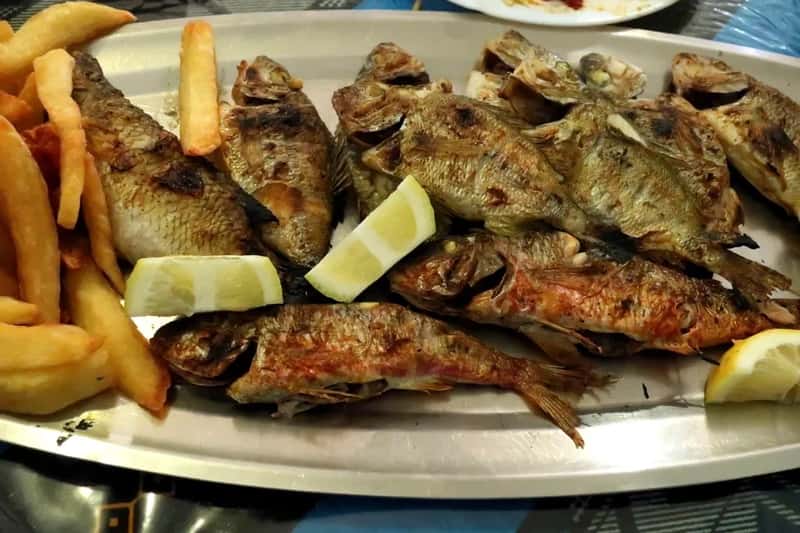
Nobody mentioned to us before moving how central food would become to our sense of belonging. Meals here aren’t just refueling stops between tasks. Food plays a central role in social life, with meals often lasting longer and emphasizing simplicity and quality, and family and community are deeply valued, shaping both social norms and business culture. That’s not marketing copy. It’s just how Tuesday lunch works.
Part of what makes this sustainable financially is how affordable eating well still is here. From sipping a coffee for less than one euro to tucking into a hearty meal in a mid-range restaurant for ten euros, food expenses are reasonably priced. There’s something almost radical about a culture where a proper sit-down lunch doesn’t require a financial calculation first. It reorganizes your relationship with time in ways that are hard to explain until you’ve lived it.
A Community That Takes Effort but Rewards It
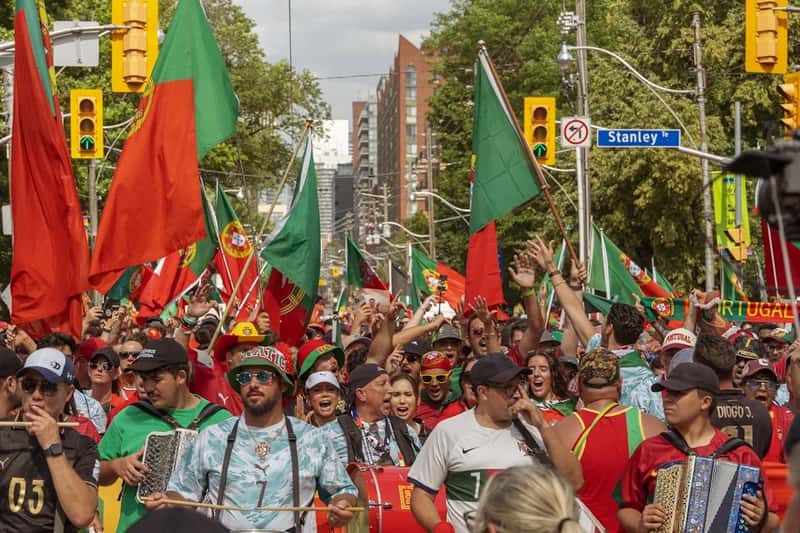
Nobody hands you friendships in a new country, and Portugal is no exception to that rule. While locals are friendly and helpful, integrating into Portuguese social circles can take time, especially in smaller towns where relationships are often generational, and learning Portuguese, even at a basic conversational level, can make a huge difference in building connections and navigating daily life. We learned this the slow way, through stumbling conversations at the mercado and awkward attempts at verb conjugations.
The expat side of the equation has its own texture too, and it’s grown considerably. Portugal is one of the most popular countries among expats with about 1.54 million foreigners residing in the country. Most expats in Portugal live in Lisbon, Porto, and the Algarve, with Lisbon attracting digital nomads and professionals, Porto offering a mix of culture and affordability, and the Algarve popular with retirees for its beaches and mild climate, while smaller towns like Cascais and Coimbra also have growing expat communities. Between the international crowd and the locals who eventually warmed up to us, we found something that felt like an actual social fabric, not just a rotating cast of fellow newcomers.
The Bureaucracy Is Real, and It Will Test You
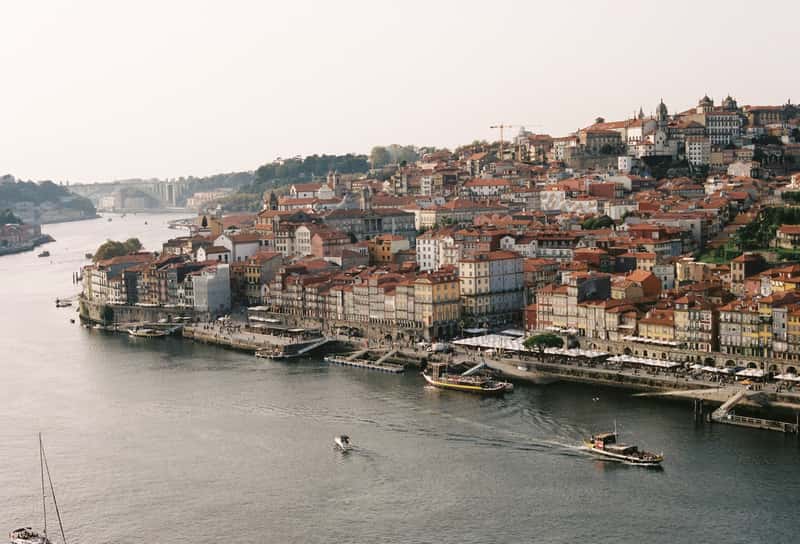
It would be dishonest to write about staying in Portugal without admitting the paperwork nearly broke us at several points. Residency applications, tax numbers, bank accounts, each step seems to require a document you don’t yet have. Living in a place like this means you won’t have all the conveniences you might be used to, and things can take weeks or even months to get sorted. That’s not an exaggeration for effect. It’s just accurate.
Even people who love their life here don’t pretend the system is efficient. Europe also moves at a much slower pace compared to the US on many things, such as opening a business, importing goods, and buying a home, and government office registration processes can be a genuine dread. The visa pathways themselves have also gotten more complex recently. Portugal approved revisions to its nationality law in 2026 extending the general citizenship eligibility period from five years to ten years for most applicants and seven years for EU and CPLP nationals, and the law came into force on May 19, 2026 after being signed by the President on May 3. If you’re planning a move, budget patience as generously as you budget money.
The Legal Path That Made This Possible
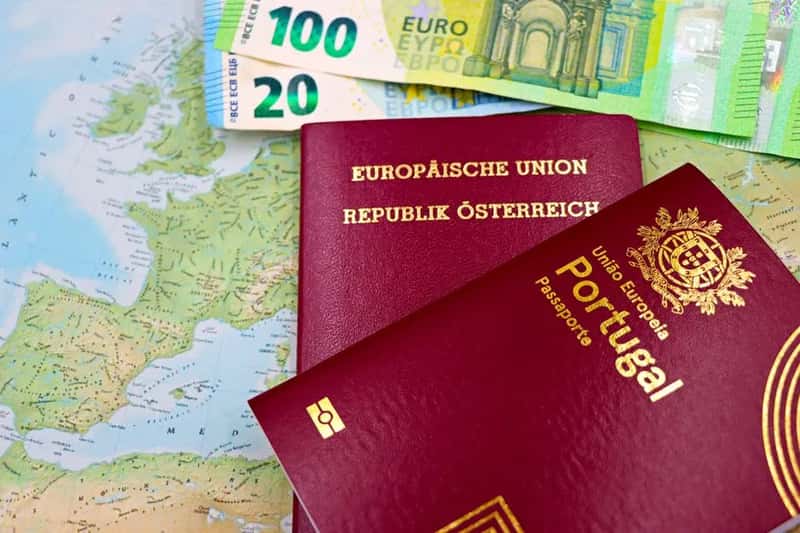
For those of us without EU passports, the D7 visa is usually the door we walked through, and it’s worth understanding what that door actually requires now. As of January 1, 2026, the Portugal D7 Visa minimum passive income requirement is 920 euros per month, totalling around 11,040 euros per year. That income can come from a variety of sources. This income can come from pensions, rental properties, investments, royalties, or long-term work contracts with companies.
What the visa gives you in return is substantial, even if the road there is winding. Holders can travel freely within the Schengen Area for up to 90 days in any 180-day period, access Portugal’s public healthcare and education systems, and bring close family members through family reunification. The process itself isn’t instant, but it’s manageable with the right expectations. The entire process, from initial preparation to receiving a residence permit, typically takes four to eight months. That waiting period tested us, but it delivered exactly what it promised.
Why We’re Not Rushing Back

If you’d asked us in year one what kept us here, we probably would have said the weather, because that’s what we told ourselves before we left. Ask us now, and the answer is different. It’s the unhurried lunches, the healthcare visits that don’t trigger anxiety about the bill, the walk home at night that doesn’t require vigilance, and the neighbors who eventually stopped being strangers.
None of this is a perfect picture. The bureaucracy is genuinely frustrating, rents in the big cities have climbed faster than salaries, and the citizenship timeline just got longer for people like us. Still, weighed against everything else, those trade-offs feel manageable in a way that surprised us. The sunshine got us on the plane. Everything else is what unpacked our lives and made us stay.