WestJet has completed a full refurbishment of the aircraft it acquired through its purchases of Swoop and Sunwing. The work covered every plane brought into the mainline operation from those two carriers. Public attention has focused on the updated interiors and improved appearance, yet one practical detail has received little notice.
Background on the Inherited Aircraft
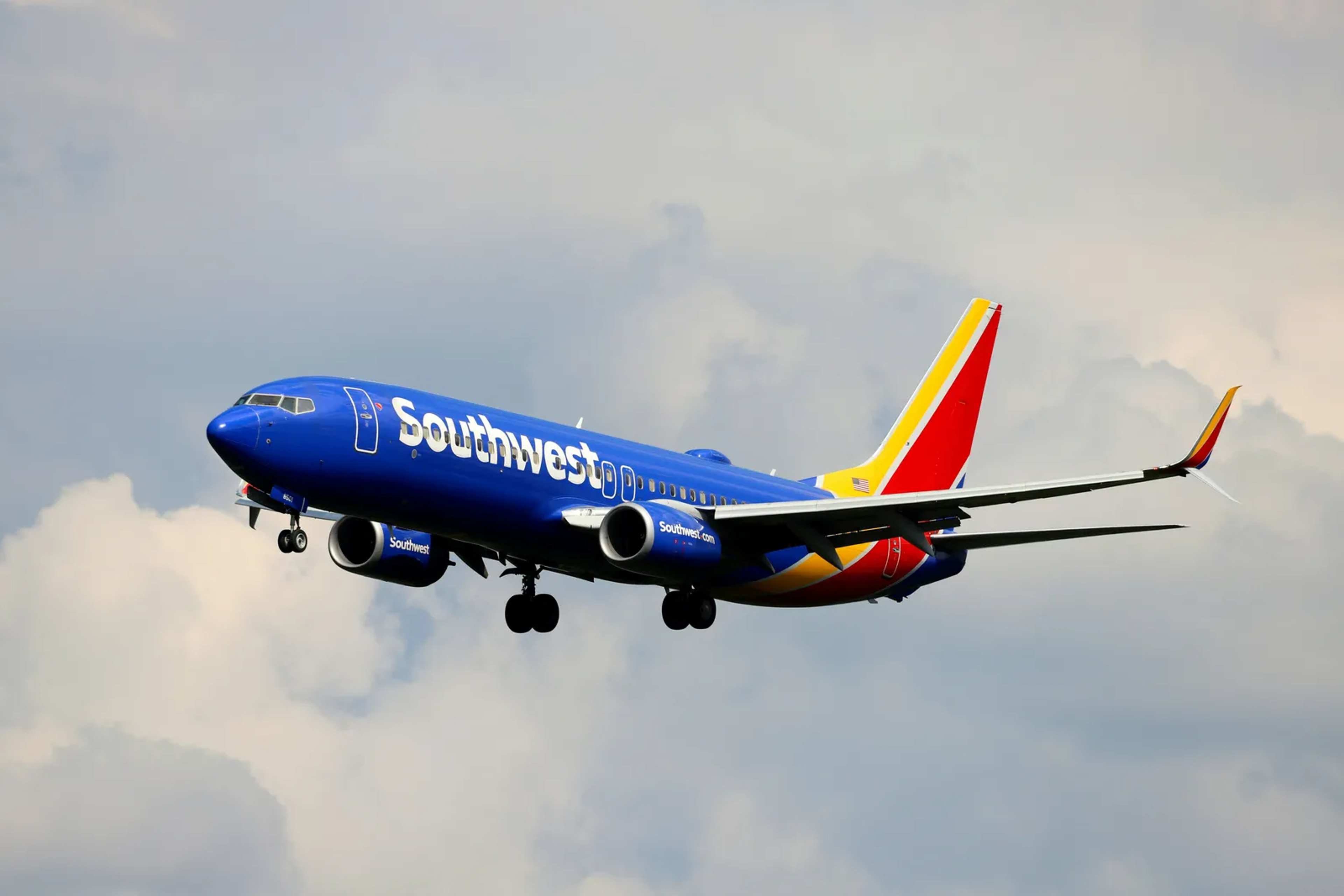
WestJet expanded its fleet by integrating planes previously operated by Swoop, its former ultra-low-cost subsidiary, and Sunwing, the leisure carrier it acquired. These aircraft entered service under the WestJet brand after the transactions closed. The refurbishment program addressed cabin finishes, seating materials, and overall presentation across the combined group. The effort aligned with the airline’s goal of presenting a consistent product to customers. Refurbished planes now feature updated colors and fixtures that match the rest of the WestJet fleet. Completion of the project removed the last visible differences from the acquired aircraft.
Scope of the Cabin Work
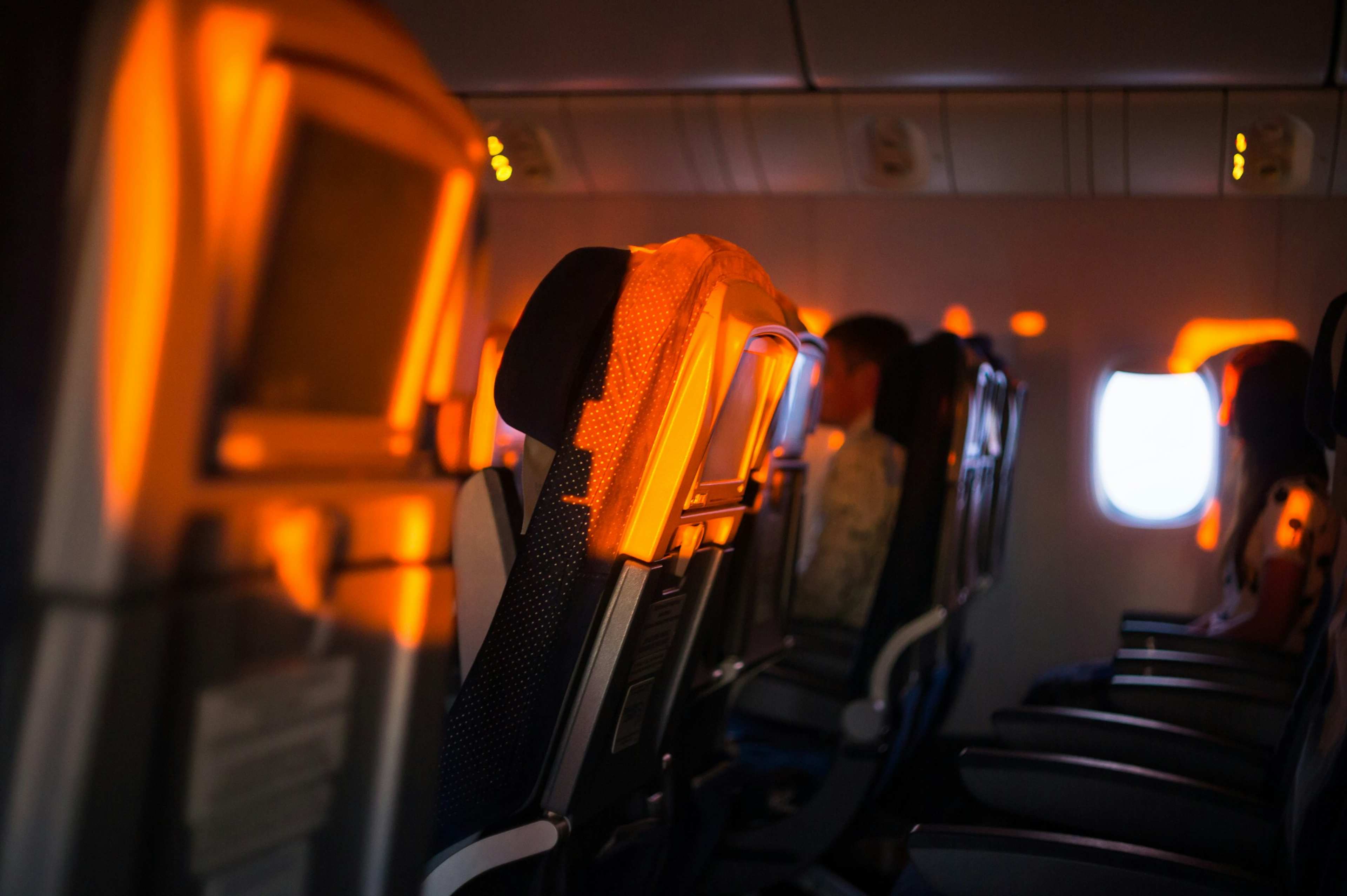
The refresh concentrated on cosmetic and maintenance items. New seat covers, carpets, and lighting were installed where needed. Galleys and lavatories received attention to bring them in line with WestJet standards. Reclining mechanisms on the economy seats were not part of the scope. The seats remain fixed in the upright position, the same configuration that existed when the planes flew for Swoop and Sunwing. This choice kept the project focused on visible updates rather than structural seat changes.
Passenger Experience Considerations
Fixed seats affect comfort on flights of any length. Passengers cannot adjust their position during longer segments, which can lead to fatigue on routes that once used the acquired aircraft. The limitation applies across the former Swoop and Sunwing fleet now operating under WestJet. Travelers booking these planes encounter the same seat pitch and recline options as before the refresh. The updated cabin appearance does not alter the physical constraints of the seating. Airlines sometimes retain non-reclining seats to reduce weight and maintenance costs, though WestJet has not detailed its specific rationale.
Implications for Travelers
The completed refresh improves the visual consistency of WestJet’s narrowbody fleet. At the same time, it leaves an existing comfort feature unchanged for passengers on the affected aircraft. Those flying routes previously served by Swoop or Sunwing continue to experience the same seat limitations. WestJet operates extensively between Canada and the United States, so the detail reaches many cross-border travelers. Booking tools that show aircraft type can help passengers identify which flights use the refreshed planes. The situation illustrates how fleet integration projects can prioritize certain upgrades while leaving others untouched. What matters now is that passengers planning WestJet travel on these routes should check aircraft details in advance and consider the fixed-seat configuration when selecting flights.