There’s a particular moment that catches almost every new arrival off guard: the first time they convert a rent quote from Thai baht into dollars and realize the number is smaller than what they used to pay for a parking spot back home. Chiang Mai has built its reputation on that kind of sticker shock in reverse, but a single headline figure rarely tells the whole story. A monthly budget of $1,200 can mean a genuinely comfortable life in this northern Thai city, or it can feel tight, depending entirely on the choices layered underneath it.
This breakdown walks through where that money actually goes, category by category, using current 2026 pricing rather than the recycled “Chiang Mai is dirt cheap” claims that tend to circulate online.
The rental market: what $1,200 covers in housing
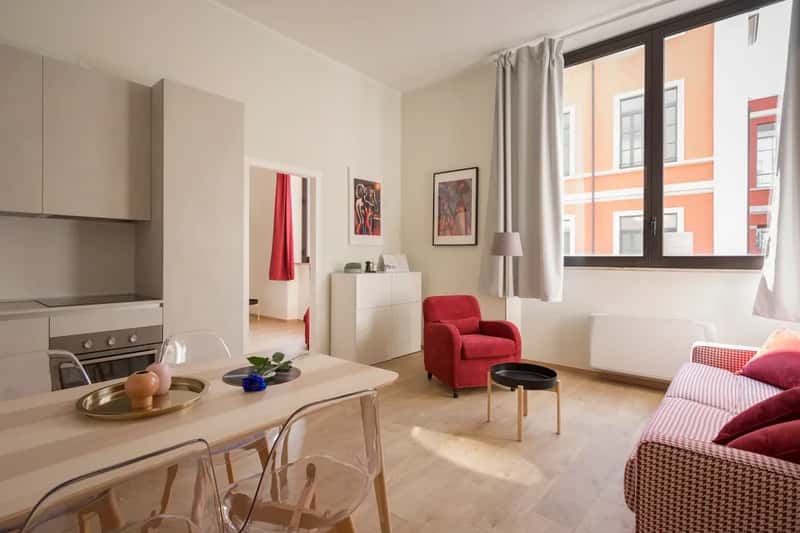
Rent is the single biggest lever in any Chiang Mai budget, and it swings widely depending on neighborhood and building age. Chiang Mai cost of living runs $700-$1,800 a month, roughly 50% cheaper than Bangkok, with 1-bedroom apartments in central Nimman priced at $350-$600 a month. Move slightly outside the trendiest zones and the numbers drop further.
The Old City and Suthep areas run somewhat cheaper at $300-$500, while residential outskirts near Maya Mall or Huay Kaew fall to $200-$350 for spacious unfurnished units. On the ground, monthly rents for a one-bedroom condo typically range between 10,000 and 18,000 baht, depending on size and location. That means someone working with a $1,200 total budget can comfortably set aside $350 to $450 for a modern one-bedroom condo, often with a pool and gym included, and still have plenty left for everything else.
Utilities and the internet you’ll actually need

Utility bills in Chiang Mai are modest most of the year, but they’re not free, and air conditioning is the variable that changes everything. During the hot season from March through May, running AC daily can push an electricity bill noticeably higher than during the cooler winter months, when many residents barely touch the unit at all.
Fiber internet is widely available in condo buildings and generally fast enough for video calls without complaint, which matters given how many residents work remotely. Water is typically billed separately and stays cheap regardless of season. Between electricity, water, and home internet, a realistic monthly allowance sits somewhere in the range of $40 to $70 for a single person living in a standard one-bedroom unit.
Groceries and eating out: two very different price tags

Food costs in Chiang Mai split sharply depending on where you eat, and that gap is one of the biggest levers in the whole budget. Chiang Mai’s Warorot Market offers street food for $0.75 to $2.50 per meal, including dishes like khao soi and mango sticky rice, while Western cafes popular in Nimman charge $4 to $8 per item. Someone eating mostly local food can feed themselves for a fraction of what a Western-style diet costs.
Cooking at home adds another layer of savings. Monthly groceries from local markets cost $150 to $200 for one person, while Tesco Lotus and Makro supermarkets run slightly pricier but stock imported goods. A realistic middle-ground budget, mixing home cooking, street food, and the occasional Western meal, tends to land between $200 and $300 a month.
Getting around without a car

Almost nobody in Chiang Mai owns a car as an expat, and almost nobody needs one. Motorbike rental is the default choice for daily errands, coworking commutes, and weekend trips to nearby temples. Monthly motorbike rentals typically range from 1,500 to 2,000 baht, including a helmet, insurance, and around-the-clock accident and breakdown cover.
Some shops price slightly differently depending on bike size and rental length, with basic scooter contracts landing anywhere from around 3,000 to 4,500 baht a month. Add fuel, which is cheap by any standard, and occasional Grab rides for nights out, and a realistic transport line item comes to roughly $50 to $80 a month. That leaves room in the budget without forcing anyone to walk everywhere in the heat.
Healthcare and insurance: budgeting for peace of mind

Thailand’s private healthcare system is one of the country’s genuine strengths, and Chiang Mai is no exception. Thailand’s private hospitals in Bangkok and Chiang Mai set a regional standard with English-speaking staff and advanced care. That quality doesn’t come at Western prices either, which is part of why so many retirees settle here specifically for the medical access.
Two JCI-accredited private hospitals, Chiang Mai Ram and Bangkok Chiang Mai, anchor the healthcare scene in the city. Monthly international health insurance premiums vary hugely by age and coverage level, but a younger remote worker can often find a reasonable policy for somewhere between $50 and $100 a month, while older retirees should expect considerably higher costs due to age-based pricing tiers.
Visa costs: the paperwork nobody budgets for

Visa fees are easy to forget when building a monthly budget, but they matter over a full year of residence. The Destination Thailand Visa, launched in July 2024 and tightened through 2025 and 2026, gives qualifying remote workers a five-year multiple-entry visa with stays of up to 180 days per entry, extendable once for another 180 days, and it costs 10,000 baht, roughly $275.
Applicants also need to show financial stability before they even apply. The visa requires proof of 500,000 baht, approximately $14,500, in savings, though the total application cost itself ranges from $275 to $1,150 depending on the country of residence. Spread across a five-year visa period, the ongoing monthly cost of visa compliance is genuinely small, but it’s worth setting aside a small buffer each month rather than treating it as a surprise expense.
Coworking spaces and the coffee shop economy

Chiang Mai’s reputation as a digital nomad hub didn’t happen by accident, and its coworking scene reflects that history. A sleek, air-conditioned coworking space with a $2 cappuccino is a fairly ordinary part of daily life here for the thousands of remote workers who base themselves in the city each year.
Monthly coworking memberships vary depending on the space and its amenities, but a simple day-pass or basic membership usually costs less than a single month’s rent difference between neighborhoods. Many residents skip formal coworking altogether and simply work from cafes, which keeps this line item flexible. A modest allowance of $30 to $60 a month covers either a light coworking membership or a steady rotation of coffee shop work sessions.
Staying entertained: gyms, temples, and weekend trips

Entertainment in Chiang Mai doesn’t require much money to feel rich. Temple visits are largely free or cost only a small entrance fee, night markets offer cheap browsing and cheaper snacking, and the surrounding mountains provide weekend escapes that cost little beyond a tank of gas. Gym memberships and yoga studios add a recurring cost for those who want structured fitness, typically running somewhere in the range of $30 to $60 a month depending on the facility.
Weekend trips outside the city, whether to Pai, Doi Inthanon, or Chiang Rai, add occasional spikes to the budget but rarely break it, since domestic transport within northern Thailand remains inexpensive. A reasonable monthly allowance for entertainment, fitness, and the occasional weekend trip lands around $80 to $120 for someone living moderately rather than lavishly.
Putting the numbers together: a sample monthly ledger

Adding up the categories above gives a realistic picture of where $1,200 actually goes for a single person living comfortably rather than scraping by. Rent around $400, utilities and internet around $55, food around $250, transportation around $65, health insurance around $75, visa costs averaged monthly around $25, coworking or coffee around $45, and entertainment around $100 brings the running total to roughly $1,015, leaving a buffer of nearly $200 for unexpected costs or small indulgences.
This tracks closely with independent estimates from people actually living there. Chiang Mai costs 800 to 1,500 dollars monthly for comfortable living, or 2,500 dollars and up for premium convenience, and separately, Thai netizens have pegged the cost of living in Chiang Mai at 35,000 baht a month, roughly 1,120 dollars, for singles. A budget of $1,200 sits right in that comfortable middle zone, not luxurious, but far from bare-bones either.
The Bottom Line

None of this means Chiang Mai is a magic loophole where money stretches infinitely. Rent alone can eat the entire budget if someone insists on a luxury condo in the trendiest pocket of Nimman, and healthcare costs climb sharply with age. What $1,200 actually buys depends on how much a person leans toward local markets versus imported groceries, motorbikes versus Grab rides, and modest apartments versus statement addresses.
For most single expats and remote workers willing to make a few of those local choices, though, $1,200 a month in Chiang Mai in 2026 still buys a life that would be difficult to replicate for the same price almost anywhere else in Southeast Asia.