New York City pulls in over sixty million visitors most years, and honestly, most of them do just fine. They ride the subway, grab a bagel, snap a photo of the skyline, and go about their trip without causing anyone grief. But there’s a smaller group of habits, repeated often enough, that make longtime residents quietly sigh on their morning commute.
None of this is about gatekeeping the city or pretending locals never make mistakes themselves. It’s more about the small frictions that build up when eight million people are trying to get somewhere and a few thousand visitors, understandably unfamiliar with the rhythm, slow everything down. Here’s what New Yorkers actually notice, and wish would stop.
Stopping dead in the middle of the sidewalk
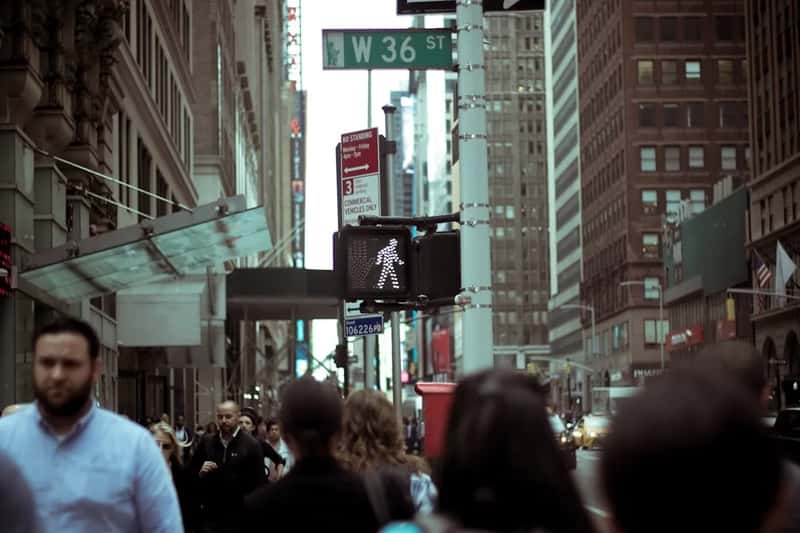
Sidewalks in Manhattan aren’t just walkways, they’re basically arteries during rush hour, and stopping suddenly to check a phone or admire a building creates an instant pileup. Locals build their whole walking pace around never having to break stride, so when a group freezes in the middle of a crosswalk or a narrow stretch near Grand Central, it throws off everyone behind them.
The fix is simple enough: step to the side, near a storefront or against a building, before pausing. It takes maybe two extra seconds and it means the person walking briskly to catch a train doesn’t have to swerve into traffic to get around you.
Standing on the left side of the escalator
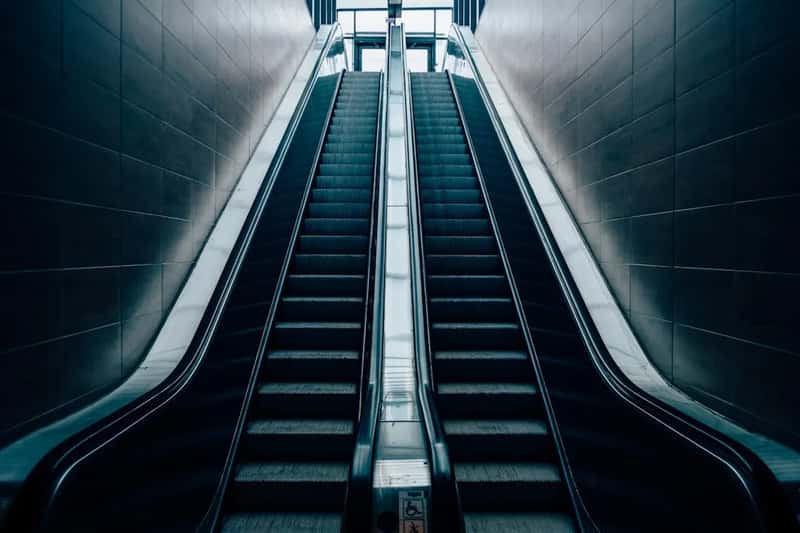
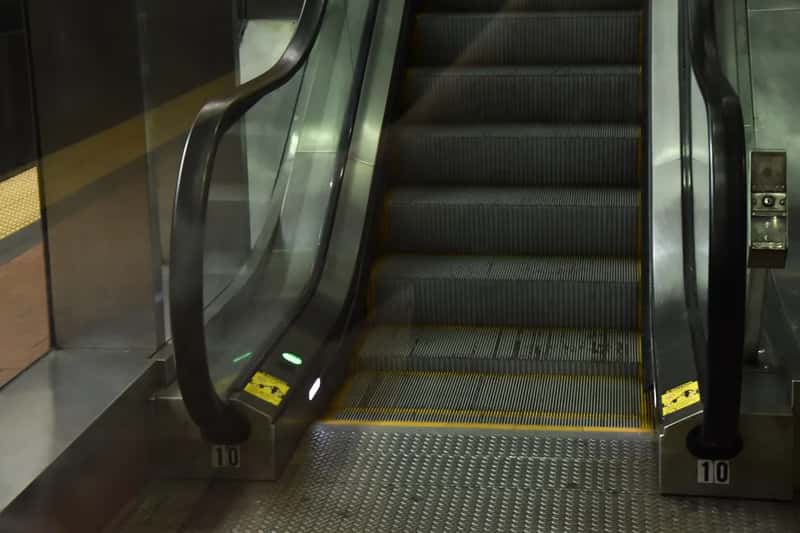
This one is almost sacred in New York, especially in subway stations and at places like the Oculus or Penn Station. The left side is for walking, the right side is for standing, and locals who are running late genuinely rely on that unspoken rule to shave a minute off their commute.
Tourists who plant themselves two-wide on an escalator, usually without realizing it, block that entire lane. It’s not malicious, it’s just a habit from cities where escalator etiquette works differently, but it’s one of the fastest ways to get an irritated look from a New Yorker in a hurry.
Blocking subway doors instead of stepping aside
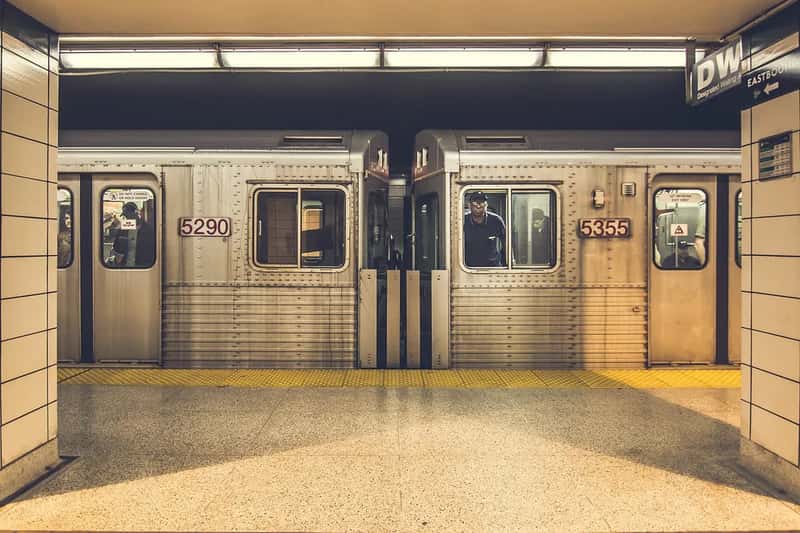
The New York City subway moves more than three million riders on an average weekday, and the system only works because people shuffle in, clear the doors, and let others off before boarding. When visitors cluster right at the doors of a train, refusing to move deeper into the car, it slows boarding for everyone and can even delay the train’s departure.
The subway also runs express and local trains on the same tracks in many areas, so a few extra seconds of holding doors ripples down the line. Moving toward the center of the car, even when it feels crowded, genuinely helps keep things moving.
Asking for directions and then arguing with the answer

New Yorkers are generally more willing to help with directions than their reputation suggests, but there’s one habit that turns a friendly exchange sour fast. Some visitors ask a local for the quickest way somewhere, then insist their phone’s walking route is better, even when it’s routing them the long way around a park or through a closed street.
Locals know the shortcuts, the construction detours, and which train is faster than walking for a given distance. If you ask, it usually helps to actually take the advice, or at least not debate it on the spot.
Treating Times Square as the highlight of the trip
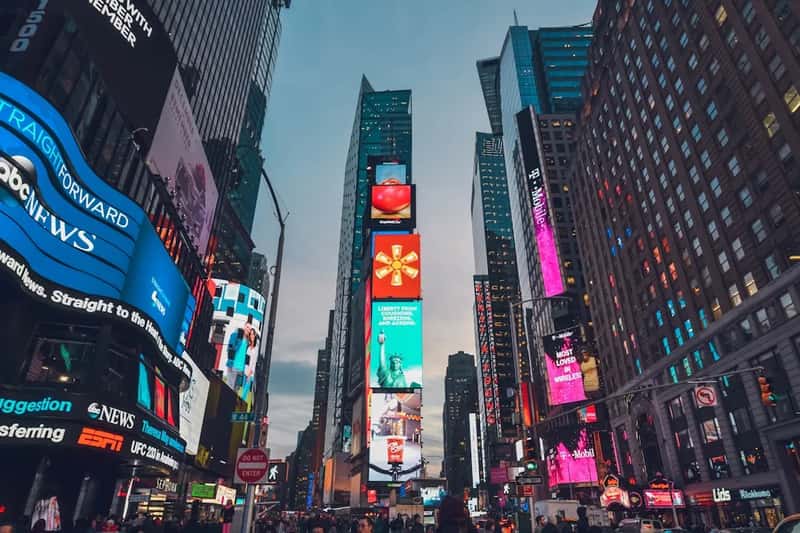
Times Square is undeniably iconic, and there’s nothing wrong with visiting once for the lights and the energy. What tends to frustrate residents is when tourists treat it as the centerpiece of an entire New York trip, spending hours there while overlooking neighborhoods that actually reflect how the city lives day to day.
Areas like Astoria, Jackson Heights, or the Lower East Side offer a far more textured sense of the city’s food and culture. Locals often wish visitors would spend less time in the tourist-dense core and more time exploring a single neighborhood on foot.
Feeding pigeons, squirrels, or rats in parks
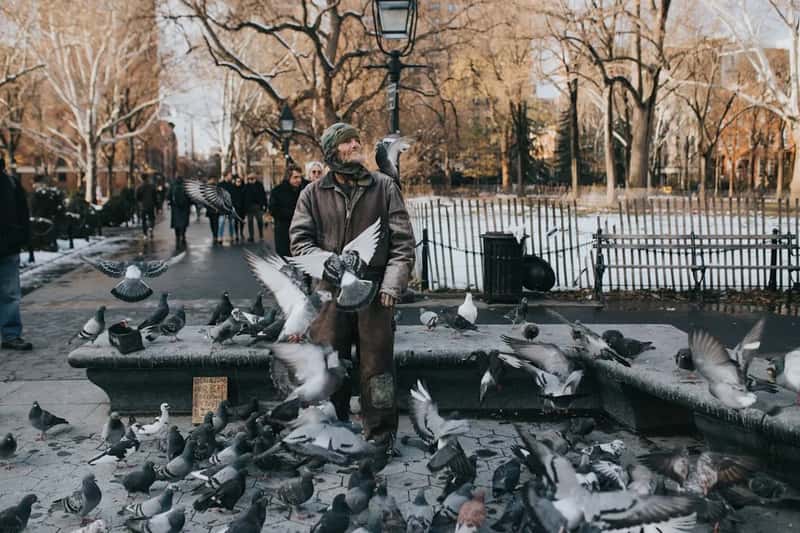
It seems harmless, tossing a piece of bread to a pigeon in Central Park or Washington Square, but wildlife feeding has real consequences in a dense city. It draws larger populations of pigeons and rats into areas where people picnic, sit, and let kids play, and it’s actually discouraged by the city’s park regulations in many spots.
New Yorkers who use these parks daily notice the difference almost immediately after a busy tourist season. A quieter park bench and fewer aggressive pigeons circling for scraps is something locals genuinely appreciate.
Hailing a cab or app-based ride in the wrong spot
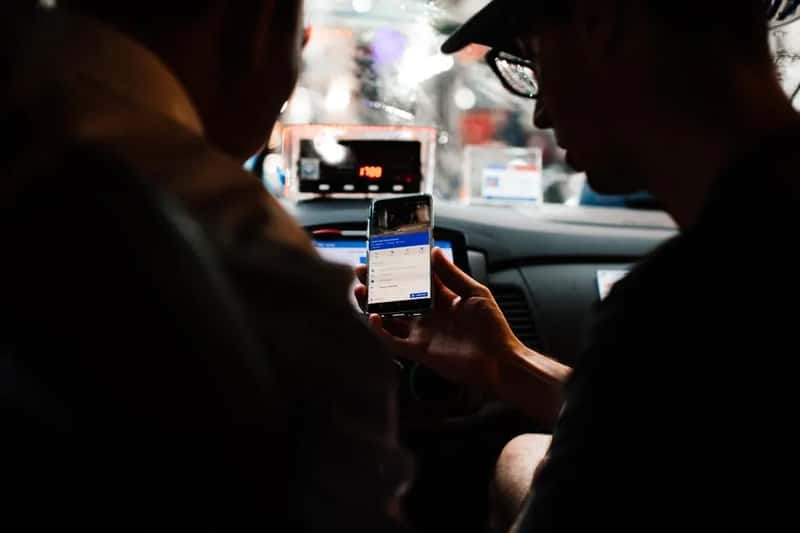
Standing in the middle of a bike lane or double-parking a rideshare pickup in front of a bus stop causes more chaos than most visitors realize. New York’s streets are tightly choreographed, with bike lanes, bus lanes, and loading zones all serving specific functions, and blocking any of them creates a domino effect of honking and rerouting.
Locals tend to walk half a block to a safer, legal pickup spot rather than stopping traffic outright. It’s a small adjustment that avoids becoming the reason a city bus is stuck behind a parked SUV for five minutes.
Wearing costumes and demanding tips in Times Square
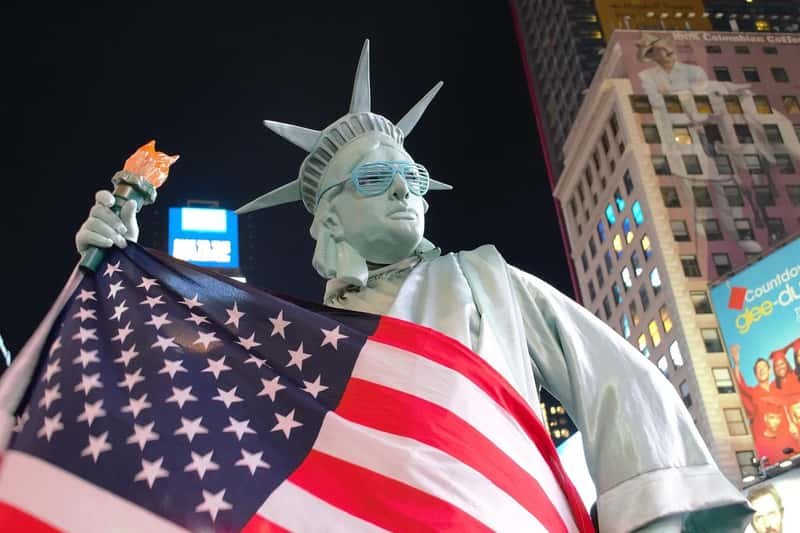
This one isn’t really about tourists themselves, but about how tourists interact with the costumed characters and performers clustering around Times Square. Locals have watched this dynamic sour over the years, with aggressive tipping demands from some performers, and tourists sometimes unknowingly encouraging it by posing for photos without understanding the expected payment.
New York City has actually restricted where costumed characters and ticket sellers can operate in Times Square specifically because of this friction. Visitors who simply ask about the cost before taking a photo tend to avoid the awkward confrontations that follow.
Ordering pizza the “wrong” way, then judging the result

New York pizza culture runs deep, and locals have strong, mostly good-natured opinions about it. What tends to genuinely bother people isn’t ordering a specialty topping, it’s tourists who show up expecting a sit-down, made-to-order experience at a classic slice shop, then complain when it’s fast, simple, and eaten standing up or on the go.
A New York slice shop is built for speed and quality at a low price, not a leisurely dinner. Folding the slice in half to eat it, rather than picking at it with a fork, is also a small local custom that visitors are welcome to try.
Not knowing the difference between uptown and downtown trains
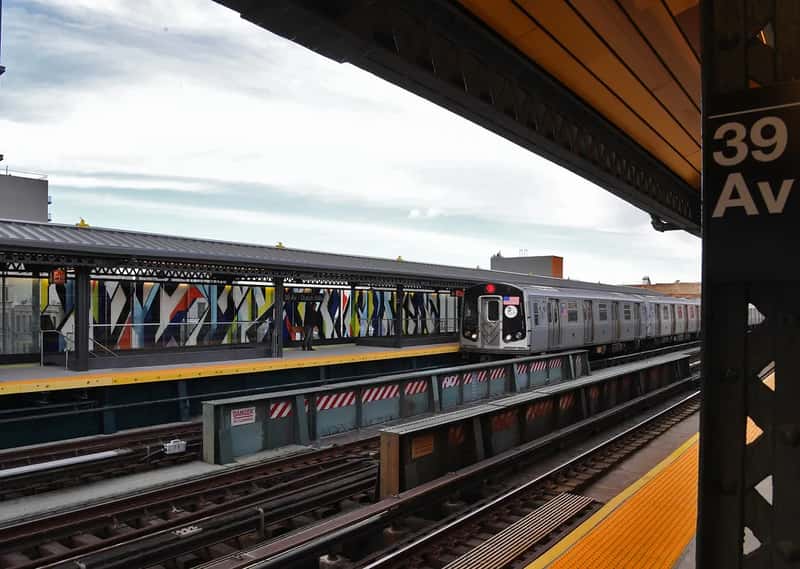
This is a practical one more than an etiquette issue, but it causes enough delays that locals notice it constantly. Many subway stations have separate entrances for uptown and downtown platforms, and tourists sometimes swipe in on the wrong side, realize their mistake, then try to squeeze back through the turnstile against the flow of people entering.
It’s a minor thing individually, but during rush hour it can back up an entire staircase. Checking the small “uptown” or “downtown” signage before heading down to the platform saves both the visitor and everyone behind them a headache.
The bigger picture
None of these habits come from bad intentions. Most visitors simply haven’t lived inside a city where millions of people are moving through tight, shared spaces every single day, and the local rhythms take time to absorb. New Yorkers, for their part, generally understand this and rarely hold a grudge over an escalator mix-up or a confused subway swipe.
Still, small adjustments go a long way. Stepping aside to check a map, standing right on an escalator, moving into the subway car, these are tiny habits that make the whole system run smoother for everyone, locals and visitors alike.