Rome has a way of humbling first-time visitors. The city looks familiar from a thousand photos, yet the rhythm of daily life here runs on rules and habits that rarely make it into a guidebook. Ask any Roman who has spent a summer dodging selfie sticks near their own front door, and they’ll tell you the friction usually comes from small misunderstandings rather than bad intentions.
Most of what frustrates locals isn’t really about tourists behaving badly on purpose. It’s about a gap between what visitors assume and how the city actually works, from fountains to sidewalks to the sacred hour of lunch. Here’s what residents genuinely want people to understand before they show up.
The Trevi Fountain now comes with a ticket and a time slot
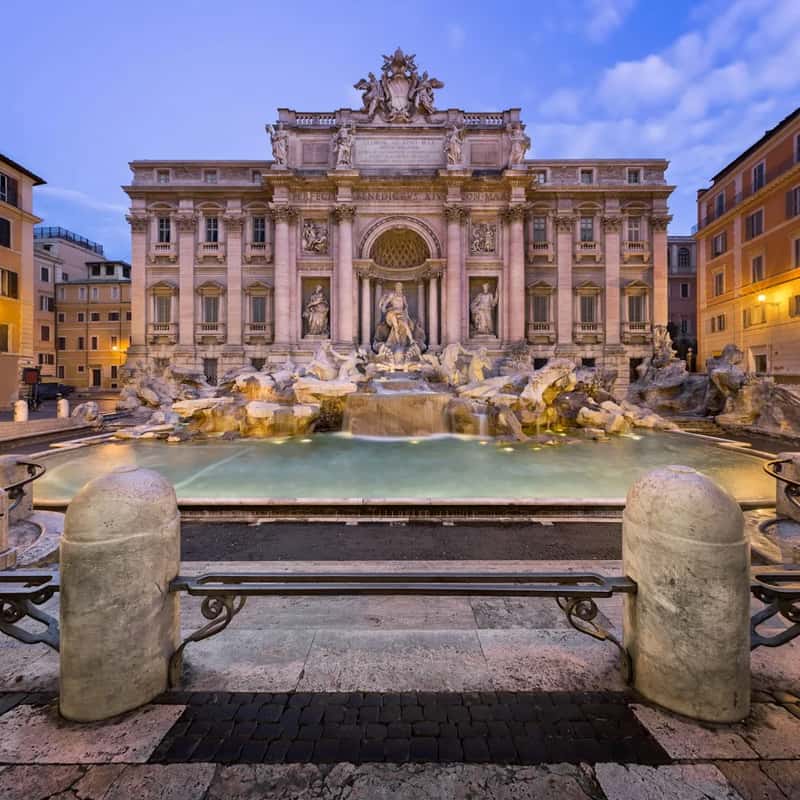
For centuries, walking up to the Trevi Fountain cost nothing but the coin you tossed over your shoulder. That changed on February 2, 2026, when Rome introduced a mandatory fee for anyone who wants to descend the steps and get close to the basin. From that date, the Italian capital introduced €2 tickets for tourists to descend the steps to the area around the water-filled basin, from where it is customary to toss a coin into the fountain.
The change isn’t primarily about money. In 2025, more than 10 million people lined up to approach the fountain, with daily peaks of around 70,000 visitors during the busiest periods. To ensure everyone gets a clear view and to limit uncomfortable crowds, access is now limited to 30-minute windows, with new regulations banning eating, drinking, and sitting on the marble surrounding the fountain. Viewing from the piazza above remains completely free, so budget travelers aren’t locked out entirely.
Sitting on the Spanish Steps will get you fined, not photographed
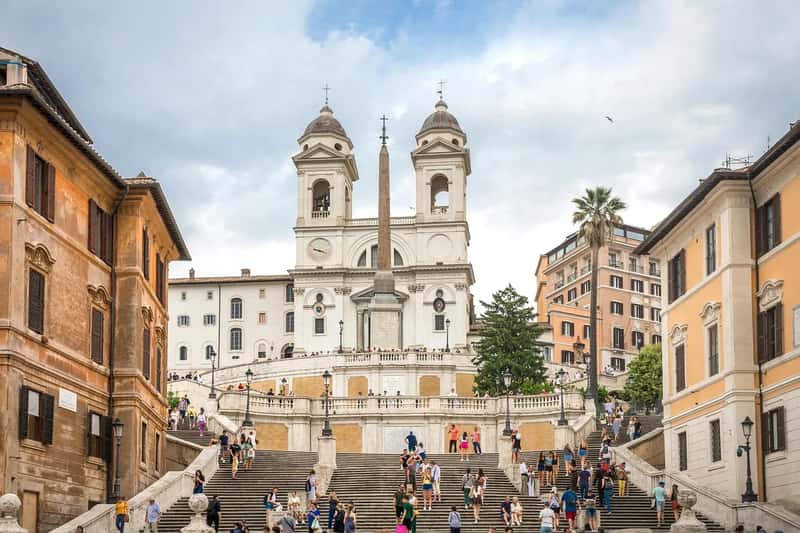
It’s one of the most Instagrammed moves in Rome, and it’s been illegal for years. Since 2019, sitting, eating or drinking on Rome’s iconic Spanish Steps has been banned, with fines of up to €700 for those who break the rules. Locals who live nearby have mixed feelings about this. Many miss the old evenings of people watching on the steps, but they also got tired of cleaning gelato drips off centuries-old travertine.
The rule exists partly because of sheer volume. Officials wanted to keep the steps functioning as a walkway rather than an open-air lounge, since the crowds made it nearly impossible to pass through during peak hours. If you want that classic seated photo, ask a local where similar staircases without the ban still exist, and you’ll usually get a helpful answer.
Fountains are for looking, not wading or drinking straight from the spout

Rome’s monumental fountains, the Trevi included, are decorative works of art, not public pools. Rules codified in the city’s decorum laws ban swimming, wading, showering, or even dipping one’s feet in the city’s famed fountains, which can result in a fine of €450. This isn’t a hypothetical threat either; enforcement happens regularly during the busy summer months.
Confusingly, this rule doesn’t apply to the small street fountains known as nasoni, which are built specifically for drinking. The distinction matters, and locals get visibly irritated watching tourists dunk water bottles into ornamental basins that are treated chemically and are often not safe to drink. The water in decorative fountains is often non-potable and may be treated chemically to protect the integrity of the fountain, while there are nasoni on the sides of fountains like Trevi that are safe for drinking.
The nasoni are a genuine local secret worth using
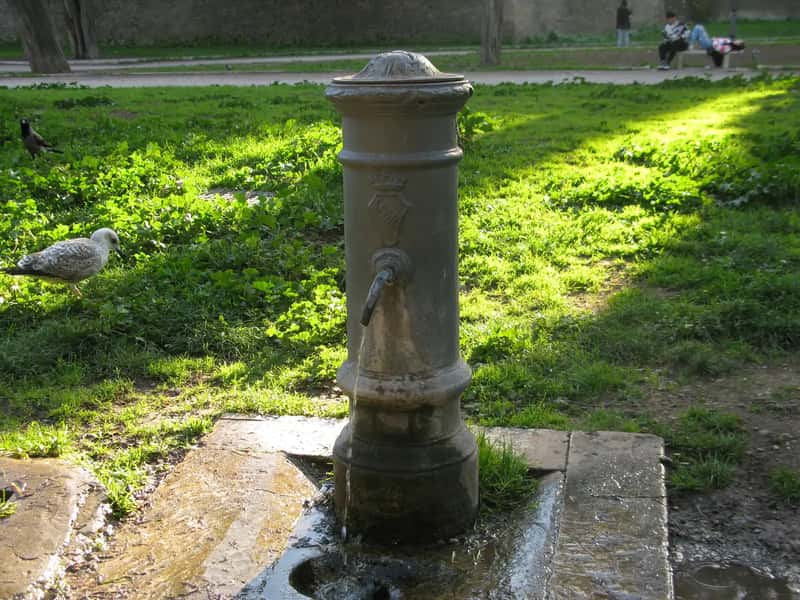
Nearly every Roman grew up drinking from the nasoni, the cast-iron street fountains with a curved spout that gives them their nickname, meaning “big nose.” Rome is blessed with more than 2,500 drinking fountains, known as nasoni, which provide residents and visitors with free fresh running water all year round. The water isn’t an afterthought either. Besides being free, the water in the nasoni is the same acqua potabile that flows into Roman homes, meaning it is totally safe to drink.
There’s a small trick locals use that visitors rarely know about. You place yourself to the side of the fountain, then place the palm of your hand or your fingers under the water spout to stop the flow, which forces the water to come up out of the small hole at the top in a gentle arch. Just don’t put your lips directly on the metal spout, since that habit is both considered unhygienic and, in some cases, fineable under the city’s public decorum rules.
Lunch has a schedule, and it isn’t flexible
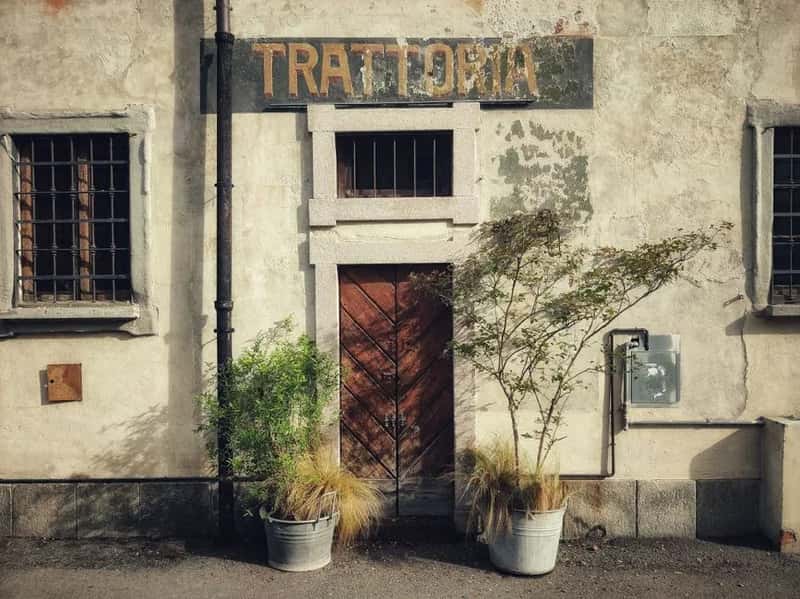
Many Roman restaurants and shops still close for a few hours in the early afternoon, particularly outside the most touristy blocks. This isn’t laziness or inefficiency; it’s simply how the city has organized its day for generations, especially in neighborhoods where residents actually live rather than just pass through. Showing up at half past two expecting a full kitchen can lead to disappointment.
Locals also notice when tourists order cappuccino with a full dinner or ask for parmesan on seafood pasta. These aren’t punishable offenses, obviously, but waitstaff in traditional trattorias will quietly judge you for it. If you want to blend in a little more, save the milky coffee for morning and let the seafood dishes speak for themselves.
Eating near monuments is regulated more strictly than you’d expect
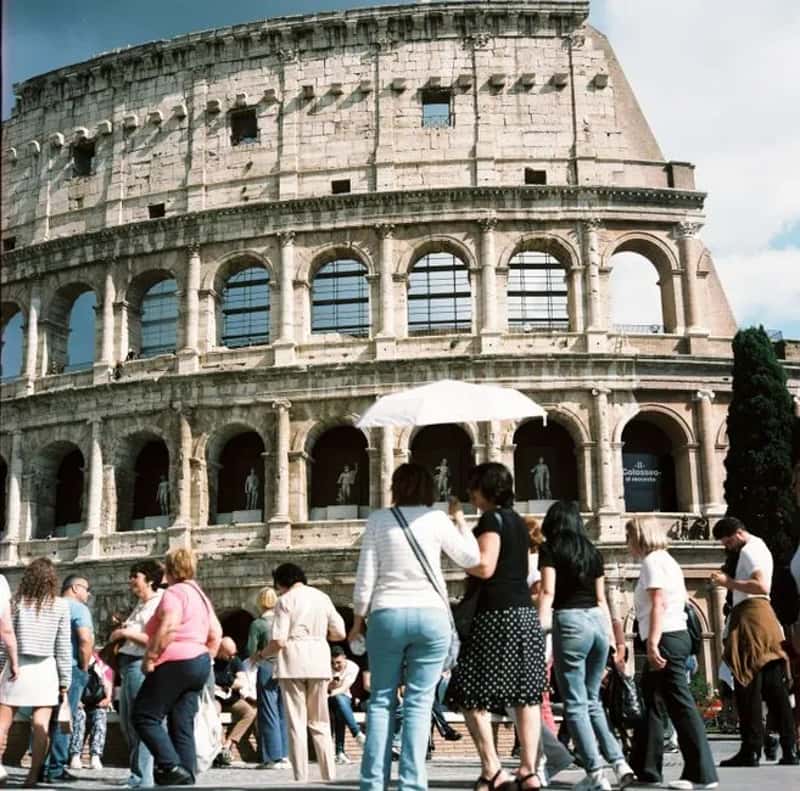
Grabbing a panino and eating it on the steps of a historic church or against an ancient wall feels harmless, but Rome has treated it as a real problem for over a decade. In a bid to reduce litter around the ancient monuments in Rome, the city has put a law in place making it illegal to eat anything on or around monuments, with tourists facing fines from 25 euros up to 500 euros in zones designated as having particular cultural value. Locals who live in the historic center have watched this rule get enforced unevenly, but police do issue citations, particularly around the Colosseum, the Pantheon, and Trevi.
The frustration among residents isn’t really about a single dropped napkin. It’s the accumulation of thousands of tourists doing the same small thing every day, which adds up to real wear on stone that’s been standing for centuries. Grabbing a bench in a nearby piazza instead takes almost no extra effort and avoids the issue entirely.
Public transport runs on an honor system, and inspectors do check
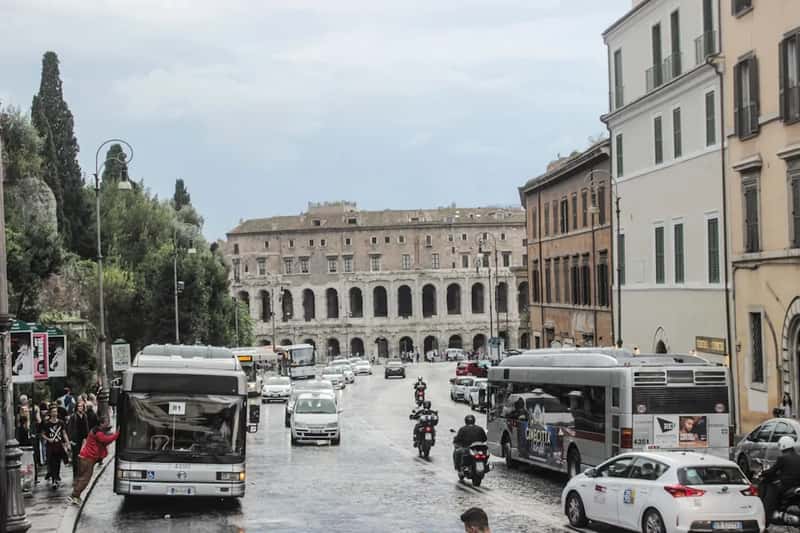
Rome’s buses, trams, and metro don’t have turnstiles that stop you from boarding without a ticket. That doesn’t mean it’s free. Jumping on a bus, tram or metro in Rome without a ticket is a real risk, since ATAC, Rome’s public transport company, has issued more than 17,000 tickets to fare dodgers in a single month, with inspectors checking thousands of people daily. Tickets need to be validated at machines onboard or at station entrances, and locals find it mildly baffling when visitors assume no gate means no rules.
Fines for unvalidated tickets run well beyond the cost of the fare itself, often reaching into double digits of euros even for a single trip. Buying a ticket in advance from a tobacco shop or newsstand, then validating it the moment you board, avoids the whole headache. It’s a small habit that instantly makes you look less like a target for pickpockets too, since fare dodgers and distracted tourists tend to draw the same kind of attention.
Dressing for churches is a matter of access, not just etiquette
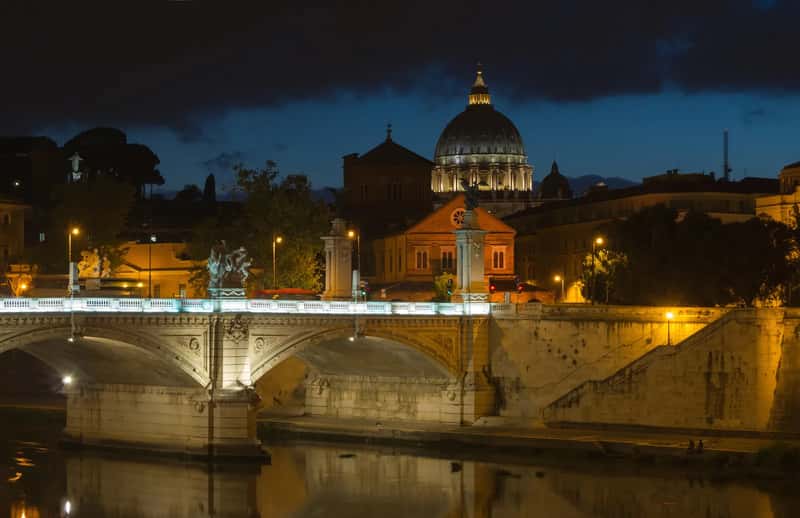
Rome has more working churches than almost any city on earth, and many of them enforce dress codes strictly, particularly major basilicas like St. Peter’s. Shoulders and knees need to be covered for both men and women, and this isn’t a suggestion posted for decoration. Staff at the door will turn people away, regardless of how far they’ve traveled to get there.
Locals aren’t necessarily devout to notice this, but they do notice tourists in beach clothes trying to argue their way past a guard. Bringing a light scarf or a pair of trousers that pack down small solves the problem without requiring you to change your whole wardrobe for the trip. It’s a five minute fix that saves an entire afternoon of frustration.
Love locks and improvised memorials aren’t romantic to residents
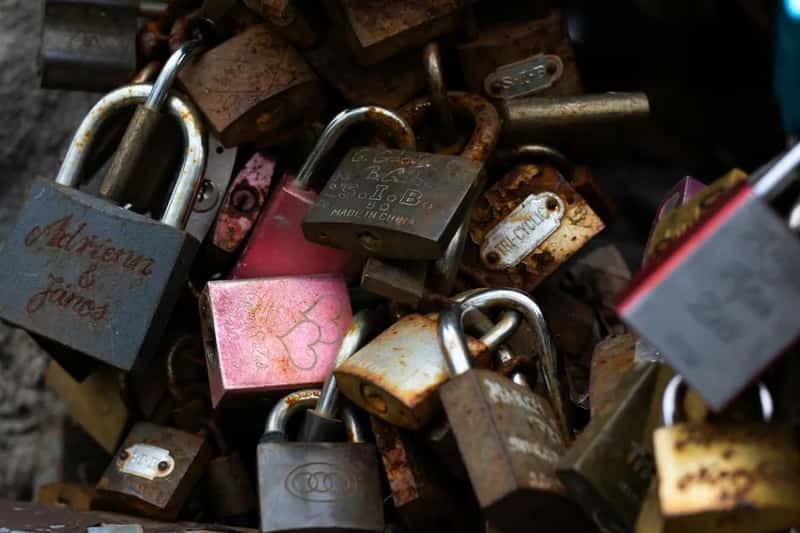
Attaching a padlock to a bridge railing might feel like a sweet gesture, but Rome has banned the practice for years because of the damage it causes. Attaching love padlocks to bridges or monuments is banned to prevent damage and clutter, and you’ll face a fine if caught, since the goal is preserving Rome’s landmarks. The weight of thousands of locks on structures like the Ponte Milvio isn’t trivial, and repairs cost the city real money that locals would rather see spent elsewhere.
There’s also a quieter irritation here that doesn’t show up in fine schedules. Many Romans see their bridges and historic railings as functional infrastructure they use every single day, not backdrops for a one time gesture. A photo by the river tends to capture the same sentiment without leaving anything behind.
Costumed “gladiators” outside the Colosseum are not part of the experience
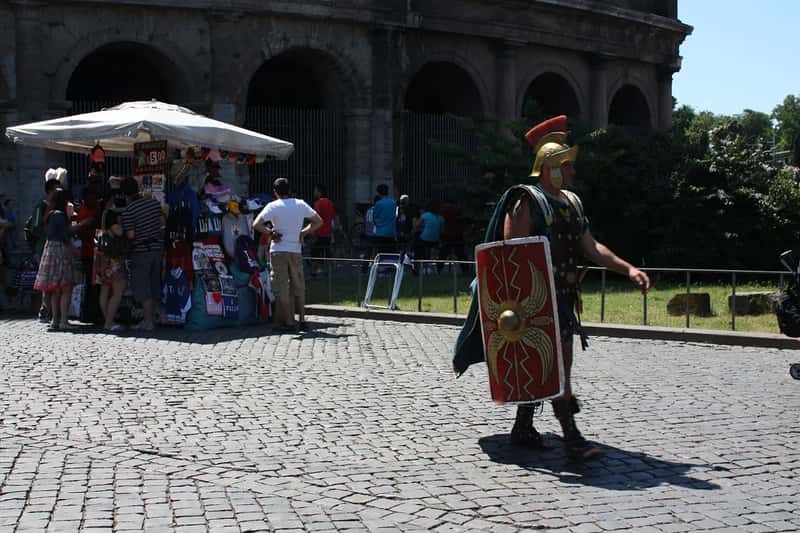
Men dressed as centurions who offer photos for cash near the Colosseum have been a fixture of Roman street life for years, and they’ve also been operating outside the law. Dressing as a centurion or gladiator to charge for photos near the Colosseum is banned, with fines up to €400, and tourists should avoid engaging with these touts to curb scams and maintain decorum. The interactions frequently end with aggressive demands for far more money than initially implied.
Locals tend to walk past these performers without a second glance, partly out of familiarity and partly because everyone in the neighborhood knows how the scam typically unfolds. If you want a photo with someone in costume, it’s worth asking your hotel or a licensed tour guide for a legitimate recommendation instead. The genuine historical reenactment groups in Rome do exist, they just aren’t usually the ones working the sidewalk outside a major landmark.
The Takeaway
![Guide to The Trastevere Neighborhood, Rome: Things To Do + Places To Eat! [Updated 2026]](https://travelbinger.com/cdn-cgi/image/width=800,quality=60,format=auto,fit=cover/https://travelbinger.com/wp-content/uploads/2026/06/1782294962377_photo-1552832230-c0197dd311b5.jpeg)
None of this is really about strict rule following for its own sake. It’s about a city trying to balance being one of the most visited places on the planet with still functioning as somebody’s actual neighborhood. The fines and ordinances can feel excessive from the outside, but they usually trace back to a specific problem locals watched unfold over years, not a random bureaucratic whim.
Understanding a few of these details before you land does more for your trip than any packing list. It means fewer awkward moments with police, fewer wasted euros on fines, and a much better shot at experiencing Rome the way people who actually live there do.