Holiday travelers often arrive with a bottle of wine and assume the gift question is settled. Yet a bottle grabbed on the way to the door says little about the guest or the visit. A recent guide on Liz Breygel’s blog ([1]) makes the case that a host gift works best when it connects to the meal, the person, or something the two already share. That idea matters more this season, when many people will be sleeping in a relative’s spare room or squeezing into a friend’s crowded dining table. ([1])
Why the Usual Bottle Often Falls Flat
Gifts that feel sincere tend to land better than those that seem like an obligation met. The source points to research on gift-giving that supports this, and the broader lesson is simple. A present that could have been handed to almost anyone rarely leaves much of an impression.
Timing is the other problem. Many hosts have already planned their menu and chosen the wines to serve. A bottle that the host feels expected to open at once can put them in an awkward spot, especially when the turkey is still in the oven. A better gift gives the host room to decide when, or whether, to enjoy it.
Match the Gift to the Length of the Stay
A guest who stays for dinner needs something different from a guest who sleeps under the host’s roof for three nights. For a short visit, a bottle meant to be shared at the table can work well. For an overnight stay, consider something the host can enjoy after you leave, since a stay of several days means the host is already busy with extra guests and extra meals.
Practical details also count. Flowers look lovely, but an unarranged bouquet can leave a busy host hunting for a vase. Food that needs refrigeration can crowd an already full kitchen, and a second dessert may duplicate one already planned. Gifts that add tasks for the host, even small ones, are usually the first to be left out of the evening.
Several options tend to fit holiday visits well:
- A bottle from a region or winery the host has mentioned, or one tied to a trip you have shared
- A quality sparkling wine that can be saved for a later celebration
- Good chocolate for guests who will linger over dessert, paired with a dessert wine
- Gourmet olives, cheese accompaniments, or preserved foods for a host who loves to cook
- A non-alcoholic sparkling drink for a host who does not drink
- Two related small items instead of one large, costly gift
Keep the Wrapping Simple and the Note Personal
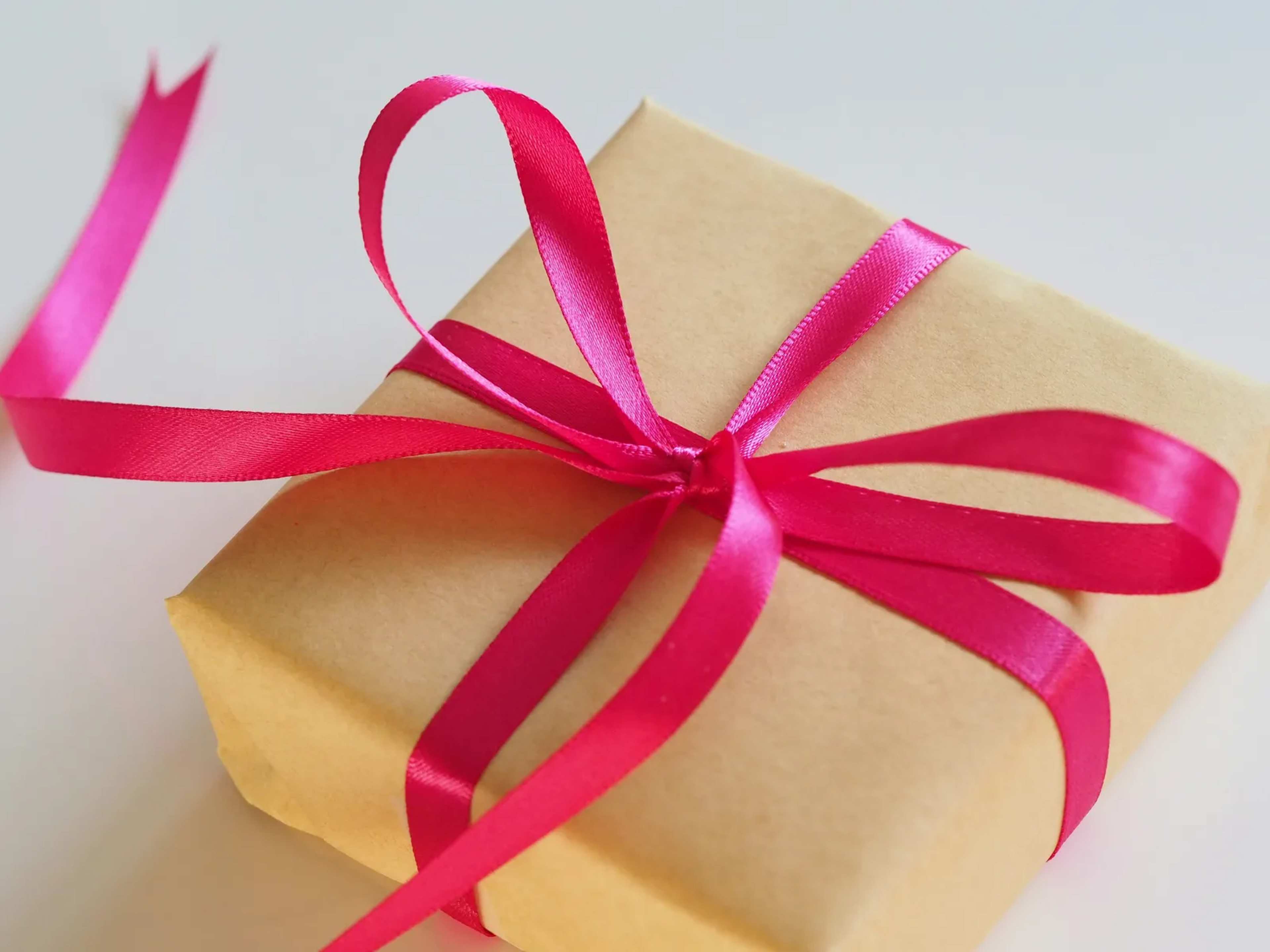
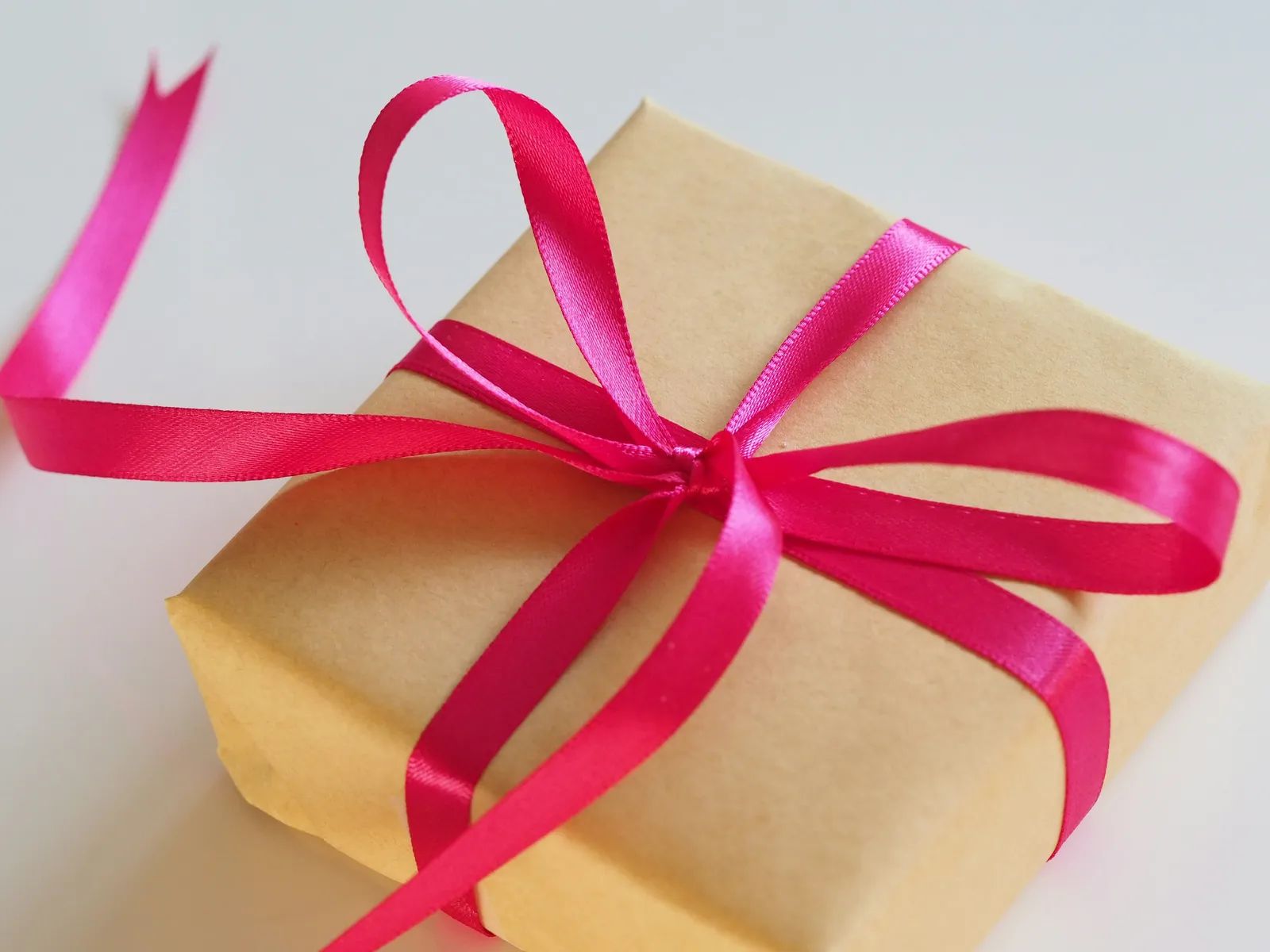
Presentation matters, though restraint often works better than elaborate packaging. Research published in the Journal of Retailing, as summarized in the source, suggests that givers may view heavy wrapping as a sign of extra care, while recipients may read the same effort less favorably. A plain bag or neat paper is usually enough.
A short handwritten note can do more than any decoration. A line that recalls a meal you shared, a city you visited together, or a joke only the two of you understand tells the host the gift was chosen with them in mind. That single detail often sticks longer than the bottle itself.
The strongest host gifts rarely try to impress. They fit the evening, respect the host’s plans, and ask nothing in return. Before heading out, it helps to ask one question: does this gift feel chosen for this particular host, or could it be given to anyone?