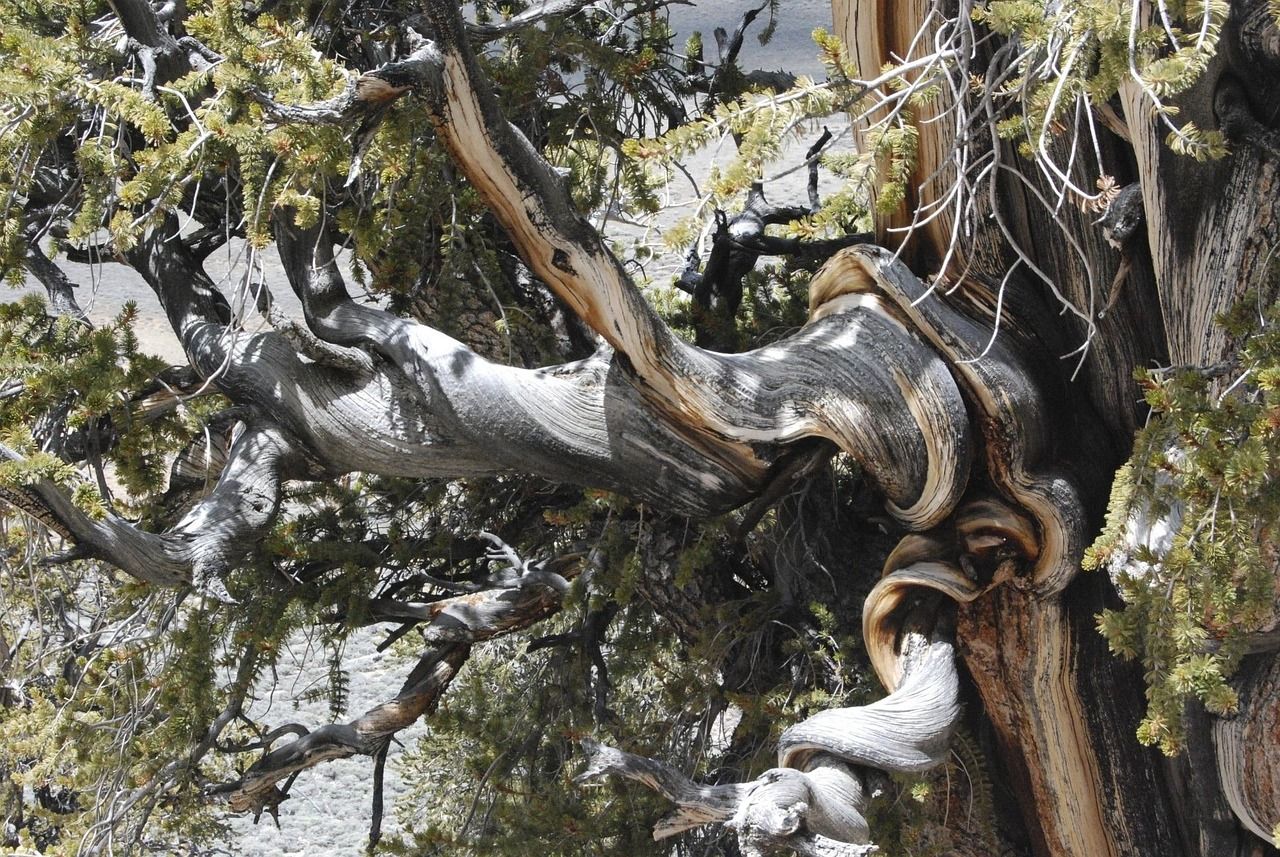
Some of the oldest living things on Earth are easy to miss. They look like a ragged pine on a dry ridge, a patch of yellow aspens beside a highway, or a meadow of seagrass under the Mediterranean. Others sit in the dark of the deep ocean, where nobody will ever walk past them.
Which one is “oldest” depends on what you count. A single tree, a clone that renews itself, and a slow-growing animal are measured in different ways. This tour goes from the best-documented records to the contested ones, and it says how solid each claim is.
California’s White Mountains: Methuselah the Bristlecone
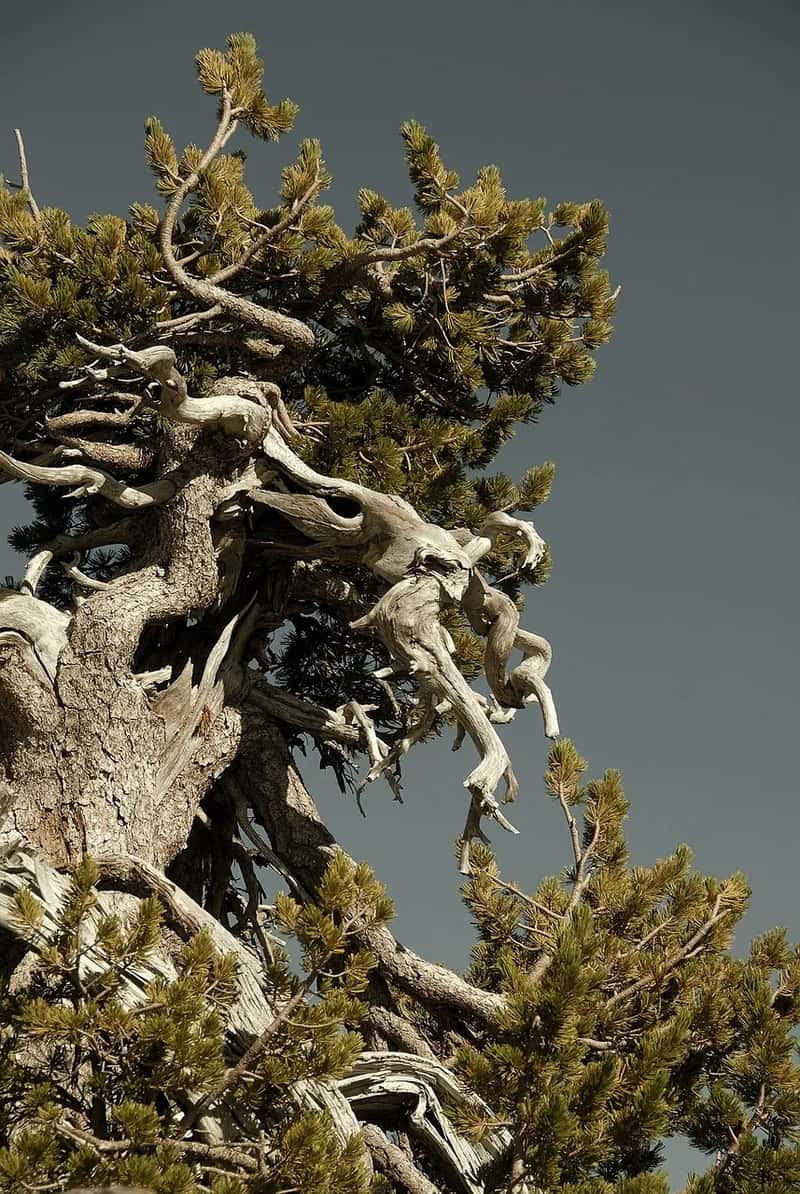
The classic answer is a Great Basin bristlecone pine called Methuselah. Tree-ring data put its age at 4,853 years, so it was well established when the Egyptians built the Giza pyramids.[1] Published figures differ by a few years, because sources count from different dates. It grows in the Ancient Bristlecone Pine Forest in the White Mountains of Inyo County, California.
Harsh conditions seem to help these trees last. Bristlecones grow in isolated groves at and just below the tree line, at about 10,000 feet, where little else survives.[2] Their dense, resinous wood resists insects, fungi and other pests.[2] In very old trees, often only a narrow strip of living tissue connects the roots to a handful of live branches.[2]
The Older Bristlecones You Can’t Name
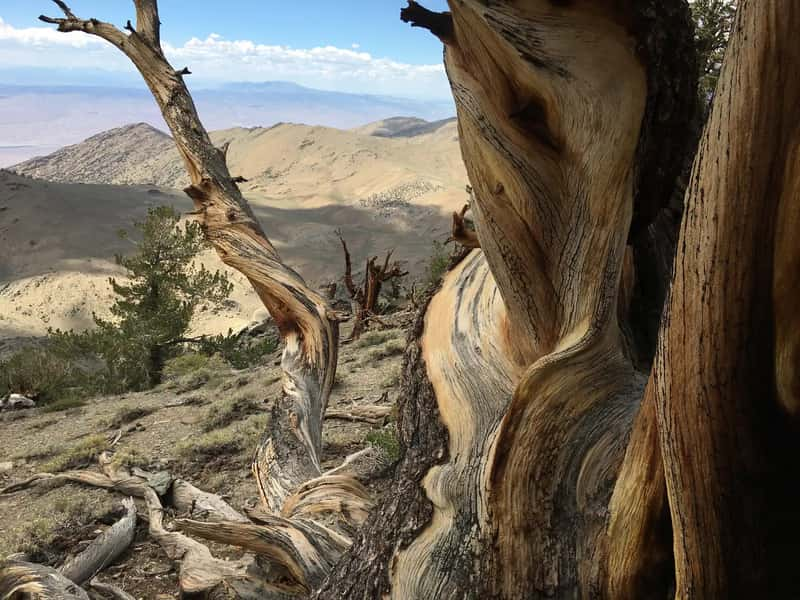
Methuselah may not be the oldest bristlecone. Researchers reported that it has an unnamed neighbor 216 years older, which would turn 5,074 in 2023.[3] A widely used list of old trees gives a similar figure for it, about 5,078 years. That list adds a caveat, though: the core is missing and the date is unconfirmed.[4]
The Forest Service has a good reason for keeping these trees anonymous. A bristlecone more than 100 years older than Methuselah was found in Nevada in 1964. Its age, about 4,900 years, was only learned after the tree, now called Prometheus, had been cut down.[5] That’s why Methuselah’s precise location is undisclosed, to protect it from vandalism.[2] You can visit the grove, but you won’t be told which tree holds the record.
Chile’s Gran Abuelo: A Challenger With an Asterisk
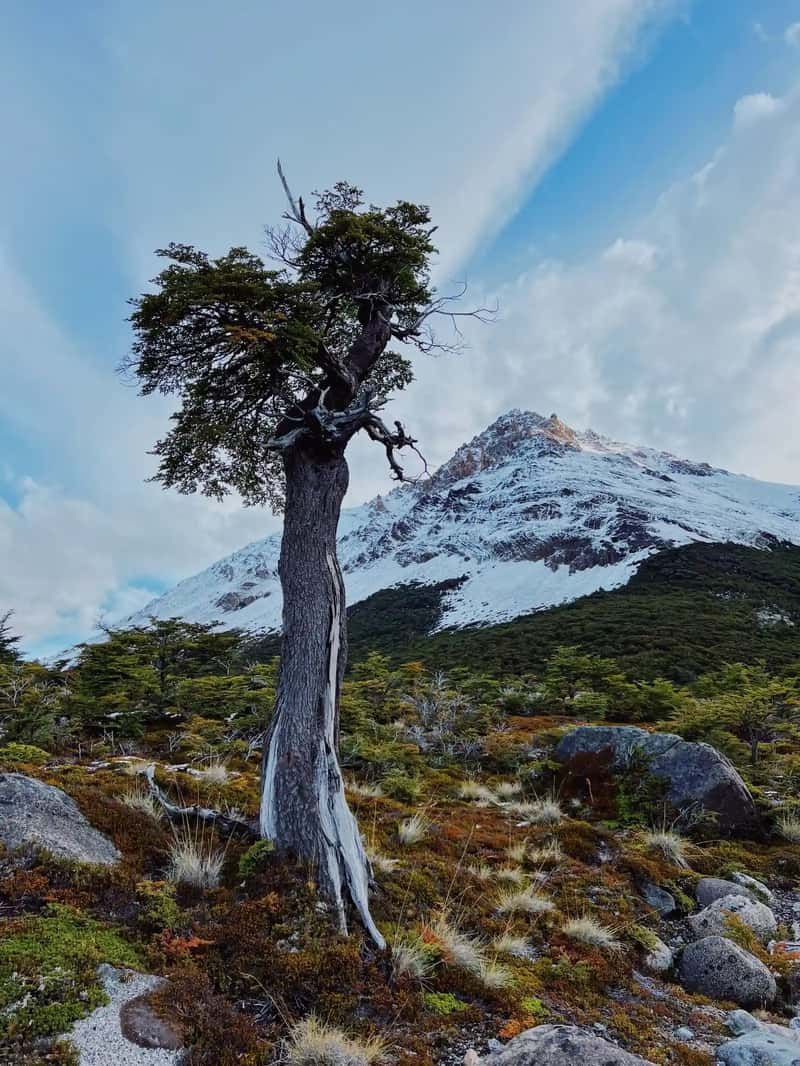
In southern Chile, a Patagonian cypress called Gran Abuelo, or “great grandfather,” has been proposed as an even older tree. It rises about 196 feet above the forest floor in Alerce Costero National Park.[6] Researcher Jonathan Barichivich reported in Science that new data suggest it could be 5,484 years old.[7] That would put it ahead of Methuselah among non-clonal trees.
The number comes from a model, not a full ring count. In 2020 the team drilled a small core that captured 2,465 years of rings, but the borer couldn’t reach the center of the 13-foot-wide trunk.[6] To fill the gap they used statistical modeling based on fully cored alerces nearby. It gave an 80 percent chance that the tree is over 5,000 years old.[7] At the time of the early coverage, the underlying data had not been publicly released or submitted to a peer-reviewed journal.[6] So the record is plausible but unconfirmed.
Utah’s Pando: One Tree, Tens of Thousands of Trunks
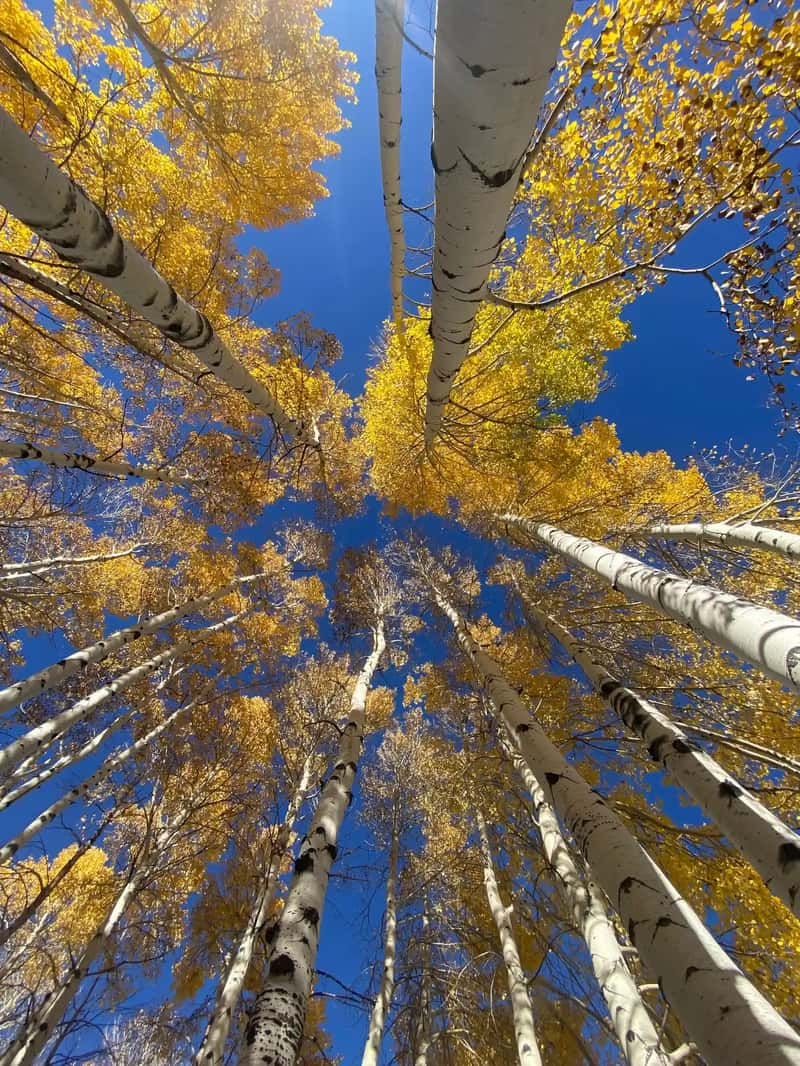
Pando looks like an ordinary aspen forest, but it is one organism. It grows in Utah’s Fishlake National Forest and covers about 106 acres, with an estimated mass of roughly 6,000 metric tons.[8] Roughly 47,000 pale trunks rise from a shared root system, all with the same genetic identity.[8] You can see it from the road, since it stands beside a two-lane highway through the forest.[9]
Its age is honestly uncertain. Each trunk lives about 130 years on average, then dies and falls, and the root system keeps sending up replacements.[10] Clones don’t have countable rings. A genetic analysis put the clone between 16,000 and 80,000 years old, while an older estimate tied to post-glacial pollen records is about 14,000 years.[11] The wide window comes from a 2024 preprint led by Rozenn Pineau, a researcher at the University of Chicago.[9] The clone also faces pressure, because deer keep eating the shoots it relies on to replace itself.[12]
Glass Sponges in the Deep and Cold
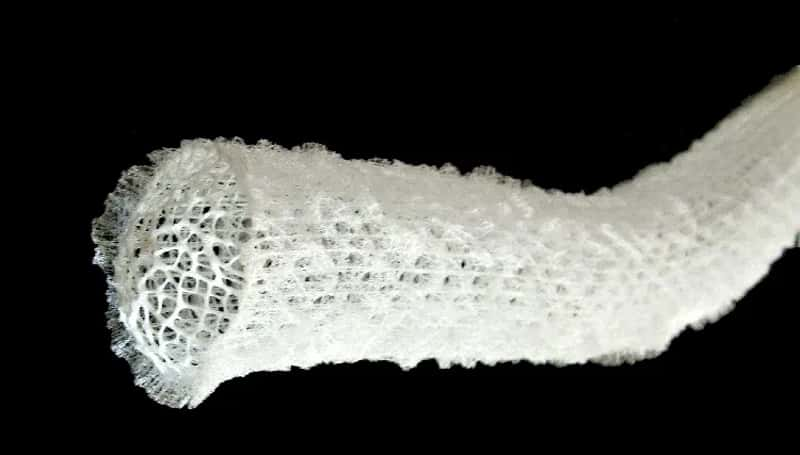
Among animals, sponges are the strongest contenders. Scientists estimate that glass sponges can live for more than 10,000 years, possibly up to 15,000.[16] One specimen of Monorhaphis chuni was about 11,000 years old. It lived at roughly 1,100 meters in the East China Sea until it was discovered in 1986.[17] Researchers read its age from fine silica layers in its glass-like rod, which grow like tree rings.[17]
Antarctic sponges are harder to pin down. The giant volcano sponge, Anoxycalyx joubini, has never been observed to settle or grow, which led to estimates of extreme longevity.[18] Early growth models suggested ages of about 23,000 years, with upper estimates of 40,000.[18] A later analysis, though, concluded that no marine invertebrate on the Ross Sea shelf can be older than about 15,000 years.[18] You’d need a research dive or a deep-sea submersible to see one.
Black Corals: Ancient Life in the Dark
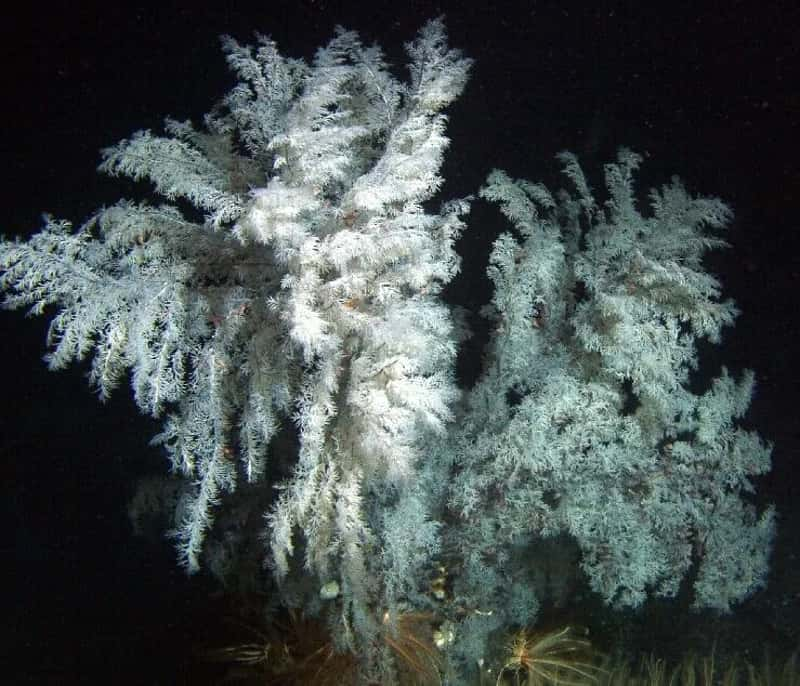
Black corals of the genus Leiopathes are another deep-sea record holder. Species such as Leiopathes glaberrima are among the oldest continuously living organisms on the planet, at around 4,265 years old.[19] That would put them close to the age of the oldest trees. Unlike a tree, a coral colony is a living animal community, which is why it belongs in a different category.
As with the sponges, these ages are estimates. Reference lists caution that many ages are based on present-day growth rates, which may differ significantly from rates thousands of years ago.[19] They also note that measuring lifespan is complicated by problems of definition and by practical difficulties, especially for clones.[19] The coral number is best read as a strong estimate, not a certified record.