The lobby is dim at 11 PM.
You checked in via an app.
You spoke to no one.
The room smells like cedar and something unnamed, and for the first time today, your shoulders drop half an inch.
There is a word for what just happened to you. The industry calls it “hushpitality.” But let’s be honest about what it really is – a beautifully engineered permission slip to stop performing yourself for other people. The gap between who we are at a dinner party and who we are face-down in a hotel pillow at midnight is not a flaw in our character. It is the entire architecture of modern adult life. We are, most of us, quietly exhausted by the theater of being known.
The Trend With Perfect Timing
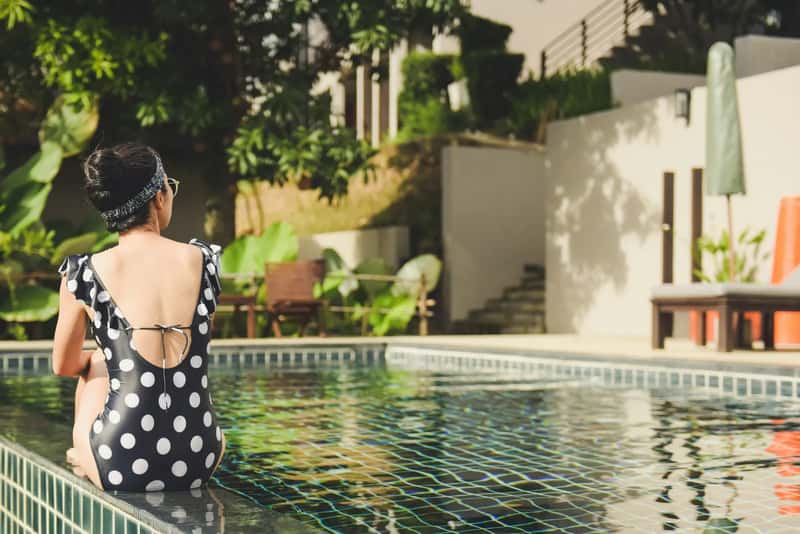
As we move through 2026, the travel industry has identified its most dominant theme: Hushpitality – a move away from overstimulation and “performative” luxury toward a state of intentional silence.
The timing is not accidental.
We have all just survived a decade of the loudest possible version of everything – loud branding, loud opinions, loud open-plan offices, loud menus with QR codes and “optional” tip prompts staring up at you from a cracked screen. The hotel room has become the last truly private theater. And the industry, smelling blood in the water, has responded.
The playbook for luxury hospitality used to be simple: pile on the amenities. More marble, higher thread counts, fancier minibars. That model still exists, but in 2026, luxury is defined less by abundance and more by restraint.
The trend didn’t emerge from nowhere. It emerged from us. From our cracked batteries and our inbox counts and our need to vanish without explanation.
The Neurology of the Hushed Room
Your nervous system doesn’t care about brand prestige.
It cares about threat level. And modern life reads as threat – perpetually, relentlessly, on a cellular level.
Noise pollution has become one of the most overlooked stressors of modern life. Traffic, notifications, background chatter, and constant media consumption have turned silence into something unfamiliar, even uncomfortable. Travel trends now reflect a growing desire to escape that constant stimulation.
The hushpitality hotel room is not a luxury product. It is a decompression chamber. A place where the cortisol finally stops spiking. Wellness experts have linked sustained quiet to improved sleep, lower cortisol levels, and better mental clarity. The body knows what the marketing copy is only just catching up to.
We are paying, extravagantly, to feel like mammals again.
The Architecture of Designed Silence
Hotels are no longer just building quieter rooms. They are engineering entire sensory philosophies.
The 2026 Hilton trends report highlights hushpitality – a travel and hospitality trend centred around quiet, calm, and intentional silence – as a growing priority for modern travellers. This concept goes beyond simply offering a quiet room; it encompasses thoughtful design, programming, and service elements that reduce noise, limit overstimulation, and enhance guests’ sense of peace.
Design and architecture play an important role in hushpitality. Hotels and retreats are experimenting with acoustic materials, noise-reducing layouts, sound-scaped gardens, and quiet zones where mobile phone use is limited or discouraged.
This is not minimalism. This is intention. The difference matters.
Minimalism removes things. Hushpitality removes pressure. One is aesthetic. The other is psychological surgery performed through thread count and ventilation design.
The Digital Key and the Disappeared Concierge
The handshake is dying.
Not because we are rude. Because we are running low.
In 2026, luxury is often defined by minimal human interaction. High-end travelers are prioritizing digital-only check-ins and AI concierges specifically to avoid the “social battery drain” of traditional hotel receptions.
Read that again. “Social battery drain.” This phrase, now embedded in hospitality industry reports, is a clinical admission that the performance of being a Good Guest – the cheerful hello, the grateful nod, the small talk about the flight – costs us something real.
Nearly three-quarters (73%) of global travelers find digital check-in and check-out options valuable. At Hilton properties, more than 12 million Hilton Honors Digital Keys were downloaded between January and June 2025 alone – a 20% year-over-year increase.
We are not checking in anymore. We are slipping through walls.
The Identity Audit at 2 Am
I want to tell you about a hotel room in Porto.
It was small. The window faced a tiled wall. There was no minibar, no turndown chocolate, no laminated list of local “experiences.” There was a bed with white linen and a lamp the color of an old candle. I sat in it for four hours without touching my phone. I ordered room service – soup, bread, nothing requiring a decision – by pressing a single button on an app. I spoke to no one the entire evening.
It was the most psychologically spacious I had felt in eleven months.
Because here is what no one says out loud: the solitude inherent in solo travel naturally creates space for self-reflection – a critical component of identity development. Without the constant social stimulation typical of group travel or daily life, solo travelers experience extended periods of introspection. The hotel room becomes a confessional. The version of you that exists without an audience is often the truest, and frequently the most frightening, one you’ll ever meet.
The Permission Economy of Feeling Special
Here is the darker current running beneath all of this.
Hushpitality sells something more than silence. It sells specialness without the social cost of being perceived.
The best hushpitality hotels are not minimalist in a cold or austere way. They are generous with warmth, with comfort, with the quality of the bed linen and the food. What they are not generous with is noise, pressure, or the sense that you should be doing something more than simply being there.
This is the psychological sleight of hand. You are made to feel curated, considered, seen – without anyone actually looking at you. The hotel room sees you. The temperature of the room sees you. The way the curtains filter morning light at precisely the right softness sees you. You are known without the terror of disclosure.
That is not wellness. That is a very sophisticated escape from intimacy, dressed in warm cotton and billed at $600 a night.
The Solo Traveler and the Self-Selected Crowd
The statistics on this are quietly staggering.
More than one in four travelers (26%) plan to travel alone in 2026, and forty-eight percent of travelers report adding solo travel days to their itineraries before or after their 2026 family trips.
The properties leading this shift tend to be small, often owner-run, and built around a genuine philosophy rather than a brand strategy document. They attract guests who are self-selecting – people who actually want to be present rather than people who have come to be seen.
But even in self-selected silence, the identity performance continues. The person who books the silent retreat is performing “the kind of person who books a silent retreat.” The guest who requests the digital-only check-in is signaling discernment. We cannot fully leave the stage. We simply change the costume and the venue.
The quiet room is still a mirror. We just prefer this particular reflection.
The Sensitive System Behind the Trend
Not everyone finds this sinister. Some of us simply need it.
Highly Sensitive Persons possess a trait called Sensory Processing Sensitivity, which allows for deeper emotional processing and acute awareness but can also lead to sensory overstimulation.
HSPs often require more time alone to recharge and recover from sensory and emotional stimuli. They value quiet, calm environments where they can decompress.
And here is the uncomfortable math: sensory processing sensitivity is present in roughly one in five people. That is not a niche population. That is a fifth of every flight, every lobby, every conference call. Hushpitality is not a trend for a rarified few. It is a structural response to a species that built a world too loud for a significant portion of itself to comfortably inhabit.
The hotel room is not indulgence. For many, it is triage.
The Joy of Missing Out on Being Known
We spent years pretending FOMO was our operating system.
We are now, openly and at scale, confessing to its opposite.
A lot of people feel happier when they miss out on things. This is called JOMO, the Joy of Missing Out. For many, having some quiet and stillness feels like a real luxury in their life.
According to Hilton’s global research, respondents’ number one motivation to travel for leisure in 2026 is “to rest and recharge” (56%). Top desires also include spending time in nature (37%), improving mental health (36%), and spoiling themselves with “me time” (20%).
The language of self-care has become the language of self-evacuation. We are not nourishing the self. We are temporarily abandoning it in a well-appointed room and hoping it will be improved by morning. There is something both deeply human and profoundly modern about that particular hope.
The Final Quiet: What We’re Really Buying
What makes hushpitality so compelling is its contradiction. The experience itself costs nothing. Silence exists freely in nature. What travellers are paying for is access to this silence.
But that is not entirely true, is it.
We are not paying for silence. We are paying for the structure around the silence. The walls that say: no one will need anything from you here. The app that says: you don’t have to smile. The keycard that says: you may exist without explanation, without performance, without the exhausting maintenance of your own social persona, for exactly as long as your reservation holds.
Concepts like “hushpitality” reflect a broader move away from constant stimulation and toward environments designed to support recovery. Travelers are increasingly seeking spaces that feel grounding and reassuring rather than overtly performative.
And the industry, in its most honest and most cynical move simultaneously, has packaged our collective emotional collapse as a premium product. They have taken the most intimate private need – the need to stop being perceived for a little while – and turned it into a revenue stream. They saw the exhaustion. They didn’t fix it. They monetized it.
The room exists in the gap between who you have to be and who you actually are. That gap has always been there. What’s new in 2026 is that you are paying someone to hold it open for you.
There is no shame in that. Shame is a loud emotion, and we are all very, very tired of noise. The person lying in the dark of a hushpitality room isn’t weak or avoidant. They are honest – possibly for the first time all week – about the cost of their own visibility.
Maybe the most radical thing a hotel room can offer in 2026 isn’t silence. It’s the quiet, radical act of not asking you to be anyone at all.