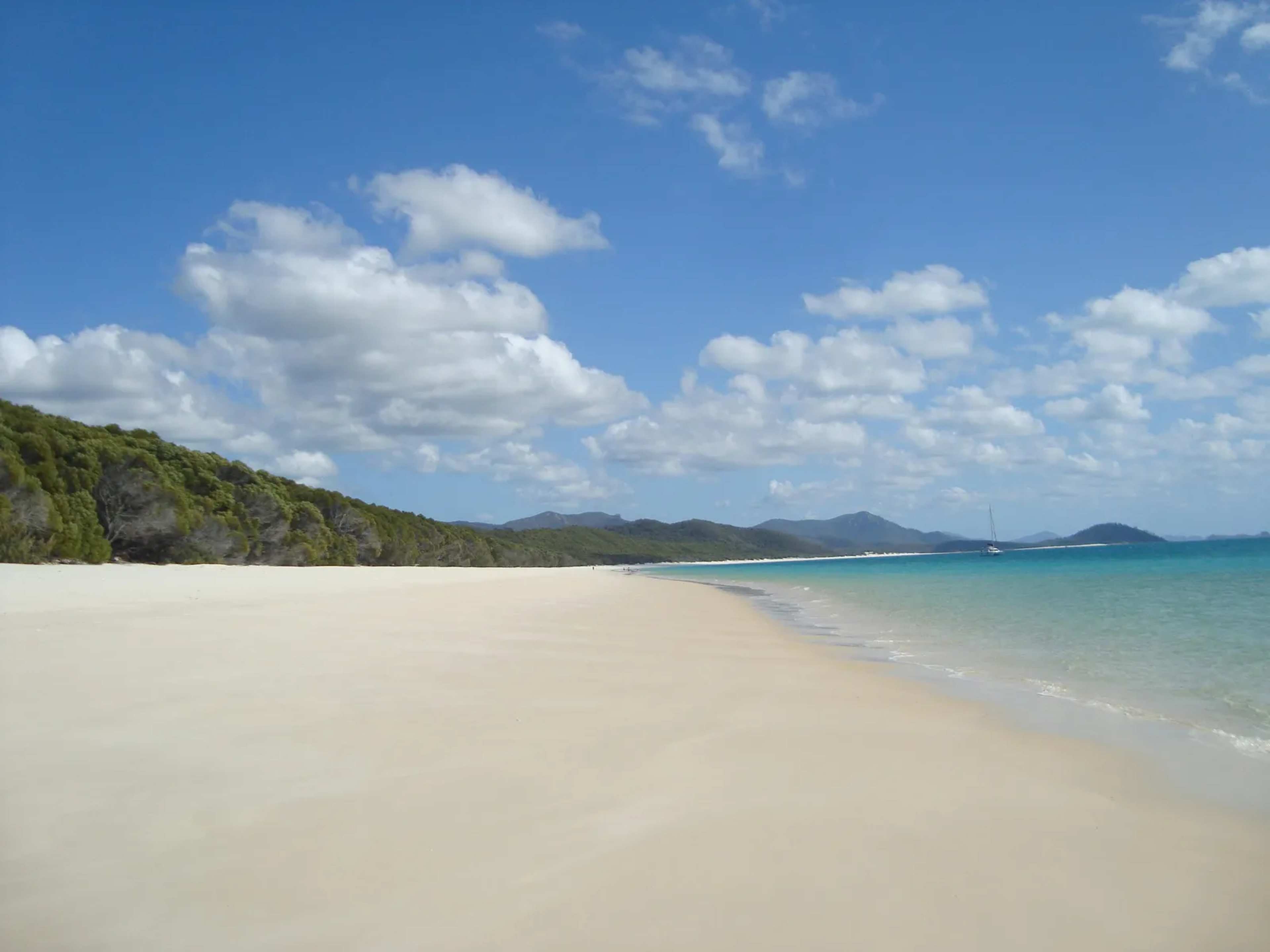
For decades, the default retirement dream for many Americans looked like a golf course in Florida or a cabin somewhere quiet in Arizona. That picture is fading fast. A growing number of retirees are packing up and heading south instead, drawn by cheaper healthcare, warmer winters, and a pace of life that simply costs less to maintain.
The shift isn’t a rumor or a niche trend confined to travel blogs. It shows up in visa applications, in expat forums, and in the steady flow of moving trucks headed toward airports rather than retirement communities in the Sun Belt.
A retirement migration that’s picking up speed
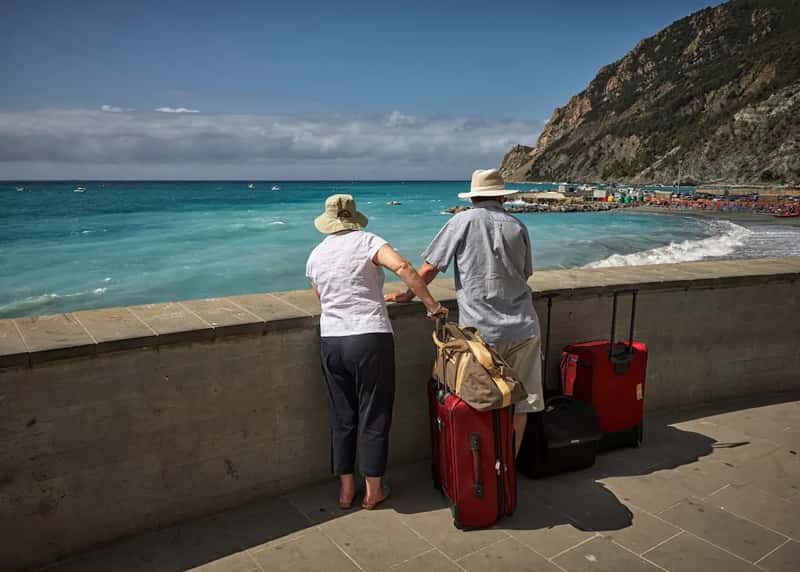
The exact headcount of Americans building new lives in Central America is hard to pin down precisely, since no single agency tracks it in real time. Still, the direction is unmistakable. About 450,000 Americans have already retired abroad, according to the Social Security Administration, and more are considering doing so as the cost of living in the U.S. remains high.
Broader figures back up the trend. Data from the Social Security Administration show that more than 730,000 U.S. retirees receive their benefits while living abroad, with Latin America accounting for a growing share. At the same time, the percentage of people older than 55 who want to leave the country has more than quadrupled since 1974, to 17%, according to polling from Monmouth University and Gallup.
Costa Rica and the pull of pura vida

Costa Rica has spent years as the poster child for Central American retirement, and the numbers explain why. About 70,000 U.S. expatriates live in Costa Rica, many of them as retirees, mainly because Costa Rica has one of the highest living standards in Central America. Other estimates run higher, with roughly 120,000 Americans, many of them retirees, living in Costa Rica.
Safety is a big part of the appeal too. Costa Rica’s stable democracy and low crime rates make it the safest country in Latin America and the 39th safest in the world. The country has also built a reputation for social openness, since it was the first in Central America to recognize marriage equality and has an active LGBTQ+ community in San José, Manuel Antonio, and Tamarindo.
Panama’s pensionado program leads the region
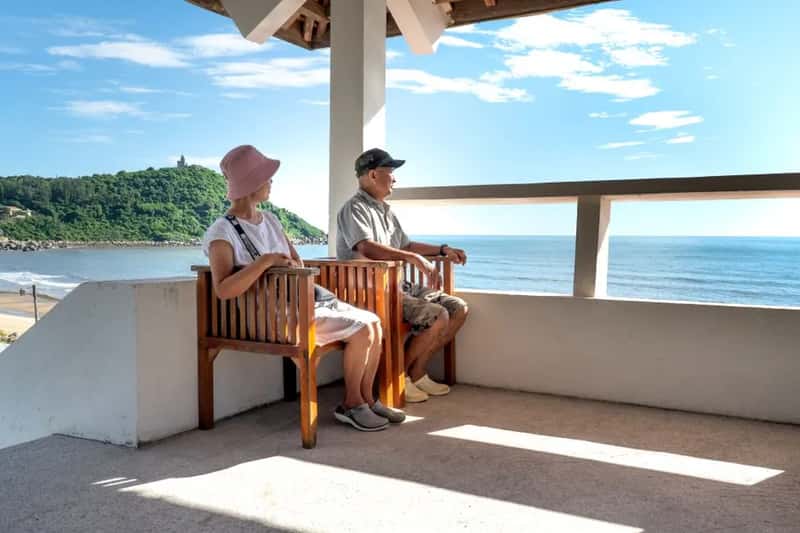
If one country defines the modern Central American retirement wave, it’s Panama. The small mountain town of Boquete earned a top spot in recent rankings, since Live and Invest Overseas identified it as the number one retirement haven for Americans ready to enjoy their golden years surrounded by the great outdoors, while still having access to good quality, affordable health care.
The financial logic is straightforward too. On average, Panama is 53% cheaper than the U.S., and Costa Rica, another popular retirement destination in Central America, is 11.5% more expensive than Panama. Because it’s a dollar based economy, U.S. citizens won’t need to worry about currency exchange, and Panama doesn’t tax overseas retirement income, so savings go even further.
Belize offers an English speaking landing spot
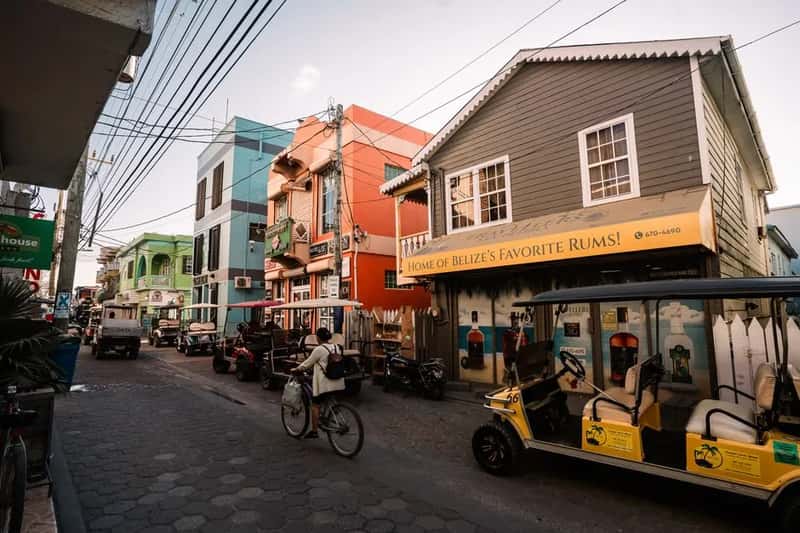
For retirees nervous about learning a new language later in life, Belize solves that problem outright. Belize is the only Central American country where English is the official language. That single fact removes a huge barrier that keeps many older Americans from considering a move abroad in the first place.
The country also makes the paperwork relatively painless. To qualify for Belize’s Qualified Retirement Program, applicants must be at least 40 years of age and receive retirement income of at least US$2,000 per month or US$24,000 per year. Proximity matters too, since Belize is close enough to the States that retirees can even drive down.
Nicaragua’s quiet, low cost alternative
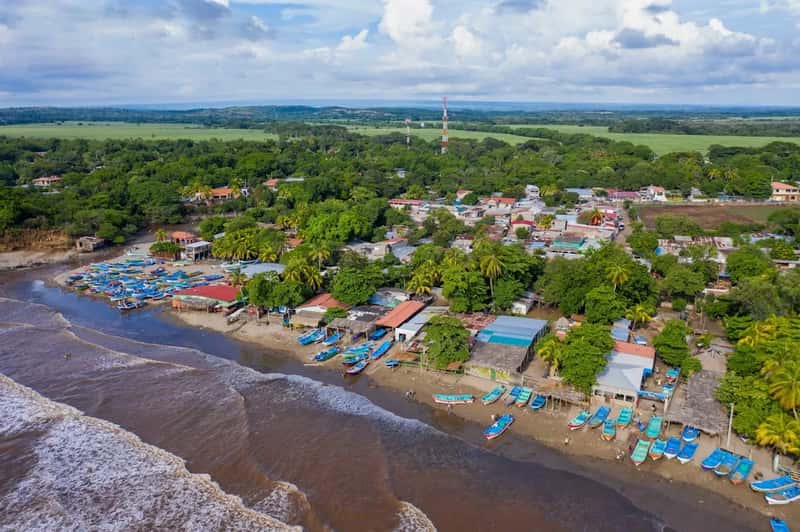
Nicaragua rarely gets the marketing budget that Costa Rica or Panama enjoy, yet it remains one of the least expensive entry points into the region. Pensionado residency there requires a monthly income of just US$600. That’s a fraction of what most other retirement visa programs in the hemisphere demand.
The tradeoff comes in processing speed rather than cost. Applications for long term residency in Nicaragua can take anywhere from two to eight months, though visas based on income usually move faster, while investor and business visas often require a longer wait. For retirees with patience and a modest budget, that wait is a small price for one of the cheapest legal pathways in Central America.
Guatemala’s colonial towns and gradual residency path
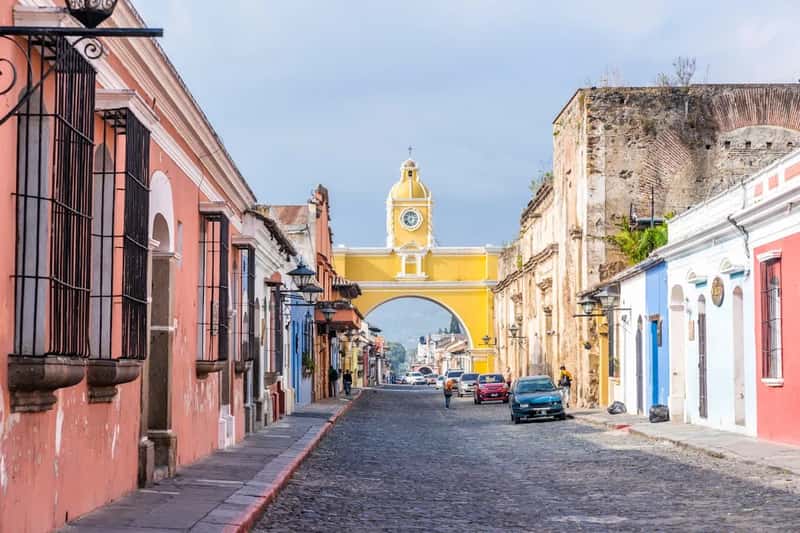
Guatemala tends to attract a different kind of retiree, one drawn to cobblestone streets, volcano views, and a slower bureaucratic pace. New arrivals aren’t left stranded while paperwork processes either, since U.S. and Canadian visitors are granted an automatic 90 day tourist visa upon entry to Guatemala, which can be extended once for another 90 days, allowing for up to six months of stay without formal residency.
Longer term residency follows its own rhythm. The visa ordinaria is renewable every six months, and permanent residency becomes available after two years of renewals. It’s a slower climb than Panama’s pensionado track, but for retirees who value atmosphere over speed, that gradual process rarely feels like a drawback.
The dollar simply stretches further across the region

Cost of living comparisons across Central America tend to tell a consistent story, and it isn’t subtle. All of the top retirement destinations have a monthly cost of living that is between 34 percent and 71 percent lower than the United States. For someone living on a fixed Social Security check, that gap can mean the difference between scraping by and living comfortably.
Panama’s pensionado perks sweeten the deal even further. Cardholders receive a 25% discount on electricity and restaurant bills, and up to 50% off cultural activities. Those aren’t marketing gimmicks either; they’re written into national law as part of the country’s retiree incentive program.
Proximity keeps families and routines within reach

One reason Central America beats farther flung destinations like Southeast Asia or Eastern Europe is simple geography. Costa Rica illustrates the point well, since flights from Miami to San José take around 2 hours 50 minutes, and from Los Angeles around 5 hours 46 minutes. That’s a short enough hop for grandchildren to visit on a long weekend rather than a once a year pilgrimage.
Time zones line up closely with the US as well, which matters more than people expect once video calls with family become a weekly habit. Retirees who move to the region rarely describe feeling cut off the way earlier generations of expats sometimes did when settling in more distant corners of the world. The region offers a genuine sense of separation from American routines without severing the practical ties that keep relationships intact.