
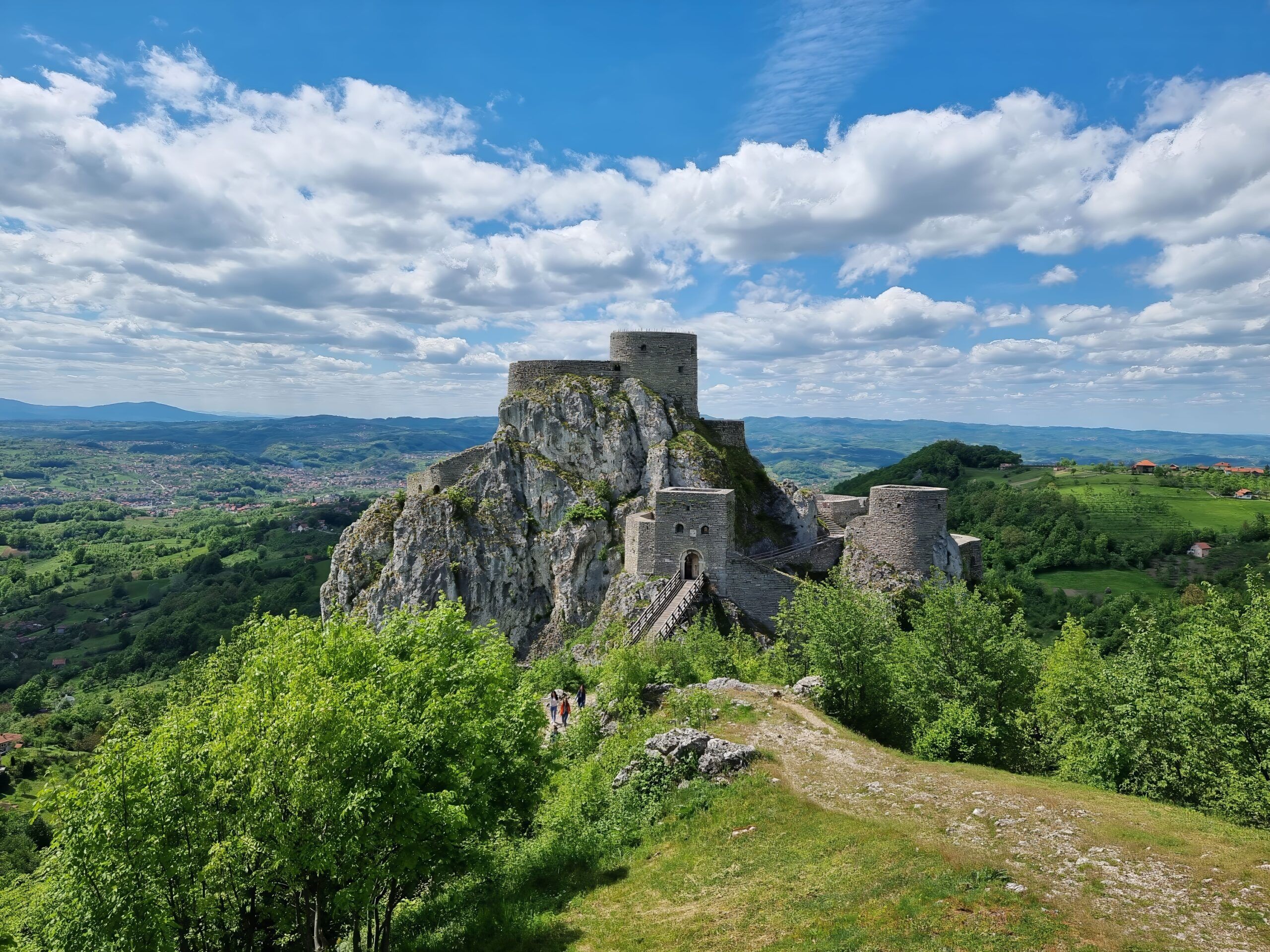
Drive through the hills of Aude and Ariège in southern France and you’ll notice ruined fortresses perched on limestone crests, looking almost impossible to reach. For decades they’ve been sold to visitors under one label, and locals have grown deeply attached to it. The story behind that label is older than most European nations.
Lately the argument hasn’t been about swords or sermons. It’s been about a name on an official list, a question of what counts as historical truth, and who gets to decide. That’s a lot of weight for a religious movement that disappeared centuries ago.
A Medieval Faith Born in the South
The group at the center of all this is the Cathars. They were a persecuted religious sect that sprang up in France in the 13th century.[1] Their beliefs ran contrary to the teachings of the Catholic Church, which is why Rome treated them as a danger. They are usually described as a sect of Christianity.[2]
Their roots reach further back than southern France. An older study traces the dualist idea, that the material world couldn’t be the work of a good God, through the Manicheans, the Paulicians and the Bogomils before it arrived in Languedoc. That chain runs from the third century through the eighth and tenth.[3] The Cathars were, in other words, one link in a long line of dissent.
The Crusade That Changed Everything
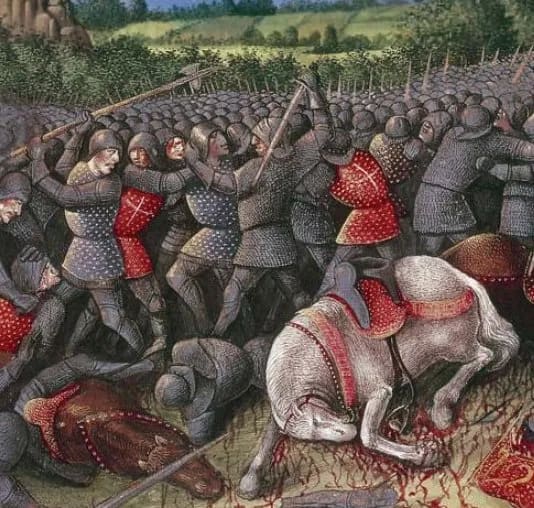
Rome didn’t simply argue with the Cathars. On March 10, 1208, Pope Innocent III proclaimed a crusade against the sect in southern France, and it became one of the bloodiest episodes in European history.[4] Wars, sieges and inquisitions followed for decades.
Politics ran alongside faith the whole way. The King of France wanted the wealth and territory of the South, while the Pope wanted what he saw as a heretical sect eliminated.[5] Historians still debate how much weight to give each motive, though the overlap helps explain why the campaign was so thorough.
The Castles the Cathars Never Built
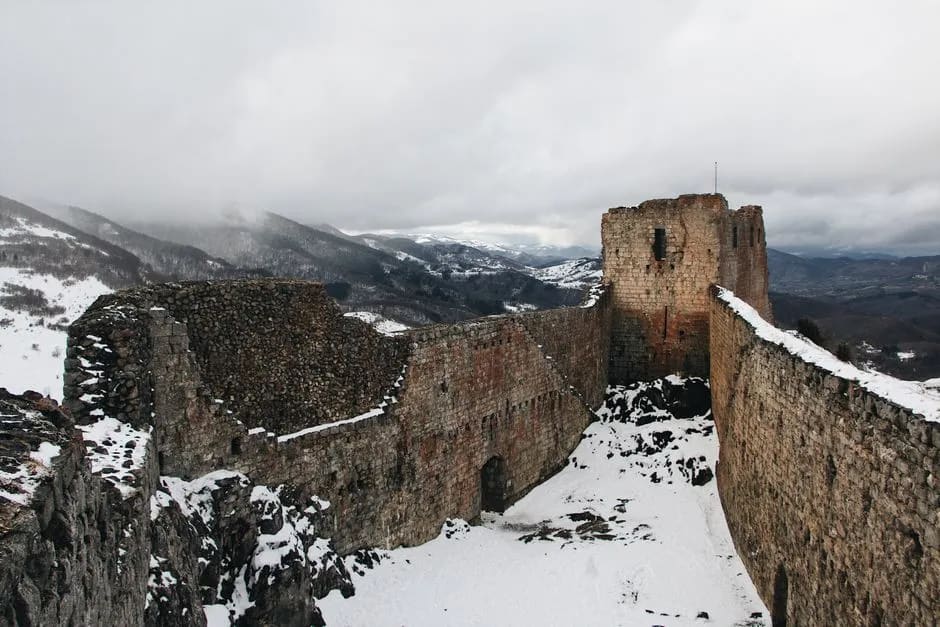
Here’s the awkward detail that sits at the heart of the current dispute. The vertiginous ruins standing at Montségur today were built after the massacre.[6] Royal forces pulled the original fortress down after capturing it in 1244.[7]
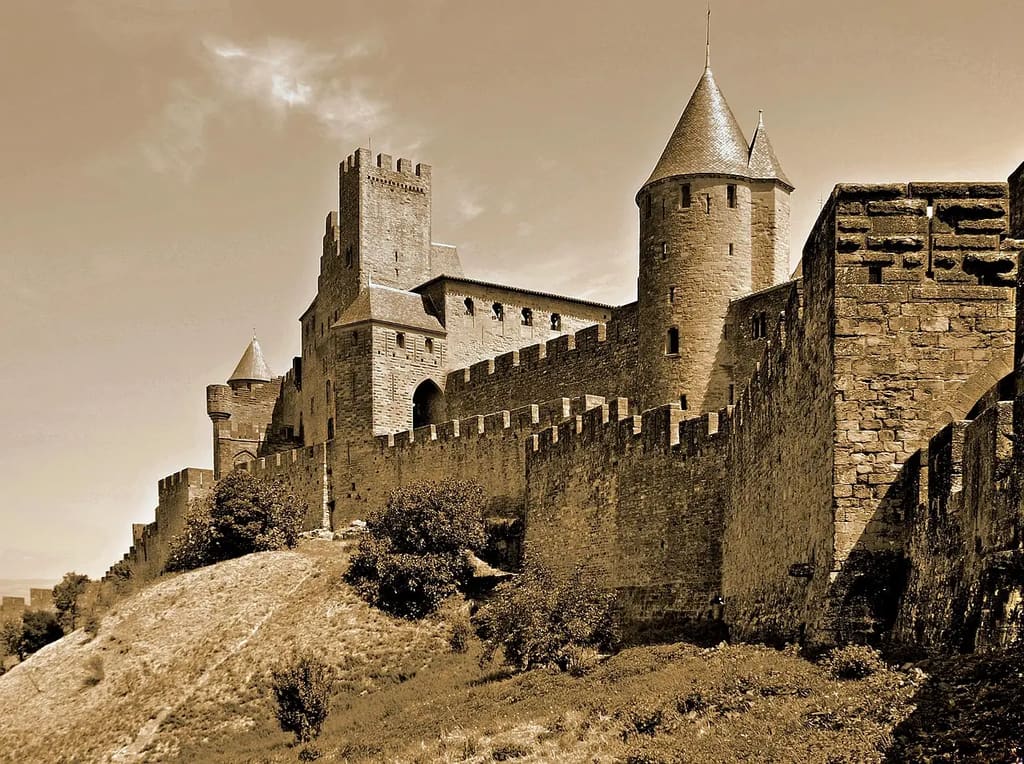
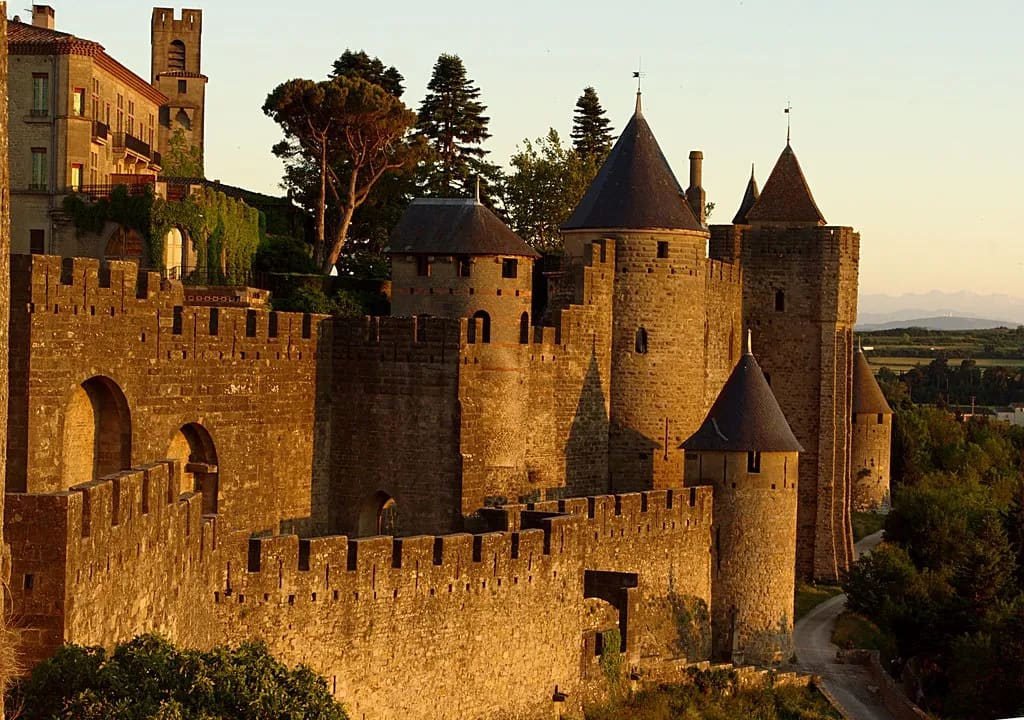
The pattern repeats across the region. After the crusade, King Louis IX ordered a chain of royal fortresses to be built or rebuilt between the 1240s and 1290s in the Capetian style.[8] Their job was to defend the frontier with the Kingdom of Aragon.[9] So the buildings visitors photograph are largely a monument to the crown, not to the heretics.
A New Name on the World Heritage List
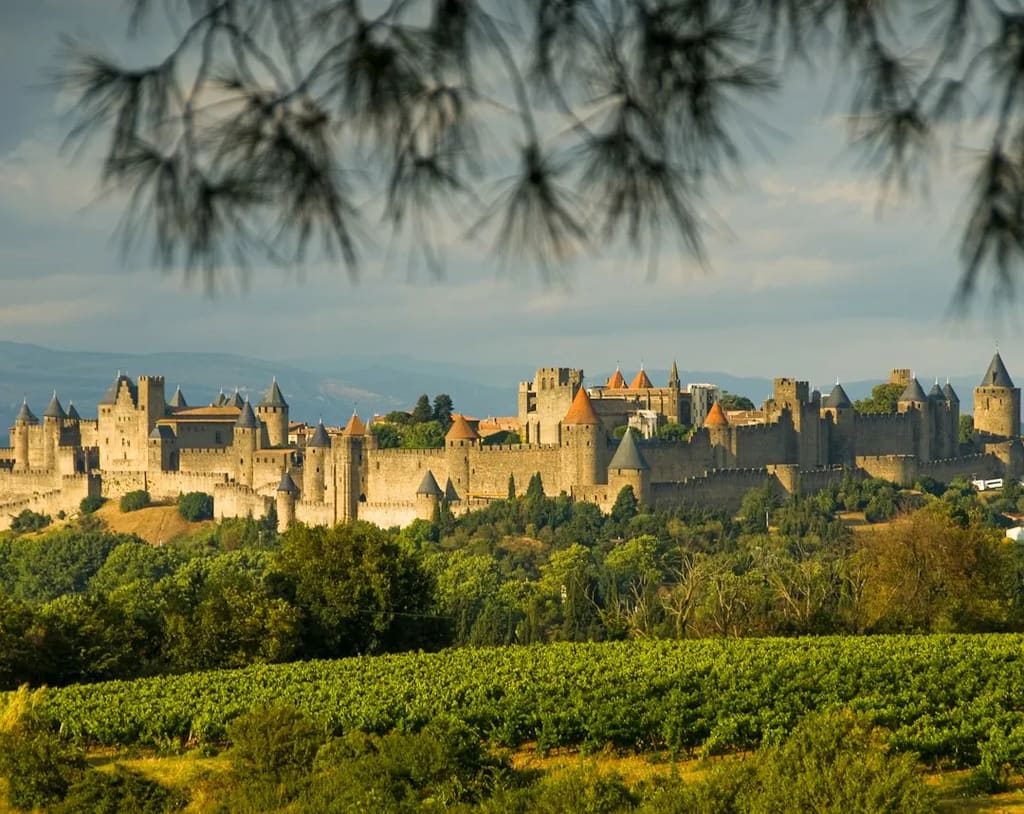
That history shaped France’s UNESCO application. The nation proposed the castles as a World Heritage Site in 2025.[10] The bid replaced the familiar name with Languedoc Royal Fortresses, a choice the authors say was made for historical accuracy.[6]
The outcome came this summer. UNESCO’s World Heritage Committee approved the listing on July 26, 2026, during its 48th session in Busan, South Korea.[11] It covers the castle and ramparts of Carcassonne and seven medieval fortresses in Aude and Ariège, including Montségur, Peyrepertuse and Quéribus.[9]
Why Locals Pushed Back
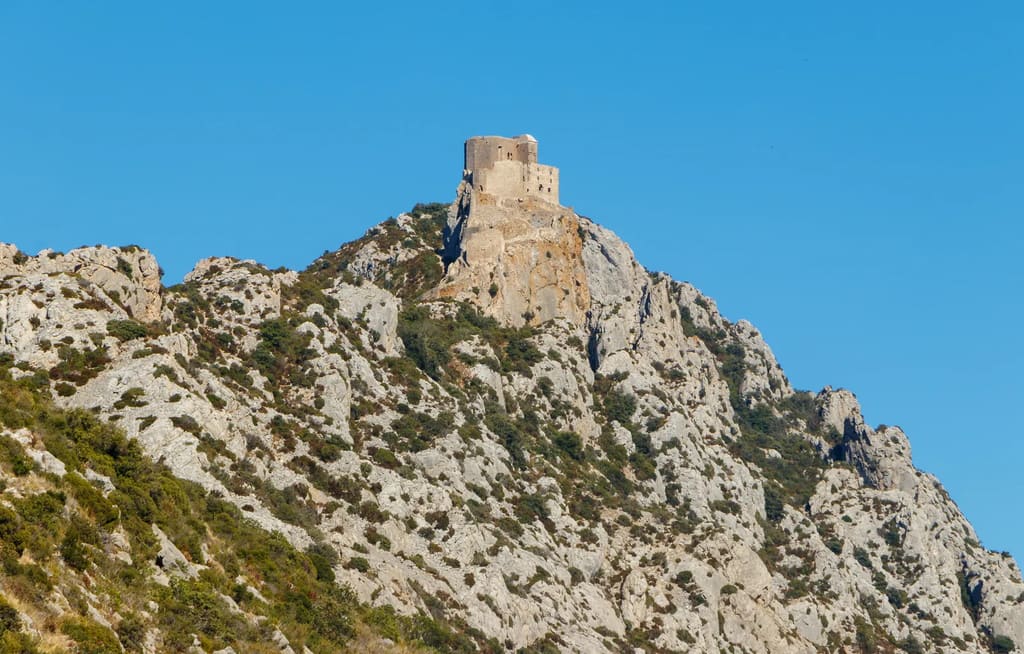
Not everyone welcomed the new wording. Some residents and heritage supporters argued that dropping the word Cathar risks erasing an important part of the region’s identity.[8] A petition against the designation gathered around eight and a half thousand signatures, and campaigners planned a demonstration at Quéribus the day before the committee’s session opened.[8]
Opponents make a reasonable point. Even if the Cathars didn’t build the castles, they say, the story is intricately linked to the sites, some of which gave refuge to the persecuted group.[6] Supporters of the new name reply that the Cathar story will remain central to how the sites are interpreted, even without a place in the official title.[8]
Did the Cathars Really Exist as a Sect?
The controversy goes deeper than naming rights. Over the past twenty years, some scholars have begun to question how widespread Catharism was, and even whether it existed as a sect at all.[10] The argument is not that nobody was persecuted, but that the label may have been shaped by the people doing the persecuting.
The surviving picture does look uneven. Communities seem to have been headed by four bishops, one based in Carcassonne, yet beliefs varied from one area to another, with no clear guidelines and no central theological authority.[10] A reporter who covered the debate for a US newspaper found it had spilled into newspapers, tourism offices and research conferences across the region.
Grail Legends and Southern Identity
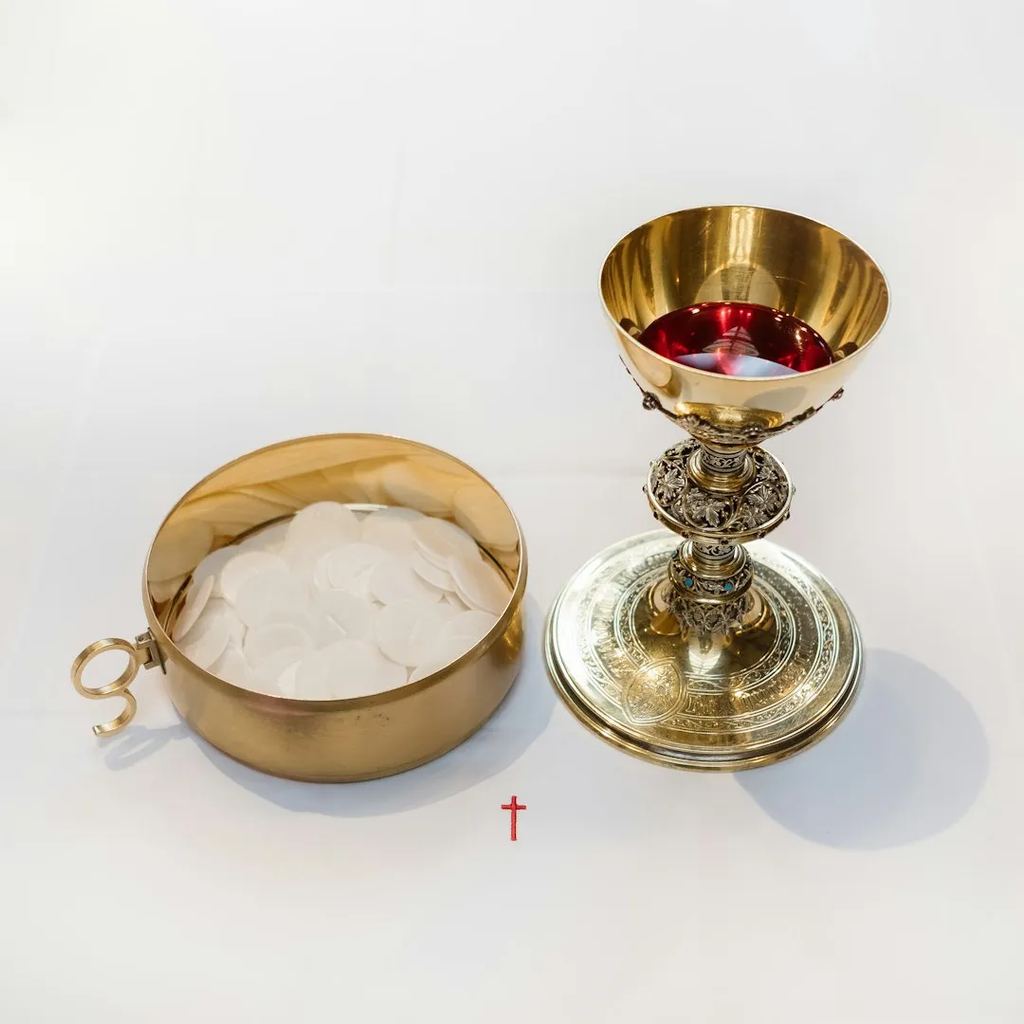
Myth has helped keep the Cathars alive in the public imagination. Perhaps the most famous legend casts them as guardians of the Holy Grail, with a few escaping the Montségur siege to hide it.[6] There’s no solid evidence behind that story, which hasn’t slowed its popularity.
Related Stories From Travelbinger



Identity matters just as much as legend. A tourism official in Béziers, a town burned during the crusade, has said locals see the campaign as something like a colonial war.[12] Time magazine noted decades ago that southern anticlericalism, which later recruited the Huguenots and fueled Communism, found a new outlet in enthusiasm for the vanished sect.[4]
Tourism, Branding and the Cathar Label
There’s money in the name too. The Cathars are likely to remain a major tourism draw, particularly in the Aude, which has embraced the label Pays Cathare.[12] Locals who rely on visitors have obvious reasons to worry about a rebrand.
Meanwhile, the castles themselves aren’t going anywhere. Carcassonne was already inscribed separately on the World Heritage List in 1997.[11] The newer listing simply widens the frame to include a whole defensive network.
Where Things Stand Now
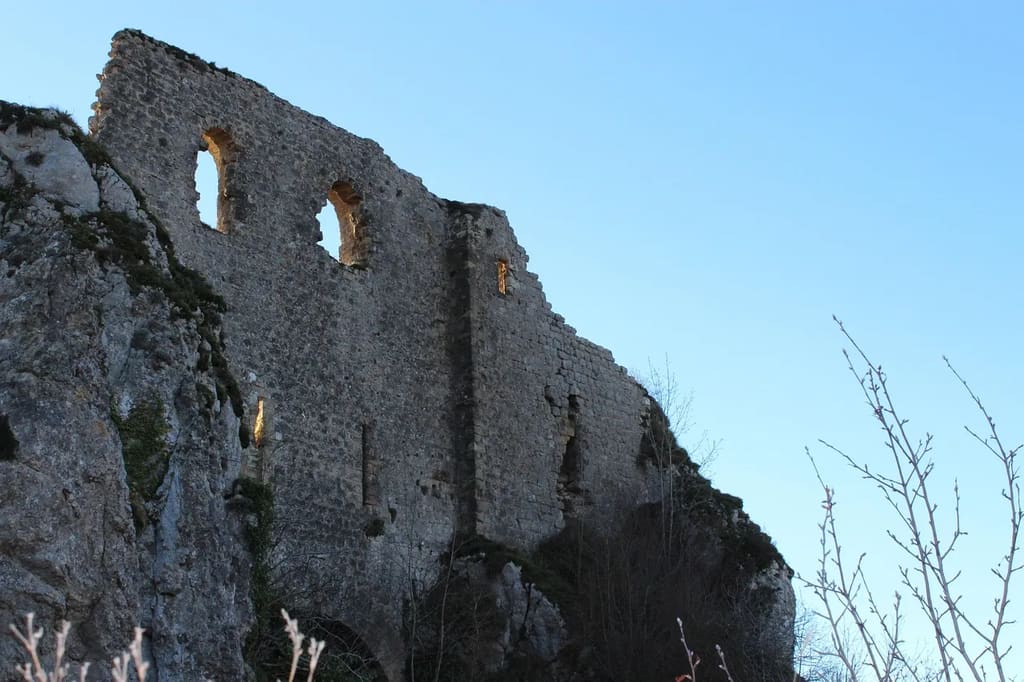
UNESCO has settled the official name, but the wider question remains open. The choice of title has already generated debate among historians and local commentators.[11]
The fortresses are now protected as royal strongholds, while the Cathar story continues to be told at the same sites. Both versions of the past sit side by side on the same hilltops.