Something strange is happening at Europe’s rail stations. Platforms that were once half-empty at midnight are now buzzing. Passengers are rolling suitcases through dimly lit corridors, settling into bunks, and waking up in a completely different country. The sleeper train, long dismissed as an outdated relic, is suddenly the hottest ticket in travel.
And it isn’t just a nostalgic quirk. There are hard numbers behind this shift, a growing frustration with commercial aviation, and a deeper cultural change in how people think about getting from one place to another. The story is more surprising, more layered, and more relevant than you might expect. Let’s dive in.
The Numbers That Prove This Is Real
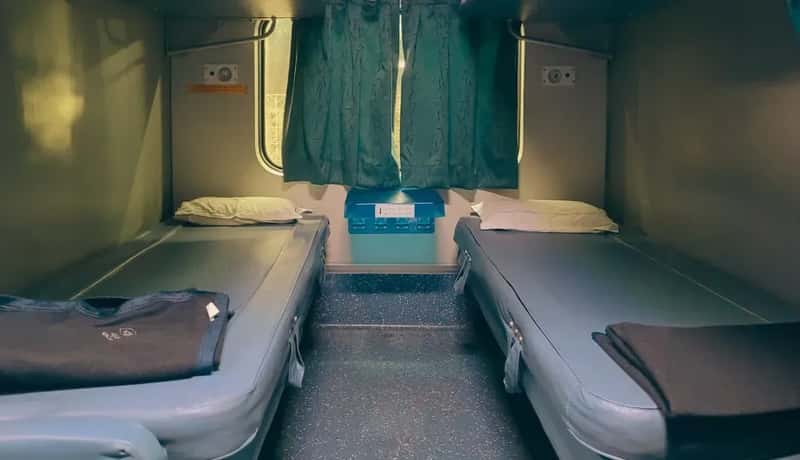
Let’s start with the data, because honestly, the scale of this trend is genuinely surprising. The global sleeper train travel market stood at USD 34.7 billion in 2024, reflecting a robust resurgence in demand for overnight rail journeys worldwide. That is not small. The market is projected to grow at a compound annual rate of 7.1% from 2025 to 2033, reaching USD 64.6 billion by 2033, driven by increased demand for sustainable travel, improved onboard experiences, and expanding rail infrastructure.
France alone tells a jaw-dropping story. 2024 was a record year for sleeper services, with more than a million passengers using them in France. Night trains were 76 per cent full on average, and even more than 80 per cent full on the two main routes, Paris-Toulouse and Paris-Nice. The line between Paris and Toulouse alone attracted nearly 100,000 additional passengers between 2019 and 2024, a growth of 64 per cent.
Flying Is Quietly Becoming a Nightmare

Here’s the thing: people aren’t just falling in love with trains. A big part of this story is that flying has become genuinely exhausting. In 2024, a total of 1 billion passengers took off from US airports, with almost 1 in 4 experiencing a flight delay or cancellation. Think about that for a moment. One in four trips is a disrupted one.
Flight delays in the United States are quietly draining travelers’ wallets, with new analyses indicating that passengers now shoulder as much as $18 billion annually in hidden, out-of-pocket expenses and lost time. A 2026 AirHelp study found that 73 per cent of U.S. passengers said they lost money as a result of a flight disruption, with non-refundable losses including lost earnings averaging $484 and accommodation costs averaging $311.
Meanwhile, more than 1.4 million domestic flights in a single recent year arrived 15 minutes or more behind schedule, affecting tens of millions of passengers. No wonder people are looking for alternatives.
The Carbon Guilt Factor Is Driving a Generation Away From Airports
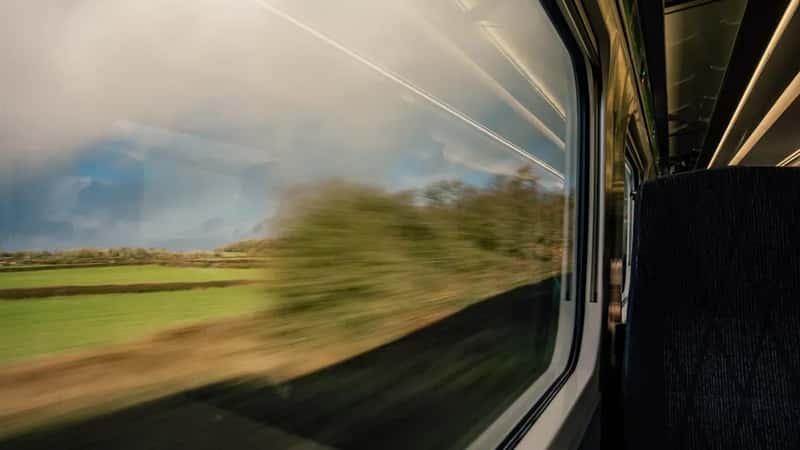
I think this piece of the puzzle gets underestimated. The “flight shame” movement of the early 2020s has matured into a conscious choice for “climate-positive” travel. Taking a train instead of a short-haul flight cuts carbon emissions by up to 86%. That is not a marginal improvement. That is a transformation.
A journey from London to Nice, for example, generates just 36kg of CO₂ by train, compared to 250kg by air. Trains are significantly less carbon intensive, producing between seven and more than 40 times fewer emissions than airplanes. For younger travelers especially, this matters enormously. The sleeper train isn’t just transport anymore. It’s a statement.
New Routes Are Exploding Across Europe and Asia

It’s not just that old routes survived. Brand new ones are launching constantly. Europe’s overnight trains are making a remarkable comeback. After a decline in the 2010s, sleeper trains have been resurging as a convenient, climate-friendly way to travel between major cities, with several new and revived night train routes launching in 2024 and 2025, including a Paris-Berlin sleeper and expanded services from Vienna across Europe.
European Sleeper launched a new sleeper service running all the way from Brussels to Venice connecting Eindhoven, Cologne, Munich, Innsbruck, and Verona. Its inaugural journey departed on February 5, 2025, created to provide a sustainable, convenient travel option between cities and winter sports destinations. Meanwhile, Japan’s largest rail company recently unveiled a new sleeper route between Tokyo and Tohoku. The expansion is genuinely global.
Demand Is So High That Rail Companies Can’t Keep Up

This is one of the more remarkable details in the whole story. The problem is not demand. The problem is supply. In Scandinavia, an executive at Swedish railway Snalltaget noted that demand for sleeper services is now so high they can’t keep up with the influx of passengers.
France faces a similar crunch. The soaring passenger numbers are a positive sign, but France’s limited fleet of trains can’t cope with the demand, which is actually forcing travelers to choose alternative, often more polluting forms of transport, or cancel their trip completely. To relieve congestion on existing lines and open new ones, France needs to expand its fleet far beyond the current 129 sleeper cars. In early 2025, the French government announced plans to order 180 new sleeper cars and 30 locomotives, representing the first large-scale investment in night trains in 45 years. That speaks volumes.
The Modern Sleeper Train Isn’t What You Remember
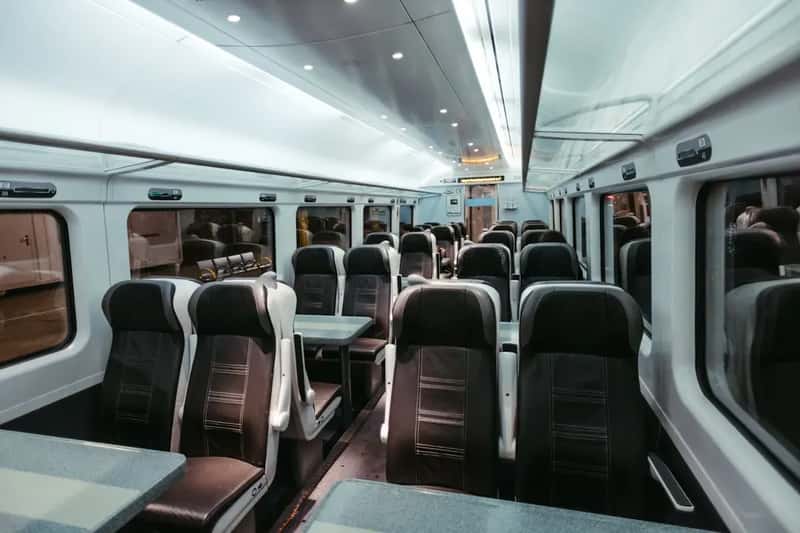
Many people still picture sleeper trains as creaky, cramped, slightly smelly compartments from a 1970s spy film. That image is completely outdated. Modern sleeper trains have shed the “creaky couchette” image. New rolling stock features improved soundproofing, private pods for solo travelers, and family compartments that make traveling with kids an adventure rather than an ordeal.
New Nightjet trains feature mini cabins designed for one person, offering more privacy for budget travelers. The concept is similar to capsule hotels and is a first in Europe. Sleeper cabins now include a private toilet and shower. Honestly, that sounds better than most budget hotels near airports.
The Luxury End of the Market Is Booming Too

Sleeper trains are not just attracting budget-conscious backpackers. Rail packager Railbookers reported a record year in 2024 with 30% growth in revenue and an already strong start to bookings in 2025, leading 31% ahead of the previous year at the time.
Belmond introduced the brand-new Britannic Explorer in July 2025, which became the first luxury sleeper train to serve England and Wales. Departing from London, it offers three-night journeys on three different itineraries visiting Cornwall, the Lake District, and Wales. Even on iconic luxury services, like the La Dolce Vita Orient Express in Italy, interest in overnight rail travel remains exceptionally strong. The sleeper train has well and truly gone upmarket.
Business Travelers Are Quietly Switching Too
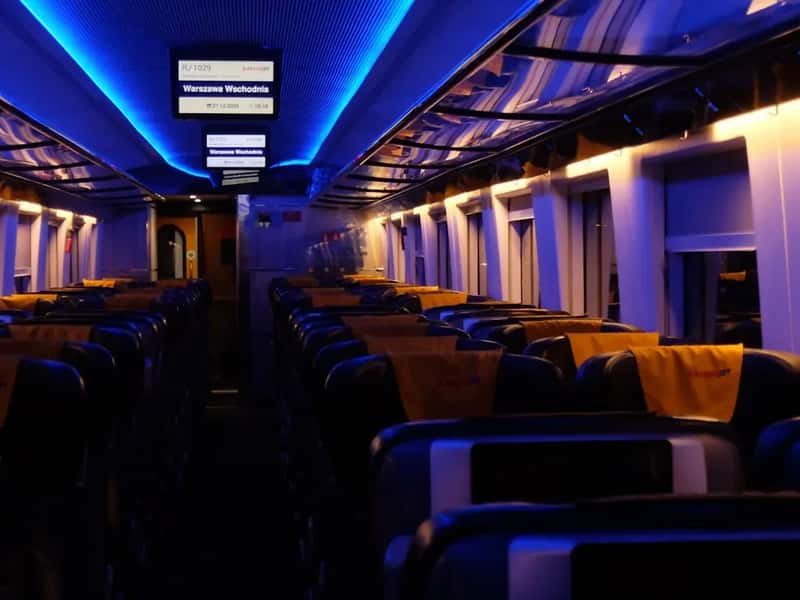
This detail surprises most people, but it absolutely makes sense once you hear it. Night trains are becoming an increasingly popular option with business travelers, who made up 30 per cent of users in France in 2023. Think about it: board a train at 10pm, sleep, arrive at your destination at 7am fresh and ready, skip the airport entirely. No hotel bill for the night. No check-in chaos.
For many short- to medium-haul trips, trains are cost-effective and even faster when accounting for airport procedures and the time it takes to get into the city centre from an airport. Choosing a sleeper service over a high-speed daytime equivalent can also save money. The night train from Paris to Toulouse, for example, starts at nearly €30 cheaper than the TGV, and you don’t need to pay for a night in a hotel. The economics are becoming hard to ignore.
Political Will and Its Limits: The Funding Fight Behind the Scenes
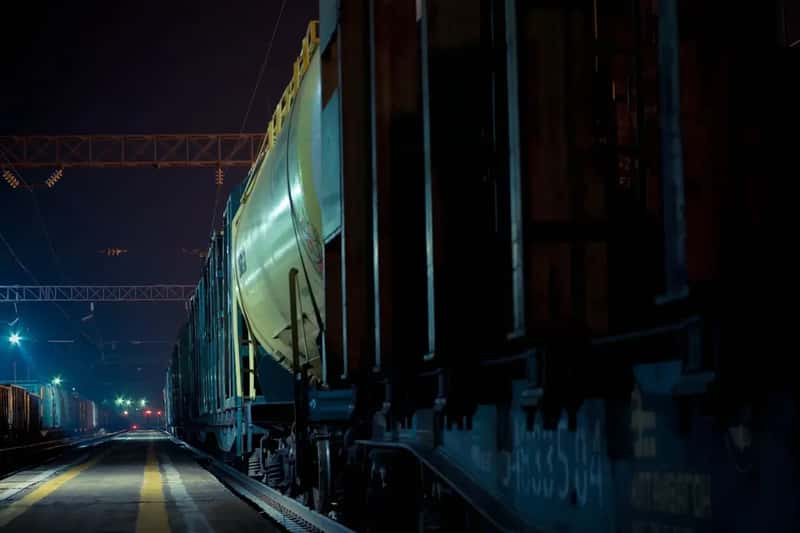
It would be dishonest not to mention that this revival has real vulnerabilities. The Paris-Berlin and Paris-Vienna Nightjet lines came to a halt on December 14, 2025, after the French government decided to withhold around €10 million in subsidies from national rail provider SNCF amid budgetary concerns, making the service “not economically viable.”
The European passenger rail network is at risk of losing momentum in its night train revival. Back-on-Track Europe has warned that political inaction and inconsistent support across member states threaten the development of sustainable overnight rail travel. The demand from passengers is clearly there. The political will, however, is patchy and unreliable. This tension between traveler appetite and government funding remains the single biggest obstacle to the sleeper train’s full resurgence.
The Bigger Shift: People Want to Travel Differently
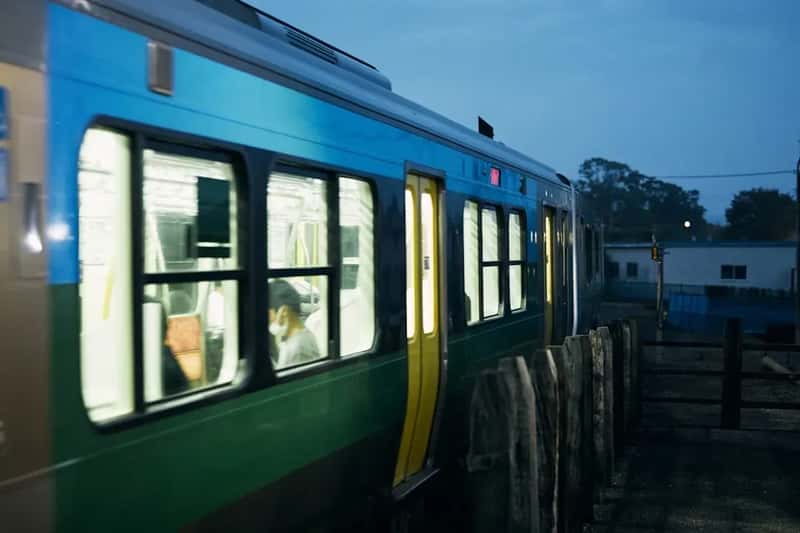
Zoom out and you see something deeper than train tickets and timetables. This isn’t just about getting from point A to point B. It’s about the rejection of the “hurry culture” that defined travel for the last two decades. The chaos of airports is being traded for the rhythmic clatter of wheels on steel, crisp white linens, and the romance of waking up in a completely different country.
According to a survey by the Europe on Rails collective, 72 per cent of French people would be willing to take the night train if the ticket price was acceptable and the connection available. That is a huge latent market waiting to be unlocked. For many, the sleeper train represents a return to the kind of slow, meaningful travel that encourages connections with people and places. While the rise of budget airlines made travel faster and more convenient, it also stripped away some of the magic of the journey itself. The sleeper train restores that sense of adventure and romance.
Conclusion

The sleeper train revival is not a nostalgic blip. It is a structurally driven, data-supported shift in how people move across the world. Frustrated by chronic flight delays, motivated by climate awareness, attracted by improving onboard comfort, and increasingly fed up with the theater of modern air travel, a growing wave of passengers is choosing to sleep their way to the destination instead.
The market is expanding. Routes are multiplying. Governments, even reluctantly, are investing again. The real question now is whether the infrastructure can actually catch up with the appetite for it. And here’s a thought worth sitting with: when was the last time you actually enjoyed getting to an airport? What would you give to skip the whole thing entirely?