There was a time when “basic economy” sounded like a savvy hack. Pay less, get from A to B, done. Millions of travelers, especially those who fly regularly, bought into the idea. But something has quietly shifted in recent years, and the cracks in that logic are now impossible to ignore.
What started as a stripped-down budget option has slowly evolved into something that frequent fliers find genuinely punishing. The restrictions have piled up, the hidden costs have compounded, and the loyalty benefits that once softened the blow have all but evaporated. There is a whole new calculus at play for the road warrior crowd, and it is reshaping the way people book flights in 2026. Let’s dive in.
The No-Miles Bombshell That Changed Everything
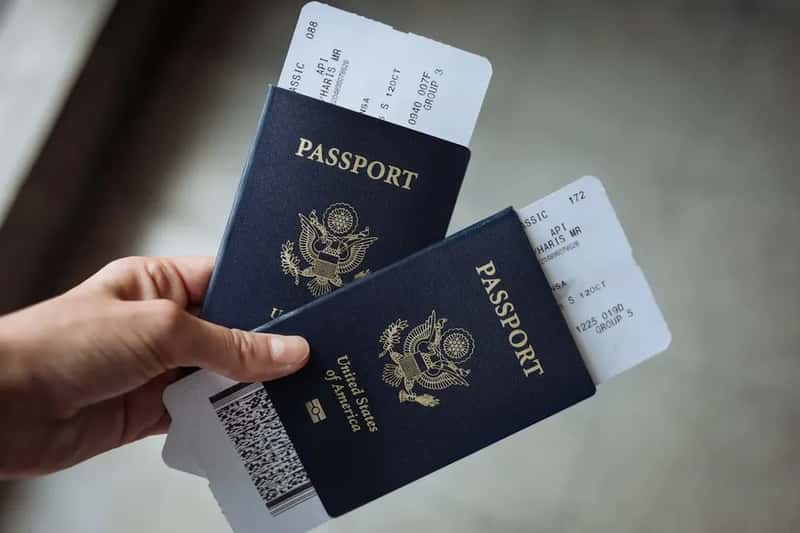
Honestly, this was the moment many frequent fliers drew a hard line. American Airlines recently announced that customers who purchase the airline’s lowest-tier ticket will no longer earn AAdvantage miles or Loyalty Points toward AAdvantage status. That is not a minor tweak. For someone who flies twice a week, miles are practically a second currency.
Previously, AAdvantage members earned two miles and loyalty points for each dollar spent on basic economy fares, compared to five miles per dollar on Main Cabin and higher fares. Two miles per dollar is not a fortune, but it was still something. Now it is literally zero.
American’s move is part of a recent trend in airlines decreasing the perks associated with their lowest fare ticket options. The change echoes that of Delta, which said recently flyers with Delta Main Basic tickets would not earn Delta SkyMiles any longer. In other words, this is not one carrier going rogue. It is a coordinated industry pivot.
Delta Did It First and Nobody Really Noticed
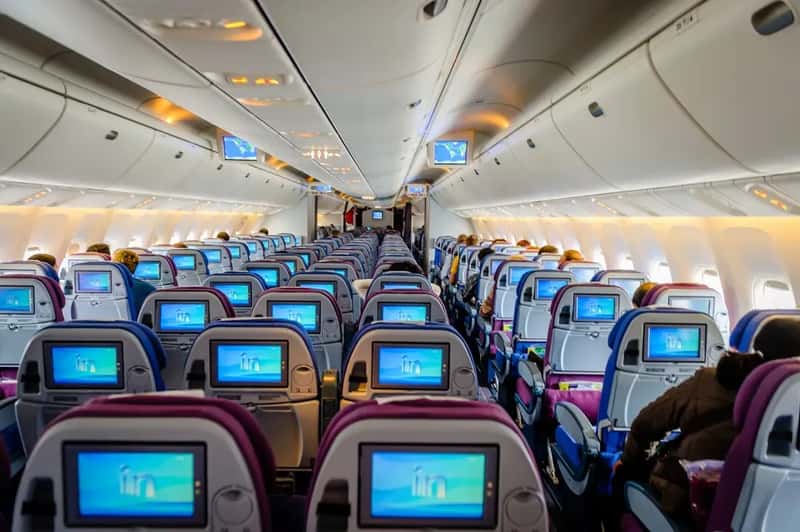
Here is the thing: Delta was ahead of the curve on this one. My preferred airline, Delta, made a comparable change in 2025, phasing out their lowest tier, Basic Economy, and replacing it with Main Basic. The rebranding is subtle but the intent is clear. Strip away the loyalty carrot, and the basic economy ticket becomes purely transactional.
For travelers who previously justified booking basic economy because they still earned some rewards, the equation has changed. The move positions basic economy as purely transactional, a seat with no loyalty component attached, while reserving program benefits exclusively for higher-paying customers.
Think of it like a coffee shop loyalty card that stops counting the cheap drip coffee toward your free latte. You are still buying coffee, just without any reward for doing so. For the occasional visitor, fine. For the daily regular, insulting.
The Boarding Chaos No One Talks About Enough
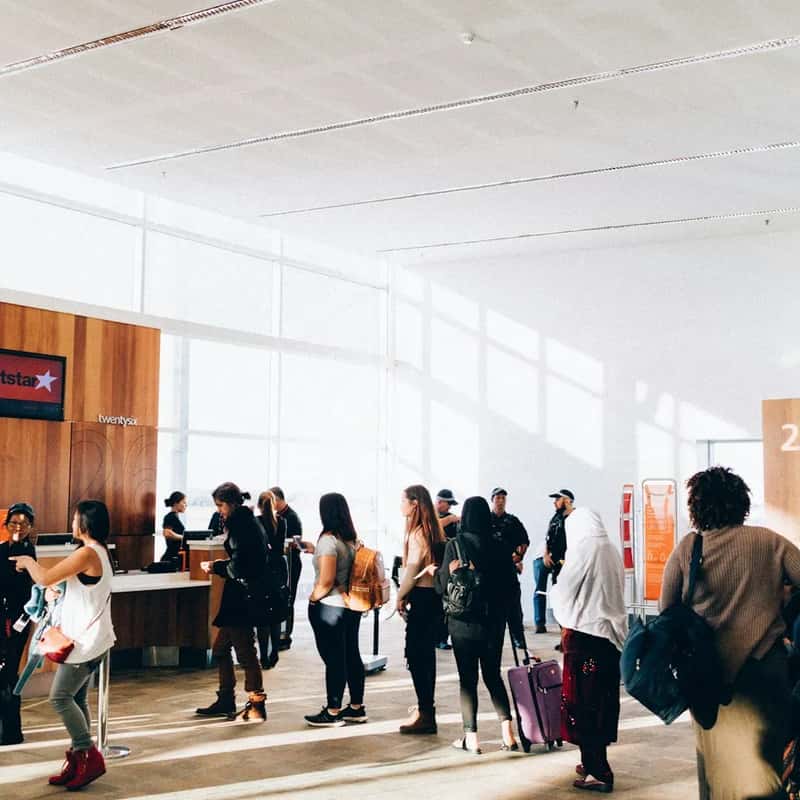
Miles aside, there is the daily indignity that frequent fliers live through at the gate. Travelers in this fare class have to pay for any checked bags, seat selections and extra legroom. They also board last, raising the dreaded risk of limited bin space, and they are not allowed changes to their tickets.
Boarding last is not just annoying. It is practically a guarantee that your carry-on will end up checked at the gate, triggering yet another fee. Basic Economy passengers are usually assigned to the last boarding group. This means less overhead bin space is likely available, reinforcing the importance of adhering to personal item size restrictions.
For someone flying Monday through Friday, week after week, those extra fees and that boarding stress accumulate fast. The supposed “savings” of a basic economy ticket start looking a lot less impressive once the mental accounting kicks in.
The True Cost Is Almost Never What You Expect
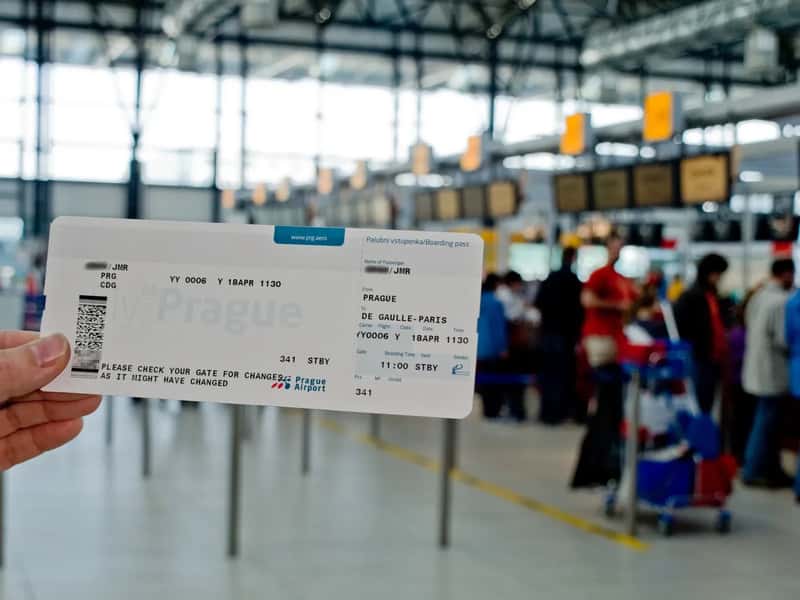
Let’s be real: the sticker price of a basic economy ticket was always a bit of a mirage. The gap between what you see at checkout and what you actually pay at the end is growing wider. If you do not pay for a larger carry-on in advance and it doesn’t fit under the seat, the fee to check it at the gate is $65. In many cases, the fare difference between basic and main cabin is modest – around $49 on average at United, which makes basic fare savings negligible after baggage fees are added.
For tickets issued on or after February 18, 2026, a $50 second checked bag fee ($45 if you pay online) applies within the U.S., Puerto Rico, U.S. Virgin Islands and Canada, Mexico, and the Caribbean region. These numbers keep creeping upward. The savings you thought you locked in at booking can vanish entirely at the gate.
While basic economy may save money at booking, the long-term benefits of a higher class might outweigh these savings. That is an understatement that a growing number of seasoned travelers are starting to live by.
Airlines Are Cashing In on Your Frustration
The financial story behind all this is worth understanding, because it explains exactly why airlines are not going to change course anytime soon. Ancillary fees and the revenue they generate have been on the rise for more than a decade: In 2016, airlines worldwide earned $67.4 billion from these add-ons. By 2024, that figure had nearly doubled, to $148.4 billion, with final projections for this past year topping $157 billion, according to an analysis by the IdeaWorksCompany.
The previous record for ancillary fees was $109.5 billion in 2019. So the post-pandemic surge in fee revenue has been staggering. Every seat selection charge, every bag fee, every upgrade upsell: it all flows into a river of ancillary income that airlines have learned to depend on.
Traditional airlines posted the highest ancillary gain at 5.3% per passenger, against a 6.0% fare drop. US majors, including Alaska Airlines, American Airlines, Delta Air Lines, Southwest Airlines, and United Airlines, reported 2.4% ancillary growth and a 1.4% fare decline. They are making more from extras even as the base fare quietly slides. You pay less upfront and more on the backend.
The Premium Revolution Is Pulling Fliers Upmarket
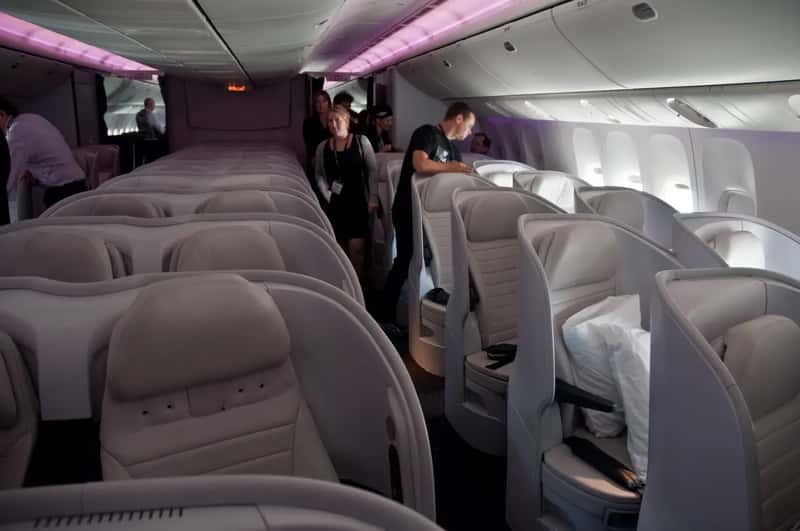
Here is the irony that nobody saw coming: the rise of basic economy may be directly fueling the premium economy boom. Travelers who got fed up with the worst-tier experience are not necessarily flying less. Many are just paying more for a better seat.
At Delta, premium revenue was up 9% in the third quarter, 13 percentage points better than the 4% drop in main cabin revenue. That divergence is a powerful signal. The premium shift by large U.S. airlines, which began in earnest after the pandemic, is showing no signs of abating. Indeed, it could be accelerating.
In 2017, 42 carriers offered a premium economy cabin, but by 2025, that figure has doubled to 88, according to aviation analytics firm Cirium. Premium economy has gone from a niche product to a mainstream offering in less than a decade. Frequent fliers are clearly driving a lot of that demand.
United Is Tightening the Screws Too
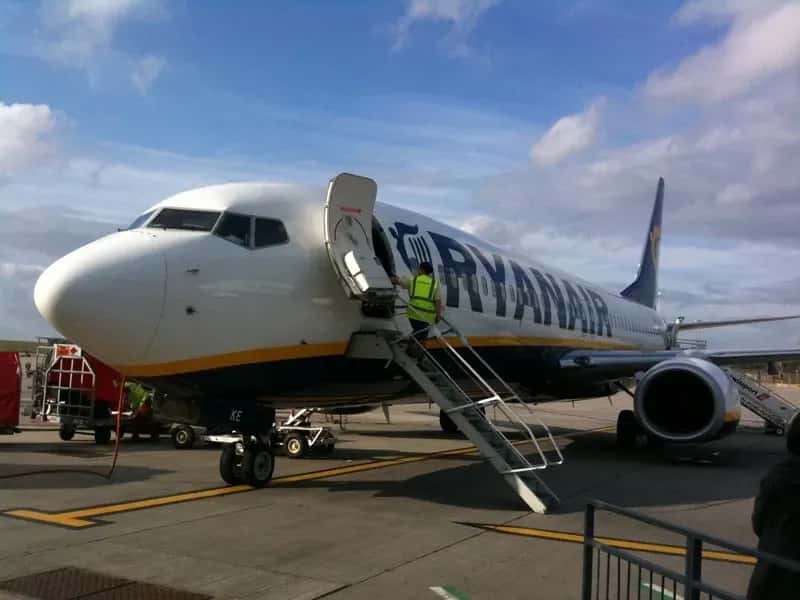
American and Delta are far from alone in making basic economy progressively less appealing. United Airlines has its own set of escalating restrictions that push frequent fliers toward higher fare classes. United Airlines customers with basic economy tickets are only permitted one personal item onboard. One personal item. On an international flight. That is genuinely tough to work with for anyone traveling with more than a slim laptop bag.
With United Airlines, basic economy tickets booked after April 2, 2026, require you to hold a United co-branded credit card or elite status to earn redeemable miles. So even the last thin sliver of mileage earning is being gated behind credit card ownership or elite status. The message from United is unmistakable: if you want to be rewarded, you need to spend more or commit more.
Seat selection is generally not allowed with Basic Economy tickets, unless you pay an additional fee. You will be assigned a seat at check-in. If traveling with family, be prepared for the possibility of being seated separately. For business travelers or families, that last point alone can be a dealbreaker.
Airlines Are Chasing High Spenders, Openly
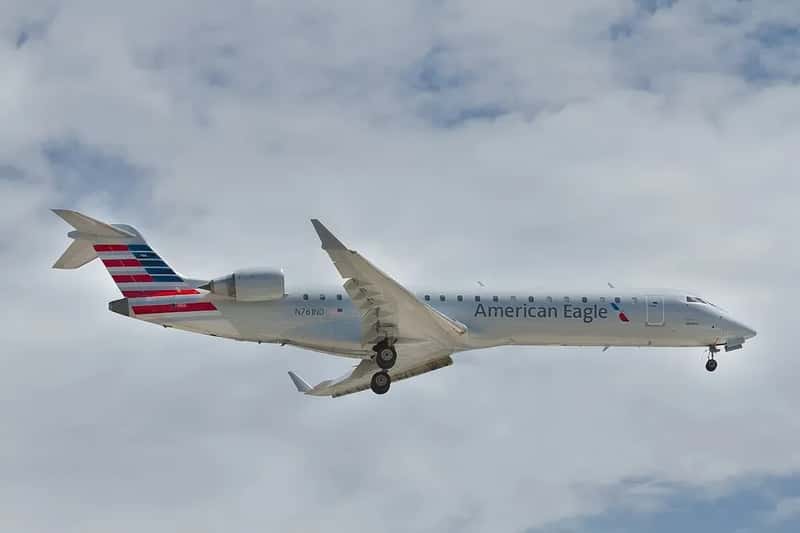
The industry’s priorities could not be clearer in 2026. Airlines are not subtle about who they are designing their products for anymore. The move comes as airlines across the board have been chasing customers who are willing to spend more to fly.
Since 2019, American said it has increased its count of premium economy, business and first-class seats by 16%, compared with 5% growth in economy seats. That physical expansion of premium cabins tells you everything about where airline investment is going. The shrinking basic economy value proposition is not an accident, it is a strategy.
The à la carte choices presented by the ancillary revenue movement have encouraged travelers to upgrade to more comfort and convenience. Basic economy fares are designed to mimic low-cost carriers. While this provides a fast revenue boost, it also makes traditional airlines more like low-cost carriers, which is a metamorphosis that is not without peril. Even airline revenue analysts are warning that the strategy carries risk.
Corporate Travelers Are Feeling the Pressure Differently
Frequent corporate fliers sit in a particularly awkward position right now. Many travel policies still push employees toward the cheapest available fare, which increasingly lands them in basic economy. Among respondents to Deloitte’s 2025 Corporate Traveler Survey, 53% of frequent corporate travelers (10 or more trips per year) said they expected to travel three or more times in a typical month, down from 63% in 2024. Like their higher-income counterparts, frequent corporate travelers are more likely to book premium options when they travel.
North America recorded the highest average ticket price globally in 2024 at $831, a 6.9% year-on-year increase driven by strong demand and a shift toward long-haul travel and premium cabin bookings. Corporate travelers are reshaping average fares upward as they push back against restrictive basic economy policies.
International premium travel globally, including business and first class, grew by 11.8% year-on-year, according to the International Air Transport Association (IATA), exceeding growth in economy cabins. The divide between who flies basic and who flies premium is becoming one of the starkest splits in modern air travel.
The Loyalty Math Has Simply Stopped Making Sense
For the true frequent flier, loyalty program math is almost an obsession. Every booking is evaluated not just for its price but for its long-term return in miles, status credits, and upgrade eligibility. Basic economy used to barely squeak through that calculation. Now it fails almost entirely.
American Airlines already cut basic economy mileage earning to zero, and it is a classic penny-wise move with a bigger hidden cost. The airline is giving up the cheapest hook it has to get price-sensitive flyers into AAdvantage and, ultimately, into its credit card funnel, the business that actually drives profits. It is a fascinating tension: airlines strip loyalty from basic economy, yet loyalty programs are their single largest revenue engine.
The five largest U.S. airlines, Alaska, American, Delta, Southwest and United, accounted for approximately $28 billion in loyalty revenue in 2024, largely due to co-branded credit cards. By IdeaWorksCompany’s estimates, this equates to $35.48 per passenger. For frequent fliers who understand this ecosystem, a ticket that earns zero miles toward status is not just a bad deal. It is a complete non-starter.
Where Does This Leave the Savvy Traveler in 2026?
The picture that emerges from all of this is surprisingly consistent. Basic economy, once positioned as a smart hack for budget-conscious travelers, has been gradually stripped of every feature that made it tolerable for anyone who flies more than a handful of times a year. No miles. No seat selection. No flexibility. Board last, hope for overhead bin space, and pray your plans don’t change.
Basic economy isn’t ideal for every traveler. Those who value flexibility, are traveling with children or large groups, or hope to earn airline rewards may find that a standard or premium fare is a better value. Frequent fliers tick nearly every single box on that list.
The global premium economy cabin market reached $10.8 billion in 2024, reflecting robust demand driven by evolving passenger preferences and airline strategies. The market is expected to grow at a CAGR of 7.1% from 2025 to 2033, with the forecasted market size reaching $20.3 billion by 2033. The direction of travel, in every sense of the phrase, could not be clearer. The days when booking the cheapest seat was the obvious move for a seasoned flier are over. What would you have guessed?