You already noticed it, even if you couldn’t name it. The nightstand feels a little emptier. The mini bar door swings open to nothing but a light bulb. The phone by the bed hasn’t rung in years, and you’re not even sure why it’s still plugged in. That’s not a cheap hotel cutting corners on your specific stay. It’s a slow, twenty-year unraveling that’s been happening at nearly every chain in the country.
Some of it started with state laws almost nobody outside a legislature ever read. Some of it started with lawsuits, shifting demographics, or quiet cost math run by someone in a corporate office nowhere near your actual room. Here’s what really happened, item by item, and why hotels never bothered to send out a memo before it all quietly disappeared.
Mini Shampoo Bottles Are Vanishing Because of the Law, Not Cost-Cutting
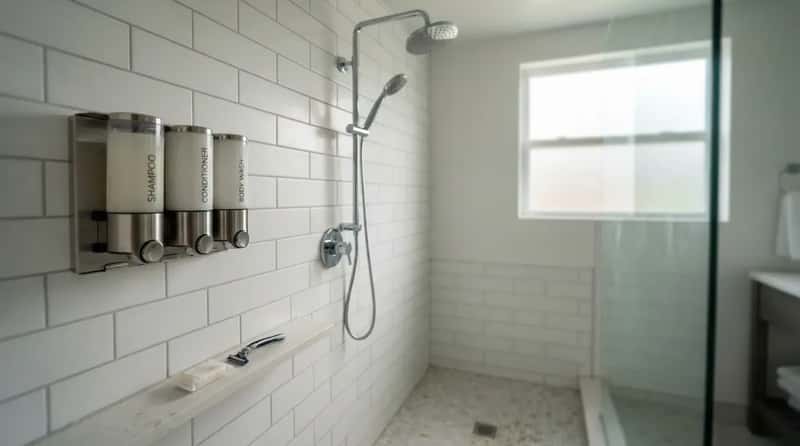
If you’ve stayed in a hotel in California or New York recently, you may have noticed something missing from the shower: those tiny plastic bottles everyone used to steal on purpose. This wasn’t a branding decision or a budget cut. Back in 2019, California and New York signed bills banning hotels from providing plastic bottles smaller than 12 ounces to guests, and these laws are now in effect for all hotels in California and those with over 50 rooms in New York, with smaller hotels needing to cut out bottles by 2026.
Illinois and Washington have since passed similar bans of their own, and the details vary just enough to matter if you’re tracking which drawer might still have a tiny bottle in it. The tiny bottle you grew up hoarding in a hotel gift bag is quietly becoming a regional relic instead of a national standard.
Fast Facts
- California and New York signed the first bans back in 2019, with New York giving hotels under 50 rooms until 2026 to comply.
- Illinois hotels with more than 50 rooms must stop offering single-use plastic toiletry bottles by July 1, 2025, with smaller hotels following by January 1, 2026, or face fines up to $1,500.
- Washington’s rule kicks in January 1, 2027 for properties with 50 or more units, and January 1, 2028 for smaller ones.
- Major chains including IHG, Marriott, and Hyatt have already made the switch to refillable dispensers ahead of the deadlines.
Mini Bars Are Being Quietly Retired Across Major Chains
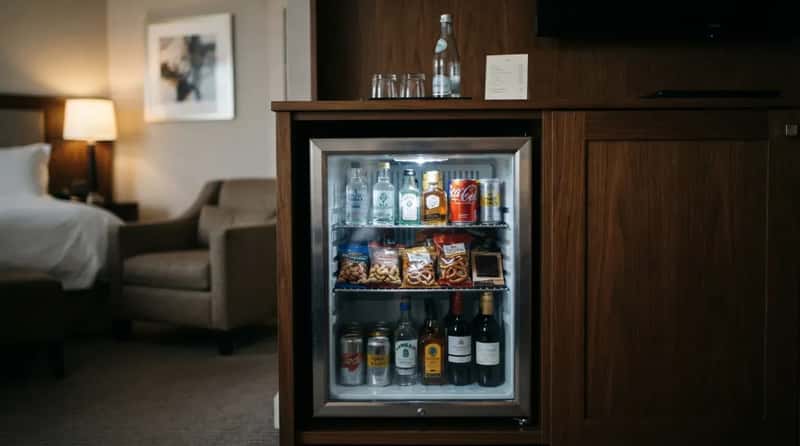
The stocked mini bar, once a staple of business travel, is disappearing faster than most guests realize. Industry designers who track hotel renovations say the honor-system fridge full of ten-dollar snacks is losing its place to something far simpler and cheaper to maintain. Mini-bars will likely be phased out in favor of plain mini-fridges, but for now, guests can still crush those overpriced almonds at a handful of holdout properties.
The reason isn’t just cost, though cost is a big part of it. Theft, spoilage, and the labor of restocking inventory every single day made mini bars a logistical headache long before anyone framed it as a guest-experience upgrade. Many properties now hand you an empty fridge and let you fill it yourself, which quietly shifts the profit motive from convenience fees to nothing at all. It’s a small change, but it explains why that stocked shelf from your childhood road trips barely exists anymore.
The Hotel Room Phone Is Becoming Extinct
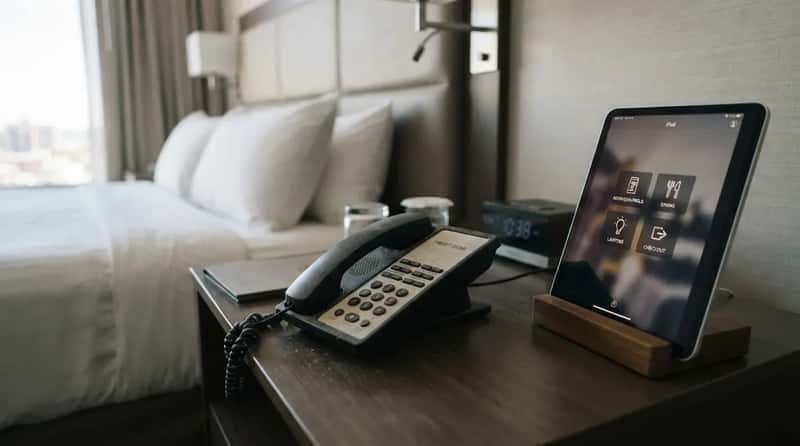
There was a time when the phone on the nightstand was the single most important object in a hotel room. Today it’s often the most useless one. Local and long-distance calling was once a genuine revenue source for hotels, but cellphones have all but eliminated the need for in-room lines, leaving that phone to sit untouched for an entire stay.
Some boutique properties have gone even further, swapping traditional phones for tablets that control lighting, entertainment, and checkout in one screen. Designers report that owners increasingly want iPads to handle menus and room controls instead of phones, working around emergency call requirements through direct connections built into the wall. Full phones will likely survive the longest in mid-range chains simply because of 911 regulations, but the elegant desk phone with the coiled cord is functionally already gone.
Phone Books Disappeared Without a Single Announcement
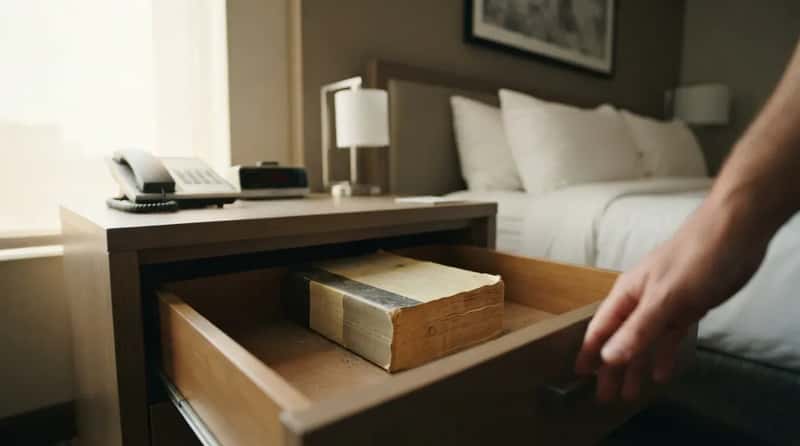
Nobody held a press conference when hotels stopped stocking Yellow Pages and local directories, but the shift was total. Front desks that once handed out thick phone books to help guests find restaurants or a cab simply stopped ordering them one year and never looked back. Search engines and review apps made a 400-page directory feel obsolete almost overnight.
Technology pushed things like phone books, fax machines, and even staffed front desks toward the same fate: amenities younger travelers will simply never recognize. It’s a strange kind of disappearance because there was no backlash, no petition, no news coverage anywhere. One year the phone book was sitting in the drawer, and the next it wasn’t, and almost nobody said a word.
The Free Newspaper Outside Your Door Is Gone

For decades, a folded copy of USA Today waiting outside your hotel room door was as reliable as the wake-up call. That daily ritual has all but disappeared at chain hotels across the country. For years the one thing travelers could always count on was a newspaper at the door and a Bible in the nightstand, but print keeps dying and readers keep migrating online.
Hotels didn’t just save on subscription costs by cutting print delivery. They also eliminated a daily housekeeping task and a mild environmental complaint from guests who never touched the paper before checkout anyway. Most travel-focused chains have replaced the physical paper entirely with app-based news feeds, quietly retiring a decades-old tradition that used to feel like a small, thoughtful luxury.
Gideon Bibles Are Disappearing Faster Than Most People Realize
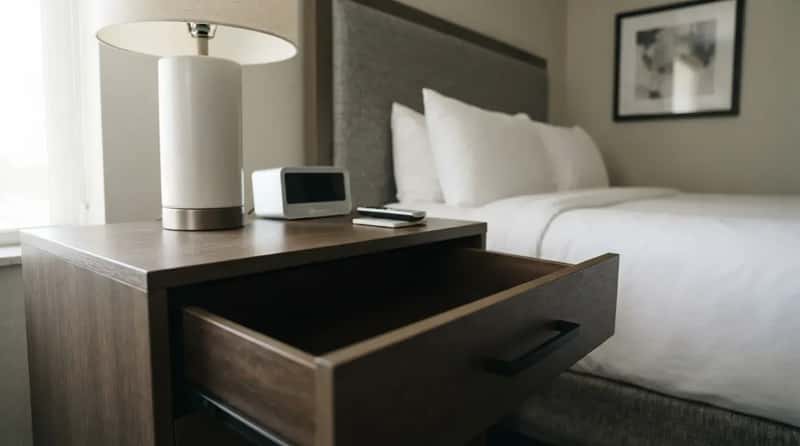
This is the one that surprises people most, because for generations it felt permanent. According to hotel analytics firm STR, 95% of U.S. hotel rooms contained a Bible in 2006. That number slid to 79% by 2016, and it has kept sliding since, down to roughly 69% by 2025.
The reasons aren’t purely religious. In 2016, Marriott, the world’s largest hotel chain, decided that forgoing religious materials was the right call at hipper brands like Moxy and Edition, which target younger, more secular guests. Changing demographics, shifting travel habits, and a broader industry push toward neutral, minimalist room design all played a role, even though Marriott’s more traditional brands still stock them without issue.
At a Glance
- 2006: about 95% of U.S. hotel rooms had a Bible in the nightstand.
- 2016: that share had already dropped to 79%.
- 2025: it’s down to roughly 69%, and still sliding.
- 2016 was also the year Marriott began skipping religious materials at Moxy and Edition.
Notepads and Branded Pens Have All but Vanished
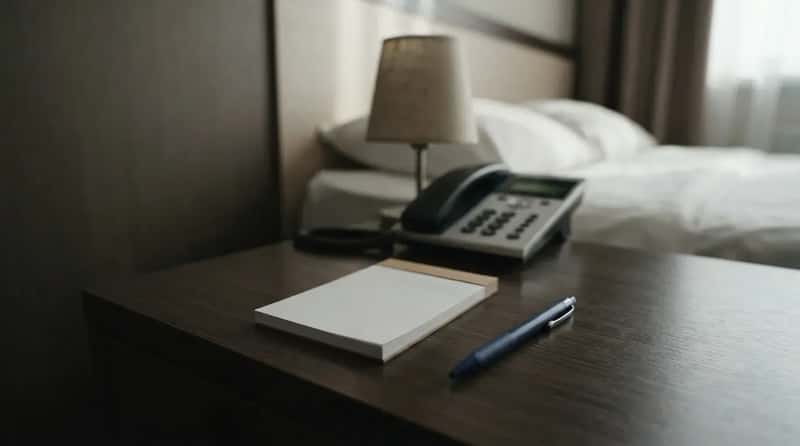
There was a time when every nightstand had a small pad of hotel stationery and a cheap pen with the property’s logo stamped down the side. That combo used to be a near-universal amenity, useful for jotting down a wake-up time or a confirmation number before you forgot it. Today most travelers just use their phones, and housekeeping noticed the pads were going straight into the trash, untouched, checkout after checkout.
Cutting notepads and pens was never a headline decision, but it added up fast across thousands of properties. A hotel chain with hundreds of locations can save real money by eliminating a printed item nobody actually uses anymore, multiplied across millions of room-nights a year. It’s a quiet consequence of smartphones replacing dozens of small paper conveniences that once felt indispensable.
Real Glass Drinking Cups Are Being Replaced by Wrapped Disposable Ones
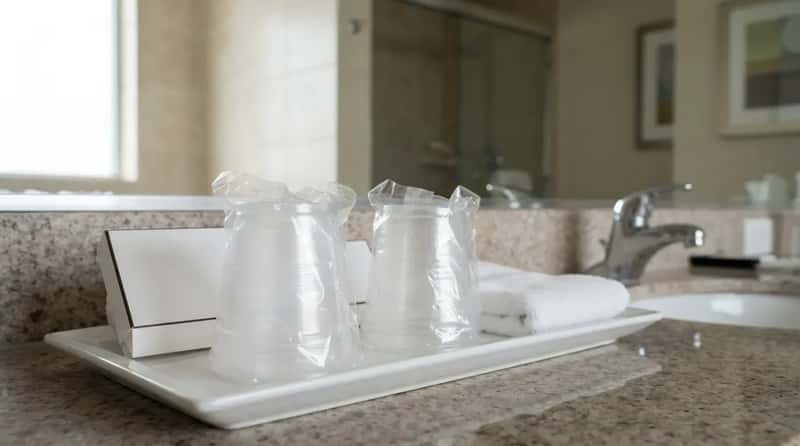
Older hotel rooms almost always had two heavy glass tumblers sitting on the bathroom counter, wrapped in a paper sleeve for what felt like sanitary protection. Many mid-range and budget hotels have phased these out entirely in favor of individually wrapped plastic or paper cups. The shift accelerated hard after 2020, when hygiene concerns made reusable glassware feel riskier to guests, no matter how thoroughly housekeeping actually cleaned it.
There’s also a quieter financial reason behind the switch. Real glasses break, get stolen, and require careful washing and inspection between every single guest. Disposable cups eliminate all three problems at once, even though plenty of travelers now say they miss the weight and feel of an actual glass over a flimsy plastic one.
Quick Compare
- Real glass: feels premium, but breaks, walks off in suitcases, and needs full sanitizing before every new guest.
- Disposable cups: individually wrapped, zero breakage risk, faster housekeeping turnover.
- Guest sentiment: many travelers say the plastic version feels cheaper, even if it’s technically more sanitary.
- Trend line: the switch sped up sharply after 2020 and hasn’t reversed since.
Sewing Kits and Shoe Shine Kits Quietly Disappeared From Nightstands
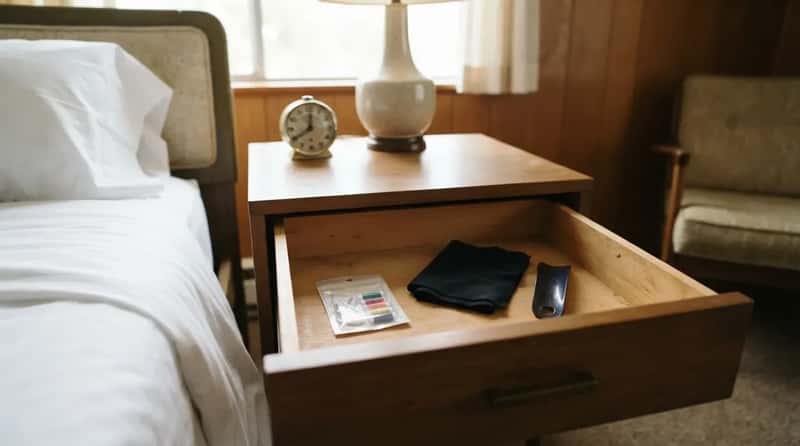
Mid-century hotel rooms often came stocked with tiny sewing kits, shoe shine cloths, and sometimes even a shoehorn tucked inside a drawer. These little just-in-case amenities made hotels feel like they were anticipating every possible guest need before you even knew you had it. Most of them are long gone now, replaced by nothing at all rather than a modern equivalent.
The reason is almost embarrassingly simple: usage rates were incredibly low, and the items still cost money to restock every checkout, whether a guest touched them or not. Hotels quietly ran the numbers and realized stocking a sewing kit for the rare guest who needed one wasn’t worth the expense across a 300-room property. It’s a small loss, but one longtime road-trippers still notice the moment they reach for a drawer that’s suddenly empty.
Ice Buckets Are Being Removed From More Rooms Than You’d Expect

Ice buckets used to be an automatic feature in nearly every American hotel room, sitting on the dresser next to a small tray of glasses. A growing number of properties have started removing them entirely, especially after guest hygiene concerns went mainstream in recent years. Housekeeping turnaround time between guests made deep-cleaning a porous plastic bucket a genuine liability rather than a minor five-minute task.
Some hotels have replaced the bucket with a note pointing guests toward the ice machine down the hall, while others removed the amenity with no explanation at all. It’s a controversial cut among frequent travelers, many of whom argue the convenience was worth far more than the marginal cleaning savings hotels claim to gain. Either way, the days of an ice bucket waiting in every single room are numbered.
Worth Knowing
- Porous plastic buckets are genuinely hard to deep-clean between guests, which is the main hygiene concern driving the cut.
- Many properties now point guests to a hallway ice machine instead of stocking a bucket at all.
- Some hotels removed the amenity quietly, with no sign or explanation left behind.
- It’s one of the more debated cuts among frequent travelers, many of whom say the convenience outweighed the savings.
Matchbooks and Ashtrays Are the Clearest Sign of a Bygone Era
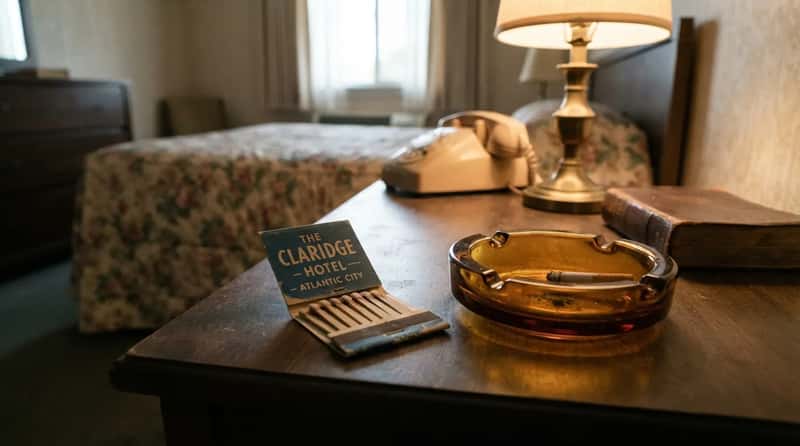
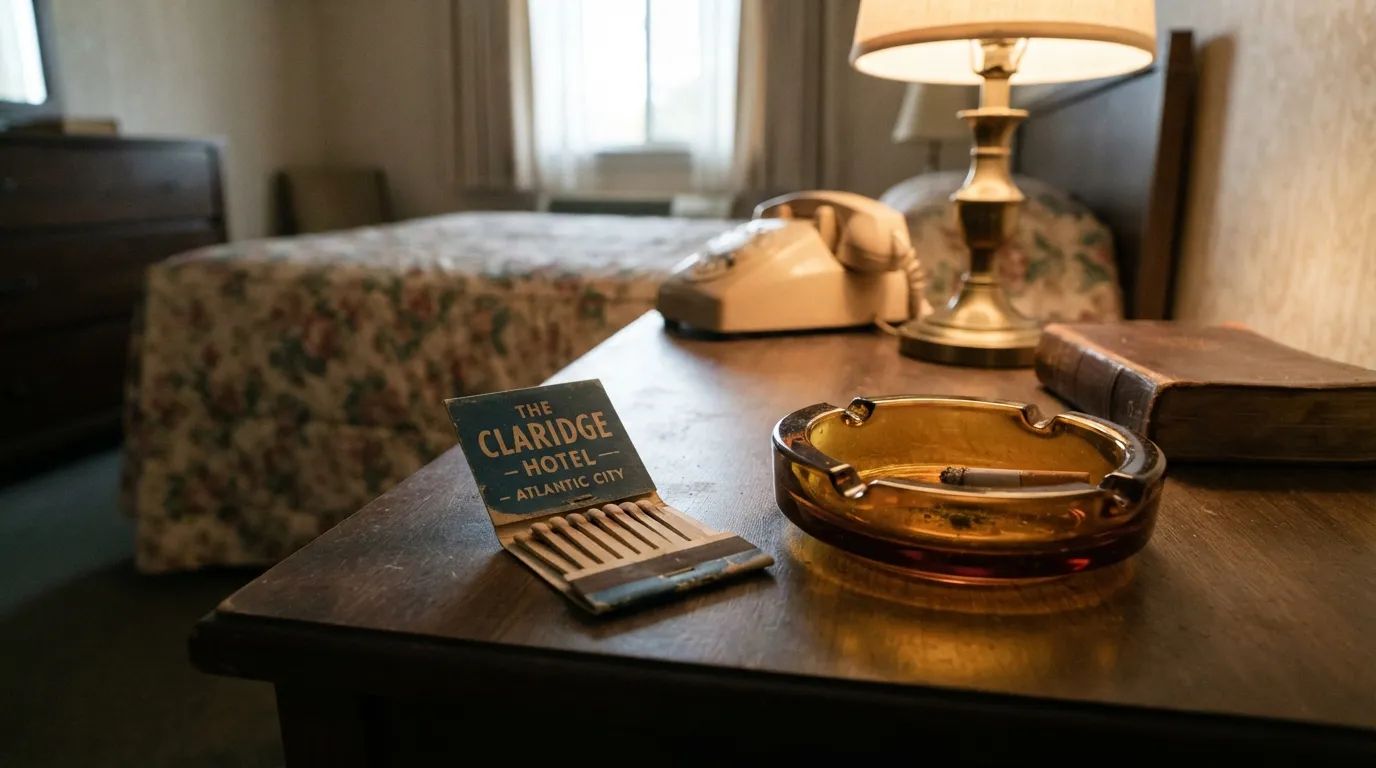
Decades ago, a small branded matchbook sitting next to an ashtray was standard in almost every hotel room in the country, smoking guest or not. As indoor smoking bans swept through states starting in the 2000s, hotels had no reason to keep either item around anymore. The change happened so gradually that most travelers under 35 have never even seen a hotel-branded matchbook in person.
What’s interesting is how permanent the removal became. Even in states with looser smoking laws today, hotels rarely brought ashtrays or matches back once they vanished, treating the absence as the new default instead of a temporary restriction. It’s one of the very few amenity cuts almost nobody has ever actually asked a hotel to reverse.
None of these disappearances happened for one single reason. State laws quietly eliminated mini toiletries, changing demographics pushed out Bibles, and smartphones made phone books, notepads, and even the room phone feel pointless almost overnight. Add in hygiene concerns, theft, and simple cost math, and it turns out hotel rooms have been shrinking in slow, deliberate ways for twenty years straight, not because of one scandal, but because guests stopped noticing what was missing until it was already long gone.
Which one of these caught you off guard? Somewhere out there is a traveler under 30 who has genuinely never seen a hotel matchbook, and honestly, that might be the strangest detail of all.