For years, a European summer felt like the default answer to “where should we go this year.” Cobblestones, espresso, a train pass, maybe a rental car through Tuscany. That instinct still runs deep for a lot of travelers, which is exactly why it’s worth pausing on what’s actually happening on the ground in 2026, because the version of Europe many of us pictured has quietly shifted underneath us.
This isn’t a rant about crowds or a nostalgic complaint that things used to be cheaper. It’s a look at specific, documented changes, from new taxes to new border tech to new local anger, that add up to a genuinely different travel calculation than the one many people are still running in their heads.
The protests aren’t background noise anymore

Anti-tourism demonstrations used to feel like a fringe story out of Barcelona. That’s no longer accurate. Demonstrations have been recorded across more than 40 Spanish cities[1], and the unrest has spread well beyond Spain’s borders into other parts of southern Europe.
Italy has also been the stage of protests in Venice, Rome, Florence, Naples, and Milan[2], while France has seen nationwide protests in Marseille, Nice, and Paris[2]. A recent 30-country study found that Spain, which ranks first among the 30 countries analysed, registered anti-tourism protests in more than 40 cities nationwide, from Barcelona to the Canary Islands[2]. These aren’t isolated flare-ups anymore. They’re a pattern.
Tourist taxes have quietly become a second hotel bill

The per-night fees that used to be a rounding error on a hotel invoice have grown into something travelers now budget around. In Barcelona specifically, the city has nearly doubled its hotel guest tax, from $5-$9 to $10-$17 per person, per night, while holiday rentals rose from 12.5 euros per night, up from $7.24 to a maximum of $14.49[3].
Venice hasn’t been shy either. Venice expanded its day-tripper fee to €10[4], a policy that started smaller and has grown as officials try to thin out crowds on peak weekends. Amsterdam adds its own layer, with a 12.5% room tax for hotel guests, or a separate €15 per person cruise levy[4]. None of these fees will break a travel budget on their own, but stacked together across a multi-city itinerary, they change the arithmetic in a way that adds up fast.
Flights cost more, and airlines aren’t hiding why
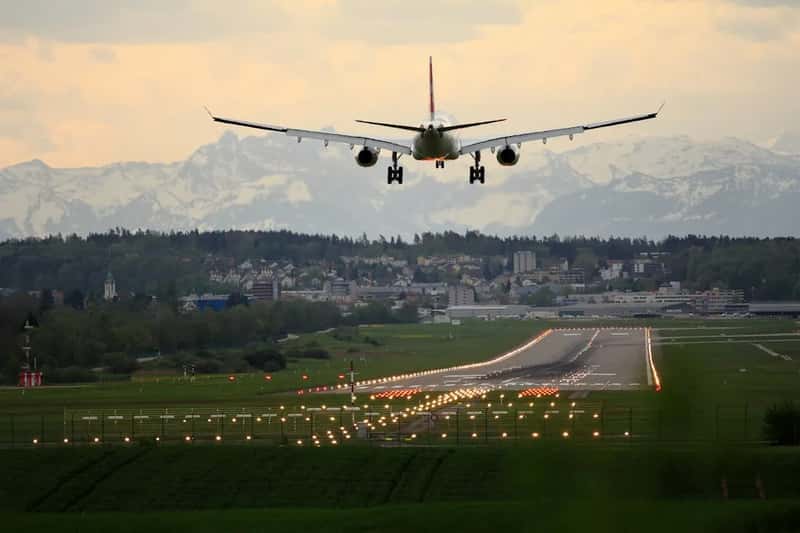
This is the part that surprised me most when I actually looked at the numbers instead of just feeling the sticker shock. A recent comparison of flights from Amsterdam to ten European destinations found that flight prices, excluding baggage, increased by 13.1%, rising from 808 euros in 2025 to 914 euros in 2026[5], for a family of four traveling in peak summer.
The causes aren’t mysterious. Europe-bound flights have become more expensive due to higher fuel costs, strong tourism demand, longer flight routes caused by airspace restrictions, increased airport charges, and limited airline capacity during peak travel seasons[6]. Interestingly, demand from the US side has softened in response. U.S. to Europe bookings for July 2026 have dropped by 11.2% compared to the same period in 2025[7], which tells you something about how many other travelers are quietly reaching the same conclusion.
New border tech means longer waits, not shorter ones
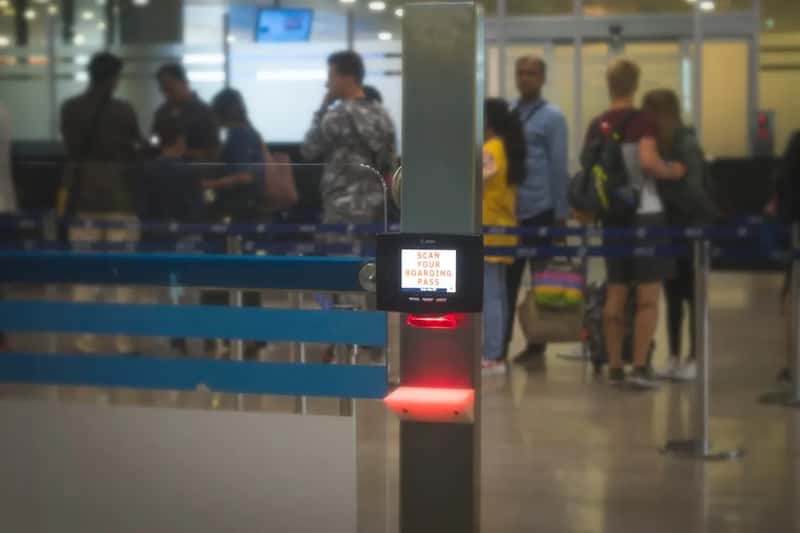
Europe has been rolling out biometric entry systems that were supposed to modernize border crossings. In practice, the transition has been rough. EES is now fully operational across Schengen external borders, though the rollout has faced significant queue issues at major airports through summer 2026[8], and travelers should expect to scan fingerprints and face at automated gates rather than simply getting a passport stamp.
Adding to the confusion, the companion system, ETIAS, has been repeatedly delayed. Financial Times reporting says ETIAS is likely to be delayed until 2027, with eu-LISA, the EU agency developing it, concluding that a 2026 launch is no longer feasible[9]. For a traveler trying to plan ahead, that kind of moving target is its own small tax on peace of mind.
Peak season now means peak heat, not just peak crowds
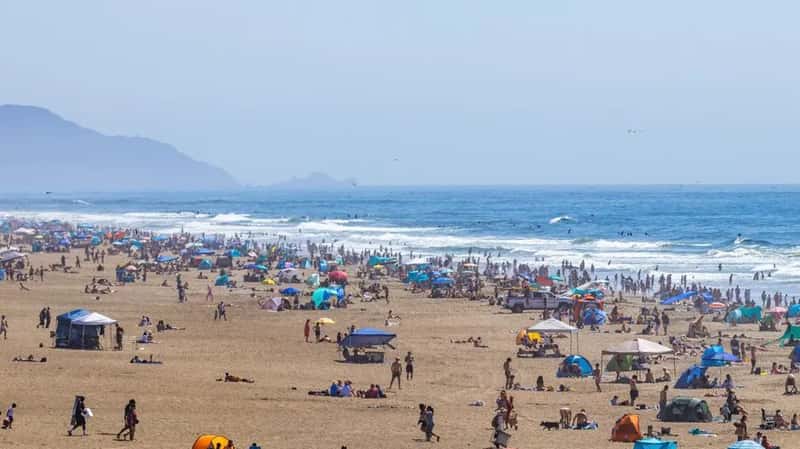
Summer in southern Europe used to mean warm, sunny, and busy. It increasingly means dangerously hot on top of busy. Despite searing heat, scorching wildfires and overcrowding, visitors keep on coming to Europe, with the biggest burden falling on southern Europe to accommodate them[10].
That combination, extreme heat plus extreme crowding, changes what a vacation actually feels like day to day. Standing in a ticket line outside the Colosseum or wandering Barcelona’s Gothic Quarter in triple-digit heat isn’t the relaxed European getaway most people picture when they book the trip. It’s a logistical challenge dressed up as a holiday.
Museums and landmarks are charging visitors different prices

Dual pricing, where non-EU visitors pay noticeably more than locals or EU citizens, has moved from rumor to reality at some of the continent’s biggest draws. The Louvre introduced dual pricing for non-EU visitors, who now pay 45% more than locals[4].
It’s a small line item on any single ticket, but it signals something larger about how European cities are starting to view international visitors: less as guests to welcome unconditionally, and more as a revenue stream to manage. Paris’s dual pricing at museums disproportionately affects non-EU visitors[4], and other major attractions across the continent are reportedly watching the policy closely before deciding whether to follow suit.
Housing pressure has turned “welcome” into “not one more”

Perhaps the sharpest sign of how far the mood has shifted comes from Barcelona itself. City officials there have openly embraced the message “Not one tourist more”[11], a stance that would have been almost unthinkable from a major tourism-dependent city a decade ago.
The reasoning ties directly back to housing. The Spanish government took action by removing 65,000 Airbnb listings and introducing a tax on foreign buyers[10], and it intends to phase out short-term rentals in Barcelona by 2028[10] entirely. When a city is willing to eliminate an entire category of tourist accommodation to protect resident housing, that’s not a marketing slogan. It’s policy with teeth.
Cruise ports are becoming the next flashpoint
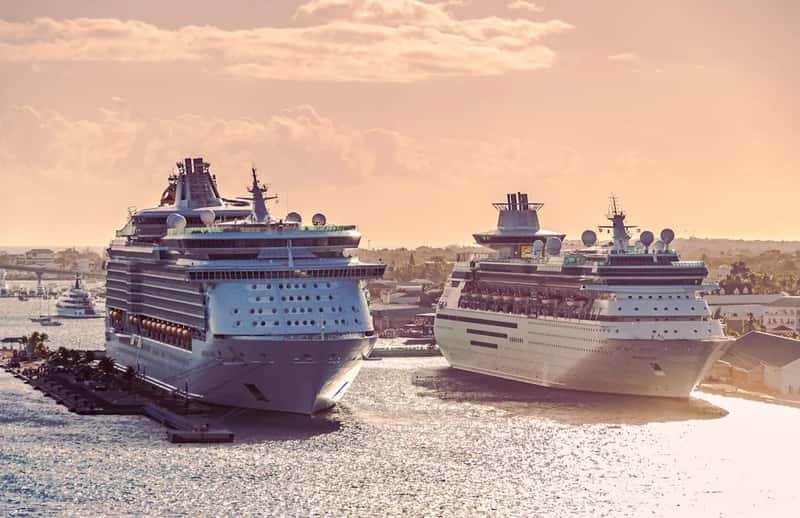
It isn’t just hotel guests feeling the squeeze. Cruise tourism, long seen as a quick economic win for coastal towns, is now drawing its own backlash. Cruise tourism is a second flashpoint, as port cities argue that thousands of passengers disembarking for a few hours strain infrastructure while spending relatively little[1].
The response has been concrete rather than symbolic. In Southern France, Nice and Cannes have begun limiting cruise ship passengers coming into the towns starting in summer 2026[12], and Barcelona has gone even further by considering steep new charges. Barcelona is considering a steep tax increase for cruise passengers who stay fewer than 12 hours[11], aiming squarely at the day-trip model that many cruise itineraries rely on.
Greece’s islands are rationing their own popularity
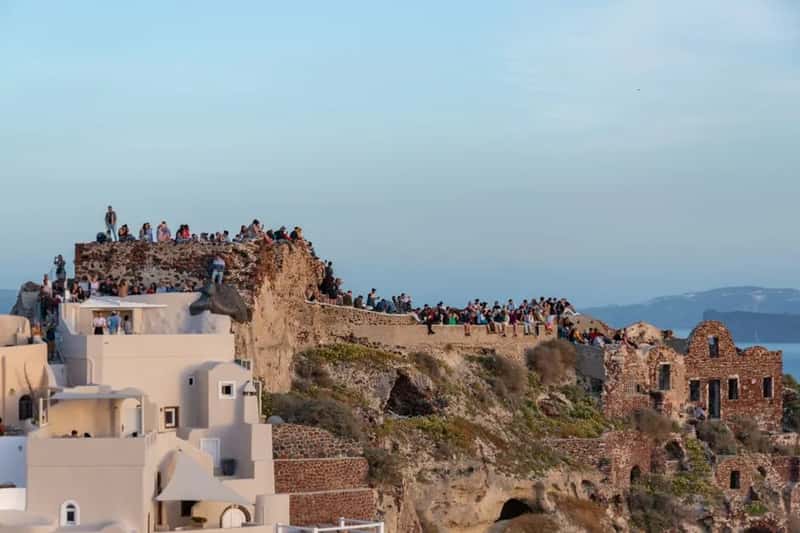
The Greek islands offer a useful case study in how quickly “please visit” can turn into “please, not all at once.” Greece tightened a hard daily cap on cruise crowds at Santorini for the 2026 season, and both Greece and Spain now charge tourist taxes that land directly on your bill[13].
The upside, if there is one, is that alternatives exist close by. Naxos, the largest Cycladic island, offers the same beaches and landscapes with a fraction of the foot traffic, while Milos rivals Santorini’s volcanic drama with dozens of quieter beaches[13]. That’s a workaround, not a solution, and it only underscores how the marquee destinations have become genuinely harder to enjoy on their own terms.
The math elsewhere quietly stopped favoring Europe
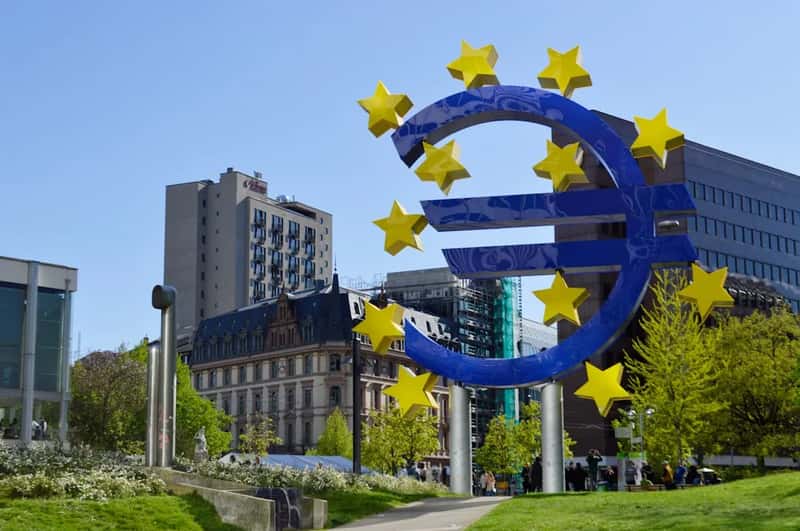
Once you add up rising airfares, stacked tourist taxes, dual pricing, and border friction, the value proposition that made Europe an easy default starts to look shakier. Meanwhile, other regions are actively courting the travelers Europe seems less eager to accommodate. Affordable alternatives to Europe in 2026 include Vietnam, Thailand, Bali, and Sri Lanka, which offer lower daily costs, better value, and easier visa processes[6].
Even within Europe, the gap between destinations has widened. Portugal, Hungary, and Poland remain the most affordable destinations for US travelers, offering high-end dining and accommodation for roughly 40% less than Paris or London[14]. That’s a meaningful signal in itself: even Europe’s own budget guides now steer travelers away from the classic bucket-list cities.
Final thoughts
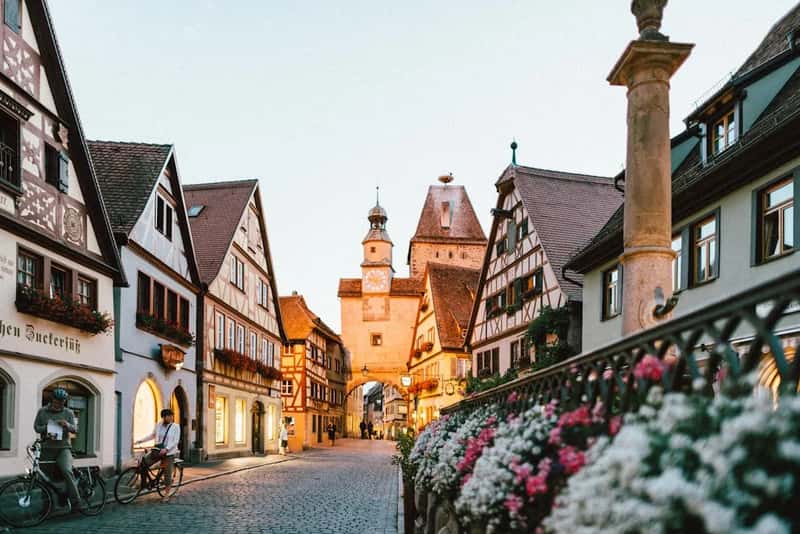
None of this means Europe has stopped being worth visiting. It means the easy, reflexive version of a European trip, the one built entirely around Paris, Barcelona, Venice, and Santorini in July, no longer delivers the experience it used to for the price it now demands.
Choosing to step back from that particular script isn’t a rejection of the continent. It’s a recognition that the calculus has changed, and that there’s no shortage of other places, including quieter corners of Europe itself, where a trip still feels like the getaway it’s supposed to be rather than a logistical negotiation with crowds, heat, fees, and fine print.