For a long time, I treated Canada as the easiest foreign trip an American could take. Same language, familiar highways, a border crossing that usually felt like a formality. You can drive up for a weekend and never think about paperwork.
Most of the recent talk about Canada and the United States has centered on tariffs and political friction. The reason many Americans quietly stop going is different, and it rarely makes the news. It sits in the fine print of Canadian immigration law.
The Easy Trip Most Americans Assume They’re Taking
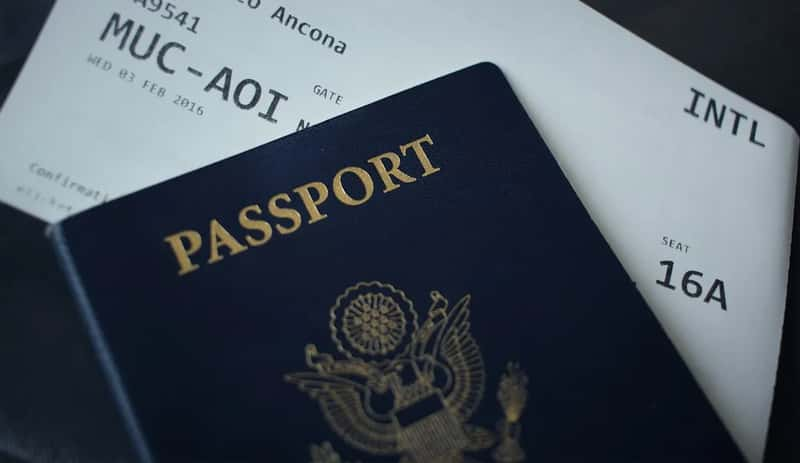
Americans don’t need a visa or an electronic travel authorization to enter Canada, only the right ID and documents. That convenience builds a habit of not checking anything at all. A passport, a full tank of gas and a hotel booking feel like enough.
The numbers suggest plenty of Americans are still crossing. Statistics Canada reported that US residents took 1.3 million trips to Canada in March 2026, up 4.4% from the same month in 2025.[1] So this isn’t a story about Americans being kept away in droves, but about a smaller group who find the door closed.
Politics Isn’t the Whole Story
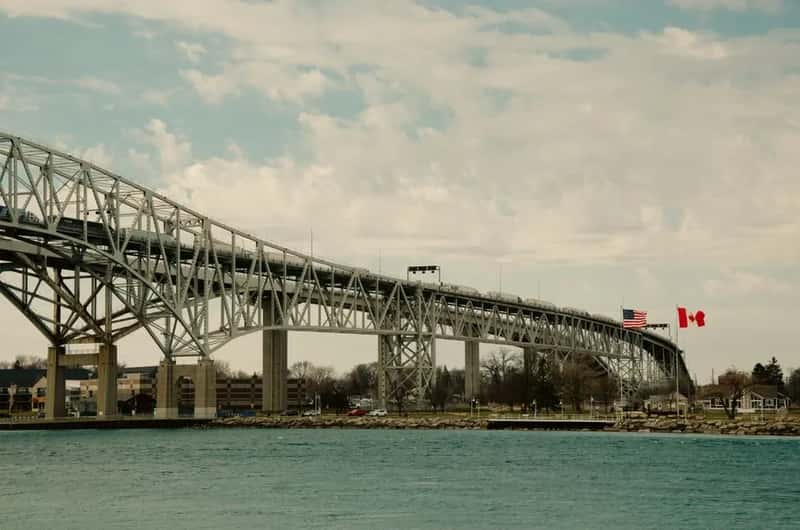
The border headlines are mostly about Canadians staying home. Statistics Canada said Canadian residents returned from 2.6 million trips to the United States in March 2026, a contraction of 6.4% that marks the 15th consecutive month of year-over-year decline.[1] The agency tied the shift to political tensions between Canada and the United States that began in early 2025.[1]
That story is about Canadian travelers, not American ones. It explains a lot about tourism flows, yet it says nothing about why an individual American might be turned away at a Canadian booth. For that, you have to look at who is allowed in, not who wants to go.
The Rule Hiding in Plain Sight
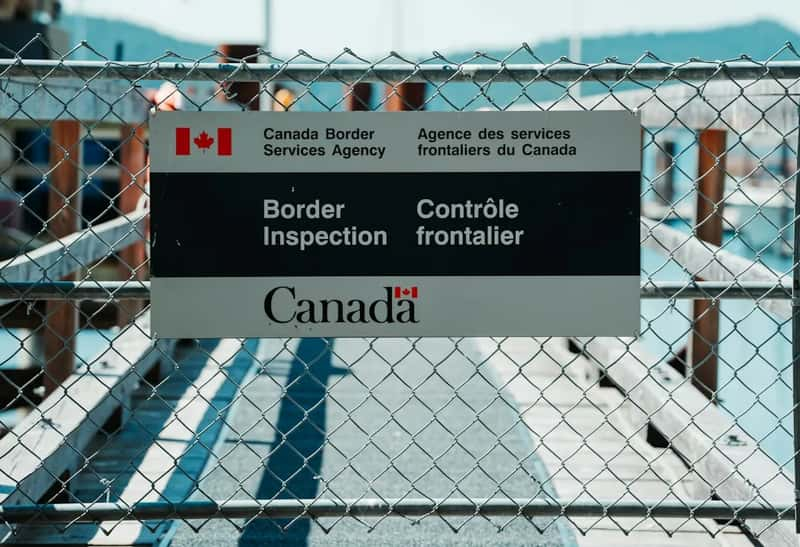
The reason is criminal inadmissibility. Canadian immigration law lets officers refuse entry to foreign nationals with certain arrests or convictions, including ones from the United States. According to one Canadian entry law firm, any US citizen or resident with a criminal record may be denied entry because of criminal inadmissibility.[2]
Many people never learn this because nothing in daily American life flags it. A minor offense from years back may carry no consequence at home. The same record can look quite different once it’s measured against Canadian law.
Why Impaired Driving Is the Sticking Point

The most common trap is a DUI. Canada’s immigration department says that as of December 18, 2018, driving while impaired can make a person inadmissible for serious criminality.[3] That change reclassified an offense many Americans think of as a misdemeanor.
The two countries handle it differently. U.S. Customs and Border Protection says a single DUI conviction is not grounds to deny entry into the United States.[4] Some Canadian entry lawyers also say that even civil infractions such as DWAI in New York or OWI in Wisconsin can lead to a refusal, though that’s the view of firms that sell these services, so it’s worth confirming with an independent source.
Time Doesn’t Always Erase It

People often assume an old record fades. Canada does have a concept called deemed rehabilitation, which can apply once enough time has passed. For DUIs, though, it generally covers only offenses that happened before December 18, 2018, when the law changed.[5]
Multiple convictions complicate things further. One immigration firm notes that multiple convictions generally rule out deemed rehabilitation, even after 10 years.[6] Others warn that a person with several misdemeanors or one felony can still be refused decades later without special approval.
How a Refusal Actually Happens

You don’t need to be on a watch list. Border officers have access to criminal record databases and can deny entry at airports, land borders, or seaports.[7] A routine question at the booth can turn into a secondary inspection once a record appears.
Refusals aren’t new. A law firm citing figures obtained by La Presse reported that 30,233 Americans were denied entry in 2016, compared with 7,509 in 2014.[8] More recently, Rolling Stone reported in February 2026 that singer Charley Crockett canceled a Canadian tour after being denied entry over a felony.
Two Ways Back In: Permits and Rehabilitation

There are two main routes. A temporary resident permit covers a specific trip for someone with a compelling reason to enter Canada, where the need outweighs the risk to Canadian society.[9] It isn’t permanent, and it lasts a maximum of three years and may be cancelled at any time.[10]
Criminal rehabilitation is the lasting fix. Under the rules, if at least five years have passed since you completed the sentence, you may be able to apply to have your past criminal history permanently wiped.[9] Once approved, the traveler no longer needs a temporary permit.
What It Costs and How Long It Takes
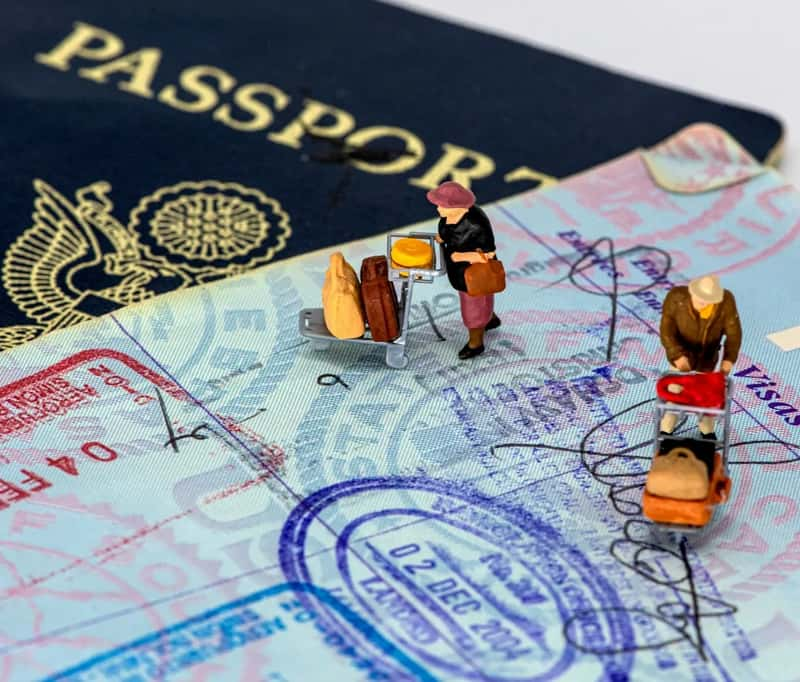
Fees were updated on December 1, 2025. The temporary resident permit and rehabilitation for ordinary criminality are each C$246.25, while rehabilitation for serious criminality is C$1,231.[9] Those fees are not refunded if an application is refused.
Time is the bigger cost. One immigration source puts rehabilitation processing at typically 6 to 12 months for complete applications, with complex cases running longer.[6] Another notes that IRCC itself warns these applications can take over a year to process.[11] For a casual weekend trip, that’s a steep price of admission.
Other Border Surprises Worth Knowing

Records aren’t the only way a trip goes sideways. Firearms are a common problem, and one border guide notes that every year, Americans accidentally bring firearms into Canada.[12] Anyone who owns guns should check the vehicle before crossing and declare anything required.
Smaller rule changes matter too. Canada ended its Remote Area Border Crossing Program, so as of September 14, 2026, travellers entering through certain remote areas must report to the CBSA at a port of entry or a designated telephone reporting site.[13] It’s a reminder that rules at this border do shift.
Where This Leaves Travelers

Canada remains open to most Americans, and visits from U.S. residents were still rising in early 2026. The exception is a group of travelers whose past records, sometimes decades old, make them inadmissible under Canadian law. A DUI after December 2018 is the clearest example.
The practical step is to find out your status before booking anything. If a record is involved, a temporary permit or criminal rehabilitation is the legal path, and both take time and money.