I used to tell people Costa Rica was the easiest trip in Central America to plan. Book a flight, rent a car, show up at whichever beach or volcano looked good that morning. That version of the country doesn’t really exist anymore, and the shift didn’t happen overnight. It crept in through spreadsheets, booking portals, and a currency chart that quietly rewired the entire economics of a vacation.
The Reservation System That Sounds Reasonable Until You Try It
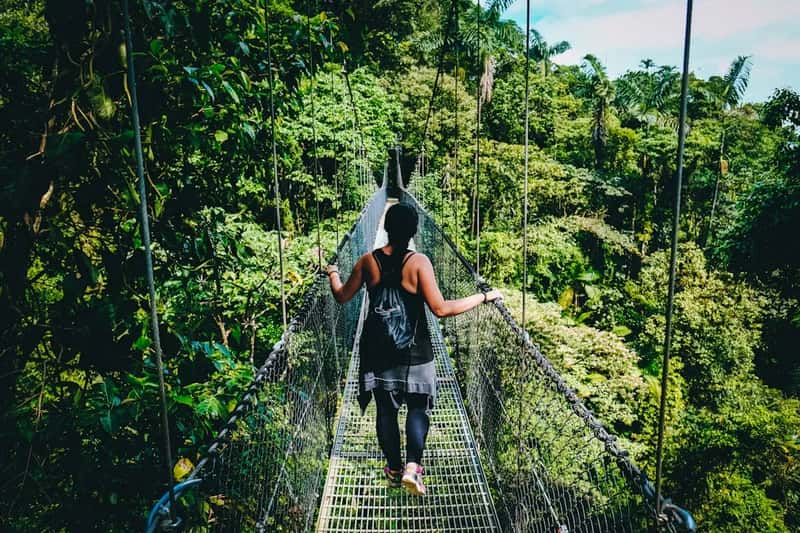
On paper, the logic is hard to argue with. Costa Rica’s parks now require online reservations through the SINAC website, with entrance time slots and a limited number of tickets available per day, and the push to more strictly regulate visitor numbers gained momentum in 2020, with the main goal being protection of the national environment from overtourism.[1] Nobody serious wants Manuel Antonio’s trails trampled into dust or Corcovado’s tapirs pushed further into the interior.
The friction shows up the moment you actually try to book something. The SINAC site does not offer refunds or rescheduling options, meaning once your ticket is booked, it is final, and you have to double-check your park, date, and time slot before confirming your purchase.[1] Miss a flight, get sick, or just change your mind, and that slot is gone along with your money.
Manuel Antonio and the Cap That Actually Turns People Away
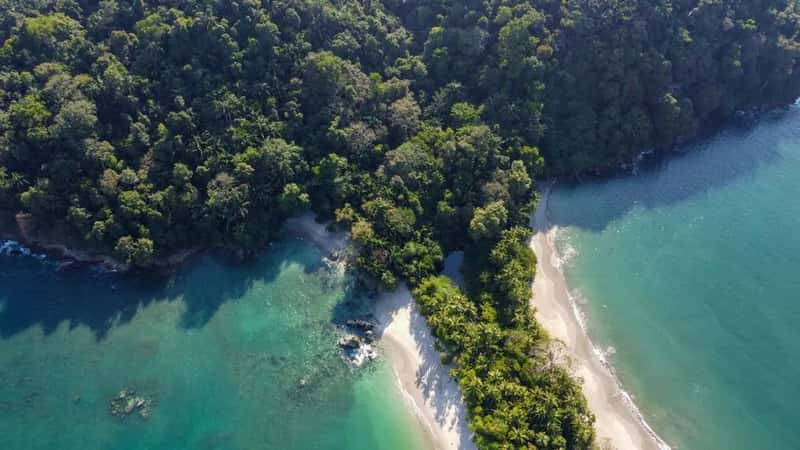
Manuel Antonio is the park most people picture when they think of Costa Rica, and it’s also the clearest example of how the cap system plays out in real life. Sources differ slightly on the exact ceiling, with some pegging the daily cap at 600 visitors, a figure that in high season sells out, so booking several days ahead rather than the night before is essential[2], while other guides list numbers closer to 1,200 or even 1,500 depending on the season and sector.
Whatever the precise figure, the pattern is the same everywhere: show up without a ticket during dry season and you’re turned away at the gate. Local guides now openly tell travelers that daily visitor limits enforce strict advance reservations three to four weeks ahead during peak season from December through April.[3] That’s not a spontaneous beach day anymore. That’s a logistics project.
Corcovado’s Legal Fight Over Who Gets to Decide the Number
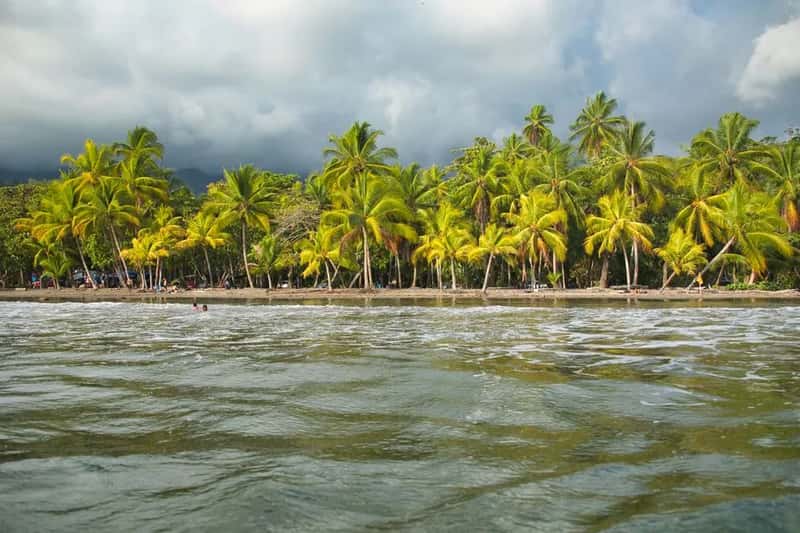
Corcovado, the biodiversity crown jewel on the Osa Peninsula, became the center of an actual court battle over its cap. The dispute over visitor limits reached Costa Rica’s Constitutional Chamber after a legislator filed an appeal against a 2023 resolution by the Osa Conservation Area that had increased Corcovado’s daily visitor capacity from 560 to 700 people.[4] That same resolution had also raised the Sirena sector’s daily entry quota from 120 to 240 people across two shifts and increased lodging capacity from 70 to 80 people.[4]
The court didn’t just quibble over numbers, it threw the whole decision out. The Sala IV ruled in favor of the challenge and ordered authorities to leave the 2023 resolution without effect, also ordering them to issue a new resolution explaining the parameters used to manage visitor flows, since the prior decision did not clearly show the technical or scientific basis for the increase.[4] For travelers, that means the cap you read about online might not be the cap that’s actually enforced by the time you land.
A Currency Squeeze That Has Nothing to Do With Parks

Here’s the part that surprised me most, and it barely gets mentioned in the glossy travel guides. The colón has been on a multi-year run of strength against the dollar, and since mid 2022, when the dollar reached 680 colones, the colón has gained dramatically, meaning what cost a tourist 36 dollars then now costs more than 50 dollars for the same service.[5] That’s not a park fee. That’s every taxi ride, every dinner, every guided tour quietly getting more expensive in dollar terms without a single price tag actually changing.
By late summer 2026 the trend hadn’t reversed. The dollar had fallen below 450 colones again, continuing a trend that steadily reduced the spending power of foreign residents earning dollars while adding pressure to the tourism industry, closing at an average of 449.24 in the Monex market.[6] For a country that markets itself as an affordable eco-paradise, that’s a strange, invisible tax on every visitor’s budget.
Record Crowds, Record Frustration
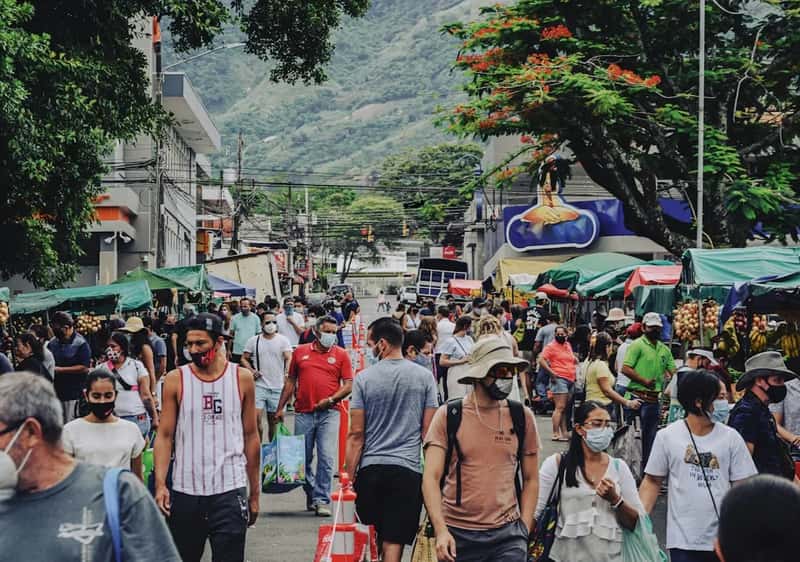
The odd thing is that Costa Rica isn’t actually struggling for visitors overall. Costa Rica’s protected areas drew a record 2,970,516 total visits in 2025, a 13.7% increase over the prior year, according to figures attributed to the National System of Conservation Areas.[7] That’s not a quiet decline story, that’s a system straining under its own popularity.
The problem is where all those people go. A tiny handful of headline parks absorb almost everyone, while dozens of equally protected areas sit nearly empty, and SINAC itself has openly framed this as a reason to push traffic toward quieter destinations. It’s the classic overtourism paradox: the parks everyone has heard of get capped and crowded, while the parks nobody has heard of stay wild and empty for entirely different reasons.
The Parks Nobody Bothers to Visit
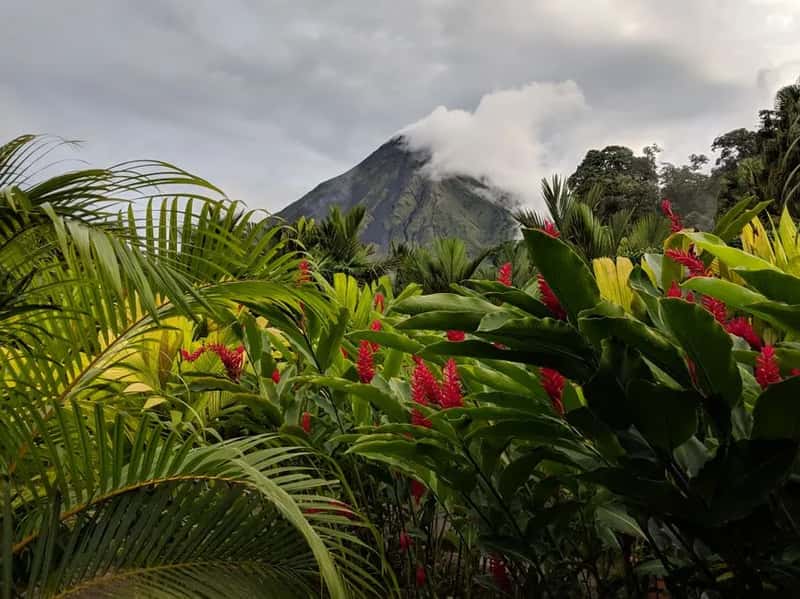
If you want a sense of just how lopsided the distribution is, consider the numbers at the bottom of the list. Juan Castro Blanco National Park, between Alajuela and San Carlos, recorded only 26 visitors during all of 2025, followed by Diriá National Park in Guanacaste with 452, and Barbilla National Park in Limón with 457.[7] Meanwhile Manuel Antonio turns people away at the gate on a busy Saturday.
Visiting one of these quiet parks isn’t a simple swap, though. Lesser known parks typically have fewer marked trails, limited ranger presence, sparse signage and few or no services on site, so independent visits require more preparation, and travelers should confirm opening hours, access roads and entry conditions directly with SINAC before setting out, since some sectors open only seasonally.[7] The cap didn’t just change how you visit the famous parks. It quietly created a two-tier system of easy, crowded nature and remote, unsupported nature.
Losing Ground to Cheaper, Less Complicated Neighbors
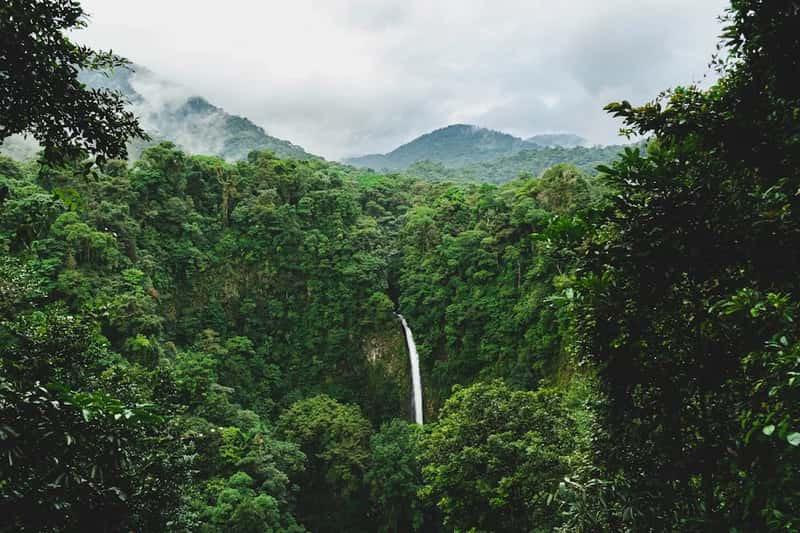
Costa Rica used to be the default choice for eco-tourism in the region. That’s no longer automatic. The National Chamber of Tourism warned that Costa Rica’s tourism ended 2025 with a modest 1% increase in international arrivals by air, up from 2.661 million in 2024 to 2.689 million, a figure the chamber described as insufficient given the stronger performance of competitors.[8]
The comparison stings a little when you line up the numbers. Colombia posted 4% growth, the Dominican Republic 5%, Mexico 6%, and Guatemala 10%, while global tourism overall grew by 5%, with Costa Rica falling below that rate and even posting negative figures for several months.[8] Business groups have been blunt about why, arguing the country has become “prohibitively expensive” compared to Mexico, the Dominican Republic, Colombia, and Panama.[9]