For years, Cancún was the easy answer. Warm water, direct flights, an airport ten minutes from the resorts. It was the trip you booked when you didn’t want to think too hard about the trip.
Lately, though, something has shifted. The math doesn’t add up the way it used to, and the experience itself feels different than it did even five years ago. Here’s what finally pushed me to look elsewhere.
The seaweed situation has gotten genuinely bad
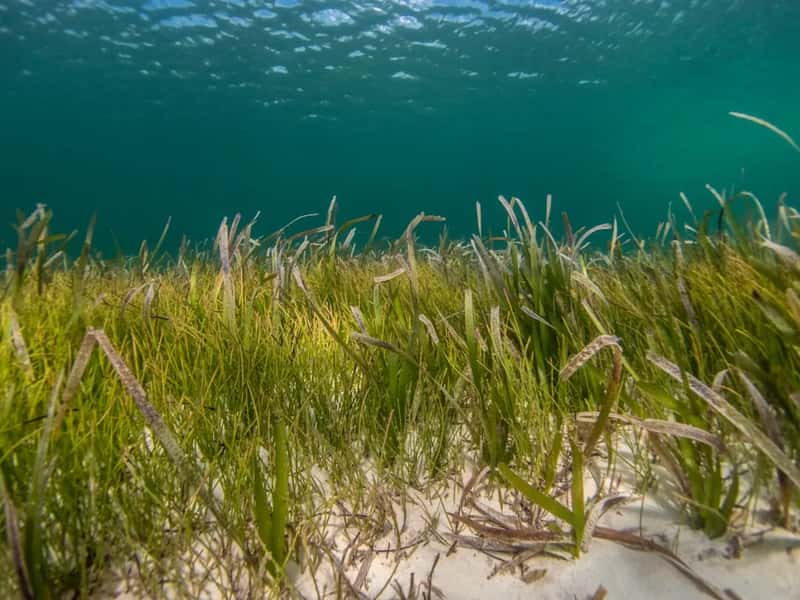
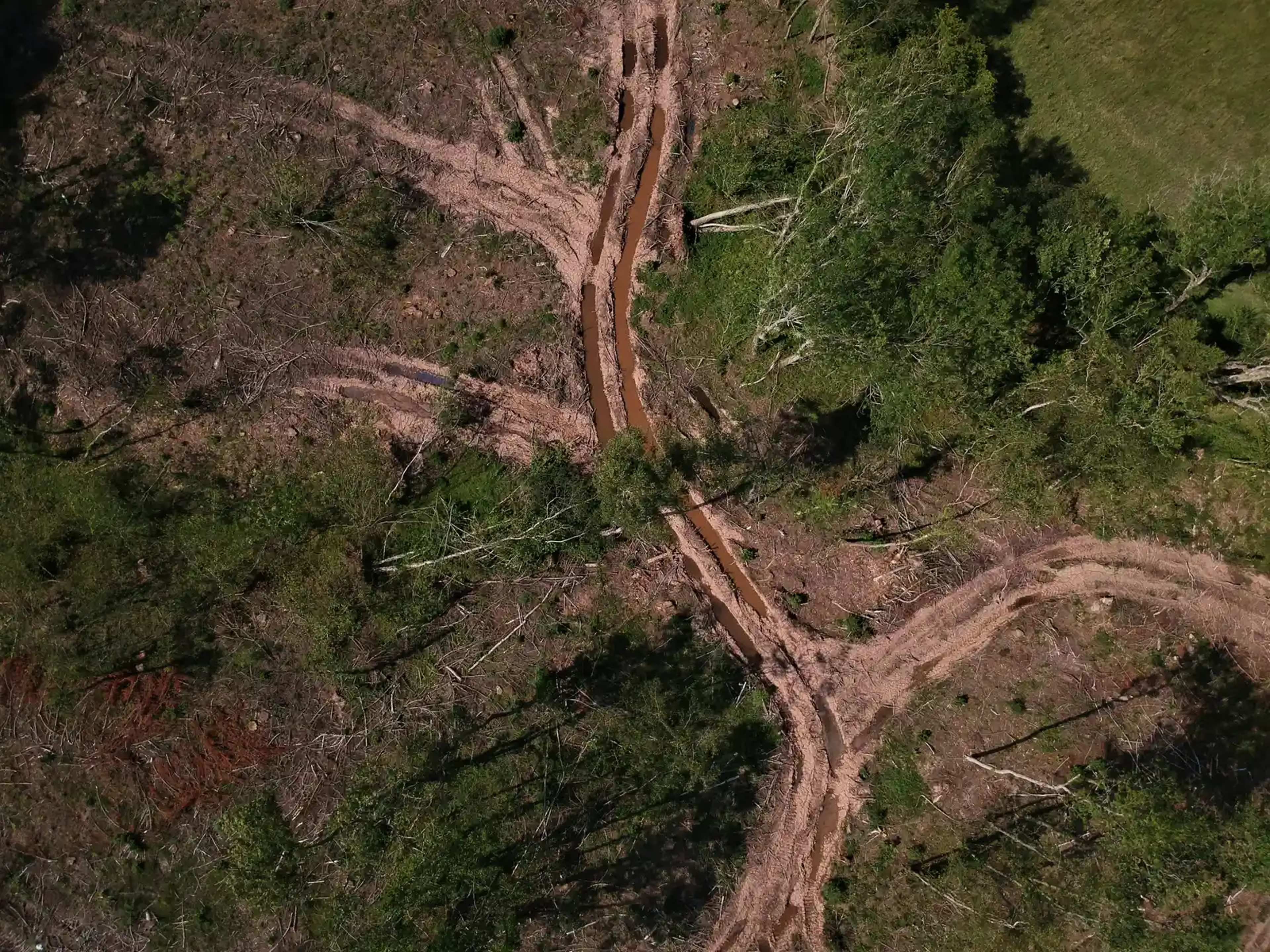
Sargassum has been a known nuisance in the Mexican Caribbean for years, but 2026 pushed it into a different category entirely. Researchers at the University of South Florida’s Oceanography Lab confirmed that 2026 is likely to be the worst year for sargassum seaweed on record.[1] That’s not a minor seasonal inconvenience anymore.
By late July, officials in Quintana Roo had cleared more than 105,000 metric tons of sargassum, a figure that already exceeded the previous year’s record of 92,783 tons.[2] One cleanup worker in Puerto Morelos described it plainly: “This year it didn’t stop. From July to July, sargassum kept arriving.”[2] Standing on a beach that smells like low tide gone wrong isn’t the vacation I’m paying resort prices for.
The all inclusive math stopped making sense
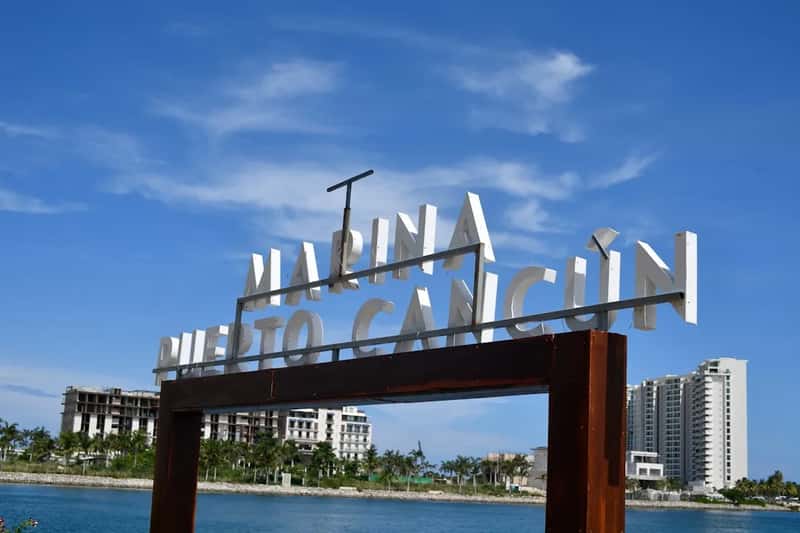
Cancún has always carried a bit of a premium compared to other parts of Mexico, but the gap has widened noticeably. Mid-range hotel rooms now run $250 to $400 a night, and all inclusive packages often start around $300 per night minimum, climbing toward $1,000 a night for five star properties.[3] That’s before food, drinks, or a single excursion.
Compare that to a nearly identical resort brand elsewhere on the coast. One comparison found the Dreams all inclusive resort in Huatulco running around $400 a night in February 2026, while the same brand in Cancún ranged between $420 and $805 for the same dates.[4] Paying double for the same bed and the same buffet is a hard sell once you notice it.
New fees keep stacking on top of the sticker price
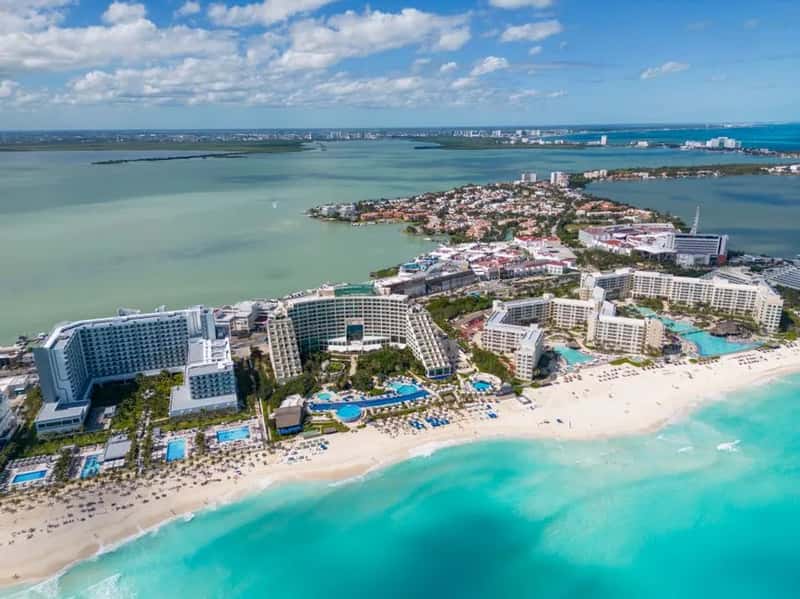
Cancún used to feel like a place where the advertised price was close to the real price. That’s no longer the case. Visitors now juggle a Quintana Roo state tourism fee, a federal entry fee, and a municipal environmental charge, all collected separately.
The VISITAX runs about 280 to 300 pesos per person, roughly 15 to 18 dollars, on top of the federal DNR fee, which increased from 861 MXN in 2025 to 983 MXN, around 54 dollars, plus a municipal environmental charge of about 76 pesos per room per night.[5] None of these individually breaks the bank, but enforcement has tightened, and the cumulative effect is a trip that costs noticeably more than it did just a couple of years ago.
The hotel zone feels more crowded than relaxing
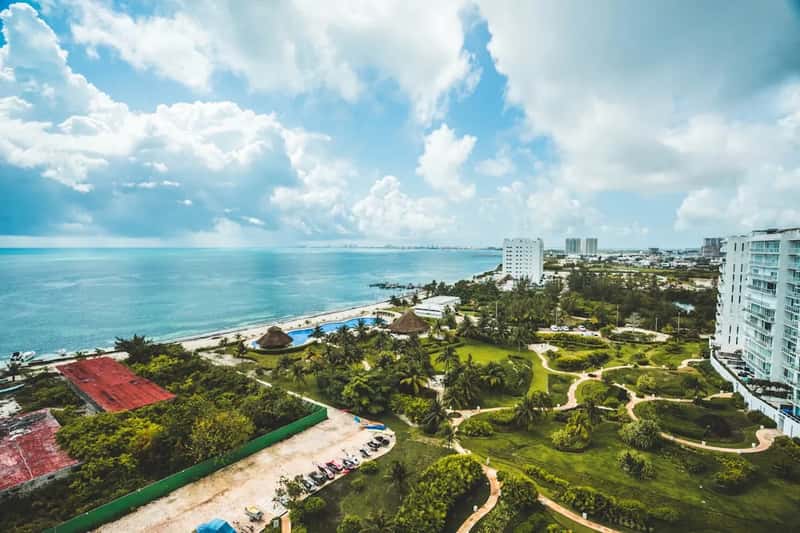
Mexico’s tourism numbers help explain why Cancún feels so packed. The country saw a record 45 million international visitors in 2024, finally surpassing pre-pandemic levels, with Cancún’s airport handling a large share of those arrivals.[3] That’s good news for the local economy, but it changes the texture of a vacation.
High demand also gives hotels less reason to compete on service or price. As one industry breakdown put it, high demand simply means suppliers can charge more.[3] Lines at buffets, packed beach clubs, and fully booked excursions become the norm rather than the exception during peak weeks.
Scams have become more organized, not less

Violent crime against tourists in the Hotel Zone remains rare, but a different kind of problem has grown. While violent crime is rarely a concern for the everyday tourist, scams are the issue travelers report in higher numbers for 2026, and falling victim to one is now the number one issue visitors deal with according to the live Traveler Safety Index.[6] That’s a meaningful shift from a decade ago.
Some of this fraud has moved online before travelers even land. Fraudulent websites mimicking real Cancún resorts collect full payment from tourists and then disappear before arrival, with authorities identifying up to 20 new fake hotel sites per month targeting Cancún visitors.[7] Even careful planners can get caught by a convincing fake booking page.
Timeshare pressure has crossed into fraud territory

Timeshare pitches at the airport are old news, mildly annoying but survivable. What’s changed is the scale of what happens after someone signs. The U.S. Treasury sanctioned a network in February 2025 linking it directly to the CJNG cartel, which has defrauded timeshare owners of over 288 million dollars.[7]
The follow up scam is particularly cruel. Owners get contacted later by people posing as brokers offering to buy back the timeshare at a premium, then asked for upfront transfer fees or tax clearances. Victims are asked to pay upfront transfer fees, tax clearances, or legal deposits, none of which are ever returned, and the fraud can span years, wiping out retirement savings.[7]
Safety is fine, but the vigilance tax adds up
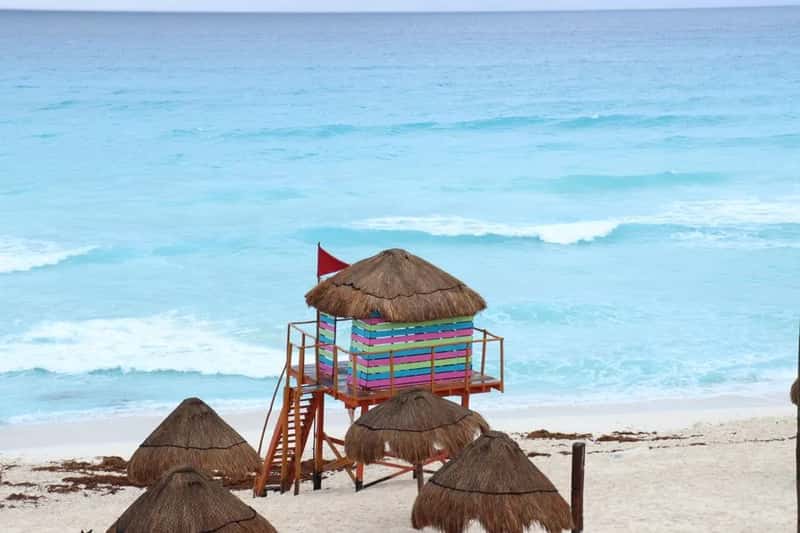
To be fair, Cancún isn’t dangerous in the way headlines sometimes suggest. Crime in Cancún’s tourist areas is largely directed at other criminals, not tourists, and the Hotel Zone sees very little violent crime against visitors.[8] The bigger annoyances are practical rather than physical.
The biggest risks for most visitors are scams, overpriced taxis, and timeshare harassment, all annoying, none life threatening.[8] Still, spending a week mentally screening every friendly stranger, every taxi quote, and every free excursion offer wears on you in a way that a vacation shouldn’t.
Bacalar offers the color without the crowd
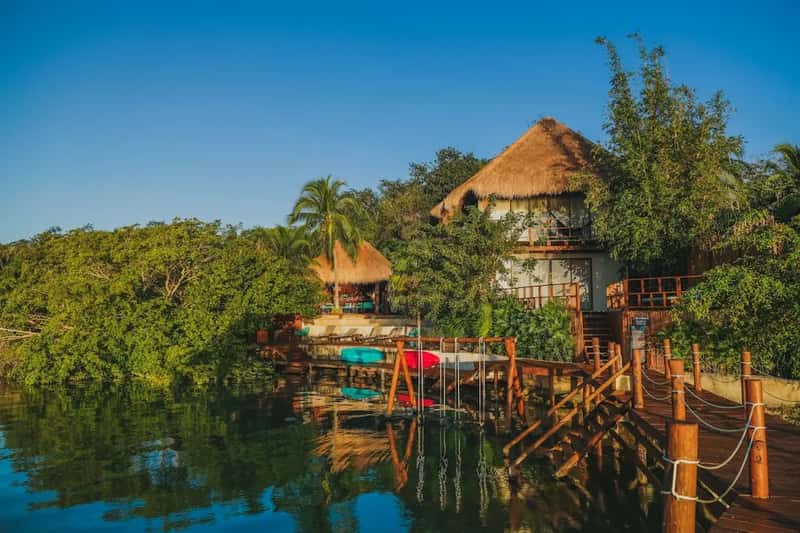
Somewhere along the way, I started looking south instead of straight to the coast. Bacalar sits a few hours inland from the Caribbean, built around a freshwater lagoon rather than the ocean. Known as the Lake of Seven Colors, it centers on a freshwater lagoon filled with shifting shades of blue and turquoise, delivering scenery comparable to Caribbean beaches without the saltwater or resort pricing.[9]
It’s not trying to be Cancún, and that’s the appeal. Bacalar has a calm, small town feel, highlighted by a historic fort and local markets, with an atmosphere that remains quieter and more nature focused than the big resort towns.[9] Kayaking across water that changes color with the depth is a strange kind of quiet luxury that no swim up bar can replicate.
Holbox proved that the Yucatán still has slow corners
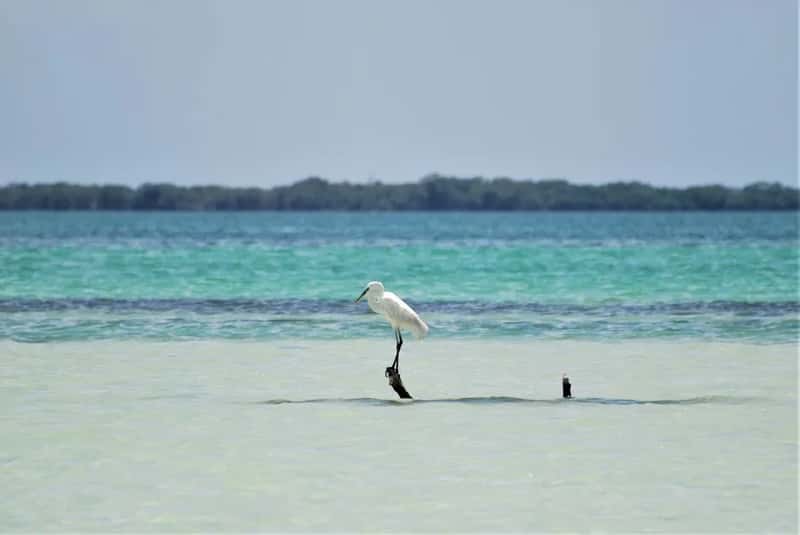
The other place that’s earned repeat visits is Isla Holbox, a small island north of Cancún that happens to be one of the few local beaches still consistently clear of sargassum. As of mid-2026, Holbox, Isla Mujeres, Costa Mujeres, and the west coast of Cozumel are among the most consistently clear stretches of coast in the region.[10] That alone made it worth the ferry ride.
What sticks with you, though, is the pace. Holbox is the perfect antidote to the always bustling energy of nearby Cancún, and while you might fly into the same airport, this car-free island couldn’t feel more different.[11] No high rises, no timeshare reps, just sandy streets and golf carts moving at a speed that matches an actual vacation.
Final thoughts
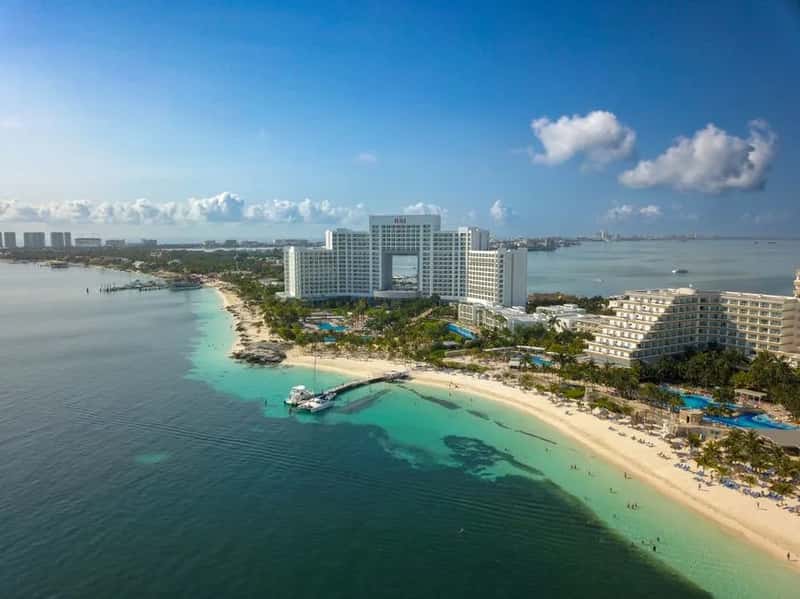
None of this means Cancún has become unlivable or unsafe. It just means the trade offs have shifted, and for me, they’ve shifted enough to notice. The seaweed is worse, the fees are stacking up, the scams are smarter, and the crowds haven’t thinned out to compensate.
What I’ve found instead, in places like Bacalar and Holbox, isn’t a downgrade. It’s a different kind of trip, one where the water is still the main event, but the noise around it has finally gone quiet.