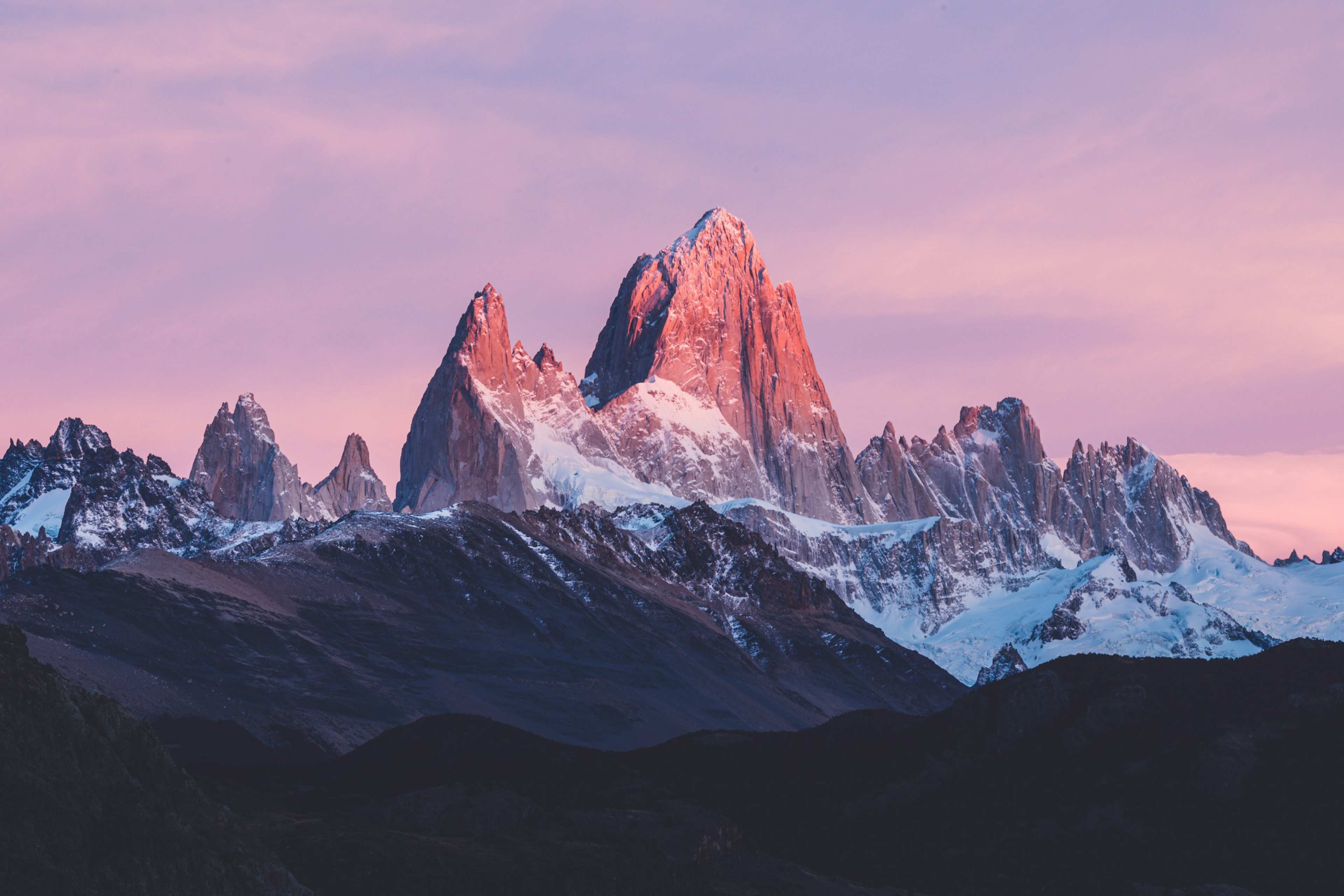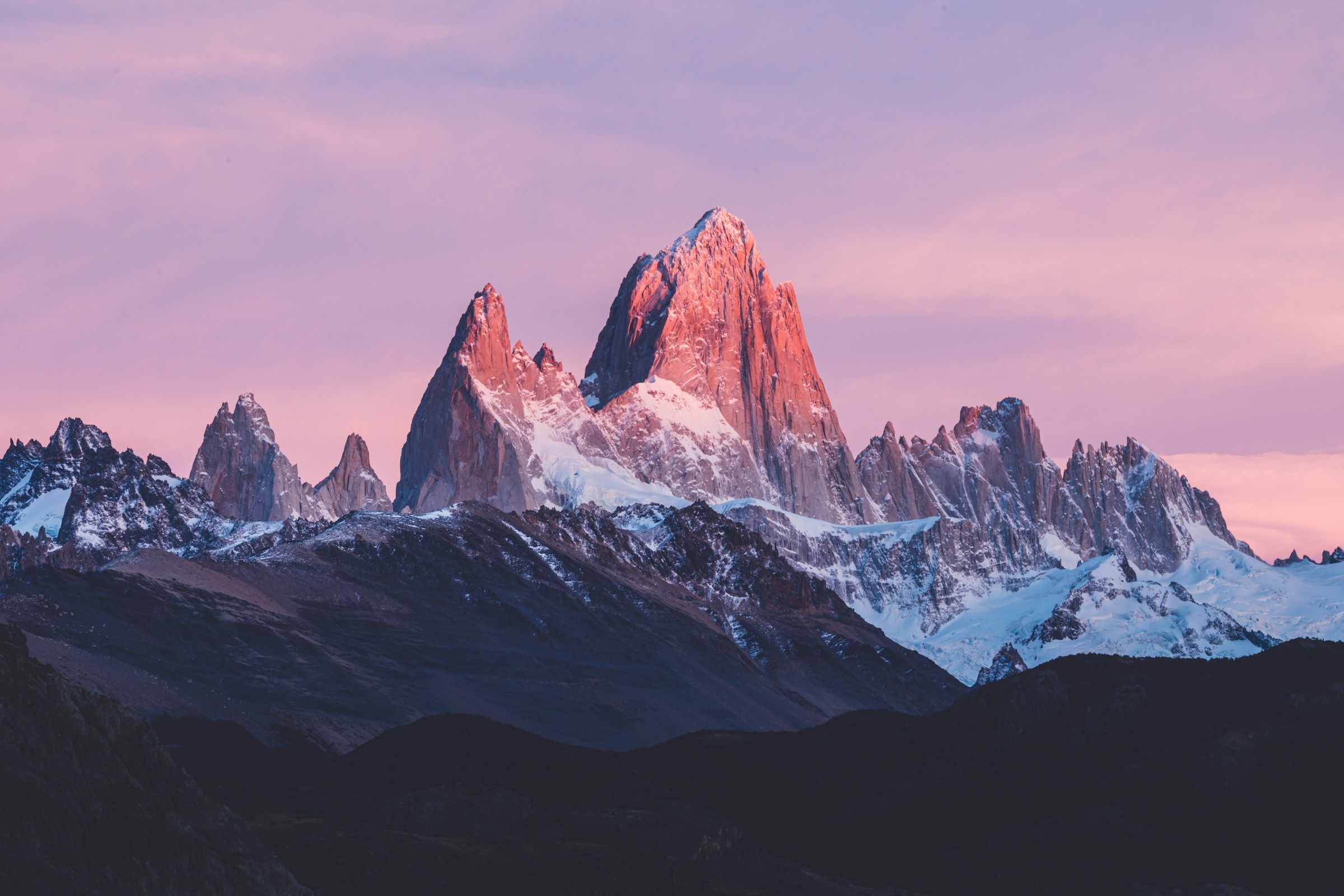
Ask a group of seasoned travelers where they’ve always wanted to go, and a few names come up again and again. Patagonia is one of them. The name alone suggests wind, glaciers, and a long way from home.
The picture on the ground in 2026 is more practical than that, and in some ways more interesting. Visitor numbers, park rules, and trip styles have all shifted in the past couple of years. Here’s what the evidence shows about why this far corner of South America keeps pulling in Americans with time, savings, and a strong sense of what they want from a trip.
Why Americans Are a Valued Market
Americans don’t just show up, they spend. Government analysis estimates average spending of about 1,385 US dollars per trip for visitors from the United States, compared with roughly 299 dollars for visitors from Argentina.[1] That gap helps explain why Chile is courting travelers from farther away.
Chile’s overall arrivals actually fell in early 2026. The country received 2.55 million foreign tourists in the first half, down nearly one fifth year on year, largely because of weaker arrivals from Argentina.[1] So the story isn’t a general boom, but a shift toward visitors who stay longer and spend more.
Argentine Patagonia and the US Connection
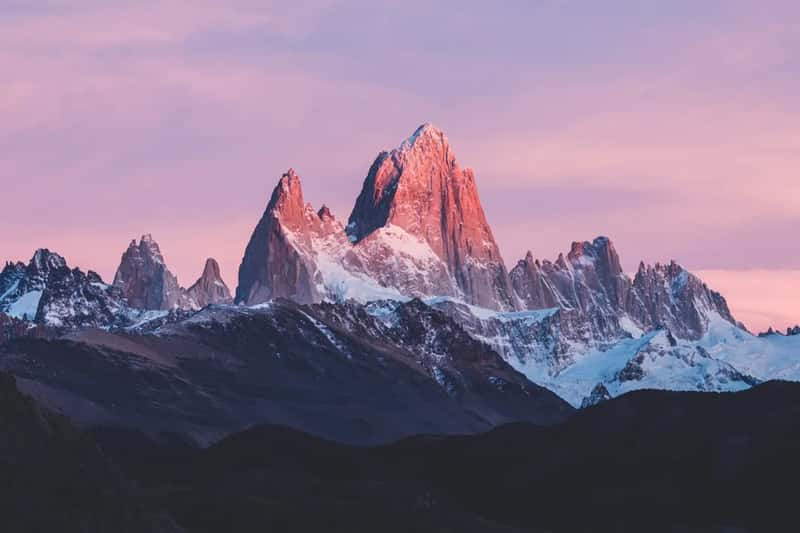
The Argentine side has its own American following. In 2024 the US was the fourth largest source of international arrivals to Argentina, behind Brazil, Uruguay and Chile.[2] Patagonia is the second most visited region for US travelers after Buenos Aires, concentrated in Bariloche, El Calafate and Ushuaia.[2]
Argentina’s overall numbers have been uneven, though. International arrivals declined from roughly 6.6 million in 2024 to 5.7 million in 2025.[3] Overseas arrivals have recovered somewhat since, with non-resident arrivals in September 2026 up 14.2 percent from the same month in 2025.[4]
Patagonia Isn’t Only for Backpackers Anymore
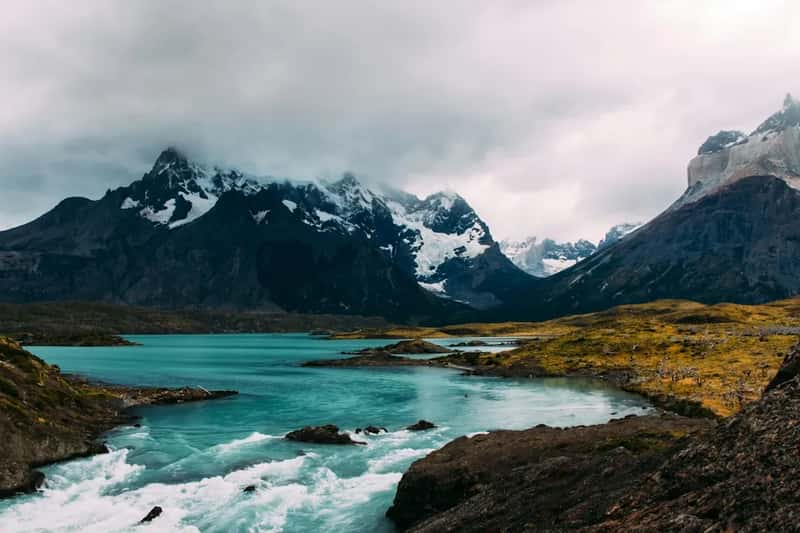
For decades the region had a reputation for tents, bunk rooms, and long bus rides. That’s changing. A growing category of comfort first trips caters to travelers over 50 who prefer boutique lodge stays and private van transfers over shared dorms and long bus rides.[5]
Operators have noticed. Companies such as Tauck and Southern Explorations offer classic itineraries built around the Perito Moreno Glacier and the granite towers of Chile, with minimal strenuous elevation gain.[5] That’s a different trip from the one the region used to be known for.
Trips That Scale to Your Fitness
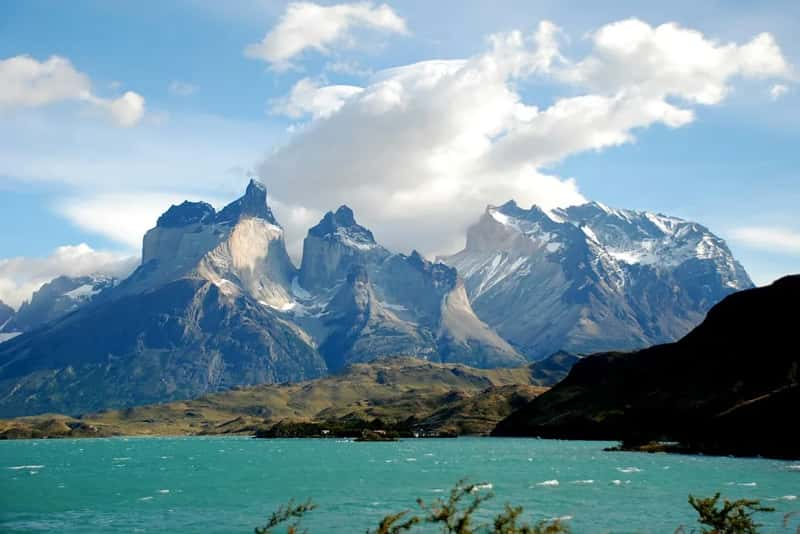
One reason the destination suits a wide range of abilities is that you can set your own pace. A hub and spoke approach based in Puerto Natales lets travelers book day tours in Torres del Paine and return to a comfortable hotel each evening.[5] Nobody has to commit to a week on the trail.
Wildlife viewing can be just as gentle. These tours emphasize penguin colonies and guanaco herds seen from accessible vantage points rather than hiking days of twenty kilometers.[5] Travelers who do want a challenge can still add the longer treks.
Timing the Trip for Milder Weather
Season matters a great deal here. December to February provides the most reliable conditions for senior travelers, with mild temperatures and extended daylight that suit sightseeing.[6] That’s the southern summer, which suits travelers escaping a North American winter.
The same months are also busy. Peak season in Torres del Paine runs mainly from December to February.[8] Shoulder months can mean quieter trails, though conditions vary more.
Booking Demand Is Running Early
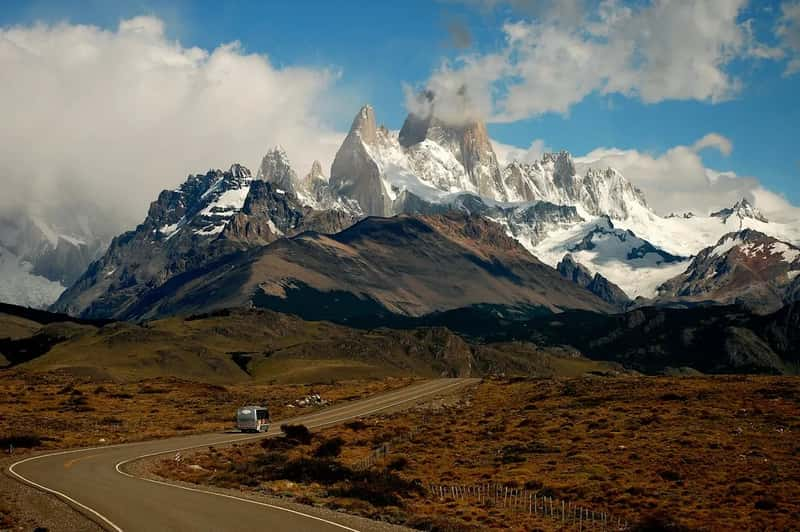
Tour operators have been adding capacity. Expanded schedules for fjord cruises, overland trips and trekking itineraries ran from October 2025 through March 2026, reflecting confidence in sustained demand.[9] One operator described Northern Patagonia journeys as among its fastest growing offerings for 2025 and 2026.[9]
Some of this interest may reflect global events. World Expeditions says demand is rising as travelers look beyond traditional routes and seek destinations perceived as more remote and stable.[10] That’s one company’s read of its own bookings, so treat it as a signal rather than proof.
New Rules in Torres del Paine
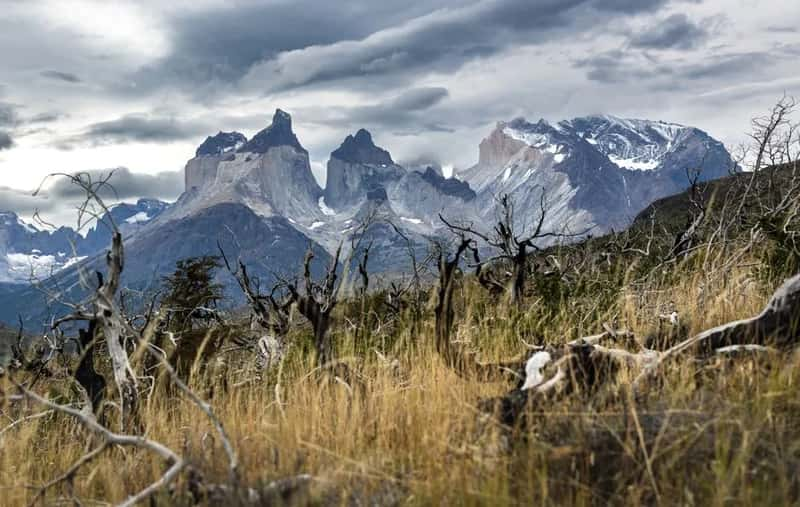
The park’s most famous trails now run under tighter systems. Since 1 May 2026, CONAF has sold park entry under a new system with a single day ticket and a ticket for two or more days valid for up to ten continuous days.[11] Tickets are now sold by section, such as Base Torres and the W Circuit, through the Pases Parques portal.[12]
Reservations are essential for multi day routes. Hikers on the W trek and the Paine massif circuit must reserve accommodation in advance, though the rule doesn’t apply to day hikes such as Base Torres.[11] Winter adds another layer, since in 2026 the W and Base Torres were open only with an accredited guide from 27 April, and the guide requirement was lifted on 16 September.[13]