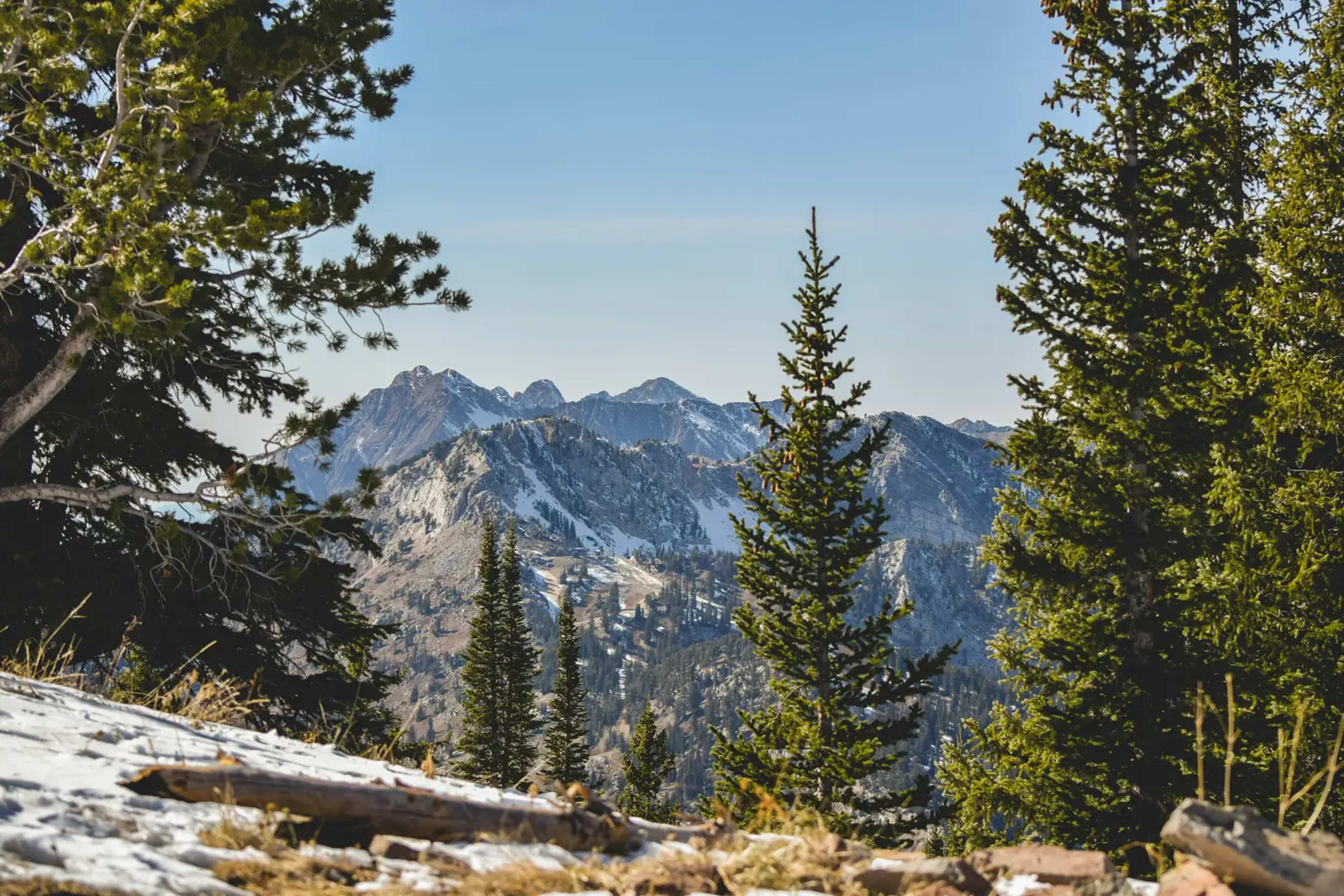
Wildlife’s unpredictable movements make climate-change planning difficult – Image for illustrative purposes only (Image credits: Unsplash)
New England winters have warmed noticeably over recent decades, yet many animals are not shifting their ranges in the ways long predicted. Average winter temperatures now run 4 to 5 degrees Fahrenheit higher than in the 1970s, with less snow and fewer extreme cold snaps. This change was expected to push temperature-sensitive species northward or to higher elevations, but observations show a more complicated picture that directly affects travelers who time trips around wildlife migrations, denning seasons, or seasonal viewing opportunities.
Expected Patterns Fall Short
Ecologists anticipated that species tied to cooler conditions would track rising temperatures by relocating. The American red squirrel in the Northeast served as a clear test case. Researchers expected the animals to climb upslope in search of colder habitat as winters softened. Instead, the squirrels moved downslope, apparently following the recovery of red spruce forests after earlier dieback events. Habitat quality appears to outweigh temperature cues in this instance. Similar mismatches appear across thousands of other species. A 2023 review in Environmental Evidence examined range shifts in more than 12,000 terrestrial and marine species. Many had not moved at all, or had shifted in directions opposite to temperature-based forecasts. The findings highlight that climate alone does not dictate movement when other factors such as food availability or vegetation recovery come into play.
Travel Implications Grow Clearer
Wildlife watchers planning national park visits, birding tours, or fall foliage trips now face added uncertainty. Migrations may arrive earlier or later than historical averages, and animals may appear in different elevations or latitudes than guidebooks suggest. A trip timed for moose sightings in higher terrain or for specific bird arrivals could yield different results if habitat preferences override temperature signals. Operators who run seasonal excursions report the need for greater flexibility. Some adjust routes or dates based on real-time observations rather than long-term averages. Travelers benefit from checking recent local reports and remaining open to alternative locations when traditional viewing windows shift.
Key Uncertainties Remain
Scientists continue to study why certain species follow habitat cues while others respond more directly to temperature. The 2023 review noted wide variation across taxa and regions, with marine species sometimes showing stronger alignment to expectations than terrestrial ones. No single model yet captures the full range of responses. Future warming could eventually override current patterns, but the pace and triggers remain unclear. Monitoring programs track ongoing changes, yet predictions for any single location carry limits. Travelers and planners therefore treat forecasts as starting points rather than fixed schedules.
Planning With Flexibility
Practical steps include building buffer days into itineraries and consulting recent field observations from parks or wildlife agencies. Some visitors now combine multiple target areas or extend stays to increase chances of meaningful encounters. The core lesson is straightforward: wildlife movements reflect a mix of influences, and successful trips increasingly reward adaptability over rigid calendars.