For a growing number of couples, the math of retirement or remote work no longer starts with a mortgage calculator in Ohio or a rent estimate in Toronto. It starts with a map. Somewhere between rising grocery bills at home and a fixed pension or a laptop paycheck, more people are asking a simple question: where does $2,000 a month actually go far enough to build a full, unhurried life?
The answer depends heavily on region, city choice, and lifestyle habits, but a handful of countries keep showing up in cost breakdowns from expats, retirement researchers, and international living guides. Below are ten places where two thousand dollars, spent thoughtfully, still buys a real quality of life.
Portugal

Portugal remains one of the most talked about destinations for budget conscious expats, and the numbers still back up the reputation outside the biggest cities. A single person often spends around 650 to 850 euros in smaller towns, while a couple spends about 1,100 to 1,500 euros outside of big cities, without rent. Add housing, and a couple living outside Lisbon or Porto can reasonably land near the two thousand dollar mark, especially inland or in smaller Algarve towns.
Utilities alone are relatively light on the budget. Electricity or gas, water, and garbage disposal for one person can run between $85 to $95 in a small apartment, while a couple living in a larger space can expect to pay between $130 to $140. Healthcare access is another draw, since expats can tap into the national system after a short residency period, and the overall cost of living sits well below Western European norms.
Mexico
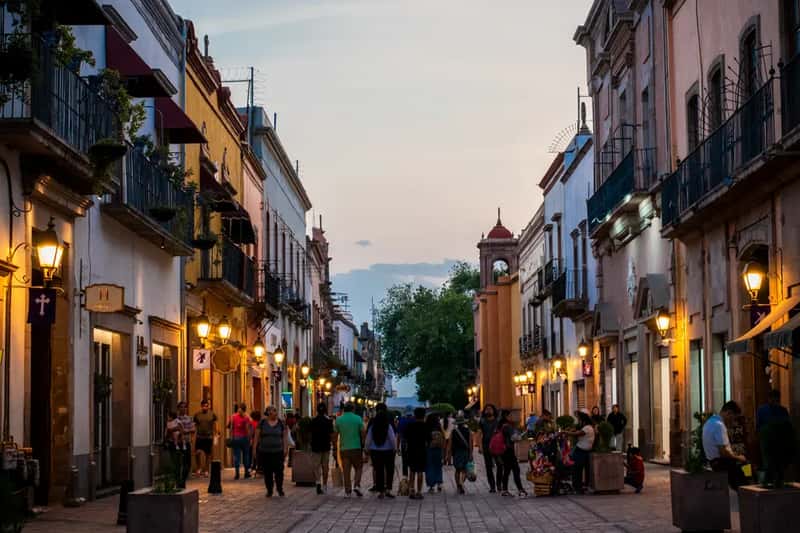
Mexico has long been a default answer for North Americans looking to stretch their money without leaving the same time zone, and inland cities in particular still deliver on that promise. A single expat can live comfortably in many parts of Mexico for $1,500 to $2,000 USD per month, while a couple might spend $2,000 to $3,000 USD. Choosing a city inland rather than a coastal tourist zone makes a real difference in how far that budget stretches.
Housing costs vary sharply by location, and that gap is where couples find their savings. In popular expat havens like Puerto Vallarta or Playa del Carmen, a modern 2-bedroom apartment might cost $1,000 to $1,800 USD, while in inland cities like Oaxaca or Guanajuato, similar places run $600 to $900 USD. Combine that with everyday grocery costs, where a couple can eat well on $300 to $500 USD per month for groceries, and a two thousand dollar budget starts to look genuinely comfortable rather than austere.
Ecuador

Ecuador’s dollarized economy removes one of the biggest headaches of living abroad, since there is no currency conversion risk to track month to month. A couple can live quite comfortably in Ecuador for less than $23,000 per year, which works out to well under two thousand dollars a month on average, leaving room for occasional splurges. Cuenca, the country’s most popular expat hub, is often cited as the sweet spot for affordability paired with infrastructure.
The budget covers more than the basics. This budget allows for renting a nice apartment in a major city, eating out at good restaurants frequently, access to high quality healthcare, and having a weekly house cleaning service, though most expats don’t find it necessary to have one. Utility costs are notably low too, since a mild Andean climate in cities like Cuenca means air conditioning and heating are rarely needed at all.
Colombia

Colombia has quietly become one of the more compelling options for couples who want city energy without city prices. Medellín in particular draws attention for its climate and healthcare system, and a single retiree living comfortably in Medellín spends between $1,030 and $1,510 a month on rent, groceries, healthcare, dining out, and transportation, while Cartagena averages $1,340 to $1,980, Bogotá runs $1,180 to $1,740, and Cali comes in at $930 to $1,340. For a couple sharing housing, those figures scale up only modestly, keeping most cities within reach of a two thousand dollar monthly plan.
Healthcare is where Colombia really stands out on paper. Healthcare costs 60 to 70 percent less than in the US while maintaining top-20 global quality, which matters enormously for retired couples budgeting for the unexpected. That combination of low daily costs and strong medical infrastructure explains why the country keeps climbing expat rankings rather than fading as a niche option.
Panama
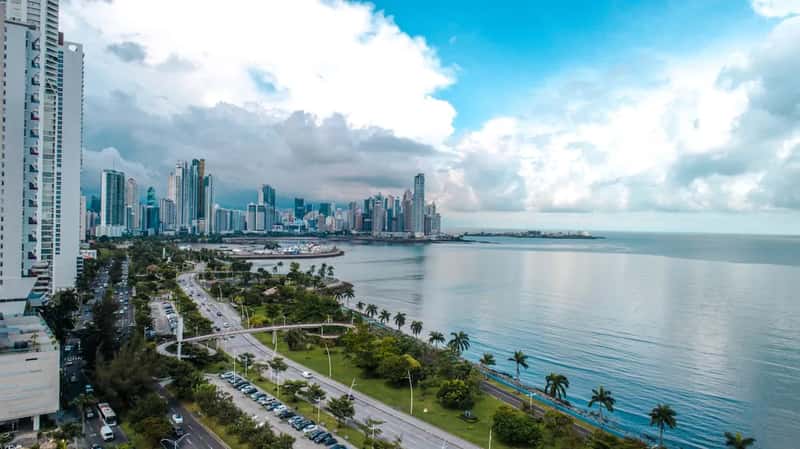
Panama’s dollar based economy and long standing Pensionado visa program have made it a fixture on retirement lists for years, and the smaller towns are where the two thousand dollar budget really shines. Smaller cities and interior towns like David and Bocas del Toro are significantly cheaper, with comfortable budgets starting from around US$1,050 to US$1,100 a month. Mountain towns like Boquete add another advantage, since the constant temperature of 18 to 22 degrees Celsius greatly reduces the need for air conditioning, which has a positive effect on the electricity bill.
Panama City itself runs pricier, but even there, a couple willing to live modestly can make it work. Panama City is the most expensive destination, requiring at least US$1,600 a month to live well, with more comfort at US$2,000 to US$2,500. Outside the capital, though, the math tilts firmly in favor of a two thousand dollar lifestyle that still includes private healthcare and regular dining out.
Costa Rica
Costa Rica sits right at the boundary of what two thousand dollars can comfortably cover, which makes location choice especially important here. Some retired couples live well on $2,000 per month and even better on $2,500 to $3,000, a figure that includes all costs such as housing, transportation, medical care, utilities, food, and entertainment. Central Valley towns tend to offer the best value, while beach destinations popular with tourists push costs noticeably higher.
Smaller, less touristy towns make the biggest difference in stretching a fixed budget. Inland towns such as Atenas, Grecia, and Ojochal are known for affordability, strong infrastructure, and welcoming expat communities. Costa Rica’s territorial tax system, which does not tax foreign earned income, adds another practical benefit for retirees living on savings or pensions from abroad.
Thailand

Thailand has built its reputation on offering a genuinely comfortable lifestyle at a fraction of Western prices, and the numbers hold up across several regions. International Living has spotlighted cities such as Chiang Mai and Phuket as places in Thailand where retirees can live for $1,700 and $2,500 per month, respectively. For a couple splitting housing costs, Chiang Mai in particular tends to land comfortably within a two thousand dollar monthly plan.
Beyond the big cities, Thailand’s broader appeal includes a well developed private healthcare system that draws medical tourists from around the world, alongside inexpensive street food culture that keeps daily grocery and dining costs low. Retirees on Thailand’s long stay visa programs often find that housing, once the largest line item, remains far cheaper than equivalent apartments back home. The country’s mix of tropical climate, established expat infrastructure, and lower cost of living continues to make it one of the most frequently recommended destinations for budget minded couples.
Vietnam

Vietnam offers one of the lowest cost entry points on this list while still providing a functioning, increasingly comfortable expat scene, particularly in Hanoi. Hanoi is home to as many as 100,000 expats and offers low rent, fresh local food, and affordable healthcare, with one retiree reporting living there for under $1,800 a month. That leaves meaningful headroom within a two thousand dollar budget for a couple, even accounting for slightly higher joint housing costs.
Daily expenses in Vietnam tend to be modest across the board, from local markets to public transportation, which keeps the overall monthly total predictable. Couples who prioritize simple, local style living rather than imported goods and Western style dining tend to see the biggest savings. The country’s rapid infrastructure development in recent years has also made cities like Hanoi and Da Nang more livable for long term visitors without erasing the affordability that drew them there in the first place.
Malaysia

Malaysia, and Penang in particular, has built a loyal following among retirees looking for a comfortable middle ground between cost and convenience. Tens of thousands of American expats have made Penang their home in retirement, and one retiree reported living a comfortable life, including massages and fine wine, for around $2,500 a month. A couple watching their budget a bit more closely can often land closer to two thousand dollars while still enjoying a similar standard of living.
Malaysia’s advantage lies partly in its balance of modern infrastructure with lower costs than neighboring Singapore. English is widely spoken, healthcare facilities are well regarded regionally, and the country’s long running retirement visa program has made long stays administratively straightforward. That combination of practicality and affordability keeps Malaysia in steady rotation among the countries couples consider seriously rather than just browse.
Greece

Greece has recently climbed to the top of several retirement rankings, driven partly by a tax incentive that few other countries can match. Greece topped the 2026 Global Retirement Index for its 7% flat tax on foreign income, affordable Mediterranean lifestyle, and Golden Visa program starting at €250,000 in real estate investment. For couples specifically, the comfortable budget range fits almost exactly within the theme of this list.
A comfortable budget for a couple in Greece runs $2,000 to $2,700 a month, which covers everything from housing to dining out in most parts of the country outside central Athens. Island living can push costs higher during peak season, but mainland towns and smaller cities keep the lower end of that range realistic. Combined with EU membership benefits and a genuinely appealing climate, Greece has moved from a nostalgic bucket list idea to a practical relocation option for many couples.
Two thousand dollars a month will not stretch equally far everywhere, and city choice within each of these countries matters just as much as the country itself. A couple settling in a capital city or a beach town popular with tourists should expect to spend noticeably more than one choosing a smaller inland town with a similar climate and healthcare access. Still, the pattern across Portugal, Mexico, Ecuador, Colombia, Panama, Costa Rica, Thailand, Vietnam, Malaysia, and Greece is consistent: with some flexibility on location, a couple can build a genuinely comfortable life on a budget that would barely cover rent in many parts of North America or Western Europe.