Every year, a fresh batch of “cheapest countries to retire” lists circulates online, promising palm trees, low rent, and a stretched-out check. Some of those claims hold up. Others fall apart the moment you factor in a visa’s minimum income requirement, a currency that has quietly strengthened, or a healthcare bill that never shows up in the glossy cost-of-living chart.
The average retired worker benefit sits at $2,076 per month as of February 2026, and for many retirees that check has to do most or all of the heavy lifting abroad. The countries below are not obviously expensive in the way Norway or Monaco are. They market themselves, or get marketed by travel blogs, as budget-friendly havens, yet the real numbers tell a more complicated story.
1. New Zealand

New Zealand trades on a laid-back, English-speaking image that makes it feel like an easier, gentler cousin of Australia. That reputation quietly ignores the fine print of its own immigration rules. To qualify for the country’s Temporary Retirement Visa, you’ll need to prove that you have around $350,000 USD to support you and around half a million dollars to invest, as well as an annual income of at least $42,000, a bar that has nothing to do with a Social Security check alone.
Even setting the visa aside, daily costs run higher than the “affordable Pacific nation” narrative suggests. According to Numbeo’s 2026 data, New Zealand ranks 36th among countries for living costs, though it remains more affordable than destinations like Switzerland, Singapore, the United States, and Australia, with a single person needing around $1,877 per month for basics. That baseline number covers rent, food, and utilities only, before any of the extras that make up a full retirement lifestyle.
2. Costa Rica
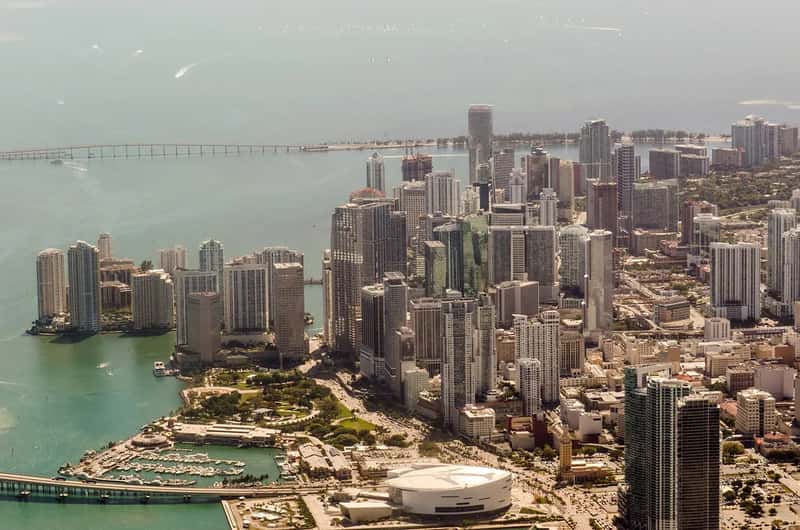
Decades of “pura vida” marketing have turned Costa Rica into shorthand for cheap, sunny living, and there’s real substance behind some of that reputation. Still, retirees who arrive expecting rock-bottom prices across the board often find a different reality once they start signing leases and hiring contractors. Costa Rica is safe and environmentally rich, but property prices and service costs are often higher than expected for retirees.
The gap tends to show up hardest in the areas expats actually want to live in, places like Escazú or the Guanacaste coast, where demand from North American buyers has pushed rents and home prices well past what a national average would suggest. Add in private insurance premiums and imported goods, and a $2,076 check stretches noticeably less far there than in a smaller, less-discovered town.
3. Panama
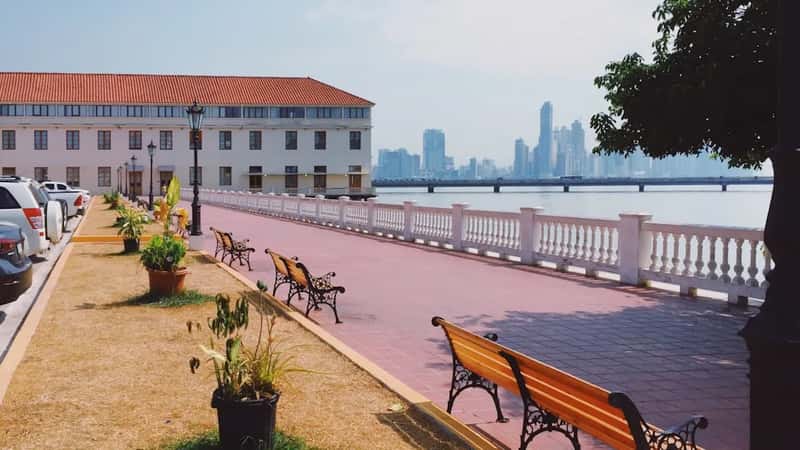
Panama’s Pensionado program is often held up as the easiest retirement visa on earth, and on paper it is remarkably accessible. Panama’s Pensionado Visa requires a lifetime pension of at least one thousand dollars per month from any government or private source, a threshold well below the average Social Security payment.
What that low bar doesn’t capture is the cost of actually living where most expats want to be. Panama City’s condos, imported groceries, and private healthcare cluster at prices closer to a mid-tier American city than a discount destination, so retirees who assumed the visa minimum equaled a livable budget often discover the two numbers were never meant to match.
4. Spain

Spain’s sun, tapas culture, and public healthcare system make it one of the most romanticized retirement destinations in Europe. The catch is Spain’s own residency math. Spain’s Non-Lucrative Visa is popular too, despite a higher bar of roughly $2,650 a month for the main applicant.
That figure sits comfortably above the $2,076 average retired worker benefit, meaning a retiree relying purely on Social Security cannot legally qualify without supplemental savings or another income source. Access to the public health system also depends on the specific visa route chosen, so the “affordable Spain” story quietly assumes resources most Social Security recipients don’t have on their own.
5. United Kingdom
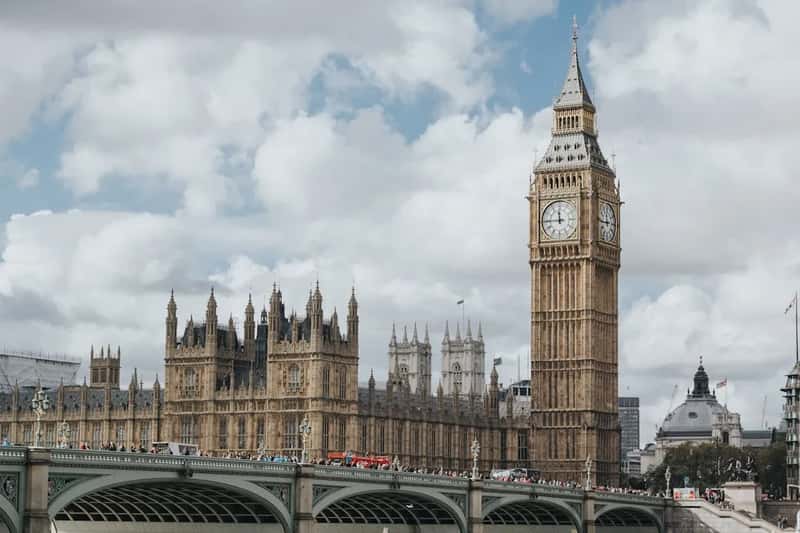
Shared language and long-standing cultural ties make the UK feel like a low-friction, low-cost option for American retirees, especially those with family already there. Survey data tells a much less flattering story. The most affordable European countries in the survey were Portugal and Spain, while the UK ranked 51st out of 53 countries.
The dissatisfaction runs deeper than a single ranking. Britain performed poorly on the Personal Finance Index, mainly due to the high cost of living, which over half of the participants felt negatively about, while 37% of expats were dissatisfied with their financial situation. Familiarity, in other words, does not translate into affordability once rent and daily expenses are added up.
6. Singapore

Singapore’s reputation as a clean, safe, ultra-modern gateway to Asia draws a certain kind of retiree, usually one who hasn’t checked the price tag closely. There isn’t even a dedicated pathway built for them. There’s no specific retirement visa in Singapore.
The cost side is just as unforgiving. Zurich comes in second, with Singapore sitting right below at fourth globally, one spot higher than last year. Singapore is one of the most expensive cities in the world, with many struggling to manage their finances due to sky-high costs, a description that applies just as much to a retiree on a fixed government check as to a young professional on salary.
7. Australia
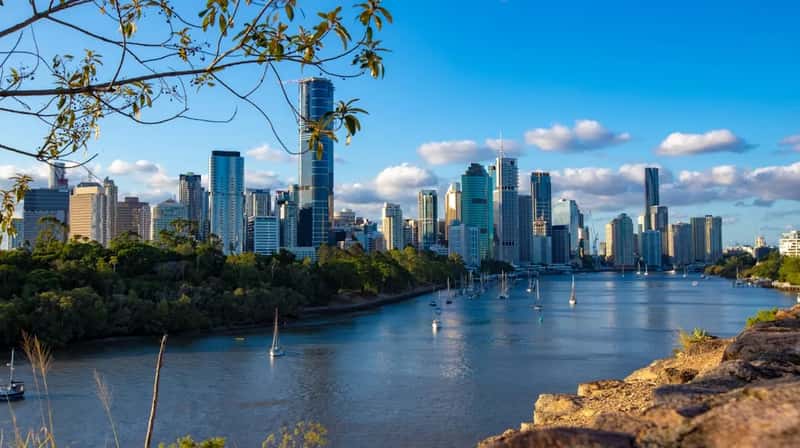
Australia’s outdoor lifestyle, English-speaking familiarity, and respected healthcare system make it feel like a natural, easy retirement choice for Americans. The affordability, though, is conditional and often overstated. Although Australia is known for being expensive, it’s still possible to retire there on a moderate budget, and retirees benefit from world-class healthcare and, if they meet specific residency requirements, pensions.
That last clause matters more than it sounds. Access to the country’s public pension and subsidized healthcare generally requires residency history that most retirees moving there from abroad simply don’t have, and it’s more affordable to live in rural areas as opposed to big cities, which narrows the realistic options for anyone without deep savings behind their Social Security check.
8. Switzerland
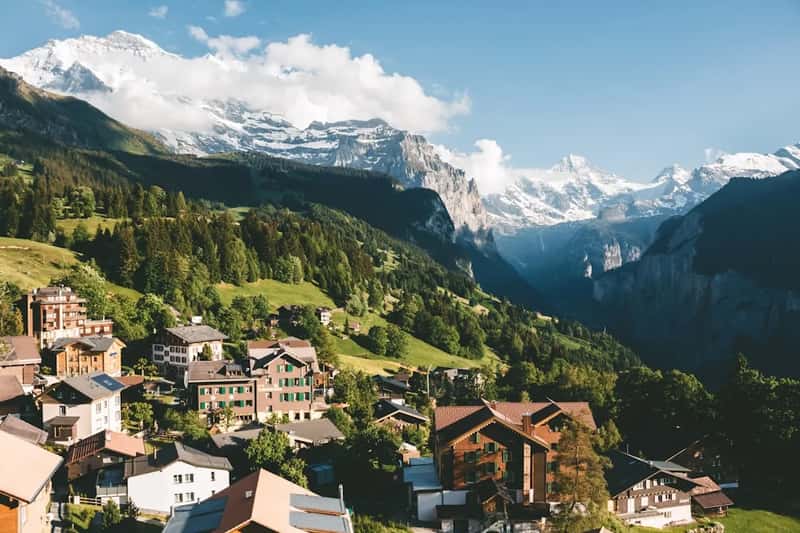
Swiss precision, safety, and Alpine scenery create a romantic image that occasionally gets mistaken for good value, especially among retirees drawn to the idea of a well-run country. The actual cost data doesn’t support that leap. Depending on who you ask, Hong Kong and Switzerland are touted as the most expensive places to live, and we found them to be the third and fourth priciest for retirement.
Even the country’s cheaper corners offer only modest relief. If you don’t have the big bucks, it’s also worth considering the canton of Jura, which is close to the expensive cities, including Basel, but has a cost of living of about $2,600 a month. That figure alone edges past the average Social Security payment before rent, insurance, or anything else is added.
9. Bermuda

Pink sand beaches and a British-colonial charm give Bermuda an image of easy, tropical island retirement, the kind of place that seems built for a modest fixed income. Reality runs in the opposite direction. Bermuda prices are targeted at those with lives of leisure.
The numbers back that up plainly. Restaurants in Bermuda are twice as expensive as in the US, and the capital, Hamilton, is known as the world’s most expensive city. An island economy that imports nearly everything it sells has little room for a retiree trying to live on a single Social Security deposit each month.
10. Italy
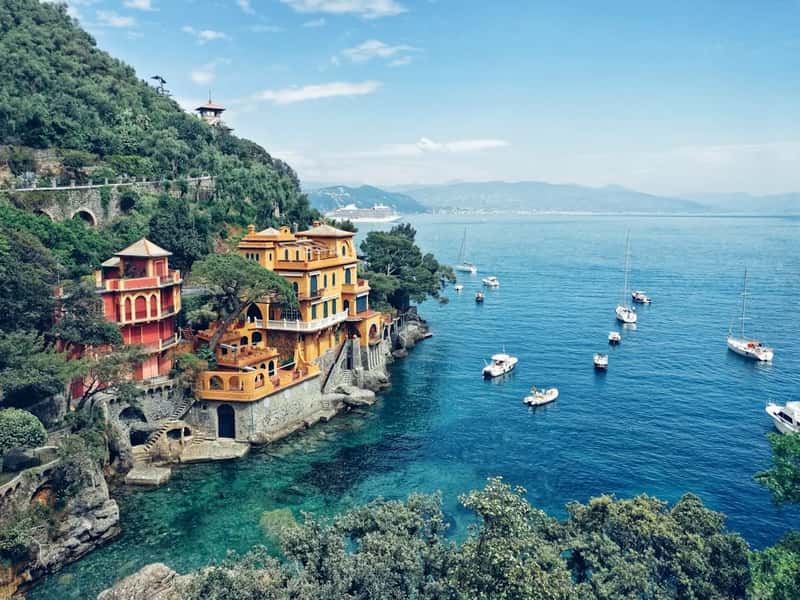
Headlines about Italian towns selling homes for one euro have shaped a public image of Italy as an almost impossibly cheap place to retire. There’s a kernel of truth in it, but the full picture is more layered. Italy has loads to offer immigrating retirees, including nearly endless options of coastal towns with affordable costs of living, and across the country, people can buy homes to renovate for just €1.
What those headlines skip over is the fine print: renovation deadlines, upfront deposits, and the sizable cost gap between a depopulated southern village and a coastal Tuscan town or Milan apartment. A Social Security check might comfortably cover life in rural Puglia, yet fall well short of the Italy most retirees picture when they imagine la dolce vita.