
Official travel warnings are public and easy to find, yet plenty of people book trips to places that carry them. Some are drawn by beaches or ancient ruins. Others simply never see the advisory, or assume it applies to somewhere else in the country.
The U.S. State Department sorts destinations into four levels, from normal precautions up to Do Not Travel. A snapshot of advisories on November 9, 2026, showed 23 countries flagged at Level 4.[1] The ten places below range from that top tier to popular holiday spots with narrower, more specific cautions.
Mexico’s Level 4 States and the Tourist Map Around Them

The State Department reissued Mexico’s advisory on May 29, 2026, at Level 2, Exercise Increased Caution.[2] That headline number hides a lot. The department publishes a separate level for each of the country’s 32 federal entities.[3] Six states sit at Level 4: Colima, Guerrero, Michoacán, Sinaloa, Tamaulipas and Zacatecas.[3]
Baja California, Chiapas, Chihuahua, Guanajuato, Jalisco, Morelos and Sonora carry a Level 3 warning.[4] The advisory describes homicide, kidnapping, carjacking, sexual assault and robbery as crimes that occur in Mexico.[4] Quintana Roo, home to Cancún, Playa del Carmen and Tulum, stays at Level 2.[3] Travelers are advised to stay on main highways and avoid street taxis.[4]
Jamaica’s Shifting Advisory Level
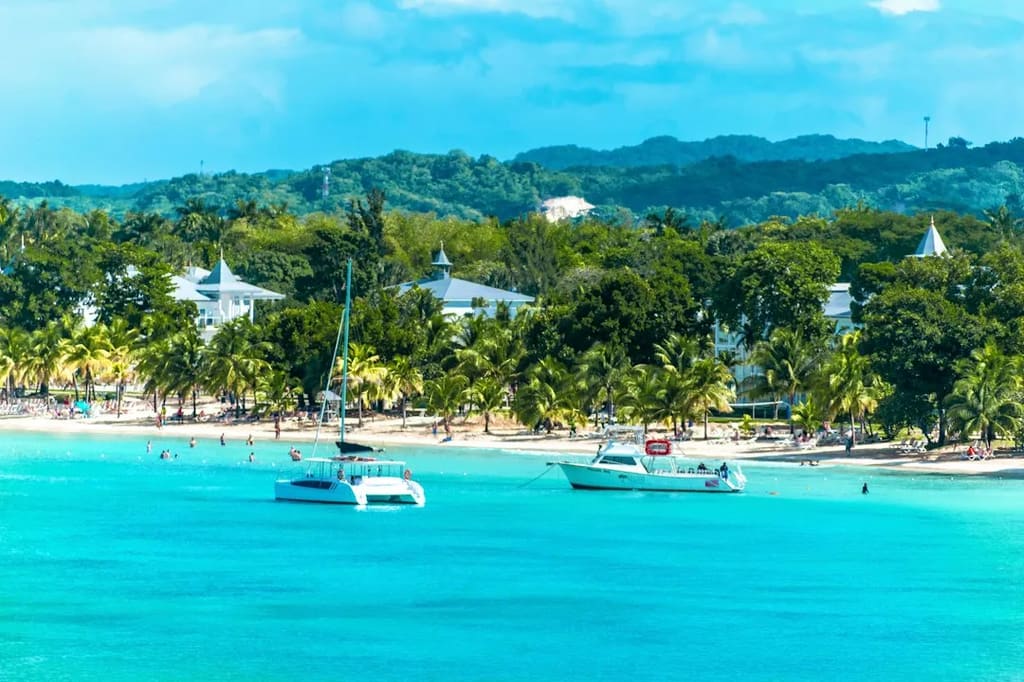
The State Department lowered Jamaica to Level 2 on January 17, 2026.[5] The warning is still serious. Violent crime is a risk throughout the island, and the government’s own reported homicide rate is among the highest in the Western Hemisphere.[5]
The island is also still recovering from a major storm. Hurricane Melissa made landfall there on October 28, 2025.[5] Health care facilities in western Jamaica were badly damaged.[5] The official advisory list shows Level 2, updated June 23, 2026,[6] though one tracker reports a raise to Level 3 in early July citing violent crime.[7] Those accounts conflict, so check the official page just before you fly.
The Bahamas and the Crime Caveat
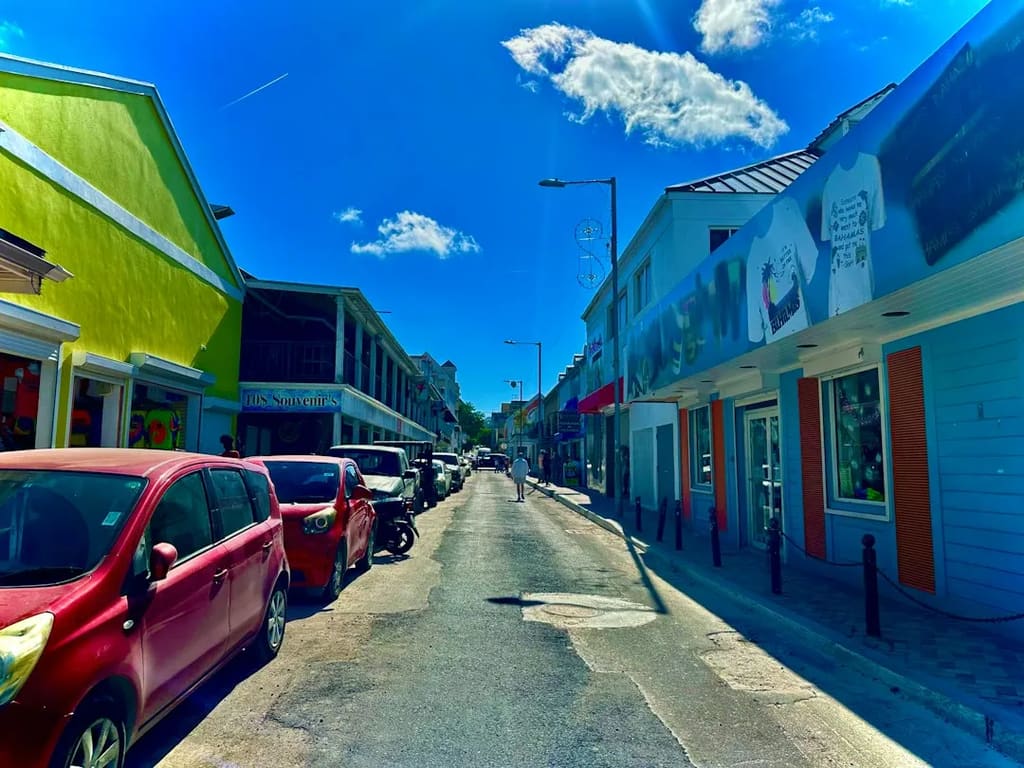
The Bahamas looks like the easiest entry on this list, and in many ways it is. The State Department lists it at Level 2, with crime as the risk indicator, in an advisory dated July 28, 2026.[8] That is a moderate warning, not an alarming one.
Still, the details matter for anyone planning a cruise stop or a resort week. The advisory carries specific warnings about Nassau and Grand Bahama.[9] A beach day and a wander through an unfamiliar neighborhood are very different risk profiles, and the advisory is mostly about the second.
Haiti, a Level 4 Country Still Open on Paper

Haiti holds a Level 4 advisory issued July 10, 2026, with unrest, crime, health, kidnapping or hostage taking, and terrorism all listed as risk indicators.[8] The advisory also cites inadequate medical care.[9] That combination leaves very little margin if something goes wrong.
Entry rules haven’t caught up with the danger. One entry guide lists Haiti as visa free for up to 90 days, with a ten dollar entry fee.[10] Getting there is difficult, though. An extended FAA aircraft ban is in place, and cruise lines continue to cancel port stops there.[11]
The Cambodia and Thailand Border Zone

Cambodia as a whole is not a no-go country. Its State Department advisory, dated September 15, 2026, is Level 2 overall, with a Level 4 warning for areas within 50 kilometers of the Thailand border.[12] Land border crossings between the two countries remain closed.[13]
The zone exists because of armed conflict. Thailand and Cambodia announced a ceasefire on December 27, 2025,[14] yet the U.S. Embassy still called the situation unpredictable in January 2026.[14] Landmines add a separate hazard. Unexploded ordnance is found in remote areas throughout Cambodia, including Siem Reap province.[15] Governments don’t all agree on severity: South Korea revised its alert for seven Thai provinces near the border down to Level 1.[16]
Lebanon and the Limits of Consular Help

Lebanon carries a Level 4: Do Not Travel advisory, most recently updated May 6, 2026.[6] The country has a long reputation for food, coastline and history, which keeps it on some travelers’ wish lists. A Level 4 designation means something specific, though.
That meaning is about what happens when plans fall apart. The State Department says it will have very limited ability to help U.S. citizens in these places, and often urges those already there to leave.[17] Flights can be disrupted and embassy support can be thin. A holiday insurance policy may not cover you either.
Myanmar’s Ongoing Level 4 Status

The State Department’s Burma advisory is Level 4, dated May 8, 2026.[6] Burma was among the countries whose Level 4 status was reaffirmed or updated in 2026, reflecting evolving security conditions and the capacity of U.S. embassies to provide assistance.[18] Temple plains and lake villages still photograph beautifully, which is part of why the country keeps attracting visitors.
The risk is less about any single tourist site than about how little cushion a traveler has. Level 4 countries are placed there for extreme security, crime, health or conflict risks.[19] If conditions change while you’re inside the country, leaving can be the hard part.
Uganda, a Safari Draw With a Do Not Travel Label
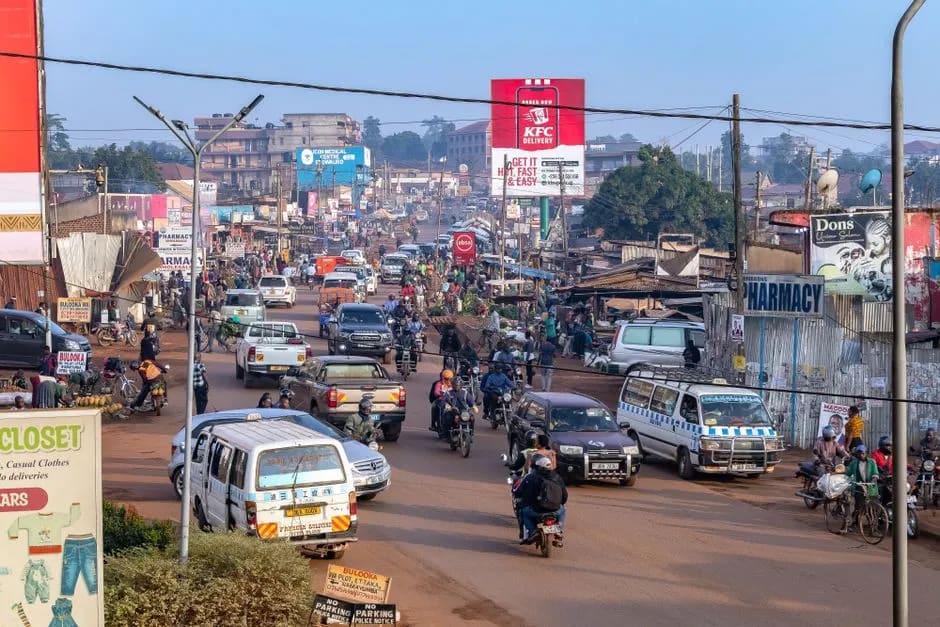
Uganda is best known for wildlife and mountain gorilla treks, so its Level 4 status surprises many readers. The State Department’s advisory, last updated to Level 4 on June 4, 2026, highlights risks connected to terrorism, crime, unrest and health issues.[1]
Related Stories From Travelbinger



Uganda and Sudan stand out among the 23 Level 4 countries because of a combination of security and health concerns.[1] Reports on the advisory’s wording come mainly from secondary outlets, so read the State Department text itself before deciding. Anyone considering a trip should also look at the CDC’s health information for the region.
Iran’s Long Running Warning
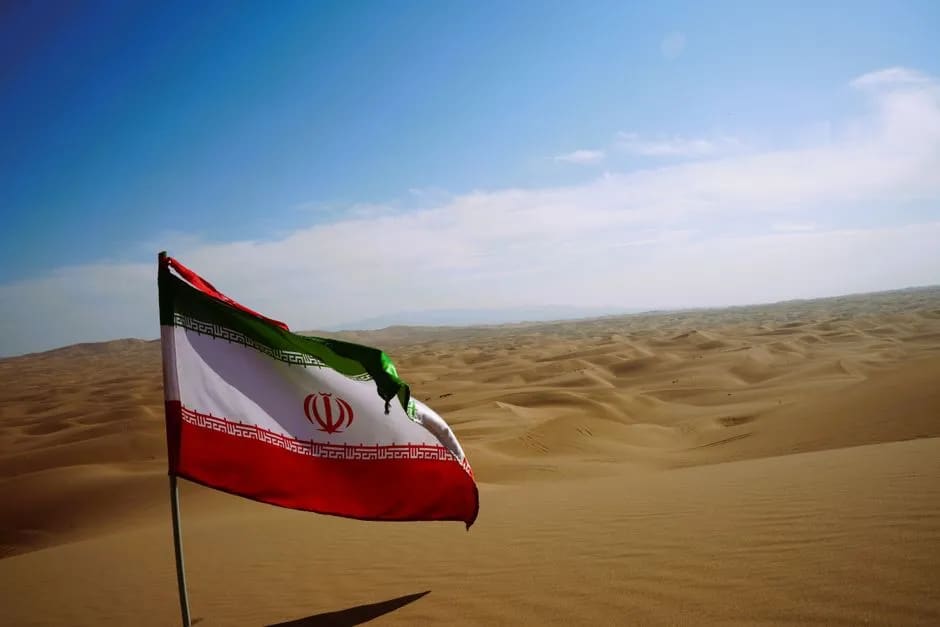
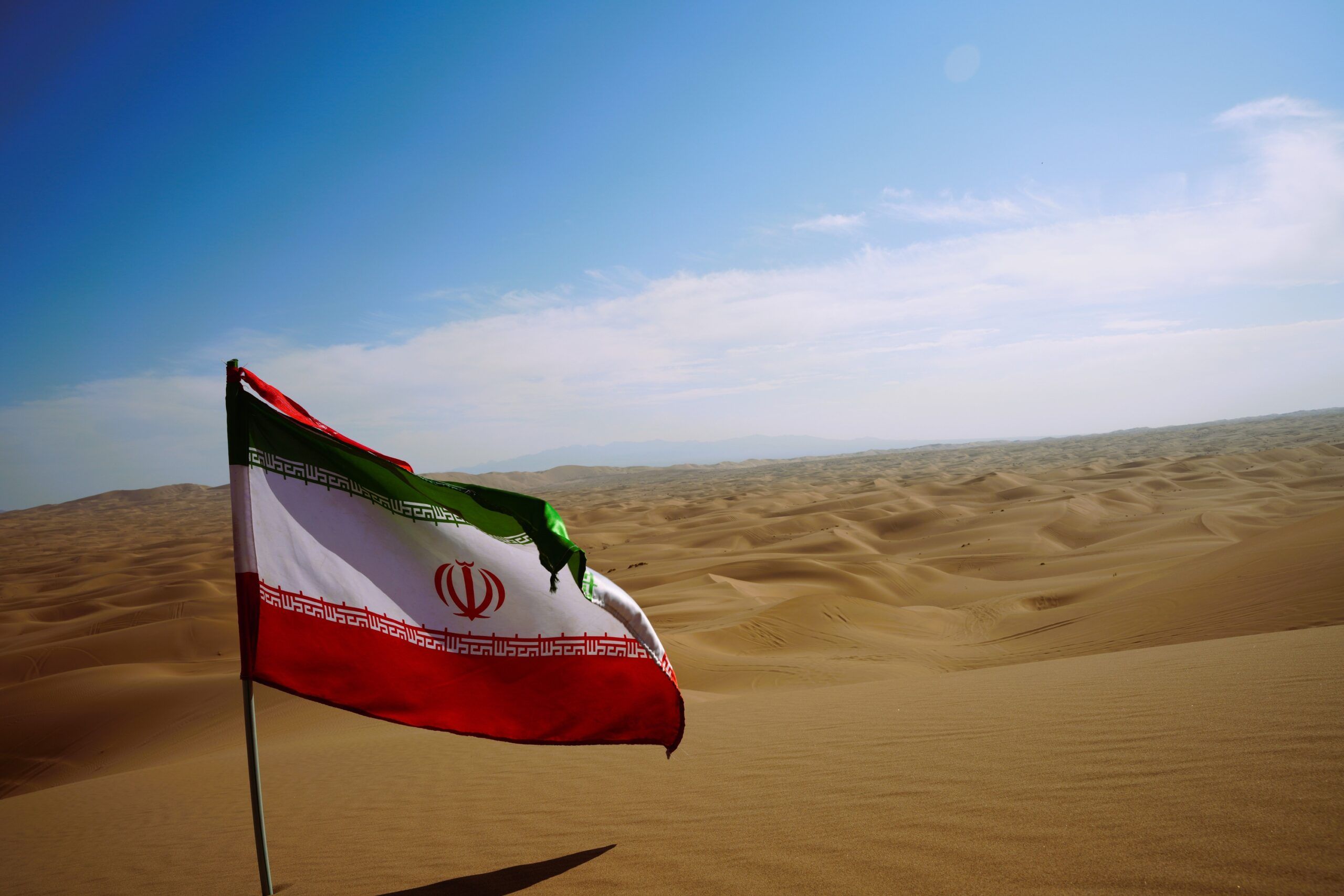
Iran is listed at Level 4, with its advisory updated October 23, 2026.[20] One tracker’s records suggest it has held that level since at least early 2018. Persian gardens, bazaars and ancient sites continue to draw independent travelers despite that.
Regional instability is part of the picture. South Korea lifted special advisories for select areas of Azerbaijan and Turkey in September 2026, noting that no further drone or missile strikes had been reported.[16] That shows how quickly Middle East conditions can shift. Plans there can change on short notice, and so can flight routes.
Afghanistan, Where Help Is Hard to Reach