Every year, tens of millions of Americans cross the border or fly south for a Mexican vacation, drawn by beaches, food, and prices that still feel reasonable compared to home. Yet plenty of visitors arrive carrying assumptions that do not quite match reality on the ground. Some of these misconceptions are harmless quirks that get corrected within a day or two of arrival, while others shape decisions about safety, money, and etiquette in ways that are worth sorting out before you pack a bag.
1. That the whole country is one big safety risk
Many American travelers picture Mexico as uniformly dangerous, largely because of headlines about cartel violence. In reality, the country has 32 states, and safety conditions vary sharply between them. The U.S. State Department reflects this by issuing a separate advisory level for each state rather than one blanket rating for the entire country.
As of 2026, Colima, Guerrero, Michoacán, Sinaloa, Tamaulipas, and Zacatecas are not suitable for leisure travel right now, while Cancun, Los Cabos, Mérida, Oaxaca City, Puerto Vallarta, and central Mexico City are still active tourist destinations. Treating Mexico as a single risk zone means missing this nuance entirely, and it can lead travelers to either cancel trips to perfectly safe places or, worse, wander into areas they should be avoiding.
2. That tap water is fine everywhere, or that it is never fine

Visitors tend to fall into one of two camps: those who assume Mexican tap water is universally unsafe and refuse even ice cubes, and those who figure that if locals drink it, so can they. Neither extreme is quite right. Most tourist zones and hotels use filtered or purified water for guests, and reputable restaurants generally use purified water for ice and cooking.
Still, municipal tap water in most of Mexico is not treated to the standard Americans are used to, which is why bottled or filtered water remains the safer default for visitors whose stomachs are not adjusted to local microbes. This is not a reflection of poor hygiene standards so much as a different water infrastructure system, and it is why nearly every hotel room comes stocked with bottled water as a matter of course.
3. That pesos and dollars are basically interchangeable
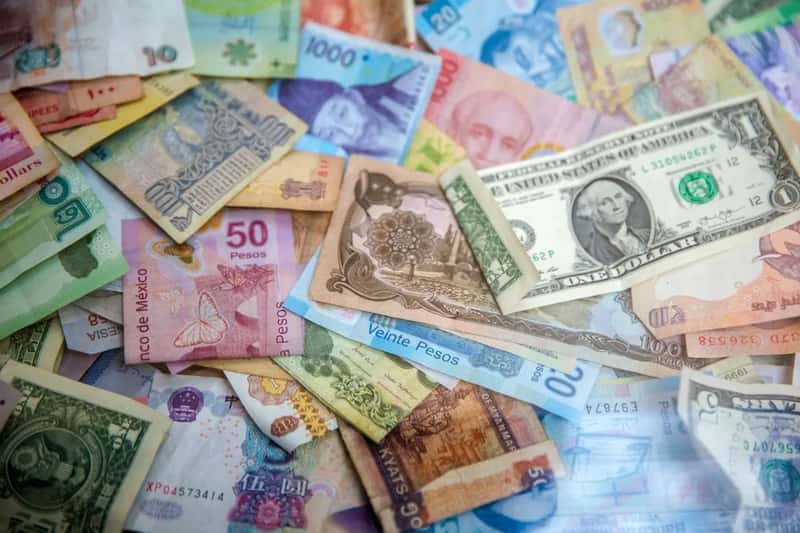
Some American visitors assume dollars are welcome everywhere and skip the currency exchange entirely. Dollars do get accepted in heavily touristed spots like resort strips in Cancun or Los Cabos, but the exchange rate offered at the register is almost always worse than what you would get from a bank or ATM. Once you leave the resort bubble, into local markets, smaller restaurants, or taxis, pesos are expected and dollars may not be accepted at all.
There is also a common assumption that using a credit card avoids this problem, but many smaller vendors, street food stalls, and local buses operate cash only. Carrying a modest amount of pesos, and knowing that ATMs affiliated with major Mexican banks typically offer fairer rates than airport currency counters, saves both money and hassle.
4. That tipping culture mirrors the United States exactly
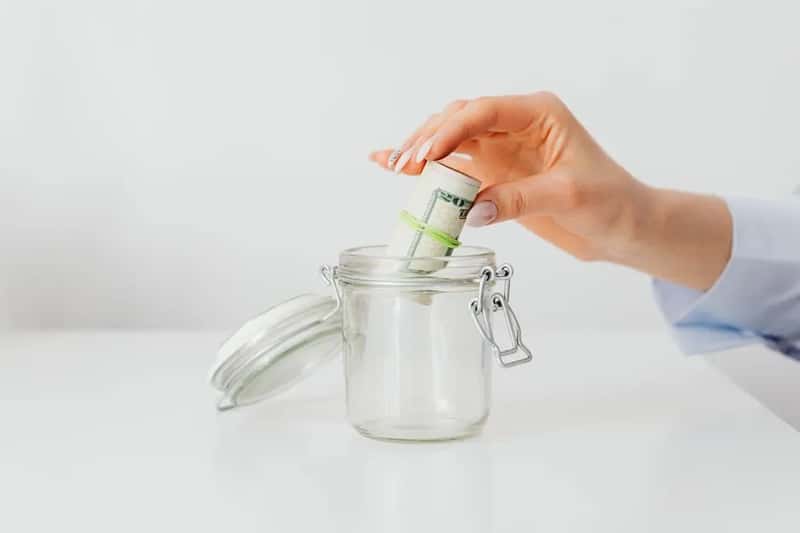
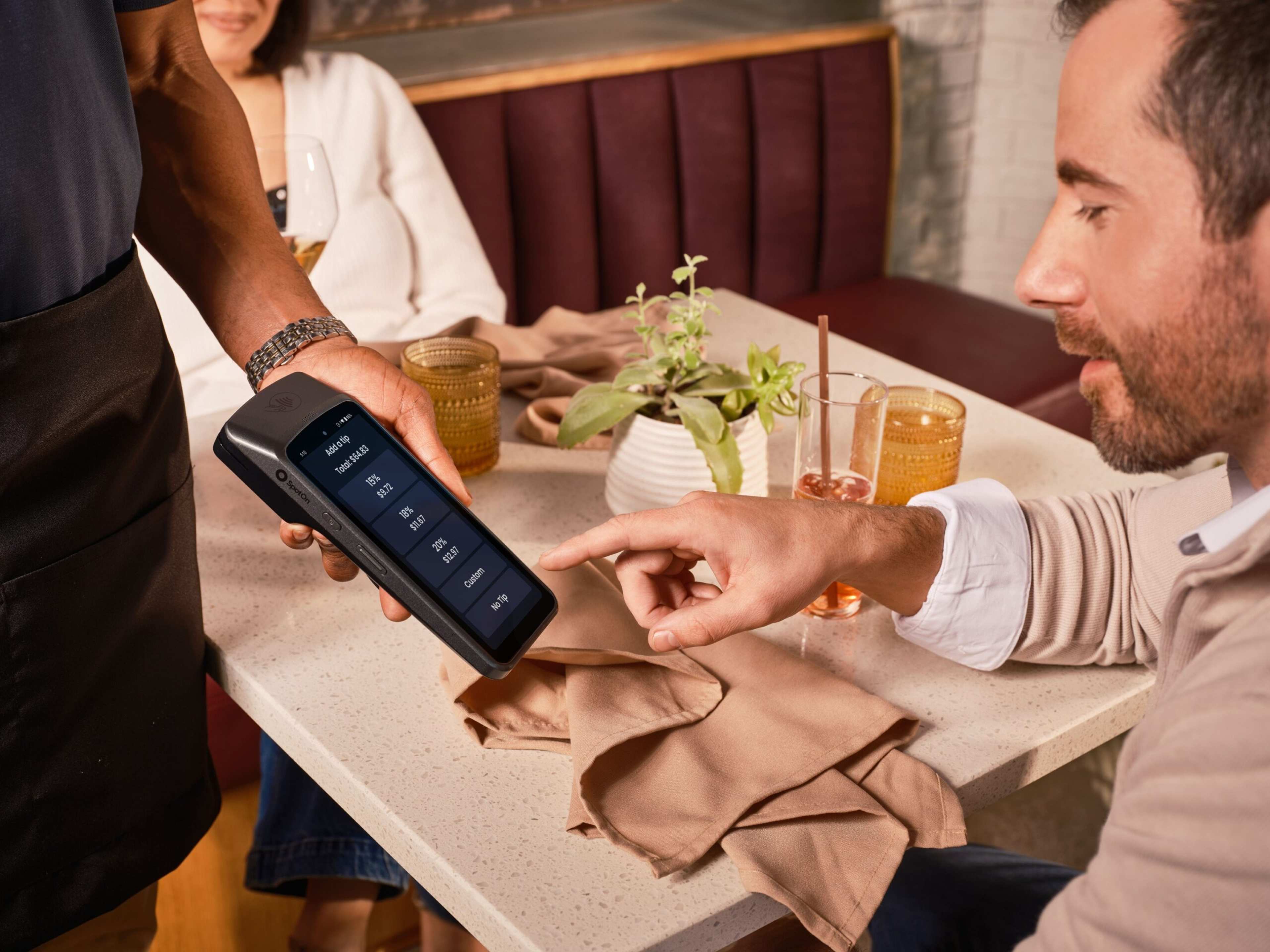
Tipping exists in Mexico, but the expected amounts and contexts differ from American norms in ways that trip people up. Restaurant tips in tourist areas often run somewhat lower than the standard fifteen to twenty percent expected in the U.S., though upscale establishments in resort towns have increasingly adopted American-style expectations. Meanwhile, tipping shows up in places Americans might not think of, such as for gas station attendants who pump the fuel, or grocery store baggers.
Over-tipping in small local establishments can also feel awkward or even create friction, since it sometimes signals an assumption that the establishment needs charity rather than simple appreciation for service. A reasonable approach is to observe what locals leave, ask a hotel concierge, or simply carry small bills for the many informal tipping moments that come up throughout a day.
5. That Mexican food abroad reflects what is actually eaten in Mexico
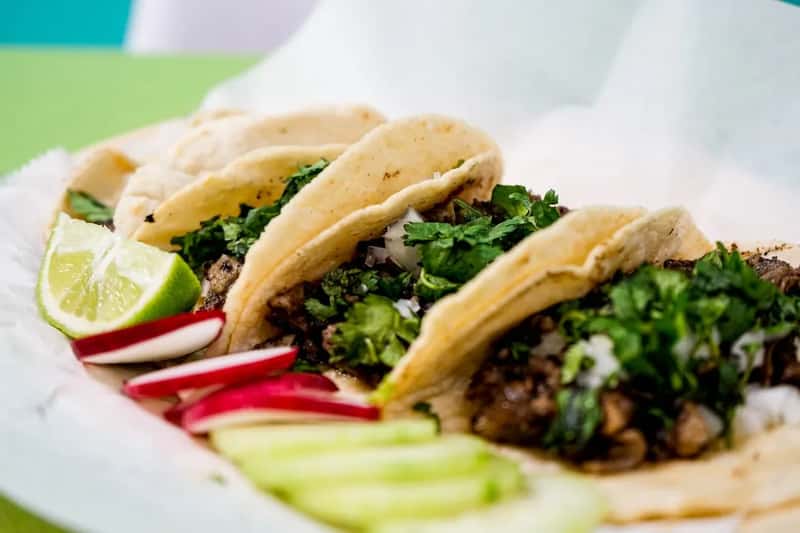
Tex-Mex and the combination platters familiar from American chain restaurants bear only a loose resemblance to everyday Mexican cuisine. Dishes like hard-shell tacos, nachos piled with cheese, or burritos the size of a forearm are largely American inventions or adaptations rather than staples found in Mexican homes and taquerias. Regional Mexican cooking is far more varied, built around fresh corn tortillas, salsas made to order, and proteins prepared in ways that differ dramatically from state to state.
Visitors sometimes arrive expecting the familiar and are surprised, pleasantly or not, when the food looks and tastes different from what they know. A trip through Oaxaca, the Yucatan, or Mexico City reveals cuisines with their own identities, shaped by indigenous ingredients and techniques that predate any American interpretation.
6. That English will get you through most interactions
In heavily touristed resort areas, English is common enough that some visitors assume it will work everywhere in the country. Step outside those zones, into smaller towns, local markets, or even parts of major cities away from hotel districts, and English fluency drops considerably. This is not a knock on the country; it simply reflects that Mexico is a Spanish-speaking nation of over 120 million people where most residents have no daily need for English.
Learning a handful of basic phrases goes a long way, both practically and as a gesture of respect. Locals in less touristy areas tend to respond warmly to visitors who at least attempt Spanish, even imperfectly, rather than assuming service in English is a given.
7. That Mexico City is interchangeable with beach resort towns
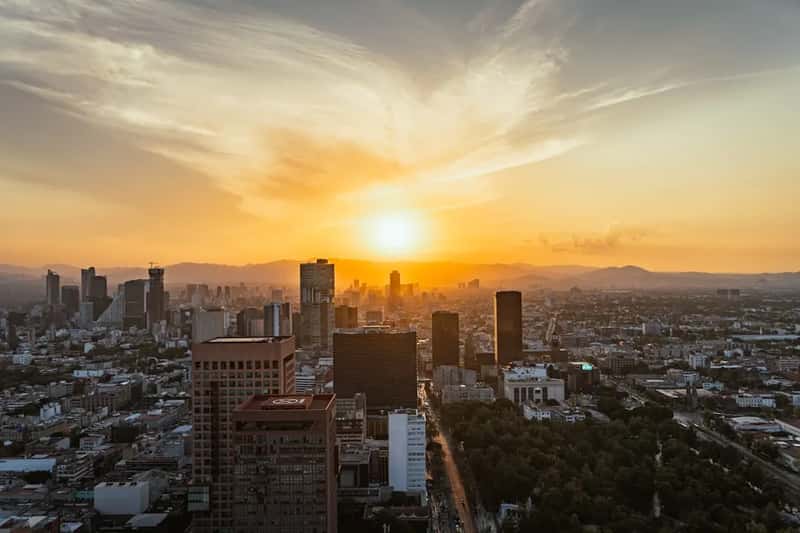
Some American travelers lump all Mexican destinations into one mental category built around beaches and margaritas, forgetting that Mexico City is a sprawling, high-altitude metropolis with more in common with a major European capital than a coastal resort. Sitting over 7,000 feet above sea level, the city has its own climate, altitude adjustment period, and cultural rhythm entirely distinct from Cancun or Cabo. Museums, colonial architecture, and a dense urban food scene define the experience there far more than swimwear and sunscreen.
Visitors expecting a beach vacation and getting a cosmopolitan capital instead sometimes feel disoriented, particularly if they did not pack for cooler evenings or plan for the altitude’s effect on breathing and alcohol tolerance. Understanding that Mexico contains dramatically different regional experiences, coastal, colonial, desert, and jungle, helps set realistic expectations before booking.
8. That bargaining is rude, or that it is expected everywhere
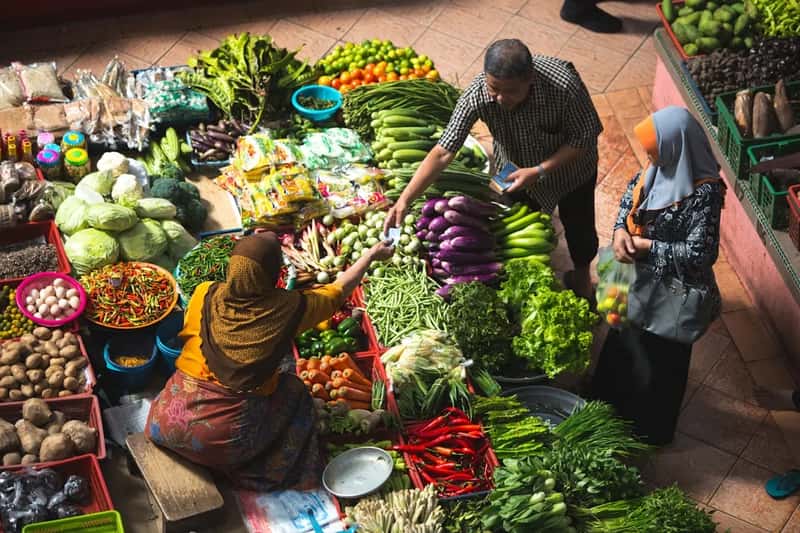
Haggling etiquette confuses a lot of first-time visitors. In open-air markets and with independent vendors selling crafts or souvenirs, negotiating on price is a normal and expected part of the transaction, not an insult to the seller. Trying to bargain in a supermarket, pharmacy, or restaurant with posted prices, on the other hand, comes across as odd or even disrespectful, since those prices are fixed.
The confusion tends to run in both directions. Some Americans refuse to negotiate anywhere out of politeness, missing out on the back-and-forth that market vendors genuinely expect and even enjoy, while others try to haggle in fixed-price settings where it simply is not the custom. Reading the setting, market stall versus retail storefront, usually makes the right approach obvious.
9. That a passport is optional for a quick border trip
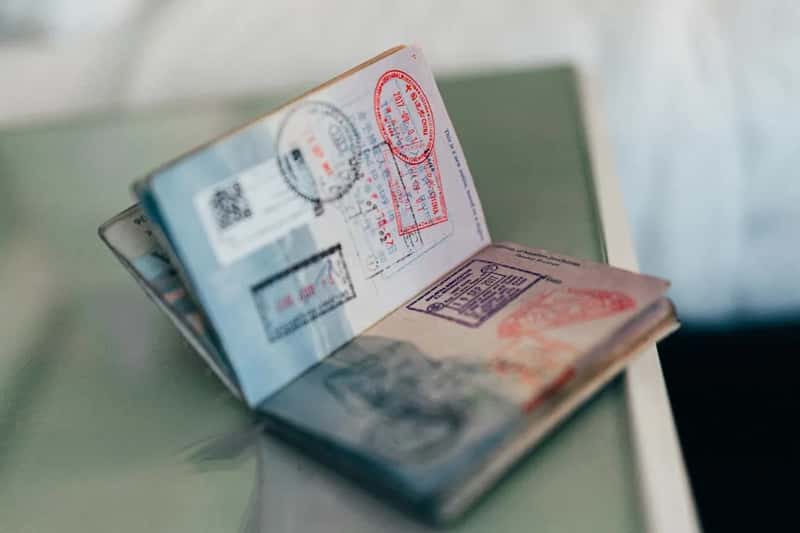
Some visitors, particularly those heading to border towns like Tijuana or Nogales for a day trip, assume a driver’s license is sufficient for crossing into Mexico and back. A passport, or a passport card at minimum, is required for reentry into the United States by land or sea under the Western Hemisphere Travel Initiative, regardless of how short the visit is. This catches people off guard more often than it should, given how long the requirement has been in place.
Beyond the reentry requirement, having a passport also matters for identification purposes within Mexico itself, particularly at hotels, airports, or if any interaction with local authorities becomes necessary. Travelers who show up at the border with only a driver’s license sometimes find themselves stuck arranging emergency documentation, which is an entirely avoidable headache.
10. That the peso’s value makes everything cheap
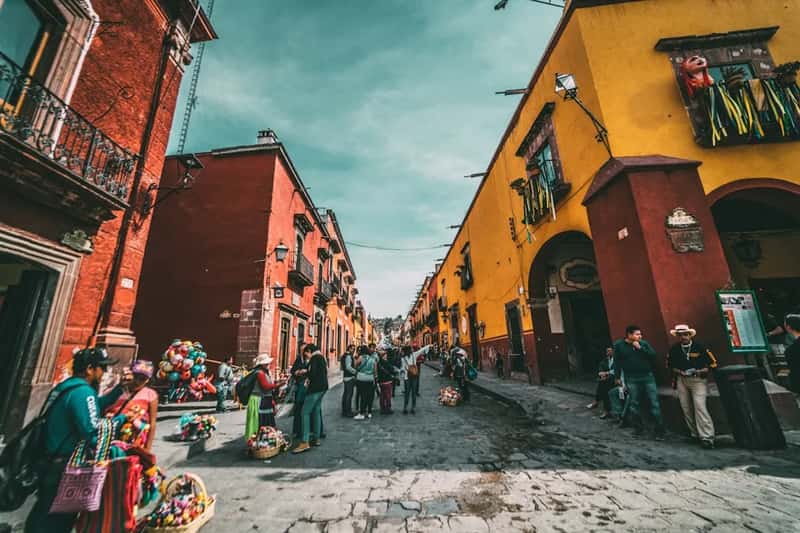
It is true that many things in Mexico cost less than their American equivalents, but visitors sometimes overcorrect and assume every purchase will be a bargain. Average international tourist expenditure fell by 1.2% to $663.69 per trip in 2025, a figure that reflects real spending patterns rather than the fantasy of an ultra-cheap vacation. In resort areas especially, hotels, imported goods, and beachfront dining are often priced close to, or even above, comparable American options.
Where the savings genuinely show up is in local transportation, street food, and services performed by local labor, like massages, haircuts, or handmade goods bought directly from artisans. Understanding that resort pricing and local pricing are two very different economies helps visitors budget more realistically instead of being surprised by a hotel bar tab that looks suspiciously similar to one back home.