
A bucket-list trip, whether it’s a safari in Tanzania, a multi-week trek to Everest Base Camp, or a milestone anniversary cruise around the Mediterranean, deserves more than a few late-night browser tabs and a credit card swipe. These trips tend to be expensive, logistically complex, and emotionally loaded because you’ve likely been dreaming about them for years. That makes the planning stage just as important as the trip itself.
Before you hit “confirm booking,” there are a handful of practical steps that can mean the difference between a smooth, unforgettable experience and a stressful scramble. Some of these involve paperwork, some involve money, and some are simply about being honest with yourself about what you actually want. Here are ten things worth doing first.
1. Check Your Passport’s Expiration Date and Validity Window
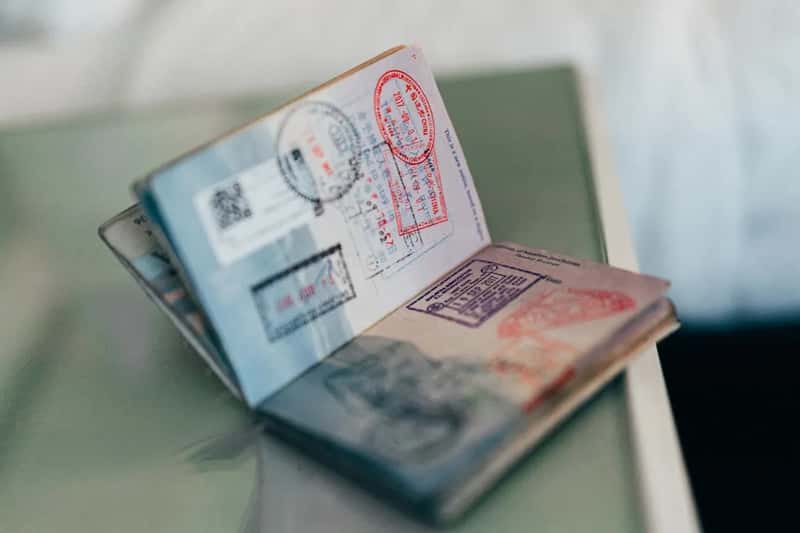
This sounds obvious, yet passport problems are one of the most common reasons travelers get turned away at check-in or denied entry abroad. Many countries require passports remain valid for at least 6 months beyond intended travel dates, and this requirement applies regardless of actual trip length, meaning countries that require 6-month validity reject entries from travelers whose passports expire within 6 months even for brief visits. If your passport is anywhere close to that window, it’s time to renew, not gamble.
Don’t assume renewal will be quick, either. Passport wait times are still running 4 to 6 weeks for routine processing and 2 to 3 weeks for expedited service, and that’s before you factor in mailing time. Given that a once-in-a-lifetime trip is often booked months in advance anyway, this is the easiest box to check off first, and honestly one of the most important.
2. Research Entry Requirements, Visas, and New Travel Authorizations

Entry rules are shifting more than usual right now, especially for Europe. After several delays, ETIAS is finally expected to launch in the last quarter of 2026 and will apply to nationals of countries that are currently visa-exempt and wish to travel to the Schengen Area, costing €20 and remaining valid for three years or until the passport expires, allowing tourist or business stays of up to 90 days within any 180-day period. Even if the exact launch date keeps sliding, as it has several times before, it’s worth checking status close to your travel dates.
Beyond Europe, other regions are updating their systems too. The UK’s electronic travel authorization costs about £16, is valid for two years, allows multiple entries for short stays, and applies to 84 countries and territories, including the United States, Canada, Australia, and Japan. A quick search for your specific destination and nationality combination, ideally through an official government site, can save you from an awkward conversation at the airport gate.
3. Get Serious About Travel Insurance, Including Cancel-for-Any-Reason Coverage

For an expensive, once-in-a-lifetime itinerary, skipping insurance is a real gamble. The average comprehensive plan in 2026 costs roughly 6% of a traveler’s insured travel expenses, meaning for a $10,000 insured trip, a comprehensive travel insurance plan will typically cost between $400 and $1,000. That’s a small price relative to what you’d lose if a medical emergency, family issue, or natural disaster forced you to cancel.
If you want maximum flexibility, look into Cancel For Any Reason coverage, but act fast. You must purchase your policy within a specific time-sensitive window, typically 14-21 days after your trip deposit date. Keep in mind that reimbursement rates for CFAR range from 50% to 75% of your prepaid, non-refundable trip costs, and adding CFAR to your policy can increase premiums by about 40-50%, so weigh the cost against how firm your plans really are.
4. Set a Realistic, All-In Budget, Not Just a Flight-and-Hotel Number

It’s tempting to fixate on the headline price of flights and a hotel, but the real cost of a bucket-list trip includes visa fees, travel insurance, gear, vaccinations, local transportation, tips, and the meals and excursions you’ll want once you’re actually there. Building a buffer of at least fifteen to twenty percent on top of your initial estimate is a smart habit, since unexpected costs almost always show up somewhere.
It also helps to separate refundable from non-refundable expenses as you plan, since that distinction directly affects what you can insure and what you stand to lose if plans change. Once you know your total insured trip cost, you can shop travel insurance quotes more accurately instead of guessing.
5. Time Your Trip Around Weather, Crowds, and Local Events

The dates you choose can make or break a once-in-a-lifetime experience. Shoulder seasons often offer a sweet spot of decent weather, thinner crowds, and lower prices compared to peak months, whether you’re talking about safari season in East Africa, cherry blossom season in Japan, or trekking windows in the Himalayas.
It’s also worth checking for local festivals, holidays, or elections that could affect hotel availability, transportation, or even safety. A destination that’s magical in one season can be miserable in another due to monsoon rains, extreme heat, or overtourism, so a bit of seasonal research goes a long way toward protecting the experience you’re paying for.
6. Get Vaccinated and Sort Out Health Requirements Early

Certain destinations, particularly parts of sub-Saharan Africa, South America, and South and Southeast Asia, require or strongly recommend vaccines like yellow fever, typhoid, or hepatitis A and B, and some require proof of vaccination for entry. These appointments often need to be scheduled weeks or even months in advance, since some vaccines require multiple doses spaced apart or need time to become fully effective.
This is also the moment to talk to your doctor about altitude sickness medication if you’re heading somewhere like Machu Picchu or Everest Base Camp, or about malaria prophylaxis for tropical destinations. Waiting until a few days before departure limits your options and could mean traveling without adequate protection.
7. Decide Between a Specialist Tour Operator, a Travel Advisor, or DIY Planning

For genuinely complex trips, custom safaris, expedition cruises to Antarctica, or multi-country itineraries, a specialist tour operator or travel advisor who knows the destination intimately can be worth every penny of their fee. They often have relationships with local guides, access to permits or camps that book out far in advance, and contingency plans for when things go sideways.
That said, DIY planning can work beautifully for travelers who enjoy the research and want more control over pacing and budget. The key is being honest about your own comfort level with logistics in unfamiliar places, since a once-in-a-lifetime trip is not the moment to discover you’re in over your head halfway through booking.
8. Understand Cancellation and Change Policies Before You Pay Deposits

Before putting down any nonrefundable deposit, whether for a lodge, a cruise cabin, or a guided trek, read the fine print on what happens if you need to change dates or cancel altogether. Some operators offer generous rebooking windows, while others keep deposits regardless of the reason.
This is directly tied to your insurance strategy, since to calculate your premium correctly, you should include only prepaid, nonrefundable expenses you want to protect. Knowing exactly which payments are at risk helps you decide how much coverage actually makes sense for your situation.
9. Research Currency, Payment Methods, and Money Access on the Ground

Some once-in-a-lifetime destinations are still heavily cash-based, have limited ATM access outside major cities, or charge steep foreign transaction fees on card payments. Finding this out after you land, rather than before, can turn a simple errand into a genuine headache.
It’s worth notifying your bank of travel dates, packing a backup card, and carrying some local currency or US dollars for emergencies, particularly in remote areas where card machines are unreliable or nonexistent. A little homework here prevents the kind of stress that has nothing to do with the destination and everything to do with logistics.
10. Pack for the Actual Trip, Not the Trip You Imagine

Bucket-list destinations often demand very specific gear, whether that’s layered clothing for dramatic temperature swings on safari game drives, sturdy broken-in boots for a multi-day trek, or modest clothing for visiting religious sites. Buying and testing gear well ahead of departure, rather than the week before, avoids blisters, discomfort, or scrambling for last-minute replacements abroad.
It also helps to research luggage restrictions for smaller regional flights or charter planes, which are common on safaris and remote expedition routes and often have much stricter weight limits than international carriers. Packing thoughtfully, rather than just packing a lot, tends to make the difference between an enjoyable trip and one weighed down, literally, by poor preparation.
None of these steps are glamorous, and none of them are the part of the trip you’ll be telling stories about afterward. Still, they’re what quietly protect the experience you’ve been dreaming about, whether that dream has been years in the making or just clicked into focus recently. Get the unglamorous groundwork right, and the once-in-a-lifetime moments have a much better chance of actually feeling like it.