Flying used to come with a fairly simple menu: a ticket, a seat, and maybe a bag of pretzels. These days, the checkout screen looks more like a fast food kiosk, upselling everything from Wi-Fi to boarding order before you’ve even picked a seat. Travelers who fly often are starting to push back on a handful of these add-ons, arguing the math simply doesn’t work anymore.
Some of that pushback comes from genuine price hikes. Some comes from airlines quietly removing the value that used to justify the fee in the first place. Either way, a pattern has emerged around which extras frequent flyers are now skipping on purpose.
1. Standalone paid in-flight Wi-Fi
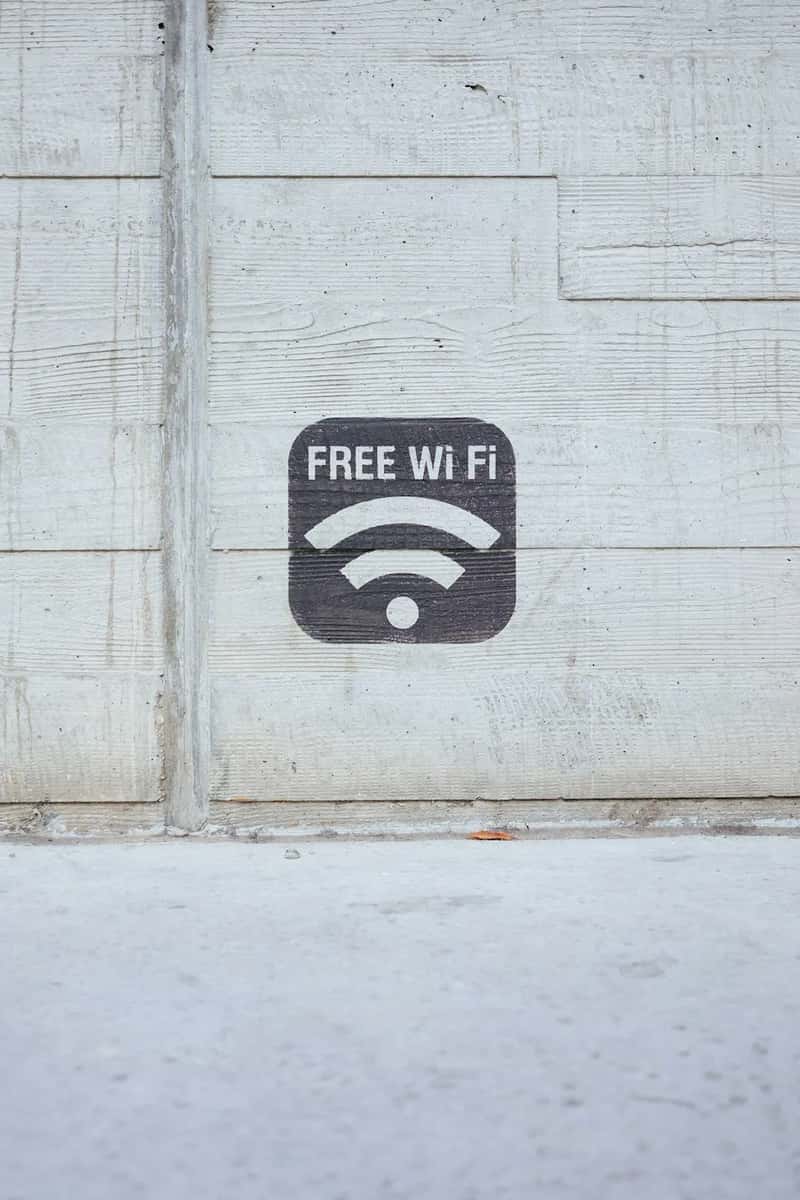
Paying by the flight for internet access is quickly becoming one of the easiest fees to avoid, simply because so many carriers now give it away for free. Southwest WiFi is free for Rapid Rewards members, Delta is free for SkyMiles members, and United is free for MileagePlus members fleet-wide.[1] None of those loyalty programs cost anything to join.
JetBlue has arguably made the strongest case that Wi-Fi shouldn’t be a paid extra at all. JetBlue Fly-Fi is free for every passenger on every flight, no loyalty account, credit card, or login required, making it the only major US airline with truly universal free WiFi.[1] With that kind of competition, paying separately for a day pass on another carrier increasingly feels like money left on the table.
2. “Preferred” seats with no real upgrade
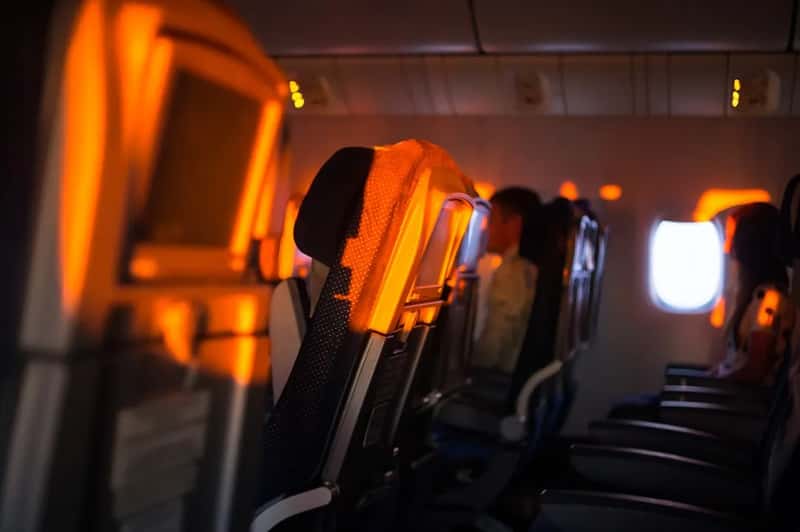
Not every seat with a price tag actually gets you anything meaningful. Travel writers have flagged a recurring trick where airlines slap a fee on a “preferred” seat just because it’s closer to the front of the plane, even if it has the exact same legroom as the free seats in the back.[2] The label sounds premium, but the product often isn’t.
The real distinction to check before paying is whether you’re buying location or space. As one 2026 fee breakdown put it, a preferred seat is a standard seat in a better spot, closer to the front, or an aisle or window, with the same legroom, better location, lower fee.[3] If getting off the plane a few minutes earlier is the only real benefit, plenty of flyers are choosing to keep that cash.
3. Basic economy, once the savings disappear
Basic economy fares were designed around a simple tradeoff: give up flexibility, save some money. That math has shifted noticeably over the past year. Airlines have spent the past year gutting these fares to the point where the “savings” can actually cost you more than just buying a regular ticket, with American Airlines stopping miles on basic economy in December 2025, United following in April 2026, Southwest killing open seating and adding bag fees, and Delta blocking Sky Club access on basic fares regardless of credit card.[4]
For families especially, the calculation has gotten worse rather than better. For a solo traveler, that tradeoff still works sometimes, but for a family of five, it almost never does anymore.[4] The lost mileage earnings alone can add up over a year of travel.
4. Standalone priority boarding
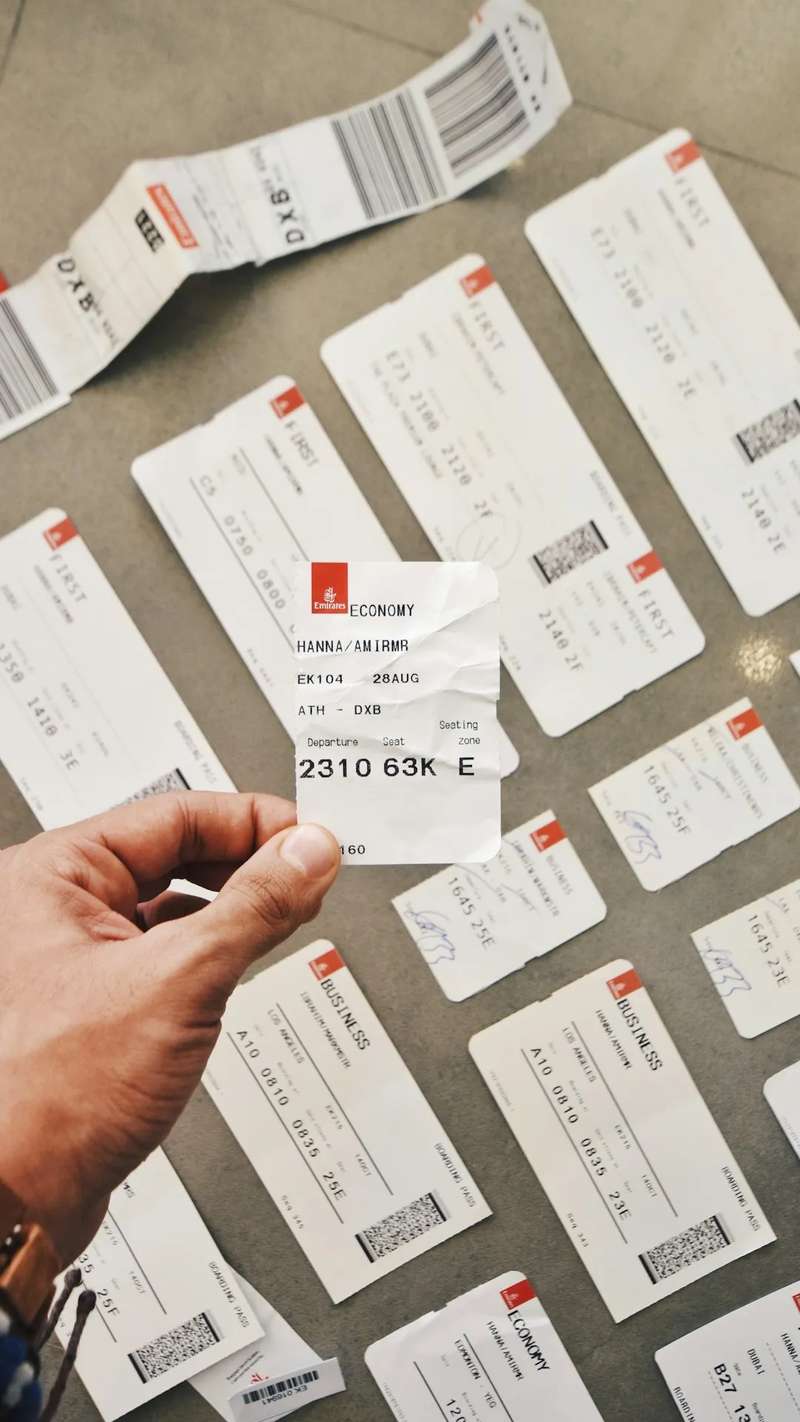
Buying early boarding on its own, separate from status or a bundled fare, has become one of the more debated extras. On Southwest, the price now swings wildly depending on demand. There’s a way to buy up without changing fare class at all through Priority Boarding, which sells a spot ahead of the assigned boarding groups, with pricing that runs between $10 and $75 per person, per segment.[5]
Paying $75 to board a few minutes earlier, when the overhead bin space and seat are already assigned anyway, strikes a lot of travelers as an easy pass. It matters more when overhead space is genuinely limited, and much less when it isn’t.
5. Impulse lounge day passes without checking quality first
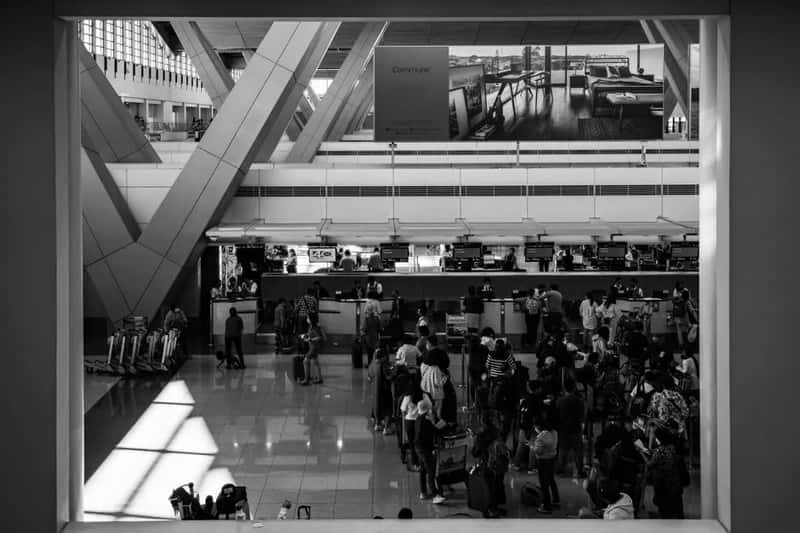
Lounge access sounds universally appealing until you actually walk into a crowded one. Quality varies enormously between properties, and pricing has crept up. Lounge quality varies more than the marketing suggests, and a merely-okay Priority Pass contract lounge has a self-serve buffet, a basic open bar, possibly no showers, and free Wi-Fi at coffee-shop speed.[6]
The smarter approach many travelers now use is checking reviews before buying. A day pass makes sense if you have 3 or more hours, would spend $30 or more on food and drinks anyway, and the lounge has solid recent reviews, but not if you have under 90 minutes or recent reviews mention crowding or frequent turn-aways.[7] Paying $60 to stand in another line inside the lounge defeats the point entirely.
6. Checked bags paid at the airport counter
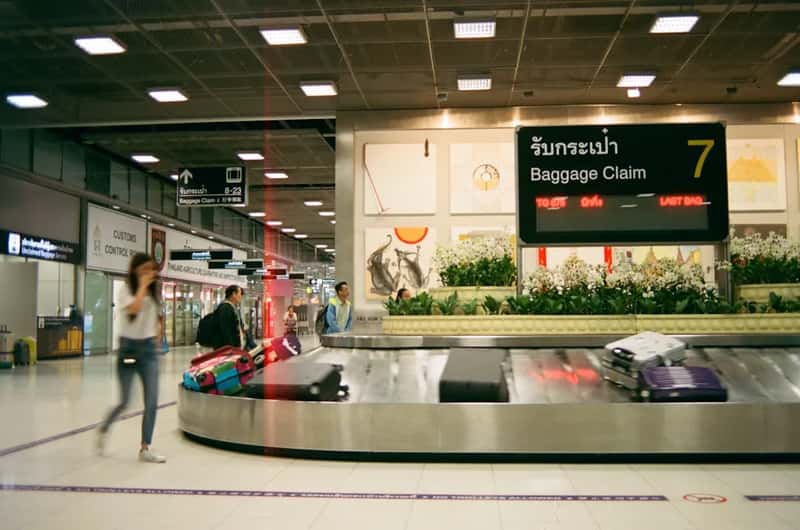
This one isn’t really about whether checked bags are worth it. It’s about where you pay for them. Airport counter pricing runs noticeably higher than prepaying online, and the gap has widened in 2026. American Airlines implemented its new baggage fee structure for tickets purchased on or after April 9, 2026, with the first checked bag costing $45 online versus $50 at the airport, up from $35 online and $40 at the airport.[8]
That five to ten dollar penalty for waiting until you reach the counter adds up fast for a family. A family of four checking two bags each on a domestic round trip now faces an extra $160 compared to previous rates.[8] Prepaying online, even a day before departure, avoids most of that markup.
7. Exit row seats bought purely for legroom
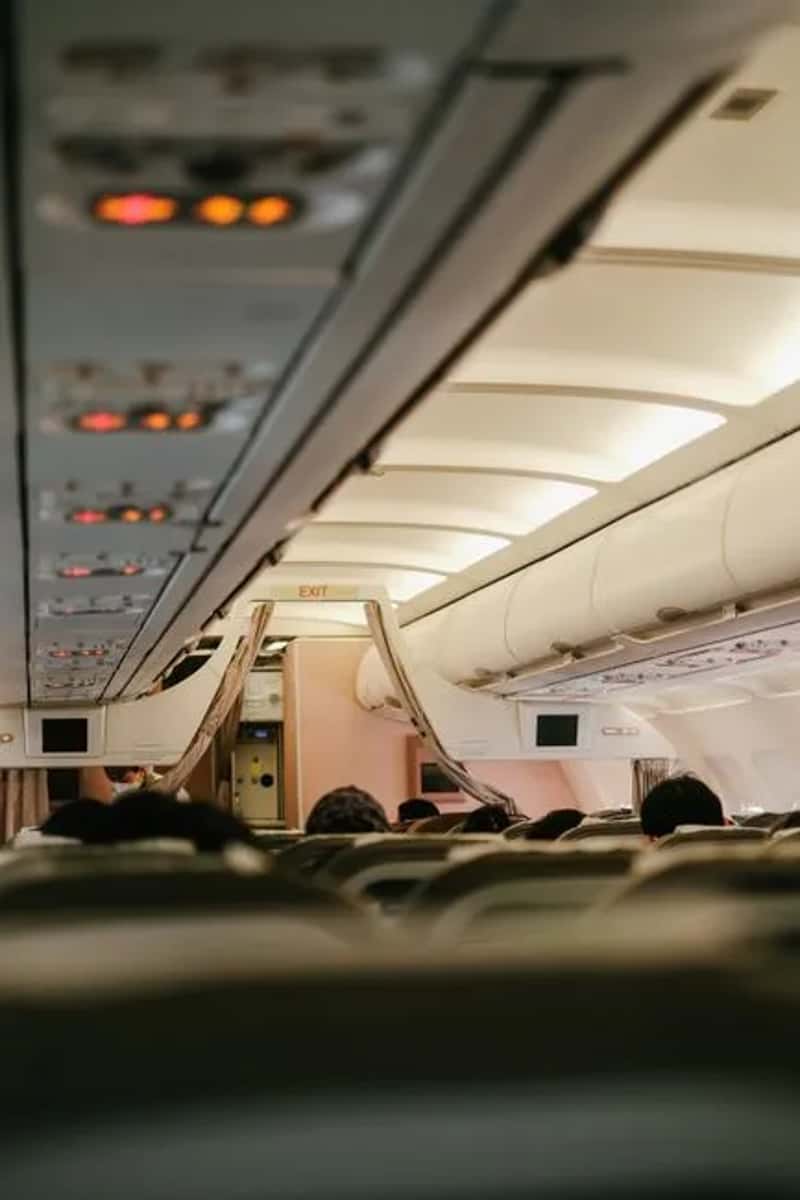
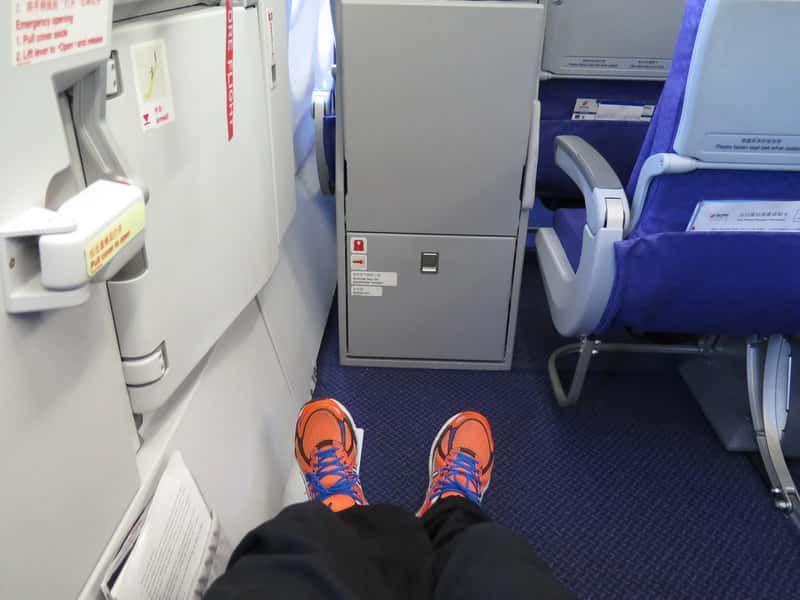
Exit rows have a reputation for extra space, and that reputation isn’t wrong. But the tradeoffs rarely get mentioned in the seat map. Some exit row seats don’t recline at all, meaning you could end up paying extra for more room but being forced to sit upright for a five-hour flight.[2]
Proximity to the lavatory is another catch that’s easy to miss when booking. Exit row seats near restrooms offer extra legroom, sometimes even more than business class on an international flight, but they also typically come with increased foot traffic and noise.[9] For a short hop, that’s a non-issue. On a long overnight flight, it can undo the entire point of paying extra.
8. Last-minute app upsells for extra legroom
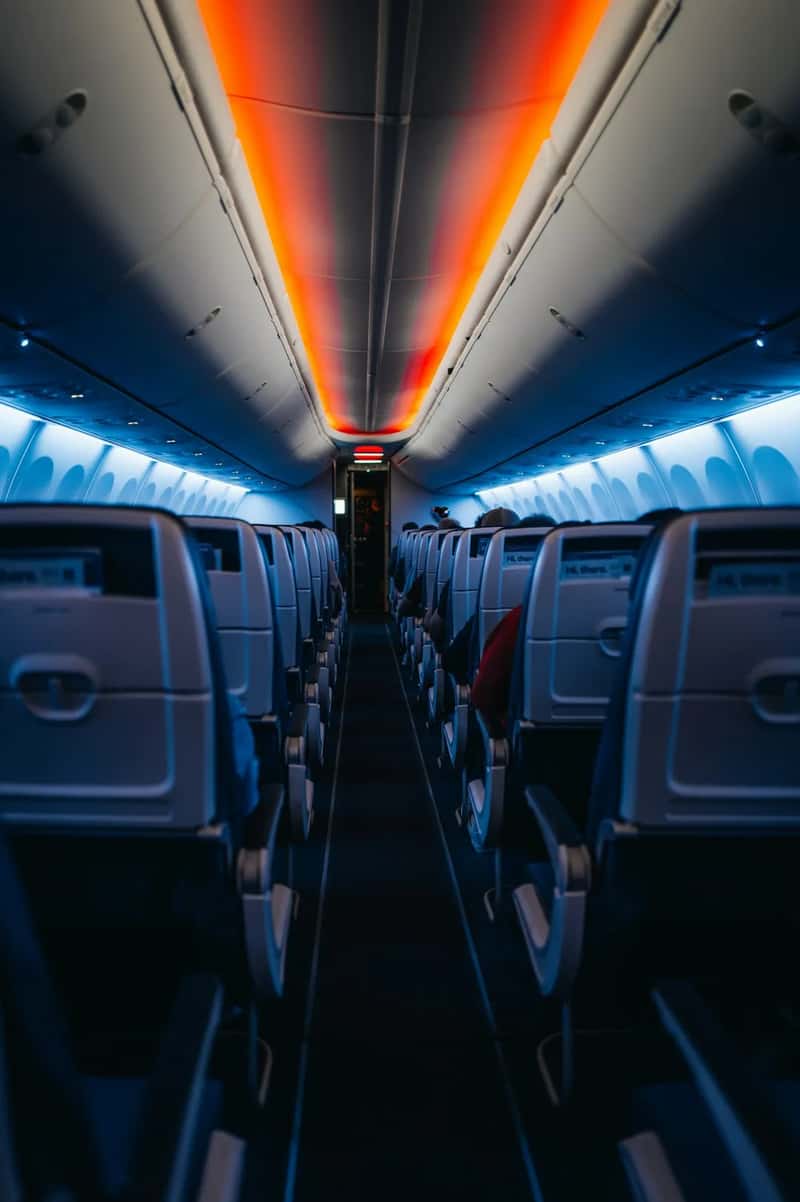
Airlines have gotten good at nudging travelers to upgrade seats at check-in, right when there’s no time left to compare prices. Travel experts consistently advise against taking the bait at that stage. According to NerdWallet’s travel expert Sally French, “the price they quote you last-minute in the app is rarely the best deal,” and travelers are almost always better off paying for that extra-legroom seat upfront when you book, rather than getting upsold at check-in.[10]
The pricing logic makes sense once you think about it. Airlines know exactly how few seats are left by the time you’re checking in, and they price accordingly. Locking in a seat weeks ahead almost always beats the panic-priced version offered an hour before boarding.
9. Priority security lane fees, when a membership already covers it
Paying a one-off fee for expedited security makes sense occasionally, but frequent flyers increasingly see it as redundant. If someone already carries a premium travel credit card, priority access is often bundled in at no extra charge. United offers the cheapest standalone option at $24 per person for Group 2 boarding, while Delta, American, and JetBlue provide priority boarding through co-branded credit cards ranging from $150 to $650 annually.[11]
For someone who already holds one of those cards, or has TSA PreCheck or Global Entry, paying again for a priority lane is essentially double-dipping. The fee only makes sense for the occasional flyer who has none of those memberships and just wants speed once.
10. Onboard meal and snack bundles on short routes
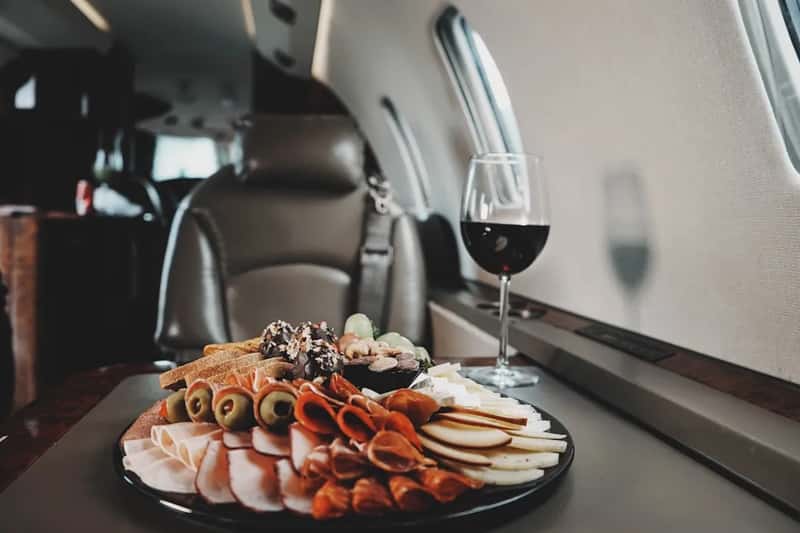
Paid meal boxes marketed heavily on domestic and short-haul flights have become a target for cost-conscious flyers, mostly because the value rarely matches the price. A ten to fifteen dollar snack box on a two-hour flight competes directly with airport food options that cost roughly the same and offer far more choice. Frequent flyers increasingly grab something at the gate instead, especially now that most terminals have expanded their fast-casual options well beyond the old fast food standard.
The exception tends to be genuinely long domestic routes, where a real meal service still adds comfort. On a five or six hour transcontinental flight, paying for food can be a reasonable convenience rather than an unnecessary upsell.
11. Trip protection add-ons at checkout
The checkout-page insurance prompt, often bundled loosely as “trip protection,” has drawn skepticism from travelers who’ve compared it against standalone policies. These bundled add-ons are frequently pricier and narrower in coverage than a dedicated travel insurance policy bought separately, which typically covers more scenarios for a similar or lower cost. Comparing a couple of standalone providers before clicking “add protection” at checkout usually reveals a better deal within a few minutes.
That said, the instinct to protect a trip isn’t wrong, just the execution often is. Buying a real policy directly from an insurer, rather than accepting the pre-checked box on an airline’s booking page, tends to deliver broader coverage for less money.
Taken together, these eleven extras share a common thread: the fee stayed the same or went up, while the value quietly eroded. Free Wi-Fi through loyalty programs, cheaper baggage rates online, and smarter timing on seat upgrades all point to the same lesson. Reading the fine print before checkout, rather than after, is what separates a fair upgrade from an unnecessary one.