Long before you reach a counter or say a single word, someone in a uniform has probably already clocked a handful of details about you. Airport staff, from TSA officers to gate agents, spend their entire shifts reading crowds of strangers, and they pick up on patterns most travelers never realize they’re broadcasting. None of this is about profiling you unfairly or judging your outfit choices for fun. It’s about efficiency, safety, and, sometimes, quietly deciding who gets a little extra grace when things go sideways.
What follows are twelve things airport employees genuinely notice, backed by research, agency statements, and accounts from people who work these jobs every day. Understanding them won’t just satisfy your curiosity. It might actually make your next trip through the airport smoother.
1. The Way You Carry Yourself Before You Even Reach the Line
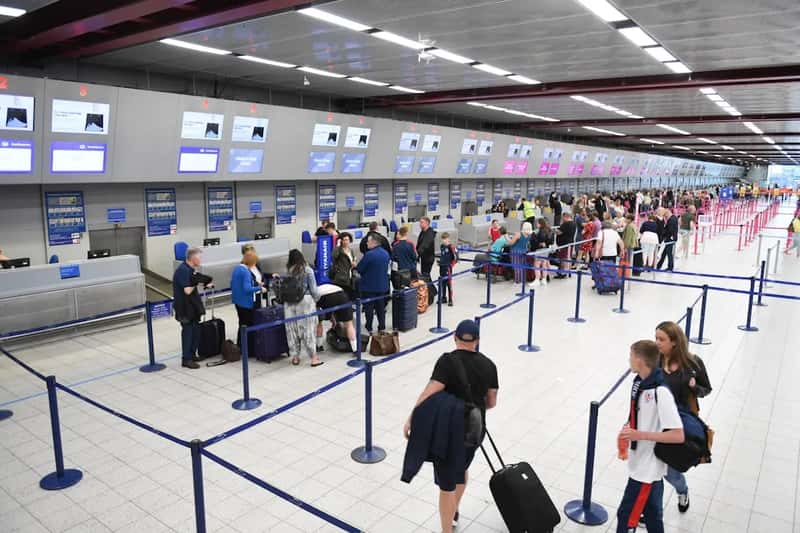
Security officers are trained to spot behavior that stands out from the ordinary flow of travelers, and they do it almost instantly. Certain nervous behaviors may catch TSA agents’ eyes, including nonstop talking, frequent throat clearing, or visibly profuse sweating.[1] These aren’t random judgments either; they come from a checklist agents are trained to recognize.
It’s worth remembering that feeling anxious at the airport is completely normal, and staff know that too. Eyes darting around, sweating, throat clearing, fidgeting, stammering, and breathing heavy or fast are all signs of anxiety, and you may be displaying these signs because you have a fear of flying, or you may be nervous for another, not-so-innocent reason, and it’s up the TSO to figure out which one it is.[2] This doesn’t mean normal travel anxiety will automatically cause you to be pulled aside, since TSA agents see a lot of passengers every day and are trained to know what is typical nervous behavior and what deviates from the norm.[3]
2. How Organized Your Bag and Documents Are
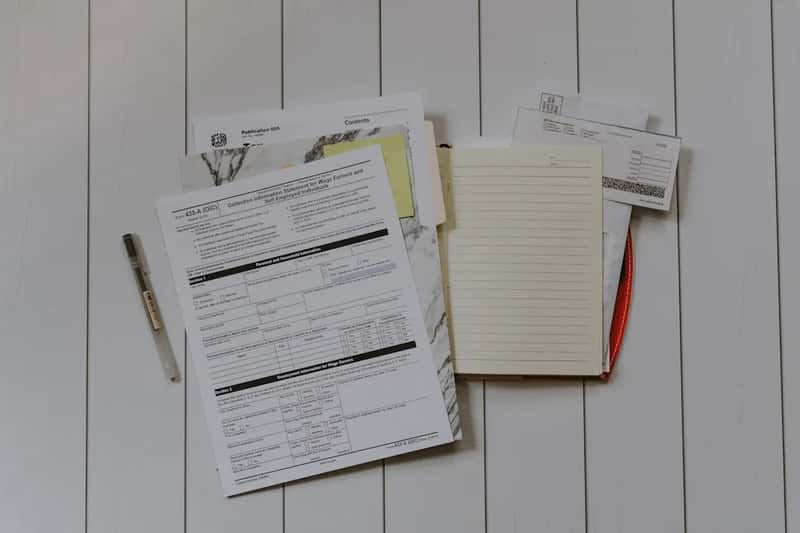
Fumbling through a backpack at the last possible second is one of the fastest ways to catch an officer’s attention, and not in a good way. Passengers who begin digging through their bags at the last second often attract extra attention, and security officers closely monitor travelers who appear disorganized or uncertain during screening, which usually begins when someone reaches the scanner and suddenly realizes that liquids, electronics, identification, or boarding passes are buried deep inside a carry-on bag.[4]
This isn’t just about personal delay either, since it creates a ripple effect down the entire line. This slows the line and forces officers to focus on the situation more carefully, and busy airports process thousands of travelers every hour, so delays caused by unprepared passengers create backups that affect everyone waiting behind them, meaning keeping travel documents accessible and organizing bags before entering the checkpoint can help avoid unnecessary delays.[4] A quick check of your pockets and bag before you’re two feet from the belt genuinely does help everyone.
3. Whether You Actually Acknowledge Them
Staff notice when passengers treat them like furniture versus real people, and it shapes how interactions unfold. Some airlines have gone as far as building this into formal policy. Delta Air Lines management once required gate agents to make eye contact with anyone within five feet of the desk every five seconds, and Delta agents will tell you just how tough that is.[5]
On the flip side, a simple hello or a nod goes a surprisingly long way. A little kindness goes a long way at the airport, since gate agents often deal with stressed and irate passengers, so a pleasant attitude can make you stand out, and if you need help, approaching an agent with patience and respect matters.[6] It costs nothing and staff genuinely remember who bothered to be decent.
4. How You React When You’re Pulled for Extra Screening
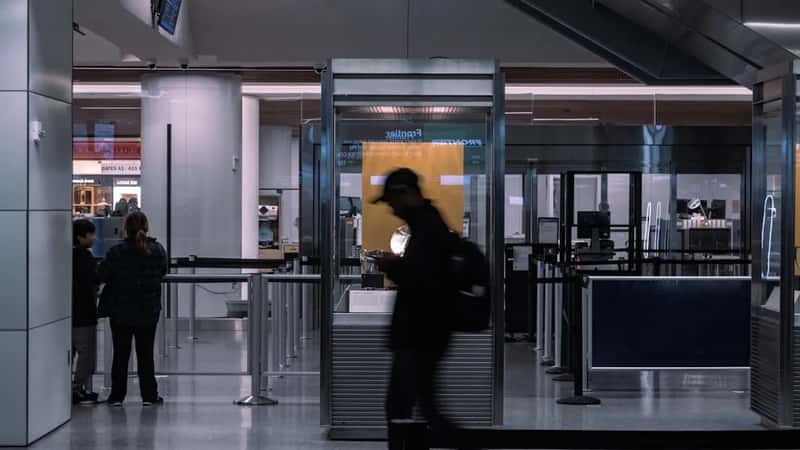
Getting flagged for additional screening isn’t a personal insult, even though it can feel that way in the moment. Metal detectors randomly select passengers for additional screening, and it’s not a TSA agent deciding someone looks suspicious and singling them out; one of the most stressful parts of the job is dealing with passengers who don’t understand that when officers have to screen them, they’re not picking on them.[7]
How you respond in that moment actually matters more than most people think. Officers describe experiences where, after additional screening, the first thing out of a passenger’s mouth is asking if they look like a terrorist, revealing a narrow mindset shaped by thinking only of 9/11, when in reality a terrorist could be anyone.[7] Staying calm and cooperative during a random check almost always gets you through faster than arguing about fairness.
5. If You Suddenly Get Chatty for No Reason
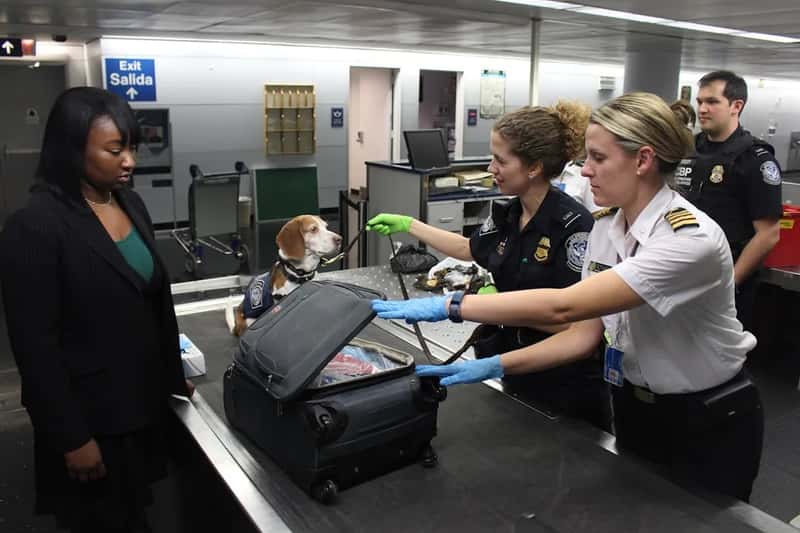
Striking up friendly conversation with a security officer might seem harmless, but staff are trained to read into it. The next time a TSA agent gets chatty with you, it might not be because she finds you fascinating; instead, it could be a behavior inspection technique, since the pleasant conversation may be a subtle test to see if you are a suspicious character.[8]
This ties into a much larger, quieter operation running behind the scenes at major airports. This ties into a broader practice used at many major airports, where profilers specifically pay attention to the body language, mimics, and behavior patterns of passengers and try to identify potentially dangerous people, and nervous fidgeting, evasive answers, or inconsistent stories during casual conversation can all factor into whether someone gets a second look.[8] So being naturally friendly is fine, but overdoing it with elaborate stories can backfire.
6. What Your Bag Reveals Before Anyone Even Looks at You
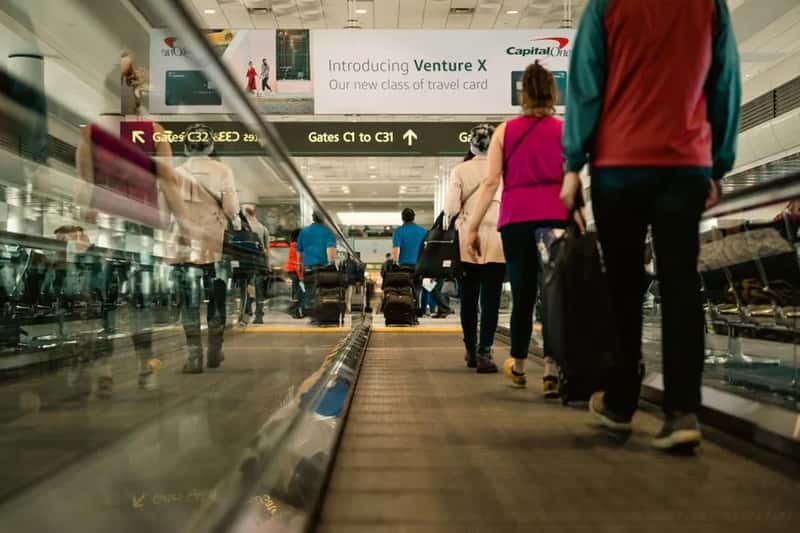
Contrary to popular belief, bag checks aren’t a coin flip. There is nothing random about the baggage X-ray, since the passenger’s bag gets screened based solely on its contents.[7] That means the shape, density, and layering of what’s inside your carry-on does the talking before an officer even glances your way.
Everyday items can look far more suspicious on a screen than they do in real life. Anyone who has ever been stopped over a block of cheese or a vacuum-packed roast probably assumed it was a fluke.[8] Packing dense food items, gifts wrapped tightly, or oddly shaped electronics near the top of your bag rather than buried can save you an awkward extra search.
7. Whether You’re Hopping Between Security Lines
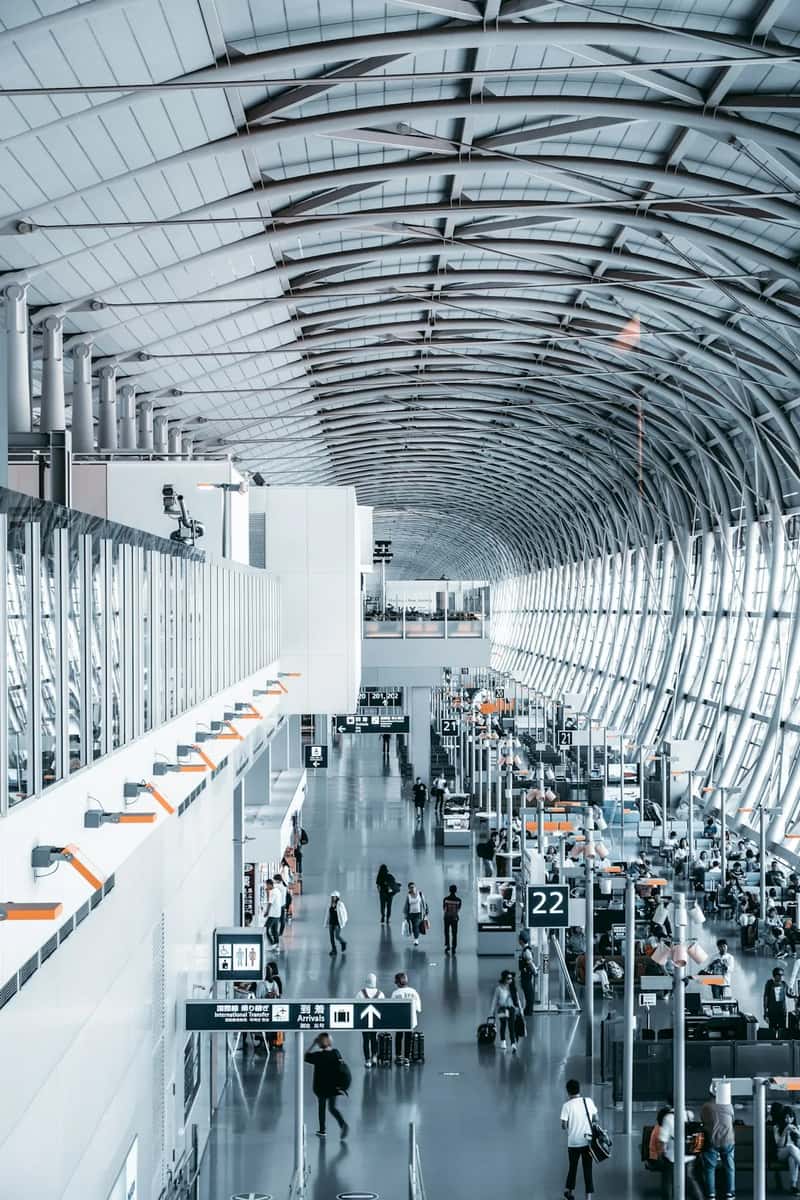
Switching lanes to shave off a few minutes feels like a smart move to most travelers, but it reads very differently to trained staff. To the passenger, repeatedly switching lines can seem like an innocent way to save time, but to TSA agents, it may seem as if the individual is attempting to avoid something or rush through the checkpoint to get away from security officers, so agents may pull the person aside to uncover if there’s a legitimate reason for the behavior.[1]
The irony is that this shortcut often backfires completely. Ironically, trying to rush could eventually delay travelers in the long run, and between March 2023 and April 2024, over 300 airline passengers attempted to circumvent at least some part of the security process in U.S. airports, often unintentionally while rushing.[1] Picking one line and sticking with it is almost always faster in the end.
8. How You Handle Being Rushed or Running Late
Announcing your time crunch to a security officer rarely speeds things up, and often does the opposite. One officer summed it up bluntly on a public forum. One TSA agent on Reddit cautioned, “Nothing will make my search more precise than someone saying they are in a hurry.”[1]
Impatience and visible frustration also register as behavioral red flags in a way that calm urgency doesn’t. Staff are people juggling hundreds of interactions a shift, and a passenger who stays composed under a tight connection tends to get quieter, more efficient help than one who starts snapping. Patience, even when you’re stressed, genuinely reads better than panic to the person standing across from you.
9. Where You Choose to Sit and Wait Near the Gate
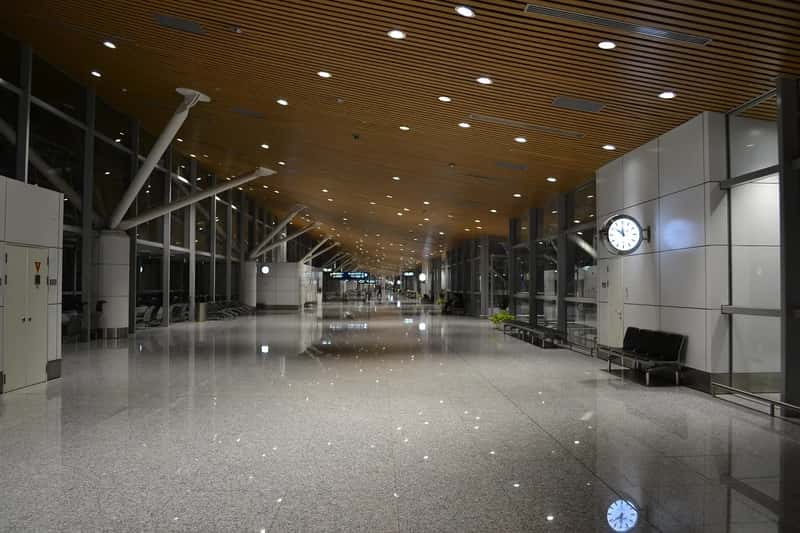
Long before boarding starts, experienced gate agents are already scanning the seating area, and where you plant yourself actually matters. Most people think gate agents only notice you when you walk up to the desk, but that’s not how it works, since a seasoned agent is constantly reading the room, watching who walks in, how they’re moving, whether anyone is struggling with a bag, and who looks like they need to be on a priority list before boarding even begins.[9]
Physical proximity to the podium genuinely changes how quickly you’re noticed if you need assistance. Sitting within 20 to 30 feet of the podium dramatically increases the chance an agent notices you early, and visible mobility aids, medical bags, and hearing devices are among the first things trained agents flag, so being seen early puts you on the agent’s mental priority list before the boarding rush even starts.[9]
10. Your Overall Presentation and How You’re Dressed
It might feel unfair, but appearance does play a subtle role in how staff perceive you, particularly at the gate. Those coveted first-class upgrades aren’t handed out randomly, and gate agents follow a priority list that includes frequent flyers, passengers with elite status, and sometimes travelers dressed neatly.[6]
That said, it’s far from the only factor, and it won’t override a bad attitude. While it’s not guaranteed, dressing smartly and showing professionalism could tip the scales in your favor, and asking politely never hurts either, since gate agents notice polite and patient passengers, which can benefit your advantage.[6] Looking put-together simply removes one small reason for an agent to hesitate when a discretionary decision comes up.
11. How Prepared You Are When You Ask for Help
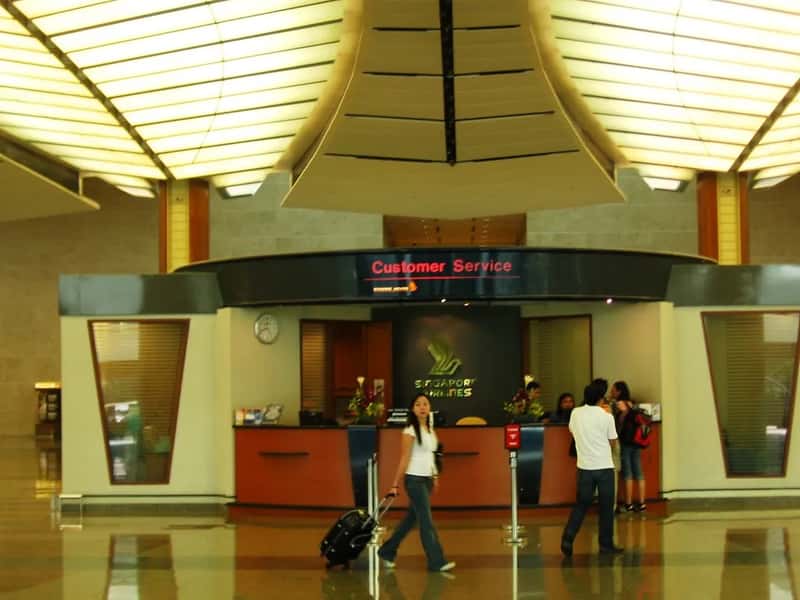
When flights get disrupted, staff can tell within seconds whether a passenger has done any homework. Gate agents can access powerful systems that show every available flight, seat, and route, making them a passenger’s best ally for rebooking if a flight is delayed or canceled, though they prioritize passengers who are prepared and know their options, so having alternate flights in mind when approaching them will save everyone time, and being proactive and cooperative makes their job easier and increases the chances of a favorable outcome.[6]
Timing your request also matters more than most travelers realize. The worst time to approach gate agents is during boarding or immediately after a delay announcement, while the best time is ten to fifteen minutes after an announcement, once the initial chaos subsides but before the next wave of passengers arrives.[10] Walking up with a plan B already in mind, at the right moment, tends to get noticed and rewarded.
12. Your Tone When Something Doesn’t Go Your Way
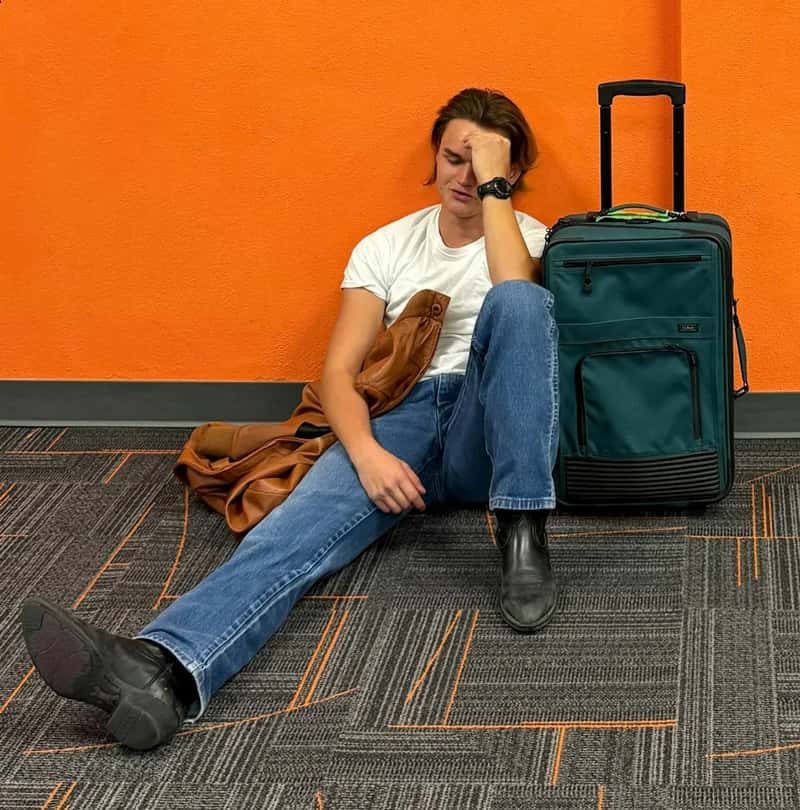
How you behave under frustration doesn’t just disappear once the interaction ends. Airlines quietly keep track of it. Gate agents don’t just help passengers they notice, they help passengers they remember well, and airlines keep records, so agents can pull up comments tied to your profile at the desk.[9]
Over time, that history genuinely follows you across future trips. Experienced travelers who’ve been consistently calm, polite, and prepared over years of flying often have clean, or even positively flagged, records that quietly work in their favor before they’ve said a single word, while the flip side is equally real, since documented disruptive behavior can make you more likely to get bumped from oversold flights or deprioritized during irregular operations.[9]
None of these twelve observations are secret tricks designed to catch travelers off guard. They’re simply the natural byproduct of staff doing repetitive, high-stakes jobs surrounded by strangers all day long, every day. Once you understand what they’re actually watching for, most of it comes down to the same basic advice your grandmother probably gave you: be prepared, be patient, and be kind to the person trying to help you. It turns out that’s not just good manners. At the airport, it’s practically a strategy.